Smash your Facebook profile in easy steps

Social Media is something that most of us use every day, and if you have a business, you’ll probably have business pages set up.

For the purpose of this article, I’m looking at Facebook in particular. What do your audience see when they land on your business page? Is it clear what you do? Is it engaging? Does it give enough information about you and your business? Is your profile relevant to your business? What do you put in your profile?

This article will give you the answers to these questions and hopefully help you smash your Facebook profile!

Your Facebook profile picture

Several times, I’ve been asked ‘should I have a logo or a personal picture?’

If your account is just a personal account, a headshot is best. For a business account, you can go for a headshot or your logo. If your business is quite a small affair, it’s probably better to go for the headshot, so that people know who you are and can put a face to your business.

Don’t go with pictures of your pets for a business page unless your pet is part of your logo for pet related products or services. Most of us have pets that we love, and there’s nothing wrong with posting photos of your pets on your page, but if I’m buying from a business, first of all I want to see what they do, or what they look like, not what their pet looks like.

Use the same profile picture across all your social media pages to promote consistency.

Make sure that you’re using the right size images for Facebook. Facebook recommends:

Your Page’s profile picture:

  • Displays at 170×170 pixels on your Page on computers, 128×128 pixels on smartphones and 36×36 pixels on most feature phones.

For profile pictures and cover photos with your logo or text, you may get a better result by using a PNG file.

Source: https://www.facebook.com/help/125379114252045

Your cover photo

The one thing to bear in mind when deciding on a cover photo for your business page is that anyone can view cover images – they are public by default. So, best not to upload anything that could be deemed misleading, offensive, deceptive or be subject to copyright.

Make sure the image is clear, high quality and that the size is correct.

Your Page’s cover photo:

  • Displays at 820 pixels wide by 312 pixels tall on your Page on computers and 640 pixels wide by 360 pixels tall on smartphones.
  • Must be at least 400 pixels wide and 150 pixels tall.
  • Loads fastest as an sRGB JPG file that’s 851 pixels wide, 315 pixels tall and less than 100 kilobytes.

For profile pictures and cover photos with your logo or text, you may get a better result by using a PNG file.

Source: https://www.facebook.com/help/125379114252045

Choose your cover image to reflect your brand, your services, or your products. Canva is a great place to create your cover images for a professional look, and there is a free version!

Change your cover image regularly to keep it fresh. You can change it to reflect festivals or special days, such as Valentine’s Day or Easter…but ensure that the image is relevant to your brand.

Your main bio

Your main Facebook profile has two areas where you can write about your business. There’s a short description, which should include a sentence or two about yourself or your business. It’s an opportunity for a short pitch on exactly what you do…and could be your mission statement.

Then you have a longer description where you can include additional information, more about your products or services and the benefits for your customers. You could include a little about your story and don’t forget to include a CTA (call to action).

It’s important to include any keywords in these descriptions to help search engines when people search for what you do.

There is a space to add a website link. This is where I share my Linktree URL. Linktree is a site that allows you to have all the links to things you’d like your customers to see. Mine includes my website, blog site, social media pages and URL for my email subscription…all in one place, with one link. I’d definitely recommend this to anyone who has a business – and the best bit is that there is a free service for this basic information.

You can also add your email address and telephone number, if that is appropriate…and you can add your business’s opening hours.

Interests

There is space for some profiles to add information about your favourite books, TV shows and films. Lots of people skip this, but it can be useful to make connections with like-minded people, or somewhere to put books that you’ve read that may be of interest to others in your niche – such as business-related books.

Privacy Settings  

Once you have finished with your profile and photos, take a look at your privacy settings. This allows you to choose whether your information is public or not. If it’s your business page, you will want almost everything to be public, but if it’s a personal page, you may want to hide some parts of your page.

This is definitely worth a look – sometimes small businesses overlook this bit and then find out that their settings are for friends and family only – so missing potential customers by not having it all public.

Pin a post to the top

The last thing I would say is that there is the facility to pin a post to the top of your profile. A lot of businesses pin an introductory post of themselves and their business. This is the first thing people will see when they come onto your page.

It is a good idea to pin an introduction, but it’s also the perfect opportunity to pin some of your best work as a showcase. Alternatives could be a key message, a new landing page, a special offer or a video. You can change it around every few months to keep it fresh.

Creative ways to solve low ranking on social media

When people talk about ranking and search engine optimisation, (SEO), it can feel like a very dry subject that gets most of us glazing over. So, I’m hoping that my blog this week will help unravel those complicated articles and make it a bit clearer!

I’m not going to go into the ins and outs of SEO, but concentrate on social media SEO, which can help your small business be seen and help with your ranking on Google.

Recently there’s been a lot of talk about algorithms and how their constant and many changes effect small businesses. Creating great content is very time consuming, without even thinking about networking and the engagement that you must do to keep your business in the spotlight. But, and this is a big BUT (!), social media isn’t just about posting articles and images, (and this is a huge misconception for a lot of businesses), it’s about building brand recognition, sharing valuable and memorable content, earning that all-important trust from your audience, showcasing your expertise, and driving targeted traffic to your website, shop, or blog.

What is SEO for social media?

Social media SEO is about combining social media and SEO strategies, so that when someone does a search in google for something you do, your position in that ranking is on that first page, and the key to that is optimising certain keywords or phrases that are relevant to you and your business. For example, I specialise in marketing strategy for small businesses and I’m based in the Charente in SW France. My target market is small businesses, specifically creative businesses. So, I use these phrases as a category or tag when I publish my blog posts to help my business get found. If you type ‘creative business marketing in Charente’ or ‘small business marketing Charente’ into google, my marketing blog (which includes my name, email address and contact details) ranks on the first page. This encourages people to click on my blog posts, which then points them to my website where they can find more information about what I do and how I can help. And, because my business name is also my name – Cindy Mobey Marketing – even if people can’t remember my business name, if they just type my name into Google, the first nine results include my blog, website, LinkedIn, Facebook and Instagram pages, as well as specific articles I’ve written or where I’ve been mentioned by other businesses.

Social media helps you big time in achieving a good ranking on Google. You can include keywords and phrases in your posts and in hashtags. And you can point readers, via a link, to your blog, shop, or website.  

No matter what business you’re in, whether you’re an artist, writer, builder, dentist, beautician, photographer etc, there are billions of people out there who trawl the internet every minute of every day, searching for things they want to buy, or just generally looking for something that grabs their attention. Did you know that ALL the major social media sites now use hashtags, keywords in posts or both, to CATEGORISE YOUR CONTENT? People can follow hashtags or subjects they’re interested in; in the same way they follow accounts – every post that they engage with tells that particular social media site about their interests. Then they will automatically be shown similar content from accounts they don’t follow. And, if you’re doing all you can to rank your social media posts, that content that’s being pushed could be yours!

If just the word ‘SEO’ gets you running for the hills, screaming, and pulling your hair out, you can be assured that even though it is important, social media outshines SEO in the social aspect. SEO gets people to click into your website, shop, or blog, but it doesn’t help you engage with your audience. That’s down to you and your social media posts.

But you can use your social media posts to ask your audience questions using polls, you can engage in comments and learn a lot about their wants and needs, as well as replying to questions and concerns. Then you can use this information to make more relevant posts – and include the keywords and phrases you know will resonate with your audience, (SEO), to encourage them to engage more, share your content and visit your website, shop, or blog. It’s kind of a big circle!

SEO really is just getting traffic where you want it and being found on Google.

How does social media help your SEO?

Social media helps by:

  • Helping your content get found and enjoyed by more people – this is especially important if your business does not rank on the first page of a google search.
  • Building your brand awareness. Social media helps you expose your business to a wide audience, so when your business does appear in search results, it will be a familiar name.
  • Building your credibility – showing your expertise and knowledge on social media helps to set you up as an expert in your field.   
  • Generating trust – your followers on social media learn to trust you through the engagement they have and see with others on your page. When someone likes what you do and has a great customer experience, they will refer you to their friends and family – so they will check out your business, which may include searching for you on google.
  • Increasing local knowledge of you and your business. Local SEO, (keywords and phrases that mention your area – small business marketing in Charente), helps your content get discovered by people local to your area. This is especially important for us smaller businesses.
  • Building more links to your business – the more things that link to your business is shared, the more likely you are to rank higher. Encourage people to share your content that has links to your website, shop, or blog. That will then be seen by their followers. You can also buddy up with other businesses – choose those that do something that compliments your business – and put links to each other’s business on your website. For example, if you are a hairdresser, you could buddy up with a beautician and/or nail technician to offer a full wedding package. 

It’s important to remember that business social media pages appear in Google searches, and I’ve heard that Google is working with Instagram and TikTok on an agreement to index video posts.  

What can you do to help boost clicks to your website?

Although the answer to the question, ‘Does social media improve my ranking on Google?’ is technically ‘no’, it plays a crucial part and is a powerful SEO tool to help boost clicks to your website, shop, or blog, which in turn helps with your rankings.

Here are three quick tips that can help you with your social media content to help boost those clicks:

  • Cut down on word count. This is a very controversial statement, and I must admit not one that I adhere to all the time! The ideal length of a post varies depending on the social media site, but generally less is more. According to Neil Patel, his research shows that the click-through rate on paragraph-long Facebook posts is 2-6 times lower than updates that are approximately 40 characters long. 16 Tips To Improve Your Social Media Conversions (quicksprout.com)
  • Tell your audience what you want them to do next…include a call to action (CTA). Use words or phrases such as, ‘check out’, ‘like’, ‘follow me for more….’ Don’t leave anything to chance – if you want people to read your blog post, ask them by giving a link; if you want them to check out your shop or website, tell them how they can do that. Be clear and concise.
  • Give your audience a reason to click away from your social media post. Don’t just sell to people, help them. Ensure that your content solves a problem or pain point that you know is common to your customers. If your products or services help solve that problem, pointing them to your website or shop for the solution will help your click-through rate.

Conclusion

I hope that this article has helped you see how your success on social media can influence your SEO results. In short, if you use your social media channels and posts to distribute helpful content to your audience, build your brand awareness and point people to your website, shop, or blog to gain more traffic, it will always impact your SEO rankings, and you’ll nail it!

I am a small business marketing coach and can help you with your marketing strategy and social media marketing strategy, so please feel free to contact me. I offer a no-obligation 30-minute consultation. Email me at cindymobey@outlook.com
Alternatively, check out my website, where you can see all my services and valuable digital products to support you on your marketing journey. cindymobeymarketing.com

How to solve your customers’ pain points

A customer pain point is a specific problem experienced by your customers at every interaction they have with you and your business.

If you want to build credibility in your brand and gain your customers, and potential customers’ trust, you need to understand their journey and what keeps them happy. If you can find your customers’ pain points, earn their trust, and solve that pain point for them, they will know that you care about them and they will be happy.

You’ll also be one step ahead of your competition!

Different types of pain points

Generally customer pain points fall into four different areas, no matter how big or small those problems are.

Support

Support issues are probably the easiest to resolve. Customers expect to have a certain standard of support from businesses they deal with these days. Whether they have a problem with one of your products, a query related to one of your products or just want more information, they expect to be able to contact you and get the answer quickly.

Some of the most common support issues are those of delayed response, lack of product knowledge, or your business is simply not on your customers’ preferred channel of communication.

These few simple problems can impact your customer retention and also the loyalty they have to your business.

And it’s so simply to resolve. Have options!

Delayed response

This could be solved by ensuring that emails/texts/messages etc., are looked at in a timely manner – look at them on a regular basis a few times a day.

Lack of product knowledge

This refers more to having employees – make sure that your employees know all about your products. Provide cheat sheets if necessary, so they know all the ins and outs of everything you sell.

Put good descriptions of your products on your website and give customers the option of contacting you if they have any problems or questions.

Preferred channel of communication

As well as having email/text/messenger, you could also use some of the more recent tools like live chat and AI chatbots. These allow them to speak to someone in real time.

Finally, always give a contact telephone number, where customers can speak to a person directly, or ask them to leave a message with their number and you will return their call within an hour….AND DO IT!  

Productivity

Productivity pain points often come about because customers expect to have a straight forward and easy experience when they contact a business. They don’t want to spend a lot of time on anything they see as frustrating or inconvenient.

It might be that a product is not how they want it to be, or expect it to be – some kind of inconvenience in using the product. Or it could be that there is some kind of problem with the buying process.

In order to solve this problem, it’s important to convince your customers that your product saves time and effort. This can be achieved by using images and good product descriptions, which explain your product’s features and benefits and exactly how they work and gives value. It could be as easy as having fewer steps in your checkout process.

Financial

The third pain point is financial. This is about the pain of spending money on their business that ends up putting them under financial pressure. This could be through spending a lot on subscription fees or membership fees. Or perhaps paying a lot on repeat purchases. Sometimes, products are advertised as being made to last, but in reality they have to be replaced frequently.

Transparency about pricing also comes into this area. Are there any fees that are hidden that are added on at checkout? Or, perhaps fees go up dramatically and this isn’t made clear.

If you have customers with any of these pain points, your goal could be to show your customers what value they receive when using and choosing your products over your competitors. Also, if they pay a subscription or membership fee, that the value, information and advice they receive is worth every penny. Lastly, be transparent about pricing, then customers know exactly what to expect and there are no surprises.  

Process

A process pain point is about how your business interacts with your customers through your processes. This could be as simple as they can’t get through to the right department when they need to, or that when they submit an order or application for something, that the process is not streamlined enough.

This could be a simple matter of streamlining communication processes to be sure that any queries are answered by the right people at the right time. Make it easier for your customers to contact you and ensure that your products/services are easier to use.  

How do you find out what your customers’ pain points are?

If you don’t know what your pain points are, how can you solve them? It’s important to find out…but how?

Conduct research

There are several ways to conduct research.

  • If you have an email list, you could send out a survey to find out if there are any pain points. Questions would need to be specific and written around the four different types of pain points.
  • Have a look at your sales pitch. Is there something missing?
  • You will have regular customers, but have you had customers that don’t come back for more? Look at your complaints or feedback. There may be a little nugget of information that you’ve missed – a throw-away comment that could give you an insight into why they haven’t come back for more.
  • In the same way, look at all your online reviews. Are there any clues into any potential pain points?
  • Hopefully, you will have worked on a few buyer personas, but there may be other audiences that you could reach, but you just don’t know why those people don’t resonate with your brand. Do some research on your competitors. If you know that your competitors reach a certain audience that you currently don’t, analyse what they do, and how their products or services reach those people.   
  • Look at how your customers interact with your brand. Are there things you could improve? Check that links work on your website and social media. Are you easy to contact?

Customer pain points can be a massive hurdle to you being successful. And finding your customer pain points is not necessarily easy to pinpoint. But, in order to get your customers’ attention and make them want to do business with you, buy repeat products, and use your services etc., it’s crucial to know what those pain point are.

If you can base your products and services on pain points…eliminating as many as you can, your customers will have more reasons to do business with you and there will be less obstacles in the way.

A peek into the mind of an online shopper

Online shopping has never been more popular, and not just amongst the younger generation. Lockdown was a contributing factor to more people starting to shop online and it is continuing at a rare old pace. More online stores are opening every day, and small businesses which sprang up during lockdown continue to grow, which means that competition to stand out is fierce. Online marketplaces help build trust with customers and give a more convenient way to buy from home, on your phone or device.

Why do people shop online? Here are a few reasons…

Wide variety of products

Online shoppers have access to absolutely anything they want to buy, whereas if they visit a store, they are limited to what that particular store sells and must visit several different stores to get everything they want. Online shopping puts every kind of store at your fingertips – it’s easy to browse and find what you want and easy to find the latest trends or fashions.

It’s convenient

You don’t have to go out, get stuck in traffic, find a parking space, or drag your children round the shops. You don’t have to worry about fitting it in around your job, rushing to catch the shops before they close. You can shop online 24/7 …and even shop in your PJs if you want to. It’s less stressful and often cheaper, as you can compare stores and prices much more easily.

Lower prices

It’s not just about loads of options when you shop online, but often you can find things you want at a much lower price than in stores. Online shops don’t have the overheads of a physical store.

You can also often find coupons or discounts online as this is a tactic used to rise above competitors. And several online stores operate within a cashback regime, so this is also attractive to buyers.

No sales pitch

When you visit a physical store, you are often pounced on by assistants, asking if you need help or trying to get you to buy something you didn’t want. If something isn’t available, you’ll often be tempted to try something else. Many a time, I’ve gone to a specific store to buy a particular dress, only to find it’s not in stock, or they don’t have the colour I want. But do I leave the store empty handed? Very rarely! I have bought things I don’t really want, have been persuaded that a different colour will really suit me by the assistant and know it’s not really for me, but often just get caught up in the moment and buy anyway.

Plain packaging

When you shop online, you don’t have to worry about what you buy – if you want to buy some really sexy underwear or something a bit more intimate for the bedroom, buying online means you can choose for it to be delivered in plain packaging. You don’t have to be embarrassed at the checkout. You can also browse everything you want to look at, read the descriptions and decide which item you want, without an assistant hovering. And you can take your time to choose.

No crowds and no queues

This is an obvious one – I absolutely hate crowded shopping centres, so online shopping suits me as I don’t have to queue to buy something, nor do I have to feel claustrophobic in crowds.

Baskets and checkout

The thing I really like about online shopping is the quick and easy checkout process. I just add what I want to my basket, and then checkout at my leisure. It’s usually quick and simple – you can also choose which delivery option you want and can often get next day delivery. There are also lots of local shops who do free delivery, which is an added bonus.

Customer reviews

I like to check out what other people think about a product before I buy it and online shopping makes this a cinch. Information and product descriptions are usually clear – you know if the product you are buying is environmentally friendly, and you can see what other buyers think of the product before you buy.

The stats

20.8% of retail purchases were expected to take place online in 2023, and by 2026, 24% of retail purchases are expected to take place online – just think about it – that’s huge!

E-commerce sales are expected to grow 10.4% in 2023. This is great news for all the small businesses out there. Because 20.8% of retail purchases are expected to take place online in 2023, it makes sense that e-commerce sales will grow too. As more and more customers shop online, small businesses can sell more, although the competition is fierce.

The global e-commerce market is expected to total 6.3 trillion dollars in 2023 and will grow even more – it is expected to total over 8.1 trillion dollars by 2026! This is great news for small businesses as shopping online no longer limits you to people in your local area. With e-commerce, either your own website or from an online shop, you can sell your products or services to anyone in the world.

Stats source – Forbes Adviser

What will deter your online customers?

The main reason that online shoppers abandon their cart is because of additional costs like shipping and taxes. I know that it’s become a problem for me, as I live in France, that if I buy from the UK I will get additional custom duty to pay on top of shipping, which can effect my decision to buy.

If you have a website or an online shop, it could be worth adding the shipping into the overall price, then there are no unexpected costs at checkout. Your checkout process also needs to be quick and easy as this is another reason why carts are abandoned. And the

It’s interesting that 24% of online shoppers abandon their cart because the site they are buying from want them to create an account – I must admit I have done this! Not everyone wants to go through the hassle of creating a username and password – and for me if I do, it often means I am then bombarded with emails which clog up my inbox.

The good news is that 79% of shoppers shop online at least once a month – I shop online much more than that!

Conclusion

As the stats suggest, online shopping is set to evolve further and just become more and more popular as time goes on. If you have a small business and want to survive, it’s a must to be online to keep up with the latest trends.

A particular plus for me regarding online shopping is that I know that I’m buying something that hasn’t been picked up, tried on or handled by loads of different people. I love buying from small businesses because most of the items are unique, crafted by someone who really cares about what they’re doing and their products really are made with love.

Of course, there is still something exciting about wandering around the shops and finding something you never knew you wanted. Being a huge stationery fan, I love to browse a stationery aisle…and don’t get the same buzz online. But for most other things, I prefer the online route. What are your thoughts on online shopping? Do you prefer it, or do you like to have a wander and a browse in a physical store?

Follow my blog for more small business marketing tips and articles. You can also find me on Facebook and Instagram.

Writing great product descriptions

A well thought out and written product description can be very powerful. It can move your customers to buy from you, or at least make them sit up and take notice of your products. Having a great product description is as important as having fabulous images or an amazing website. Your descriptions contribute to your customers’ experience and also contributes to the credibility of your online shop or products.

The most common mistake that most people make is that they simply describe their products, as in what it is. This leaves your audience a bit flat – they can see what it is you’re selling. They want to understand the unique value proposition of your product, or how it gives a solution to a problem they have.

What makes a good product description?

An effective description describes the features and benefits of your product to your customer. The aim of your description is to provide the customer with information that compels them to want to buy it immediately.

This involves writing persuasive copy and answering these questions…

  • What problem does your product solve?
  • What do your customers gain from using your product?
  • What separates your products from others on the market?

You also need to think about SEO, (search engine optimisation), such as relevant keywords that you think your customers will use when searching for products like yours. If you get the right keywords, you’ll get more visitors …and more sales. Google will then recognise that you’re getting lots of visitors and so your online shop or website will rank higher.

The three rules to selling online

There are three basic rules to selling online…

People don’t like to be ‘sold to,’ they like to buy. If they are being sold to, then the seller is in control – if they choose to buy, they are in control. So, what you need to do is tempt your audience by solving a problem or helping them achieve a goal.

Appeal to their emotions, so they WANT to buy your products. I’m sure you’ll have heard the acronym, FOMO – the fear of missing out. This is a good example of appealing to people’s emotions. It’s not one that I’m particularly comfortable with – a good example is phone companies – they use this tactic to encourage us to buy the latest mobile phone, with all the latest technology and gadgets. The truth is, the phone you have is probably good enough for what you want, but they make you WANT to have the newer version.

You don’t have to use this hard-hitting tactic. You can use your copy to highlight the problems that your audience faces and how your product solves that. Make them feel good about the solution.

Your customers will want to have a logical reason or a rationale for buying your product – not just the emotional one. This is where your product specifications or good customer service comes in. This alone won’t sell your product, but it helps your customer feel good about the decision to buy from you.

If you think about the ads you see on TV…for fast food delivery for example. They tempt their audience in with the kind of food they know their target audience likes. They tell them that whenever they fancy a particular meal, they can get it immediately. They don’t have to go out in the cold, drive to the shop, queue for ages whilst their food is prepared, then get it home without the food getting cold. NO, you can order and have it delivered, hot and ready to eat – in your own home, on your sofa, in front of your TV.

We all know that this is more expensive, but we do it anyway, because the adverts make you WANT to.

Once they’ve set the scene, you have the specifications – what food is available, what side orders you can have, what drinks you can order, and even desserts. And you’re given the website address to order it from.

OK, I’ll give you some examples for the smaller businesses.

Jane is an artist. She sells her artwork in the form of one-off original paintings.

What will tempt her target audience? What problem is she solving for them?

Buying original artwork is an emotional buy. Your audience need to feel a connection to it – it needs to speak to them. Whether you sell landscapes or wild seascapes, wildlife, or flowers, you need to know your audience and what makes them tick.

If your artwork is one of a kind, your audience may be drawn to that because no one else will own that same painting. It makes them feel unique and valued, especially if you do commissions, so they can ask for what they want.

If you do pet or family portraits, emotion plays a big part in the decision to buy an original.

It might be that you have regular buyers who just love your work and are building a collection. They will want your latest creation as it will complete their collection.

If you paint pictures of a particular place, such as a beach that has a popular feature, or a castle that people can book for a wedding, the emotion to sell here is that they can have a little piece of a memory they have of that place hanging on their wall. They may have childhood memories of that beach that they want to capture forever in their home.

Once you know what the emotional part is, you can connect with your potential buyers by selling the benefits, for example, the feeling the painting evokes, such as joy from a memory of childhood.

The features would be the size of the painting and the materials you use to create it. You need to weave these together.

Burnham-on-Sea lighthouse

Let’s take the beach example – the feature in the painting is a lighthouse. I come from Burnham-on-Sea in Somerset, where there is a lighthouse on nine legs, so I’m going to use that – it reminds me of my childhood and walking the family dog with my Mum, come rain or shine.

Example 1

Burnham on Sea beach with lighthouse.

38cm X 55cm

£50

Example 2

Burnham on Sea beach, featuring the famous lighthouse.

If you have ever holidayed in this popular West Country seaside resort, you couldn’t fail to notice the iconic 36 feet high, white wooden lighthouse, which stands on nine vertical pillars.

If you’ve walked the short distance from the pier to the lighthouse, this painting will bring back many peaceful memories of this regal, yet tranquil setting; the slight breeze with the taste of salt in the air, the sea rolling gently in, and the soft, yellow sand underfoot.

This oil on canvas, is just £50 and measures 38cm X 55cm.

OK, so I know I’ve gone a bit over the top with my description, but you get the idea – paint a picture of your painting with words to entice your buyers in. Spark their imagination – help stimulate their senses.

Let’s have a look at a different example…

Alice makes jewellery. She uses silver wire to make her pieces and incorporates gemstones with the silver.

Example 1

Silver and amethyst gemstone ring.

£25.00 plus postage.

Select your size from the dropdown box.

Example 2

Hand crafted delicate, silver ring, adorned with a stunning purple amethyst quartz gemstone. The spiritual meaning of amethyst is healing, tranquillity and calm. Amethyst has been used throughout history to expel feelings of anger, frustration, or fury from your body.

It is also the traditional gift for the 33rd wedding anniversary. The colour purple has been linked with nobility and is a regal colour, so it has that certain luxurious quality.

Available in many different sizes, this ring is £25.00 plus postage. A little bit of luxury without breaking the bank.

Again, I may have over-exaggerated the description to get my point across, but I hope you now have a better understanding and I hope this article has given you some clarity about how to write a good product description.

As well as describing your product on your online shop or website, you should also use social media to point your audience to your website. On social media, you could talk more about your journey or story. How did you come to paint or make jewellery? What inspired you to start? Why do you use the material you use? This kills two birds with one stone. You’re describing your product and telling a story at the same time!

As always, if you have any questions, please feel free to drop me an email or message on social media.

You can also subscribe to my monthly email, which gives you valuable tips for marketing your small business, as well as ‘member only’ access to lots of free marketing resources to help you with your marketing.

Understanding Consumer Behaviour

You make decisions every day without even being aware of it. What shall I make for dinner? What jumper should I wear today? Which shoes go with my outfit? You get the idea.

And when you go out, it carries on from deciding which cake to have with your coffee, which coffee to have to go with the cake! You make these decisions without giving it too much thought.

For those who study consumer behaviour, it’s all about what makes people make these decisions and something that marketers are fascinated by – including me! We need to understand consumer behaviour to be able to sell our products and services.

Have you ever wondered what makes some people choose one type of product and another person choose another? For example, why someone would prefer to buy a designer handbag, whereas someone else is happy with one she bought from a local small business. What drives our choices?

What is consumer behaviour?

It’s the study of how people buy, use, obtain and dispose of goods and services. It’s not just about buying either, it could be they obtain things through bartering, lending, or leasing. Behaviour can be affected by how much they use the goods they buy. For example, if someone buys a can of drink, it is consumed just the once, but if they buy a laptop or tablet, it would be used repeatedly. Buying behaviour depends on how much that product is used.

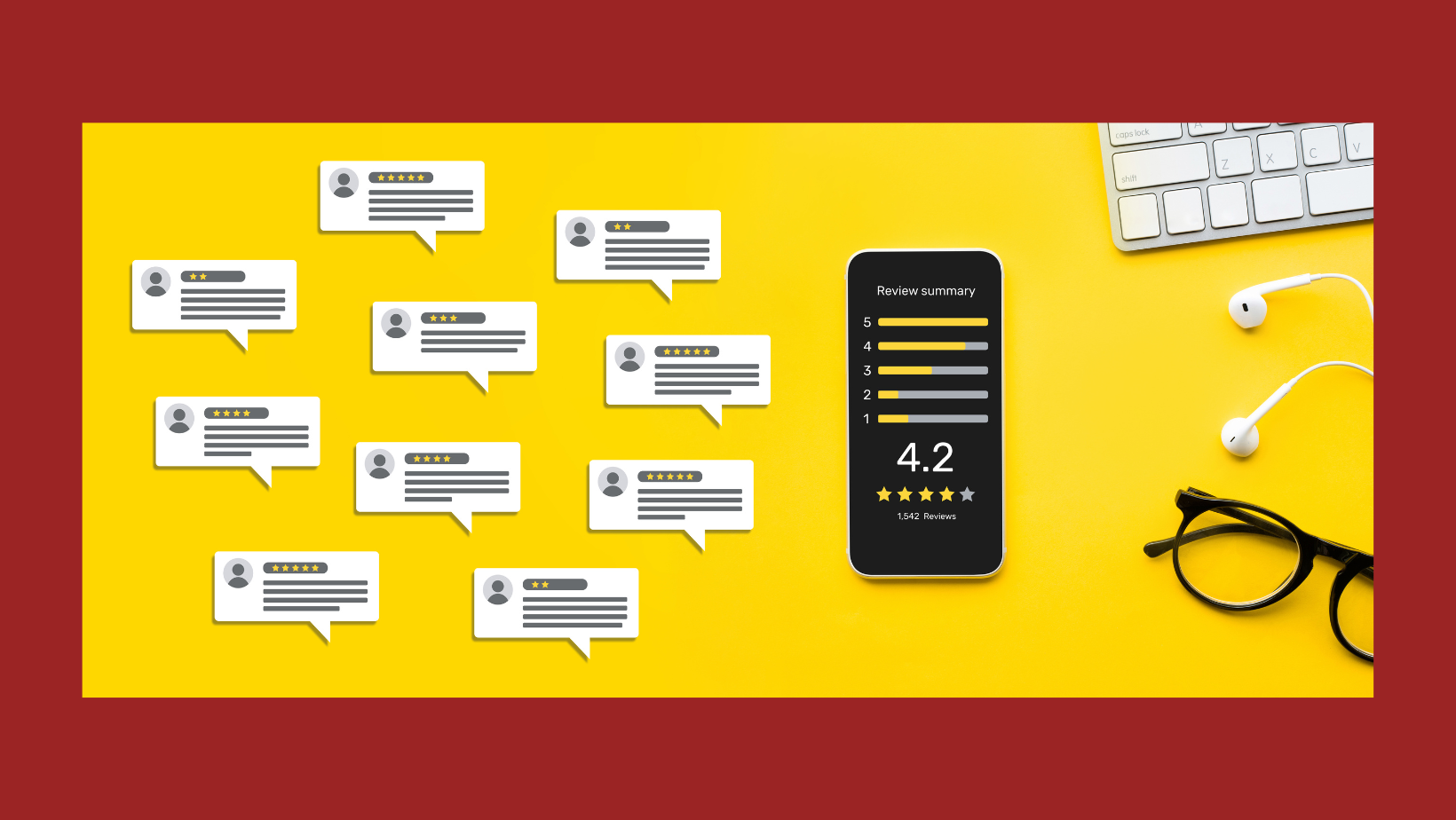
Consumers are also influenced by others, through reviews. If a product has great reviews, or if a consumer’s friends are raving about how good a product is, they are likely to buy it. But, if their friends are really slating a product, or it gets negative reviews, they probably wouldn’t buy it.  

There are several factors that influence how consumers make their buying choices. In this blog post, I’m going to talk about five of them…

  • Psychological
  • Social
  • Cultural
  • Personal
  • Economic

All these factors can be split down further.

Psychological factors

How someone feels about a particular product when they are presented with it will depend on their state of mind. Their state of mind will determine not just how they feel about the item itself, but also about the brand.

Social factors

Most of us want to be accepted socially, and this can affect buying habits. To be socially accepted, some people will mimic others, including copying what they buy.

Family, friends, work colleagues or other groups will play an important part in the way people see different products or services. These groups all help to influence buying behaviours.

Cultural factors  

Culture is not just defined by a person’s nationality. It can also be defined by who they associate with, religious beliefs or even people living in the same geographical location.

Personal factors

Personal factors include age, occupation, marital status, budget, personal beliefs, values, and morals.

Economic factors

Consumers are affected by the economic condition of a country. This is evident right now with inflation at an all-time high – people can’t afford to buy too many luxuries, as they must concentrate on paying the bills, heating their homes, and putting food on the table.

Economic factors include personal income and how much disposable income is left after everything has been paid each month. It also includes family income – again, what’s left over that the family can enjoy.

Consumer credit is another factor. People have credit cards so can buy goods when they want to. Consumers are more likely to buy luxury and comfort goods if they have access to higher credit, or can pay through a credit card, easy instalments, or bank loan. I’m not saying this is good – it’s just a factor.

The Five stages of the consumer buying process.

Now you understand the factors that influence the buying process, let’s look at the five stages people go through when deciding to buy.

  1. The problem. A consumer notices they have a problem they want to solve. This could be anything from needing to get a new outfit for a special event, to buying a new tap for their sink.
  2. Research – the next stage is to research how to fix their problem. This might be trawling the internet for recommendations, or to look at various sites that sell what they’re after. It might be talking to a friend or family member for their advice.
  3. Find a solution – once they have all the information they need, they can start comparing brands and looking at reviews to help them decide on a solution.
  4. Buy – the consumer makes a decision and decides to spend their money on the solution they’ve chosen.
  5. Review the product – some consumers will leave a review about the product they’ve bought – some won’t. Either way, they will still personally review the product and decide whether they would recommend it to others…and whether they’d buy from that brand again.    

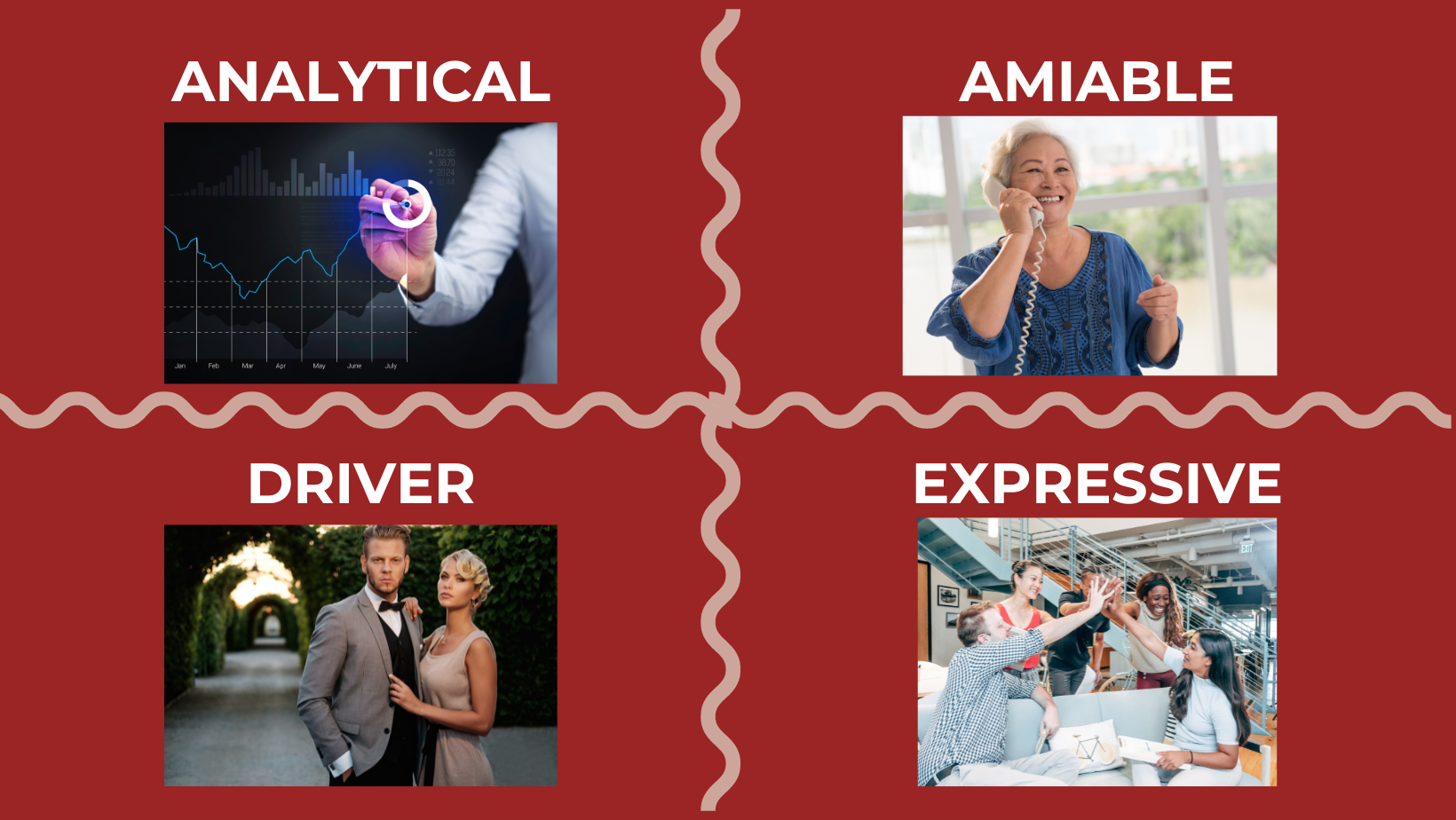
The four types of buyers

It’s also worth knowing about the four different types of buyers, so you can market your products or services accordingly. The four types are different, based on what motivates them to buy.

  1. The analytical buyer – this person is motivated by logic and needs to have lots of information. They want to look at all the data on the different brands and different types of products available before making an informed decision.
  2. The amiable buyer – this person is warm and friendly and just wants everyone to be happy. They can often be stumped by having to make big decisions, especially if there is a perception of a win/lose outcome.
  3. The driver buyer – this type of buyer is really concerned with how others view them, and whether they should follow the trend setters. Drivers are most concerned with their appearance rather than the relationships that are formed during a transaction.
  4. The expressive buyer – this buyer is driven by relationships. They hate the feeling of isolation and don’t like being ignored during a transaction. They like to feel as though they are your most important asset.

Of course, you can’t slot everyone into one of the buyer categories and often consumers will fall into a combination of the buyer types.

Conclusion

As you can see, consumer behaviour is influenced by many things; psychological, social, cultural, personal, and economic.

It’s also worth knowing the buying process and the types of buyers – this can help you figure out how you can reach and influence the people that are most likely to buy your products.

If you’d like to take a more in-depth look at your customers and target market, contact me for a free 30-minute call and we can talk about how to find the right market for your products or services.

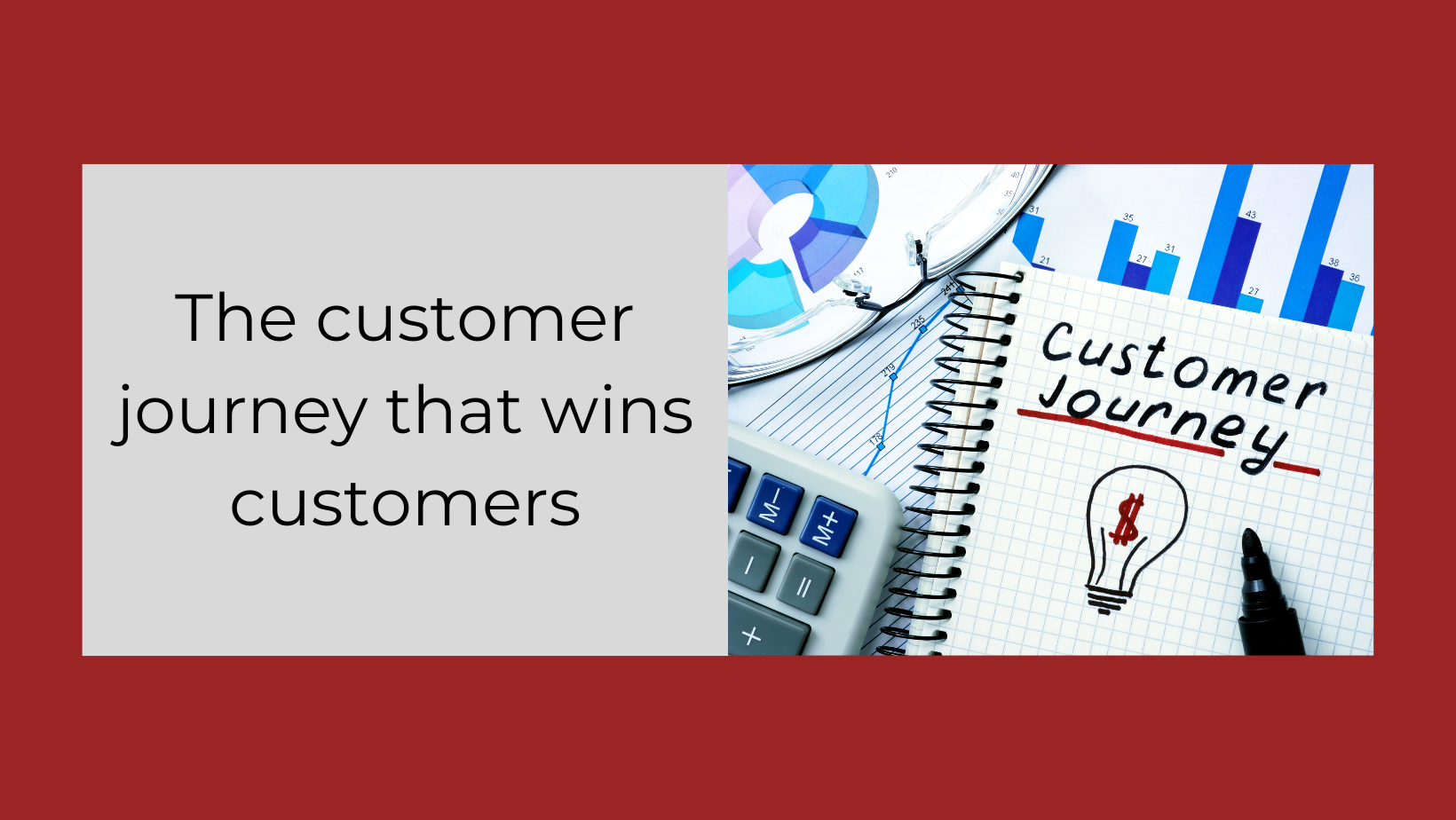
The customer journey that wins customers

It doesn’t matter if you’re a big company, or a small business, we all must think about what our customers want and how we get them from that first stage, where they’ve just heard about your business, to the purchase and advocacy stage.

This is called the customer journey, and by making a journey map, you can plan your customers’ route, ensuring you meet their needs along the way. Does this sound complicated? Are you glazing over? It’s not as complicated as it sounds.

Knowing what your customers want

The first stage starts before your customers even know you exist. This is the part where you do your research to find out what people want and need from a business like yours…and knowing your ideal customer.

Let’s take sports trainers as an example. You could say that your ideal market is everyone, but it’s important to niche down to a narrower market in order for you to be able to target them with your content. So, are you going to concentrate on comfort, or go for pure fashion? Are you going to target younger people or older people? What colours do you want to go for? What style? So, before you can look at the customer journey, you need to know exactly who your customers are. You can do this by looking at your current customers, look at the insights on your social media pages and the analytics from your website.

Build a few buyer personas, so you know what your customers like, what they want and what makes them buy.

Stages of the customer journey

Stage 1 – Awareness

This is where your customers first hear about your business or have their first experience of what you offer. They see this largely through your marketing. It might be they google a product of yours and it appears on a search engine like Google. Google could point them to your website or online shop, it might show them your business profile on Google, or show your social media pages.

They may see a physical flyer, pick up your business card at an event, see an advert in a local magazine, or it might be someone you get talking to, who asks what you do. They also may hear about you through word of mouth from their friends or relatives.

Where and how you market your business will depend on their age and lifestyle, so that’s why knowing your target market is so important. If you are marketing to an older audience, for example, some of your marketing would probably be through Facebook. But if your audience is much younger, you would use as many social media channels as you can, especially TikTok, Instagram and YouTube. The younger generation spend most of their free time online, so that’s where you’re most likely to find them.

Typically, people must be exposed to your business at least eight times before they start to recognise it, so it’s not a quick process.

Stage 2 – Consideration

This is where your potential customers are looking at what you have to offer and are thinking about whether your products or services fit the bill for them. Do you solve a problem they have and are you the person to go with over others they’ve seen?

Basically, are you worth investing in?

Your customer reviews and testimonials are what makes a difference in this stage. They want to see social proof that you’re as good as they’ve heard you are.

This is also where blogs come into their own – articles that potential customers can read that give proof that you know your stuff. The same applies to email newsletters. They may even sign up to your newsletter months before they become a customer.

The other thing that influences potential buyers at this stage is what they can see. Good images of your products, with good descriptions, telling them the benefits of your products – how they help, what they do and how potential customers can’t live without it! How will your product or service make their lives better?

So, good images and video on your website, online shop and social media are crucial.

Stage 3 –   Purchase

They’ve liked what they’ve seen, are convinced you are the right person to buy from and they go to your website or online shop to buy.

At this stage, it’s vital that your website or shop is easy to navigate, that it’s easy to pay for what they want, and everything is crystal clear as to what they can expect from you.

If they ask questions at this stage, getting a timely answer is an absolute must. Customer service is also an important part of the customer experience and their journey and can make the difference between getting that actual purchase or them going away and never returning.

Stage 4 – Service

Service is about going that extra mile for your customers. That age-old adage that says the customer is always right must come into play here, whether you agree or not. If your customer service hits the mark, you won’t go far wrong.

Things like a quick and efficient delivery service, securely and nicely packaged. You can’t always control the postal service and delivery times, but so long as you get an order out quickly and stay connected with your customer, this will go a long way to enhancing their customer experience.

If something does go wrong, don’t try, and hide it – be up front with your customer and admit to any mistakes and take immediate steps to rectify it. This is where communication is key – replying to emails, replying to complaints quickly, trying to resolve any issues to keep things running smoothly.

Similarly, if you have customers who are happy and tell you they are happy with your service, reply to them too and thank them for their comments. Always reply to every comment on your social media posts, every email you receive and reply to any message you get on social media. If you come across as genuine and friendly, and as a business who really cares and values its customers, things will go well.

Stage 5 – Loyalty

Loyalty is as it suggests – encouraging customers to be loyal to your brand and business. It’s about encouraging them to come back for more.

Gaining new customers is something we all aspire to, but retaining your existing customers is also crucial to the success of your business. So how do you keep that loyalty?

Send thank you cards with their order and maybe offer a small discount for their next order or add in a little small gift.

Introduce a loyalty scheme, with a card, so each time they buy from you, they get points. When they reach a certain number of points or have bought from you a certain number of times, they get a free gift, or a voucher valued at a certain amount that they can spend on your products or services.

Don’t ignore your customers once they have the product they’ve ordered. Leave it a couple of weeks, then message them to ask how they’re getting on with your product and how it’s working for them. Don’t be afraid to ask for a review.

Quite naturally, we don’t always think to leave a review if we’re happy with something – people typically only think about reviews if they have a bad experience. Sometimes a little prompt is all they need to leave a review on your social media page or website.

Invite them to follow you on social media, read your blogs or sign up to your newsletter.

Stage 6 – Advocacy

Advocacy – where the customer becomes your fan and tells everyone about how wonderful your products and services are. They use their experience with you and your business to shape other potential customers’ opinions. They might comment on your posts or share posts on social media.

They might talk about this amazing product they’ve bought from you to their friends and family, or they might give great stories about how your service is one of the best they’ve come across.

How customers behave at this advocacy stage is dependent on how they were treated in the other stages. Often it’s down to the overall customer experience they had with you, your brand, and your business.

And there you have it – the customer journey in seven steps. If you’d like help with any of these stages, or want help with identifying your target market, so you are hitting the ground running, give me a call or email me. I’m always happy to help.

Shadow Banning on Facebook & Instagram explained

This is a subject that a lot of my followers have been talking about and asking about, so I will try and answer some of your questions. If you have noticed a dramatic drop in your reach or in people commenting, liking, or sharing your posts, you could be subject to this kind of ban.

What is a shadow ban?

A Shadow Ban is something that happens to your posts. It puts your posts into a sort of invisible mode, or a shadow that no one can see apart from you – the person who is banned!

But you won’t have been notified that you’ve been banned, so it’s a bit of a vicious circle. In most instances you’ll be able to still see your own content and will have no idea that no one else can see them.

Why do social media sites do this?

Although very frustrating and annoying for us every day social media users and small businesses, there is a valid reason why Shadow Banning is a thing.

It’s a way to let people who post spam content continue to post without their posts reaching anyone. As they’re not notified, they are unaware, so continue with their spam to no effect. If they were notified they would look for other ways to get around the ban, such as creating a new account and starting the process all over again.

While I understand this and it seems like a good solution to the spamming problem, that doesn’t help us small businesses who rely on social media to promote our products and services.

Shadow Bans can also happen because of a change to the newsfeed algorithm, but the algorithms and how they work are not generally available to the public, so you wouldn’t know if this was the case! I know – not really helpful.   

How to tell if you are the victim of a Shadow Ban

As I’ve already said, the first thing you might notice is that your engagement is at an all-time low.

  • A sudden and dramatic drop from your normal engagement could be a clue, for example, if your posts normally get seen by hundreds or thousands of people, you get 200 comments and hundreds of likes, as well as loads of shares….and suddenly, that drops to much lower levels, you could be Shadow Banned.
  • You might also find that you don’t appear in search results or suggestions on Instagram – and your posts no longer appear in the hashtag groups that you use regularly and normally appear in. If you think your posts are subject to a ban, you can check to see if you’re appearing under your normal hashtags.
  • An obvious sign of a ban is that you are unable to like or reply to the comments on your post, or on other peoples’ posts.
  • On Facebook, you might see a drop in your impression’s figures.  

Facebook and Instagram both say they don’t use Shadow Bans, but even if they don’t refer to it as that, we all know that it exists!

How can you avoid being Shadow Banned?

There are ways to avoid this as much as you possibly can, but you can never guarantee that it won’t happen as algorithms pick up all sorts of stuff that could them be deemed bannable! (if there is such a word!).

OK, let’s look at some ways to avoid it…

  • If you share links from unreputable sources, fake news, sexually suggestive content, or whatever they deem to be inappropriate content, you could be banned.
  • Avoid sharing any misleading information.
  • Avoid using clickbait – where you post specifically to attract attention and to get an answer, users must click on a link. You see these all the time – I’ve clicked on this type of link. Let me give you an example – I’VE MADE £500,000 IN JUST 10 DAYS ON INSTAGRAM – CLICK HERE FOR MY FOOLPROOF SOLUTION! And you know that you’ll be taken to a video that goes on and on and never gets to the point – until the end when you’re asked to subscribe to a course which is only £XXXXX which will give you all the answers. Errrr – NO!
  • The most important thing to remember is to adhere to social media terms and conditions or rules – some call them Terms of Service.
  • Act like a real person and not like a bot. Don’t copy and paste the same content and links over and over again. I have seen some posts where the person posting says the same thing every day – or comments with the same comment every day – this is seen as spam, so could get you banned.
  • If you’re not sure about content and whether it is appropriate, avoid sharing it. If you’re sharing sensitive information, flag it so people can choose whether to read your whole post or not.  
  • Don’t pay for likes and follows. And don’t do follow for follow – this really influences your figures, as most of them will unfollow you within a few days.
  • Don’t steal other peoples’ content – you can get ideas from other’s posts, but them make them your own.
  • Don’t use banned hashtags – you can see a list of banned hashtags here – LINK
  • Don’t overuse hashtags.
  • Don’t follow too many accounts in one go and don’t like or comment on too many posts at once. Do a few, go away and come back and do more later.
  • Be consistent with your posting.
  • Don’t post about anything that is illegal or damning to another business or person.
  • Treat other people with respect and be polite.

How can I fix or remove a Shadow Ban?

First, you’re not going to know for certain that you are the subject of a Shadow Ban, but if you suspect you are, there are a few things you can do.

  • If you know a particular post gave you the ban, delete it.
  • Take a break from that social media account for a couple of days and don’t post, like, or comment on anything. That can help reset the algorithm.
  • Check all the hashtags on your recent posts to see if they are banned. Delete those hashtags on your posts.
  • Check that the scheduling tools or other services or third-party apps you use are legitimate.
  • If it keeps happening to you, you could temporarily deactivate your account for a few days – DON’T delete it – there is a feature to deactivate. However, personally I don’t think this is a good idea, as accounts have been deleted instead of deactivated, so I wouldn’t recommend this.
  • Sometimes a simple log out and log back in again works. This actually worked for me when I wasn’t allowed to comment on posts.  
  • If you think you are Shadow Banned on Instagram, concentrate on just posting reels for a few days. Apparently reels can help your account return to normal. The reason is that reels drive engagement to the Instagram platform, so they won’t want your account not reaching people.  
  • If all else fails you can contact the Help Centre for Instagram or Facebook. Whether you get a prompt reply is another matter, but it’s worth a punt!

At the end of the day, it’s about being patient until your ‘prison sentence’ is over! A Shadow Ban typically lasts for around two weeks.

I am by no means an expert in the field of Shadow Bans and have used information in this article from research I’ve done online. I’ve learnt a few things myself from doing the research, so I hope that this helps explain things and gives some reasons and solutions.  

Please, as always, feel free to message me if you want to chat about your small business or need help with your marketing.

How to plan your Christmas social media strategy

I know that a lot of small businesses have already started their Christmas campaigns on social media, and during any holiday period, especially in the lead up to Christmas social media will be alive with engagement. This is because that’s where consumers find products they want, promotions that give them a discount and ultimately make their purchases.

Having a good social media strategy will drive success in your business up to Christmas, and with 4.8 billion users on social media, promotions during this time is crucial. Having said that, it is a challenge to come up with different ways to catch your audience’s attention, especially with the amount of competition out there.

The steps to creating a successful campaign or strategy.

Depending on the kind of business you have, you may choose different approaches – some may choose humour to spread laughter; others may go for the traditional look, whilst some may turn to nostalgia. No matter which way you want to approach your Christmas campaign, you will want it to feel magical, evoke an emotional or inspirational response so that you build a stronger relationship with your audience and strengthen your brand.

Step 1 – Look at what you did last year.

Look at what you did last year – what worked and what didn’t work? Of course, what worked last year might not work this year, so you need to be aware of your specific audience and customers, so you need to look at what they like and want from you.

What social media platforms worked for you last year? Did you sell more on Facebook or Instagram, or maybe through your website or online shop? A lot of you will also have a TikTok account this year, so that might be another way for you to develop your campaign.

Look at the type of posts you put out last year. What gave you the most engagement…and what posts brought you in orders? 


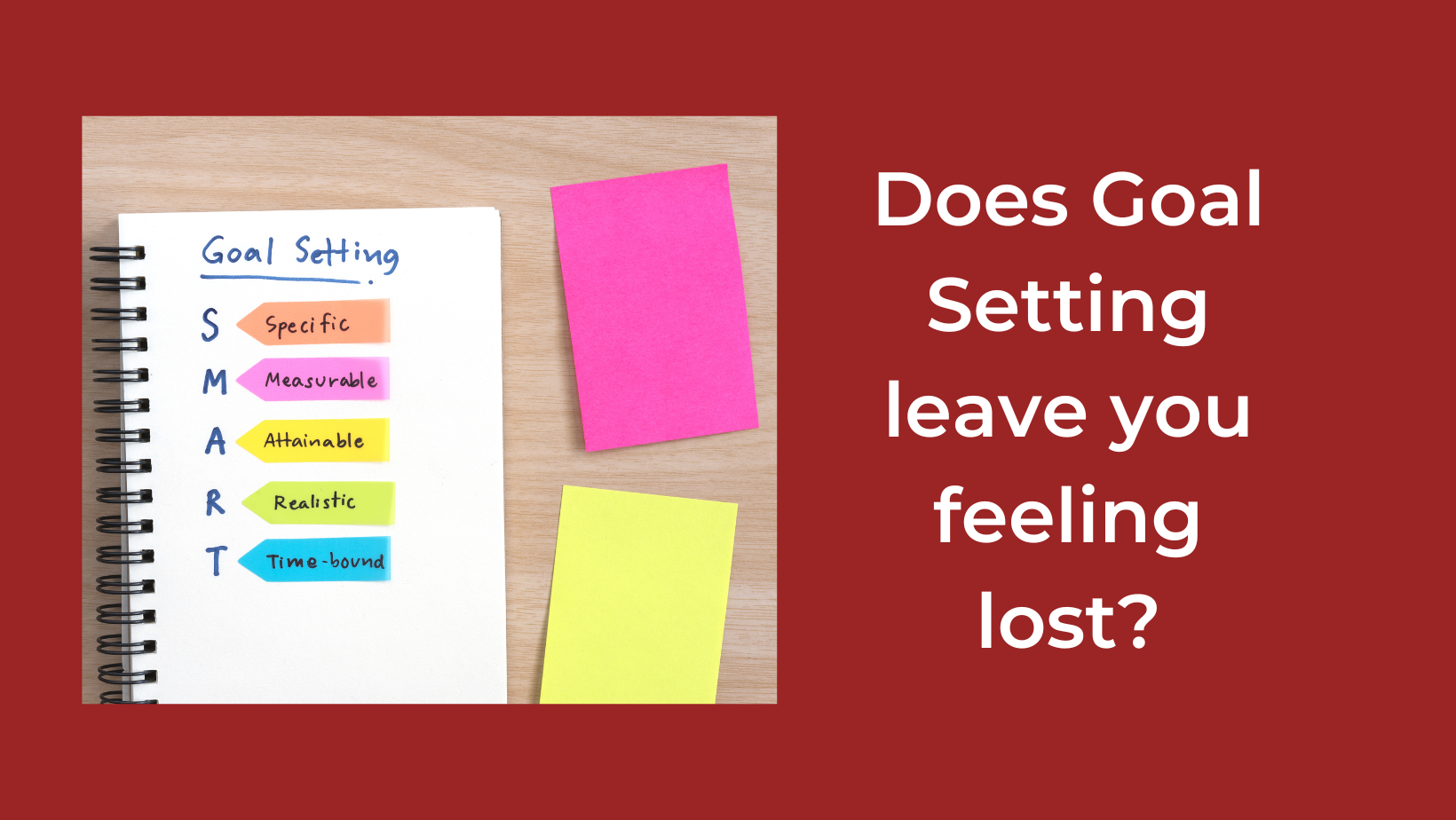
Step 2 – Set SMART goals or objectives.

Set objectives (or goals) and think of a catchy concept. In other words what do you want to achieve through your Christmas campaign? Here are some ideas…

  • Increase my sales by xx% in the month of December.
  • Increase sales for a specific product.
  • Get more traffic to my website shop/online shop.
  • Get new customers.

Make sure that you don’t have too many goals – one or two is enough. Make sure each of your goals is SMART… Specific, Measurable, Attainable, Relevant and Timely.

Once you have your goal(s) in place, you can look at your catchy concept – what is going to draw customers and potential customers in? This is about making your social media pages attractive and maybe having a specific hook. Examples of specific concepts could be:

  • You sell candles that you make and decorate with festive designs. As well as this, you could source some plain LED candles (for those who have small children or worry about having lit candles at Christmas with all the decorations) – and decorate them with your festive designs. This opens you up to a whole new market.
  • If you make biscuits, give ideas on how they can be used to create different Christmas themed sweets – maybe a kit so people can paint or create their own designs.
  • You make hanging decorations for Christmas trees – you could include a range of decorations for other events at Christmas, such as ‘Baby’s First Christmas 2023’, ‘First Christmas in our new home 2023’, ‘Happy Christmas Birthday’ or ‘First Married Christmas’. You could offer further personalisation on these such as names or date/year.

You just need to put your thinking cap on and try and come up with a unique idea.

Step 3 – Understand your audience.

This might seem really obvious, but take a moment to think about your customers and followers – who are you aiming your Christmas social media posts at? To reach your goals, you need to understand what your audience wants, what they like and don’t like…and when they are active on social media, so you are posting at the optimum time to tempt them in.

For example, your audience might prefer videos of your products instead of images. You might get more sales from a ‘live’ event showing your audience your products or a small range of them.

This harkens back to looking at what worked last year – try out the type of post that was most successful last year and see what happens. It’s worth trying a range of posts to see which ones work for your particular audience.

As part of understanding your audience you also need to create engaging captions. Your posts need to be visually appealing, with captions that you’re your audience in so that your posts lead to great engagement and convert to leads or sales. You know your audience best, so write for your specific audience – looking at previous posts and what was the most popular (from your insights) will help you understand what your audience best reacts to. 

Step 4 – Create a content calendar.

To me, this is one of the most important aspects of your campaign. Once you know the kind of messages you need to create, know what your goals are and who your audience are, you need to decide which social media platforms you’re going to use. For me, that’s simple as I only really use Facebook and Instagram.

Now you can create your calendar – you can do this online or on paper. I always plan mine out on paper. Start by writing down each day – from where you want to start your campaign to Christmas Day (or beyond if you’re planning on a post-Christmas sale.

Then decide what you will be posting each day, including the content, the images you’ll use and post type (whether it be single post, multiple images, carousel, reel, ‘live’ video or recorded video etc). Then jot a couple of notes next to it about the caption and don’t forget a list of at least 5 hashtags per post.

Step 5 – Create your posts.   

Once you have your content calendar or plan, you can start creating your posts. If you’re going to video once a week, film them all in one go, with outfit changes.

Batch create posts using a tool such as Canva.

You don’t have to make them all at once for the whole month – I usually make mine a week in advance.

Then schedule your posts. These will form the bulk of your campaign, and once scheduled you can concentrate on replying to comments, sorting out orders and postage. There will always be time to react to something or add further posts is you want to but get your main post ideas ready.

Step 6 – Adjust your branding. 

Make sure your posts are all themed for Christmas – redo your Facebook cover to show a festive theme, or maybe create 4-5 new Facebook covers showcasing different products or any offers you have on – and change your Facebook cover every week in December. 

Some people also adapt their logos for Christmas too.

Don’t just use your social media to get your products/services out there. Make your email or newsletter festive and if you have a blog, you could write about a specific process you use in making your products or just highlight a couple of your products each week (making your blog look Christmassy) and telling your audience about the benefits of your products/services.

Conclusion

Christmas is one of the most busy and intensive times of year for small businesses and their marketing. Competition is fierce, so you need to think of new and innovative ways to stand out from your competition.

By planning ahead, you are going to be in the best position to reach your goals and make your sales. You’ll feel better being organised and knowing what you’re going to concentrate on selling each week – and you’ll know what posts you need to have to encourage those sales. Having your social media posts planned and even some of them done, means you don’t have to quickly react or be sitting at your desk or with your device in hand trying to think what the hell do I post today?

For a list of ideas for fun and engaging Christmas posts, sign up to my newsletter. You will receive 102 general social media post ideas to start with – and in my next email, which goes out at the end of the October, you will receive a list of fun and engaging Christmas post ideas. Click on the link below to sign up!     

15 Key Customer Service Skills

We all know that excellent customer service is good for your business, whether you’re a huge corporate, or a small business. No matter what you do, your customers are what makes your business work, so it’s crucial to look after them and make them feel valued.

According to Dimensional Research, 52% of consumers say that they have made an additional purchase from a company after a positive customer service experience. And that 90% of customers are influenced by positive reviews when buying a product.

So, what key customer service skills do you need to possess to make your business stand out?

Patience

They say that ‘Patience is a virtue’ and I’m a firm believer in this. It isn’t the easiest of skills to master, but patience will help you and your customer. It’s very important to hear what your customers have to say; they might be frustrated about something, or just simply confused. They might ask totally irrelevant questions, but it is absolutely crucial to keep calm, hear them out and then try and work through their issues together.

Active listening

Active listening is closely linked to patience. Don’t just hear what your customers are saying – listen carefully and, if necessary, repeat back to them what they’ve just said to you. This demonstrates that you’re listening and understand what they want or what issue they have.

Respect

Hand in hand with patience and active listening is respect. This might seem obvious, but important to remember. Respect is about treating your customers as you would like to be treated. You’d want the person on the end of the phone or email to solve your problem, be polite and actually do something. You can show respect by:

  • Using their name
  • Don’t interrupt them when they’re speaking
  • If you are face to face, look at them when they’re speaking.
  • If you’re on the phone, don’t be checking emails or scrolling your phone, give them your full attention and SMILE! It really does come over the air waves!
  • Wait until they have finished talking or telling you their problem before responding – then summarise what they’ve said and offer a solution.
  • If you can’t offer an immediate solution or alternative, tell them that you will investigate and get back to them.
  • Get back to them in a timely manner – when you said you would!

Self-Control

You are going to get a range of customers calling your business. Some will be happy and calm, will speak in a low voice. Some will be excitable and speak loudly and quickly; and inevitably, you will get the angry customer who shouts and yells, using harsh words – maybe even using expletives to insult you or your business personally.

This is the time to exercise self-control. This is not an easy skill to master, but it’s absolutely vital, especially with the shouting and yelling customer!  Don’t interrupt or tell them you’re not prepared to listen to them – they might just want to be heard and the only way they know how is to shout. Even though they are shouting, try to listen to the actual problem they have encountered. When they have finished, take a couple of deep breaths and then respond. Apologise if necessary and ask them how you can resolve their problem – ascertain what they want. Tell them that you understand their issue and repeat it back to them. Then, in a calm voice, try and discuss a solution that is good for them and for you and your business. You might have to offer an alternative product or service. They might want a refund or replacement. Whatever it is, there is usually a solution to be found, by talking it through with them.

Genuine concern

It’s well-known that showing genuine concern for your customers’ well-being is one of the most important good customer service skills. Concern for your customer is linked to being concerned for the reputation of your business. If you are not concerned about the success of your business and your businesses reputation, you’re not going to be very concerned about the happiness of your customers. They are inextricably linked.

Use positive language. Language and how you say something to a customer plays a big role in delivering excellent customer service. For example, if a customer contacts you to ask about ordering a particular product, but you don’t have any in stock

Negative response – That product isn’t in stock, so unavailable at the moment.

Positive response – We will be restocking that product next week, so I’ll contact you as soon as it’s available.

It’s a very subtle change in language, but makes all the difference to a customer.

Be flexible

It’s important to be flexible when dealing with customers. You may have a policy that says you don’t give away a free product or service, or you don’t do refunds. But there are times when this will be necessary to resolve an issue. If you find you have to bend the rules from time to time to keep your customers happy, it’s not a failure on your part. It can turn an unhappy customer into a future loyal customer – one who tells their friends and family how great you are and how you solved their problem, so worth keeping that in mind.

Communication Skills

This goes without saying really, but thought I’d add this into the mix. Communication is more than the words that you use – it also involves body language, facial expressions and tone of voice, to name a few. These can be very important when dealing with a customer who is not happy. 

  • Keep your body relaxed
  • Show genuine concern on your face
  • Keep your voice calm and neutral
  • Use positive language – words such as can, will, help and resolve are great words to use to help diffuse a situation.

Time Management Skills

It’s always important to be aware of the time you are spending with a customer. If you are finding that a particular customer is just too demanding, or you find you can’t resolve their problem, you need to recognise your limitations. It might be that they are not a good fit for you and your business. There is no shame in admitting this and referring them to someone who will be a better fit. This will save you both time and money in the long run. And that customer will respect you for solving their problem by referring them to someone who can help them.

Handling the unexpected

No matter how long you’ve been in business, there will at times be an element of surprise. At some point, you will face an unexpected situation, so always worth thinking about this so you have a plan.

Now, I have no idea what you might face with your business, but it’s worth knowing what you’ll do if you are faced with something you don’t know how to handle. I would ask the customer for a contact name and number, then make sure I completely understand the situation and tell them that I’ll come back to them. I always give them a specific time – even if I say, ‘I’ll ring you between 10 and 12 tomorrow morning’. This gives them confidence that you’ll look into their issue and gives you time to think about it and work out how you can solve it.

Just ensure that you do get back to them at the time you said you would. If you haven’t been able to get them an answer by that time, still ring them. Be honest and say that you are working on the problem, but it’s taking longer than you expected and give them a new time that you’ll ring to let them know the answer.

Responsibility

Responsibility links in with the element of surprise. If you take responsibility for the problem, your customer will respect and trust you in future. Get involved, be honest with them and stay with the problem until you resolve it.

Persuasion Skills

You will have customers who will be happy with the solution you offer. And there will, inevitably, be some that won’t. This is where persuasive techniques come in. Sometimes, a customer will want to know more about a product or service in more detail before buying. Persuasive skills will be giving them more details and turning that into why the product or service is suitable for them (if it is of course). This will obviously be beneficial to your business too.

You might need to use your persuasive abilities to illustrate exactly why the solution you offer is the best for them. You many need to offer an alternative offer – or try to explain in a different way. 

Improves your brand image

Your company brand is linked to your reputation. Part of earning that reputation with your customers is by doing things well, no matter how hard they might be.

Customer service sets the tone for your whole brand. First impressions really count and a helpful attitude assists in shaping that first impression. Everyone likes to have a positive customer experience and friendly, honest customer service. A good communications strategy will help you and your business to be seen as caring and one that really values its customers and their opinions. It should cover everything from how to talk to your customers and how that aligns with your brand and business strategy.

Feedback

Never underestimate the power of your customers. Customer servicing calls can give you valuable feedback about your business. Don’t be afraid to ask for it. For example, if you are made aware of an issue, you can ask for your customers’ opinions, through feedback surveys, social media and emails. These tools can serve two purposes; gathering feedback about a potential solution and getting you positive reviews and feedback that you can use to promote your business.  

Asking for opinions makes customers feel valued and can help improve your customer retention. If you use their opinions and suggestions, they will become brand advocates.

Measuring customer satisfaction, through the use of surveys, social media polls etc., help you keep an eye on your customers’ overall experience with your business and brand. You can often deal with a potential problem before it becomes an issue.    

Ability to close

I don’t mean closing a sale here. I’m talking about ending a conversation with a customer. Sometimes a customer just wants to chat and can go completely off subject. You need to be able to steer the conversation back to the point. Only end your conversation after you have solved the problem, or told them that you’ll find a solution and get back to them.

Put yourself in your customers’ shoes and treat their problem as yours. The customer needs to be aware that you care, value their opinion and they need to be confident that you will deal with whatever they throw at you.

Conclusion

It is well-known that customers are more loyal to those businesses that show transparency in everything they do. And they don’t mind paying a bit more if they are confident in your business and its transparency.

Excellent customer service promotes trust and loyalty; customers are more likely to try other products or services that you offer and they are more likely to recommend your business to their friends and family.

Follow my blog for weekly marketing articles aimed at the small business.