
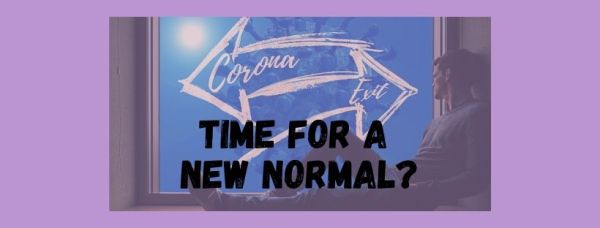
Getting your business back on track after Covid 19
Since the Covid 19 pandemic, many small businesses have been in lockdown. Some will still have managed to keep afloat with help from the government or savings; some will have been able to carry on their work from home; some online businesses may not have been affected at all. But the truth is, no matter how big or small our businesses are, just the fact that we’ve been in lockdown and subjected to a constant bombardment of negative news, is bound to have had affected us all one way or another.
It’s looking like over the coming weeks and months, things will very slowly start to return to some kind of normal…but will it be the normal we know? The normal we’re used to? How are we going to get ourselves and our businesses back on track?
One thing that I think this pandemic has taught all of us in business is that we need to be flexible and ready for change, so it might be worth recording everything you’ve learned, and continue to learn during this crisis, so you can have a contingency plan in place to help you through the next few months. I hear you… how do you do that? Where do you even start?
It might be that your business has to take a different direction, maybe look at new services or products that are relevant to your customers now… and beyond the pandemic. It’s really important to keep in touch with your existing customers…have you thought about giving them a ring to see how they are? Or sending them an email or online message? As well as asking if they and their families are OK, you can ask for their input…ask them how you can help them in the near future. Their needs and wants may have changed and they might want something different from you.
Communication with customers is going to be crucial as you move your business forward, so having their input and opinions will help…and to a certain extent, the experiences they have encountered with the pandemic. There may be new problems that your products or services can solve that you hadn’t thought of before. Or there may be something new that you can develop as a result of your customer feedback.
Can creativity emerge out of lockdown and through all the chaos we’ve witnessed, will you see growth? Some businesses have changed tack, for example, restaurants and cafes have had to adapt or close; some of them have chosen to offer a takeaway service, so they’re still earning something; some are offering a home delivery service; they’re still serving their customers and keeping themselves out there. Is there anything you can do with your business to keep yourselves in the forefront of your customer’s minds?
My customers don’t have money to spend
For many small businesses, lockdown has meant a steep decline in sales of products and less use of services, so income and profits are taking a massive hit. Is it possible during this time to start looking at new sales channels?

If you sell products, could you expand to creating an e-store, such as Etsy or Ebay? People are bored and online all the time and figures have shown that they are still choosing to buy online. If you’re not online, they can’t find you…it’s that age old, you’ve got to be in it to win it situation.
Do you have a website? It’s fairly easy to set up a straight forward website to show your products and you can just add a PayPal button if you don’t want to set up a full online website store.
If you have a website already, have you thought about starting a blog to talk to your customers about your products and the problems they solve? This isn’t about making a hard sell, but more about giving your customers and potential customers information about what you sell. You could also add an opt-in on your website so people can sign up for a monthly newsletter, where once again, you can show how your products or services can benefit them.
And of course, social media has billions of subscribers every hour of every day, from all over the world. Post regularly to get your business name known and help you stand out from the crowd. Go ‘live’ and talk to your customers, even if only for 30 seconds, or make a short one minute video about your products or services. Video gives customers the chance to see you in the flesh; they feel like they are interacting with you and you are being invited into their homes. Just be you, let your personality shine through and just talk. I know this is hard and something I know I need to do myself, but I hate myself on camera! I’m sure there are many people who feel the same, but I know we’ve got to get ourselves out there and video is the way to go! If you get to like it, you could set up your own YouTube channel.
If you hate being in front of the camera, how about a podcast? This is a fast growing market and you just have to talk, not be on camera. It’s just an audio recording to keep in touch with your customers and find new ones.
Once you have created new sales channels, don’t forget to shout about it on your social media sites, email your customers and make sure you are marketing what you’ve done.
It’s never too late
It’s never too late to prepare, never too late to do something about your business. Governments have generally been quite good in offering aid to small businesses, so take advantage of that.
If you belong to social media groups for your type of business, ask questions about what others are doing – don’t be afraid to ask for advice.

You might be able to start up a conversation or thread to brainstorm positive or strategic ideas. Or, if you have employees, why not ask them for ideas for the business that are different to what you currently offer. Draft in family members on Facetime or video chat – ask them for advice and ideas – family like to feel involved and they might come up with some really creative ideas.
Whatever it is that you decide to do and whichever direction you decide to take, it’s important to keep moving and keep on, keeping on! Doing something…anything, is better than doing nothing at all.
How you react to this crisis and how others see you react will define you and your business in future. They will see that you are resilient, even if you aren’t able to run your business as normal.
Please feel free to share your ideas in the comments below – I’d love to see what innovative ideas you’ve come up with!
















 the title tags and meta descriptions help the search engine understand the content of that page and the title tag and meta description is what is shown in blue link in the search results.
 Every page on your website needs a unique title tag – avoid duplication
 As a general rule, you would use Categories to group the content on your website or blog into eight to ten segments. For example on my blog, some of the categories are Marketing, Small business tips, SEO, Customer Service.
 A URL is your web address, for example,
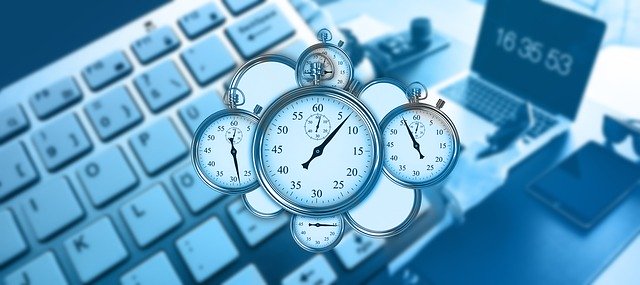
 These are tasks that take longer than you thought they would, or tasks that have a high risk of procrastination or distraction. Once you can identify these, you can allocate a set amount of time to doing them each day, so you concentrate on just that task and get it done – with a time constraint, there is less chance of being distracted or of taking too long to do it. Tasks could include email, phone calls, meetings and breaks – they are not productive, so give them a limit.
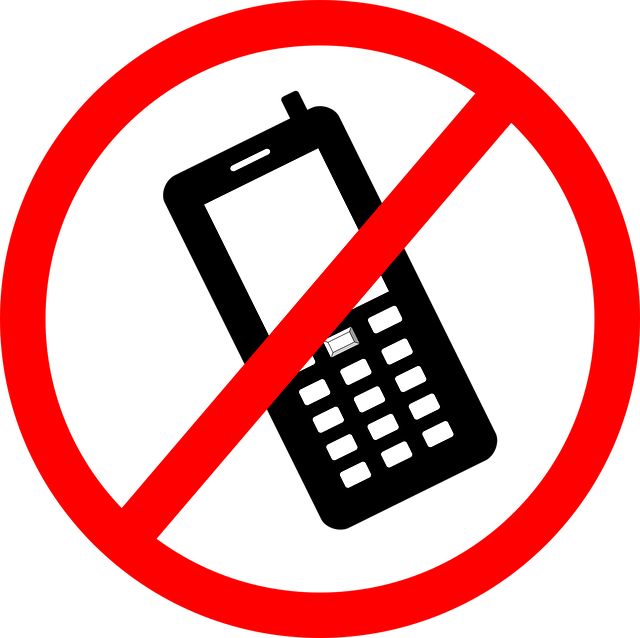 giving any one task your full attention. This can lead to having to revisit tasks as you forgot to do something or made a careless error. In turn, this ends up wasting you more time having to revisit. Turn off email and your phone so you can’t receive messages and emails whilst you’re focusing on a particular task. And put your phone onto answer phone with a message that says you’re busy right now but leave a message and you’ll get back to them within a certain amount of time – could be an hour or just half an hour – whilst you concentrate on getting an important task finished.
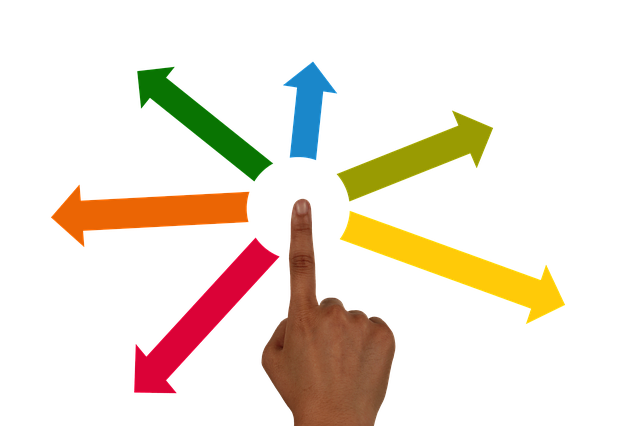 you time to focus on the important stuff. Hire someone to either do the mundane stuff that you really don’t have time for, or for the more complicated things that you don’t know how to do, or that you know will take you too long as you’re not experienced in that area. You can also delegate or outsource tasks you absolutely hate doing. There is nothing wrong in delegating or outsourcing; it simply gives you more time to do the things you enjoy or that need to have your undivided attention.
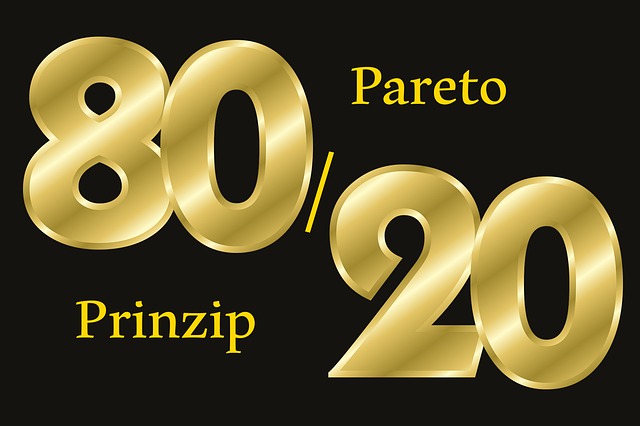 The US President Dwight Eisenhower once said, “What is important is seldom urgent and what is urgent is seldom important.” This is where the 80/20 rule (or Pareto principle) can help…80% of results come from 20% of effort, so it’s important to look at your list of tasks and decide what is actually important and just requires a bit of attention. Spend most of your time on the critical 20% and less on the rest…even if it does seem urgent.
 after a tomato shaped timer (pomodoro is Italian for tomato). You set the timer for 25 minutes, work solidly until the timer sounds, then give yourself a 5 minute break before going back to do another task for 25 minutes. This is a great technique if you struggle with focusing on a task or structuring your time. This is a great method to use if you want to ensure you only devote a certain amount of time to one task or if you have trouble focussing.
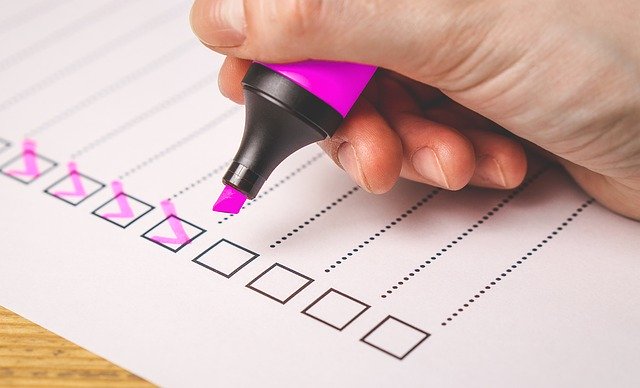 hours a week to plan what you will achieve the following week – set yourself achievable goals by writing a ‘to do’ list – It’s such a good feeling to tick off the items on the list and to feel you have achieved something. And, make sure that your goals are



 Data Controller – the person who decides how and why personal data is collected. This is usually the business owner, as in my case. This person must ensure that the business is compliant, including transparency, data storage, data confidentiality and accuracy of data collected and stored. The Data Controller is also responsible for reporting to the Information Commissioner’s Office (ICO) if a data breach occurs or if data is lost or stolen from your business..or report to CNIL if you are in France.
 what personal information you want to collect and why, and how it will be used. The individual must agree and if they don’t, you must not collect and store their data under any circumstances. This includes conditional data collection, such as where you offer a freebie on your website to get people to sign up to your newsletter and then use that data for marketing your products or services.
 For us small businesses, you need to have a policy that states how long you will keep a customer’s data if they are not continuously engaging with your business. For example you could say that any data you hold will be deleted after 12 months, if that customer has not engaged with your business during that 12 month period.
 and email address, to any references made to them in email messages, websites, electronic notes etc. If you’re a small business, this won’t be too difficult, but for huge businesses, it would be very time consuming to go through hundreds of documents and data entries. That’s why it’s so important to know what you hold on your customers and where. If a customer makes a SAR, you have 30 days to comply, so good to have a plan in place.
 The Write Way