

Do you have a website or blog? If you do, you’re likely to have an ‘About me’ page. If you sell products or services, it’s an important page as it is likely to be your most popular page.
Why?
It’s where new visitors to your site go first to find out about you and what you can offer – what you can do for them. So, it needs to be relevant and grab their attention.
Click on your page now with the eyes of someone looking at your site for the first time…does it immediately ‘grab’ you and make you want to read more? If it does…fabulous!
If it doesn’t, read on…
About me page essentials
The purpose of this page is so people can get to know you, but it’s not good enough to just throw together a quick biography, upload a blurry photo from your phone and hope that works.
Let’s face it, not many people out there like writing about themselves, it’s an uncomfortable experience. But if you have a formula to work from, with a structure that works, you can capture the absolute essence of what you do. You can give your readers the opportunity to get to know you, trust you and see exactly what you can offer them.

I’m going to share that formula with you, so you can ace your ‘about me’ page and stand out from the crowd.
-
WHAT VALUE DO PEOPLE GET BY READING YOUR PAGE?
The most important part of your page is letting your readers know what value your business gives them. After all, they’ve come to your page because they’re interested in your products or services. They didn’t come to your page to find out how many pets you have or what hobbies you do (although that has its place…just not the first thing you share!)
Make it very clear who your blog is aimed at (your target audience) and how you can help them. -
WHO IS YOUR SITE AIMED AT?
This is where you really need to know your customers and your ideal customers. If you are writing for your customers, they will instantly relate to you and your business – they will recognise that this content is for them, about them and will help them. They will then read on.
-
WHAT IS THE PURPOSE OF YOUR SITE?

Or in other words, your site’s biography. You’ve already got your reader’s attention, they know how your site is going to benefit them. Now give them a bit more information – your personal biography comes later!
>Include information on why readers should care about what you have to say. There are so many websites out there who offer you help for your business, when really, they’re after you paying them shed loads of money for something that probably won’t help them. Show your readers that you mean business, you are genuine. Do you have any recommendations from current customers that say exactly how you’ve helped them? Include one here. This will help you build credibility for what you do.
>What will your readers get from your posts? Is it financial advice/beauty advice/business advice – you get the picture? It’s about telling them what they can expect from your posts.
>What do you write about? Keep this short and sweet and to the point and don’t waffle.
>Is your blog reliable, credible and believable? You need to know your niche very well and be able to answer any questions people may have…and if you can’t, you find out and get back to them. If you’ve written for big well-known sites you can add this here. You can also say how long you’ve been writing for or where you got your experience in your subject. If you’re still learning, you can also say that and say that you will share things as you learn about them. This is where you tell the story of your blog or website – how did your site get started? What inspired you to write your blog? Where did your passion for your subject come from? This is a good sized paragraph, but try and keep it concise and don’t waffle! -
YOUR PERSONAL BIOGRAPHY
Now it’s time to talk about yourself. BUT, keep it relevant to your blog or business. How did you get where you are today? How does your business fit into your life? What inspires you to keep going? Why do you love your business so much?
Of course, it’s important that you come across as a real person, with a life outside of work, so it’s also OK to include some personal things…if you have a passion for your pets, you run marathons, you love the cinema and films etc. You can connect with your audience on a human level by sharing a few titbits of information about yourself, such as the town and country you live in…anything that shouts ‘YOU’. But just don’t fill the whole page with it! -
CALL TO ACTION
This is the bit most people forget about…a call to action or CTA. It is what it says on the tin – you are telling your readers what to do next…what action they need to take. You might ask them to follow you on Facebook, Twitter, Instagram or other social media sites. You could ask them to subscribe to your newsletter.
 The CTA is really important as it’s your opportunity to get your reader to stay in touch with you, stick around, and come back to your site again. So you need to give them a reason to do this. Asking them to subscribe to something ensures that you can keep in touch with them. If you send out a newsletter, this is a great way to let them know about your business on a regular basis, tell them about new blogs, new products or services, special offers etc. etc. But please don’t do what a lot of people do and bug your readers with emails two or three times a day. When I subscribe to a website, I’ll soon unsubscribe if they bombard my inbox with the same email over and over again. I don’t mind having an email trying to sell me a course that is relevant to me, of course I don’t, but to have the same course being pushed day after day, with just slightly different wording, really irritates me. Maybe an email once a week for the first few weeks, then I’m happy with once a month. I find that if I get something once a month, I’m more likely to read it and click on any links. If someone bombards me every day, they become wallpaper and I end up just deleting them without even reading them.
Your CTA can be put anywhere in your blog/website ‘about me’ page. It’s obviously good to put it at the end, but you could also put a CTA at the beginning or halfway through if you have something that could help your reader. For example, if you’re talking about what you can offer and you have an information sheet, clothes pattern, beauty tips pdf, you could put a box with ‘CLICK HERE’ to receive XXX or ‘SIGN UP TO RECEIVE YOUR XXXX’.
-
A HIGH RESOLUTION PHOTO OF YOURSELF
There aren’t many of us who actually enjoy having our photos taken, but it’s very important that your readers know who you are, what you look like – they can then more easily relate to you…so make sure you are smiling!
HOW YOU CAN BE CONTACTED
You don’t necessarily have to add this to the page, but make sure you have your contact details in a prominent place on the page – telephone number and email address. Alternatively, add a link in your CTA, to your contact page.
FINALLY, re-visit your ‘about me’ page every now and again and update it – give it a bit more pizazz!
I’m off to have another look at mine now!
 My last blog post talked about how to get more ‘likes’ on Facebook, so this is a follow-up with information on the different types of posts you can use to engage your audience.
 Ask a question…this doesn’t have to be linked to your business. People like to talk about themselves and this is a good way to get a conversation going in your Facebook post…just be careful that the question you ask isn’t too controversial!
 Something personal (make it interesting)
 the day, so are checking their Facebook before they go to work and then again, once they’re home, had dinner and relaxing in front of the TV.
 quiet after the Christmas period and January seems to go on forever…or is that just me? It’s a time when we feel lethargic and I always think January feels like a bit of a let-down after the festivities of Christmas and New Year…..a bit like my Chimp friend here on the right!












 If a free ‘gift’ is being offered, such as the cookery cards, they are giving you something to try in the hope that you’ll be impressed, like them and then buy their product. Similarly, if you sign up to a monthly newsletter, it might be that you get some great information, but at some point there will be an opportunity to try a training course, or buy an e-book. Of course, there is no obligation to do this and you’ll still get the information, but it’s a great marketing ploy to plug your business. And the way the CTA is written doesn’t give you time to think – the ‘do it now’ approach with no obligation means you have nothing to lose – it encourages you to respond straight away.
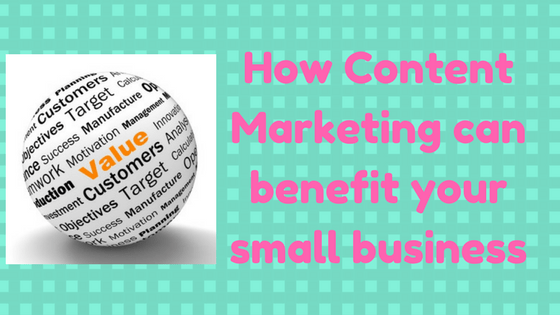
 The key word here is ‘valuable’ content; content that will speak to your customers, content that they want and need, maybe information that solves a problem they have. In order to do this, you need to know your existing customers and research and get to know your prospective customers, so you can deliver that all important content. It may take some time to get it right, but when you do, you will have the opportunity to expand your business, build your reputation and ultimately be known as an expert in your field.
 Depending on what you do, that could lead to a sale or a request for your services…and they are likely to return to your site in future.
 business, they are not in the least bit interested in your brand, no matter how hard you’ve worked on it. They are more interested in what you can do for them. If you provide something that makes their life easier, less stressful, and cost-effective and generally entertain them, they will then become interested in your brand as they will see it as something they relate to.
 When you publish your content on your blog or website, make sure that you promote it on every social media site that you have…with maybe a jig around of the title or introduction. You can also contribute to larger sites to get your name out there.
 We all want our businesses to stand out from the crowd. Although it takes some time and effort, it’s worth it to have a unique identity that is instantly recognisable. Here are a few ideas that can help you along your way to having your own brand identity.
 The first thing to do is to think about a mission statement for your business, which is a short sentence about what your purpose is. We all know Nike’s tagline, ‘Just Do It’ but did you know that their mission statement is ‘To bring inspiration and innovation to every athlete in the world’. So their mission statement encapsulates everything that the company is about and wants to achieve in one short sentence. This is no mean feat, but achievable for your business with a bit of thought. You could always get a few friends round and have a ‘get my mission statement’ party…but make sure you work on the statement before you start drinking…or you could have some very interesting stuff!
 Brand Colours – The colours you choose are more important than you might think – according to research by web design and marketing company, WebPageFX, people make a subconscious judgement about a product in less than 90 seconds of viewing, and a majority of these people base that assessment on colour alone. In fact almost 85% of consumers cite colour as the primary reason they buy a particular product and 80% believe that colour increases brand recognition. Wow! That’s quite powerful.
 Fonts – When looking at your brand for the first time, people will notice the colours and also the font – the way the brand name is written. There are so many different fonts, so try and choose one or two that enhance your business name…for example if you sell vintage jewellery, look at a vintage font.
 Our customers are the lifeblood of our businesses, so it’s crucial to gain new customers and to retain the existing ones. At this time of year, I’m always thinking of ways that I can grow my customer base, so after a brainstorming session, here are some of the ideas I’ve come up with…
 Develop a calendar for your newsletter, planning specific activities that run throughout the year, for example, something around special times of the year; Valentine’s day, Easter, Christmas, Halloween etc. It’s also important to promote your newsletter everywhere; on your website (via an opt-in link or ‘sign up to our newsletter’ page; put it on the bottom of your email signature or on invoices and receipts; include details in any order you send to customers and if you speak to a customer on the phone, ask if they’d like to receive regular updates from you about your products.
 Ask for your customers’ opinions on your products or services. Is there something you could be doing better? Customers like to feel valued and it is good customer service practice to ask a customer what they think, listen to their answer and act upon it. It shows you listen. You could run a short survey and ask opinions – again, give an incentive to reply. You could put something like this at the beginning of the survey in the introduction… “We place a high value on our customers, so we would like to ask you to take five minutes of your time to answer a few questions about the products and services you receive from us. If you complete this survey, you will receive 10% off your next order as a thank you for giving us your opinion.” People like to be asked to help, like to give their opinion and most of all, like to get something in return so they feel that their opinion matters to you.
 How do you ensure you provide good customer service? Well, firstly make sure that there is a clear and easy way for customers to communicate with you – in person, by phone or email and that when they do contact you, you reply in a timely fashion. Always have a positive and friendly outlook and attitude to your customers. Pay particular attention to any customer concerns or complaints. If a customer complaints, they are giving you the opportunity to resolve a problem – if you do this in a fast, effective and friendly manner, they will remember that and refer you to their friends and family. Always remember that the reputation of your business relies heavily on providing excellent customer service.
 Facebook – The top of the pile with an estimated 1.1 billion unique monthly visitors. Facebook is a social networking site that enables people to connect with friends and family, sharing photos, videos and status updates/messages. It can be used for fun or for business. It is estimated that over 1 million small businesses use Facebook and is very popular with small business owners in France.
 YouTube – After Google, YouTube is the largest search engine with an estimated 1 billion unique monthly visitors. It’s where most people go to watch or share video content. It covers every single subject you can think of from popular music videos and films to Joe Bloggs down the street falling off his skateboard! Anyone can post personal videos or share content.
 LinkedIn – This is a social networking site for professionals. With 255 million unique monthly visitors, LinkedIn members post a profile of themselves, very much like an extended CV. Users can promote themselves and their businesses, connect with other businesses and even apply for jobs or ask for work.
 Pinterest – This is a fairly new concept, but with 250 million unique monthly visitors, it is fast becoming popular. It’s an image-based visual platform that allows its visitors to create digital bulletin boards where businesses can pin their content. As more than half of its members are women, it’s a great place for businesses whose target audience is largely female should think about being a part of.
 Google Plus + – Google Plus or Google+ is an interest based social media platform with 120 million unique monthly visitors. You can post photos and status updates on your profile or you can post to specific communities or groups. Specific communities are set up for different subjects so you can post blogs to specific themes. There’s multi-person messaging, text and video chat called Hangouts and you can run events. It’s a very versatile platform.
 Reddit – This is a little different to the other sites – it is still popular, with an estimated 85 million unique monthly visitors, but the content is voted on by the visitors to the site. It is still a social media site, more of a community where posts are identified by topics, such as technology, music, etc. Users submit links and posts that are of value are ‘upvoted’ and those that aren’t are ‘downvoted’. The voting determines where the post sits on the site – however if your post/link hits the front page, it is seen by hundreds of thousands of people – sending a huge percentage of them to the linked website!
 VK – I have to admit to not having heard of this one! VK is short for VKontakte – a social media networking site where members can add friends, gain followers and post photos. However it is a largely aimed at Eastern European visitors, particularly Russian. In fact it is the most popular site in Russia.
 Flickr – This is an imaging and video hosting platform. It is very popular for those wanting to share and embed photographs. With an estimated 65 million users, it is still up there with the best!
 Having an online presence not only puts your business in front of a huge, global audience, it can help you get more sales and enable you to become more ‘real’ to your customers. The internet never takes a nap, gets distracted or falls asleep, so once you have your online presence, your business has the potential to be working for you 24/7. Customers can see your products and services in their own time, whenever they feel like it, so whether they work 9-5 and go online in the evening or whether they are night-shift workers and search for what they want during their break (at three in the morning), they can find you. More importantly, if you sell products and have an online store, a customer can order from you as soon as they feel the urge…they don’t have to wait for a shop to open at 9am, by which time they might have changed their mind. And they don’t have to travel to get what they want – whether you live in their neighbourhood or whether you lives hundreds of miles away, they can still buy from you.
 Using Social Media is the most common way to let people know your business exists and to build your brand. Social Media networks have millions of customers passing through them every single day – some of them will be your new customers. If you run a social media campaign for your business, or publish useful and high quality content on a regular basis, you can slowly, but surely build your online reputation. I don’t mean constantly bombarding people with images of your products with the hard sell, but taking the time to tell your audience what your product or service can do for them. Solve a problem, answer a question, show them that your products or services are worth buying or using and why.
 Once you have decided to go the social media route, you just need to decide which one or two to go for. There are loads to choose from, but here are the top 15 sites, compiled in September 2016 by eBizMBA Rank – a US company.
  customers about a new product. However it is effective for small businesses to use this method to send out a monthly or quarterly newsletter. This can be written in a friendly, chatty way and is a great way to stay connected to your customers. You just need to collect email addresses of new and existing customers and, most importantly, ask them if they would like to receive your newsletter. You MUST have their permission to do this, so good to have a form they can complete online on your website to ask to subscribe. You can then use it to let them know about any special offers or discounts, inform them about new products and generally tell them a bit about your business and how it works. It’s a great way to stay in touch with customers and build customer loyalty.
 The Write Way