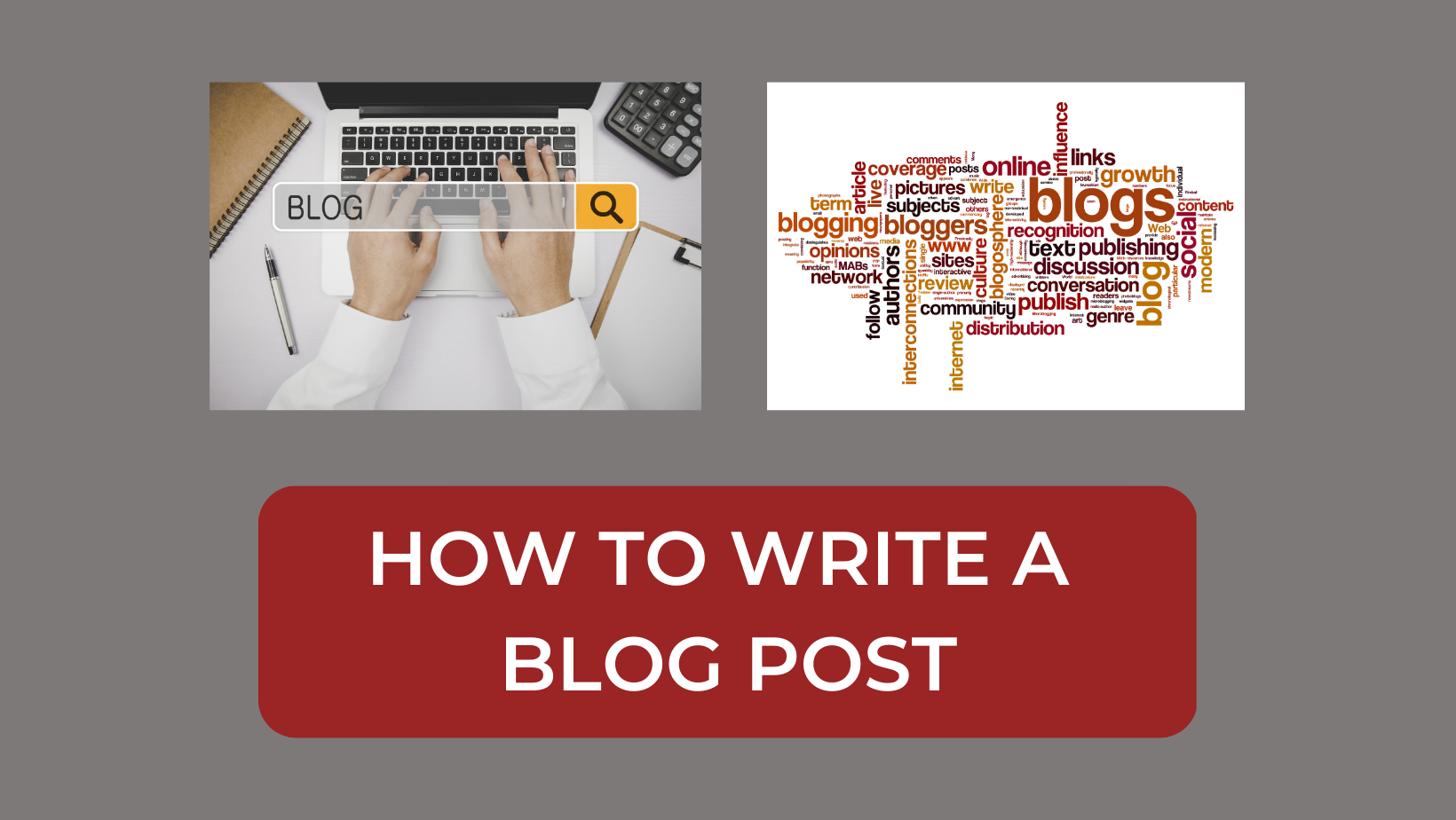
The pros and cons of blogging

There are several pros and cons to having a blog and blogging. I’ve had a blog for about 14 years and have been writing pretty consistently now for about 10 years – it was a bit hit and miss at first.

Why do I blog?

I’m a freelance writer, creating content for businesses, and also a small business marketing coach, so it makes sense to have a blog to give articles that will help educate my audience on how to market their businesses. The information I give is free and I know it has helped lots of people to get on track with their marketing.

I also enjoy writing, so it’s a challenge to find a new subject to write about every week, but I never seem to run out of ideas as my subject matter is vast. My blog also gives potential clients the chance to see that I can write, so they are seeing regular examples of what I can do.

Blogs can be monetised and you can earn from affiliate marketing on your blog, but this is something I don’t choose to do. I see my blog as an extension to my marketing business and the information I share with my clients and audience – I don’t want my blog to become somewhere I’m trying to sell things!

These are my reasons, but what are the more official pros and cons?

The pros of blogging

Blogs are a great source of information and in this digital age, if anyone wants to find out something, they search online first. Blogs can help give the information they need. But let’s get down to the nitty gritty:

  • First of all, starting a blog is easy. I use WordPress and they have several templates to help you when you start. Adding posts is simple and straight-forward and you don’t need to know any HTML or other code to do this.
  • Blogging is a great creative outlet. If you love writing, you can get started immediately and write about any subject you want to. If you love travel, for example, then you could write about all the places you’ve visited, with advice for people who are thinking of going there. If you love food or love cooking, you could start a food blog, giving recipes and adding video to show people how to make something. The possibilities are endless.
  • You don’t have to be an expert – if you’re interested in a certain topic, that’s enough. You can write about what you do know and research the rest. You’ll learn as you go and your writing will improve with every post. The trick is the same as everything else – just get started. Your first blog post won’t necessarily be fabulous, but you’ll grow as you write more and more.
  • A blog is the perfect reason for people to visit your website. Mostly, websites are pretty static and you don’t constantly add or change content. Adding a blog means that your site is constantly being updated, which ensures people come back for more. You can also link to other blog posts that you’ve written in the past from the one you’re doing now – backlinks.
  • Blogging can be good for your business as it can be a way for your business to be found on Google. Generally, people will connect more with other people than with a brand, so your blog helps potential clients out there relate to you. It helps them get to know you.
  • Writing a blog will also set you up as an expert in your field. If you consistently publish blogs that are useful or that people want more of, every time you publish a new blog, you’ll get more followers. People will share the blogs they like and then that opens you up to a whole new audience. The key here is to provide valuable and useful content that people need and want.
  • Blogging is really good for those of you who are more introvert. You can write in private and have your content reach thousands of people. If you don’t have the confidence to speak publicly or do presentations, blogging is the next best thing. And the good thing about a blog is that it is there permanently, so if people want to come back to it to refer to the information you give, they can…any time of the day or night.
  • Once you’ve been blogging for a while, you’ll realise that you are constantly picking up new skills. Blogging is a lot more than just writing. You learn how to use WordPress, for example, and how to build a website; you learn about Search Engine Optimization (SEO); Social Media marketing, as you have to promote your blog; Email marketing; improve your written skills and learn about images and graphics.    
  • You can also use blogging to get into freelance writing. Your blog is your portfolio, which demonstrates you know how to write, source images, do extensive research on a subject etc.
  • Finally you can make money with your blog. If you write about certain products, you can sell them through your blog posts. You can also do affiliate marketing, get an income from Ad revenue or sponsored posts. To make money on your blog, you will need to constantly put in the time and effort to keep it going, but it can be very lucrative.    

Of course, as well as a host of reasons why you should be blogging, there are some cons. It’s always good to know, so you can make up your mind as to whether it’s right for you.

The cons of blogging

  • You need to be very disciplined to stay on top of your blog, especially if you are going to be doing it for a living. I blog once a week as it suits me and is an aid to my business. I don’t use it as an income, but if you intend to, you will need to write much more frequently and consistently. It takes a lot of time, effort and perseverance to be noticed and is a very steep learning curve. If it was easy to do, everyone would be doing it. It does take months, years even, to really get noticed and to have enough content to prove your expertise.
  • Because of the reasons above, time etc., you’re not going to make money overnight. And if you do make money from your blog, it isn’t going to be a regular income – it will fluctuate month on month.
  • Blogging is also a lonely life – you spend hours at your computer and it can be quite and isolating existence. You won’t have the interaction with colleagues face to face like you do in an office, but it does also give you freedom to pop out if you have to. It’s swings and roundabouts!
  • You need to be good with change and be prepared for technical issues. Sometimes servers crash, there are glitches in your website, which you need to sort out. You could have internet problems, so can’t get online. And of course, the algorithms for the various social media channels that you’ll link to, plus algorithm changes on google can impact who sees your blog and who it is shown to. The General Data Protection Regulations (GDPR) that changed back in 2018 had an impact on being able to just send your blog out on email – your audience had to sign up and give their permission to receive it by email. These things can change at any time.
  • You need to be organised and have a plan, so you know what you’ll be writing about and how for at least a few months in advance. And you need to invest money into your blog, so you have the right apps to promote it, use paid ads etc. Your website will also incur hosting costs, keeping up with the latest training costs money too. If it’s really successful, you might even want to employ a VA to help you getting your blog onto all the various social media sites.

So, now you have all the pros and cons, you can make an informed decision – to do or not to do a blog!

If you do, please share the link with me. If you need help writing or setting up your blog, feel free to contact me.

Why use video for social media content?

Video is becoming increasingly popular on social media. It is a great tool for small businesses to help you highlight your brand, build loyalty with your customers, and attract new customers.

People are on their phones or devices all the time and they love watching videos – you’ve only got to look at how some of the TikTok dances have become a thing to see why. And who remembers the iced bucket challenge that was around a few years ago – it went viral with people from all over the world joining in and posting their own videos.

So why is video so important for small businesses?

Well, primarily, it’s good for your brand as video makes it more visible to a huge number of people. If you make a video using your products/services, it’s a good idea to use a logo watermark, as this will help establish that it’s your brand.

It also draws your audience’s attention. A video can grab attention quickly, compared to wordy text. The only problem is keeping it short, sweet and to the point, as people don’t have a long attention span! But practice makes perfect.

Video tips

So, when you make your video, here are some tips to keep in mind…

  • Ensure that the content is relevant to your target audience and is engaging enough to grab their interest.
  • Include headings and short descriptions, using SEO keywords and phrases so they will be found in a search.
  • Include relevant hashtags and a call to action.
  • Ensure that your video can be shared.
  • Think about using a video on your website or on your landing page for email sign up, so that your potential audience can learn more about you and your products/services in a more engaging way.
  • Try and inject some humour into your video where you can.
  • Show behind the scenes video – this helps your potential customers to see you have a transparent brand – people are generally nosy, so they like to see where and how you work.
  • Having yourself speaking in a video shows you are human, and people can engage with you, the business owner.
  • Videos can be made at any time and anywhere, so if you think of something you want to tell your followers and you’re at a coffee shop, go ahead and do it!
  • Video is low cost and more likely to remain online, available, and searchable for longer than ordinary text posts.

The most efficient types of video content for businesses are demonstrations, live performances, testimonials, ads of events and brand awareness, so it’s a good idea to keep that in mind.

You don’t have to be in the video and speaking if you don’t want to – you can show products or services with a musical background without actually having to appear in person.

Keep an eye on your engagement.

Just like any form of content that you put out, it’s vital to keep an eye on the engagement your video brings. You can see what’s working and what’s not! Then if you decide you want to use video for a paid ad, you’ll know what will work before you shell out any money.

You can see your engagement stats through the insights on all your social media channels, so it’s worth checking this out regularly for all your posts – not just for video.  

Conclusion

Video is a great addition to your social media marketing strategy. It helps your brand recognition and can help you reach audiences you may not reach with text/image only posts.

Just ensure that your video content is relatable and relevant to your target audience and just give it a go and see what happens! I think you’ll be pleasantly surprised!

Voice Search Optimization Strategy

Voice search optimization is becoming more popular and is going to really take off, big time, in 2025. It is the process of optimizing your website pages so that they appear at the top of search engine results when people use a verbal search to find what they want.

What exactly is voice search optimization?

In simple terms, if you want to find something on the internet, you can use voice search instead of typing in your request.

So, if people are doing this, you need to make sure that your website is optimized for voice search so there is the chance your web pages will be read out aloud by a voice search device. Even putting it simply sounds complicated! But it’s really not…

How does it work?

Loads of you will have experience of Alexa or Siri or you may even have used a voice search device to talk to Google.

So, you say ‘Alexa – how do I xxxxxxx’

This is voice search.

Then Alexa replies to you by reading an answer found on a search engine.

Siri is slightly different – for a lot of queries, Siri won’t read the answer to you but will tell you where you can find the answer on the internet – an answer that best fits the query you asked.

Again, when you ask Google a question, it’s different again. If you ask Google something on a device like Google Home, it will often tell you ‘I’ve sent a link in your Google assistant’ – then you have to go to your Google assistant to get the link and find your answer. 

Voice search optimization strategy

With more and more people using this form of search, a strategy for this is going to be vital for your business over the coming years.

According to WebFX, more than 55% of people use voice search to find businesses near them – this could be restaurants, cinemas, places of entertainment etc. But more are using it for local businesses for things they want to buy locally too.

More than a billion voice searches happen every month, and it is estimated that voice search will account for 50% of all searches in 2025, so if you have a small business you could be missing out on potential customers if you are not optimizing for voice search.

How do you optimize for voice search?

Voice search optimization is obviously linked to search engine optimization and the kinds of keywords and phrases that you put on your website, which will help people searching physically or verbally for what you offer.

There are a few ways you can optimize your content on your website. Let’s have a look…

Optimize for verbal queries!

When someone types out a query, it’s not going to be the same as when they ask a question verbally.

Example – Someone fancies making garlic bread.

They might type – ‘how to make garlic bread’ on their laptop.

On voice search, they may say ‘How do I make garlic bread?’

It’s only a subtle difference, but when someone asks a question, they’ll ask as if they’re talking to a real person – it’ll be more conversational.

Typed – ‘Recipes for chocolate cake.’

Voice search – ‘Show me some recipes for different kinds of chocolate cake.’

With voice search you are giving a command to your voice search device, (Alexa, for example).

So, for your website to be optimized for voice search, you need to optimize for conversational queries, just as you would find keywords for search engine optimization.

Let’s stick with chocolate cake – because we can (!) – let’s brainstorm questions people may have…

  • How do I make chocolate cake?
  • How do I make chocolate fudge cake?
  • What’s the best recipe for a chocolate fudge cake?
  • What do I need to make a chocolate fudge cake?

There will be all sorts of questions people could ask which are related to your products or services, so you need to have a good brainstorm to decide what questions people might ask.  If you need help with this you can use Google – type in one of the questions you have, and other questions will automatically appear under ‘people also ask…..’ in the search. This will give you ideas.

Then you need to ensure that these questions are incorporated into your website copy.

WHAT A FAFF!

I KNOW!

But important to stay ahead of the game!

Google Business Profile listing

I’ve talked about this before, and this is something that is a no brainer to pick up local business. If you haven’t set up your Google Business Profile listing yet, it’s worth doing it now. It’s free and will help you get found in your local area.

It’s a great tool as you can show your opening hours, link to your website, add your contact details, add photos and updates, as well as collecting reviews.

You’ll also want to add search engine optimization keywords and voice search optimization words and phrases too.

For example, if you make and sell candles, you might want to add ‘homemade candles in London (or wherever you live). Or ‘beeswax candles in London’ – you get the idea.

You can also use local slang and dialect for your area. For example, if you sell bread rolls – in your area they might be called cobs, or baps etc.

Give direct answers – don’t beat around the bush!

The bestway to address voice search optimization on your website is to have a frequently asked Questions and Answers section – FAQ.

By ‘answer a question directly’, I mean don’t fluff it out – state facts. For example…

Question could be ‘What do I need to make garlic bread?’

You can answer in two ways – directly and indirectly – look at the two example answers below.

Answer A – To make Garlic bread, you need a baguette, butter and 4 minced garlic cloves. Cut the baguette into slices without slicing all the way through.

Mix the butter and minced garlic together and spread in between the slices.

Wrap the baguette in foil and put in a hot oven for 10 minutes until bread crisp and butter melted.

Answer B – To make Garlic bread, you need just three ingredients. The first ingredient is a baguette or French stick. Then you need butter – you can use salted or unsalted butter, but I prefer salted, and 4 cloves of fresh garlic.

Take a sharp knife and cut the baguette into fairly thick slices, being careful not to slice all the way through the bread. Mince the four garlic cloves and add to the butter. Mash it up until thoroughly mixed.

Then, take the cut bread and carefully spread the garlic butter on both sides of each attached slice. BLAH BLAH BLAH..

Answer A is the way to go – short, concise and to the point. Don’t waffle and use unnecessary steps or phrases.

Use SEO (search engine optimization) best practices too.    

As I said earlier, you need to use both SEO and Voice search optimization for this to work efficiently. You need to have good SEO, so that your website appears near the top of search results – then voice search devices will search those top search results to find the answer to their questions – so you then need voice search optimization.

I’m not going to go into SEO in this article as I’ve covered it in others – see the links below…

You also need to make sure your website is optimized for mobile and tablet devices, as well as desktop or laptop, as people often use voice search on their mobile devices.  

Building your SEO Strategy part 1

Building your SEO Strategy part 2 – content

Conclusion

These are the basics for voice search optimization and I hope that it has helped you to understand what it is, how it is used and how you can ensure that your website is optimized so that you’re ready if anyone asks for something that you create or a service you provide.

If you optimize your website for voice search, then you’ll be on your way to driving more traffic to your website and ultimately driving leads and sales. Good luck!

Content Marketing Strategy – your way to success!

Do you have a content marketing strategy? A lot of small businesses don’t – and if you are one of those businesses, you are missing out on planning your way to success! Staying ahead of the game is what keeps our audiences engaged and also helps our businesses remain relevant. BUT, it doesn’t mean to you have to keep up with every trend that comes along.  

A content marketing strategy includes all the things you do to attract, engage, and keep your audiences’ attention, by creating and sharing content, such as blog posts, videos, newsletters, podcasts, and social media content. In fact, anything and everything that keeps your business in your audiences’ minds when they decide they want to buy what you offer.

The strategy is about the planning of that content so that it achieves your goals and is aimed at your specific target audience.

Why is the strategy important to your business?

I’ve seen lots of people on social media saying that they want to grow their business and it’s just not happening.

Is this you?

You’re consistently posting on social media, you might have a newsletter, you show your products or services, publish your blogs, pay for ads – and are consistent – but still you’re not getting as much business as you hoped. The reason is likely to be that you don’t have a workable content strategy, or that your goals aren’t realistic.

Content marketing is a long game – it’s not something that you can implement and get results within a few months. That’s why so many big companies have a whole marketing department. They know that they need to have people working on it constantly and over a long period of time to get any return on what they do.

With the right strategy in place, you can:

  • Generate leads
  • Raise your brand awareness
  • Engage your followers and target audience
  • Retain your current customers
  • Position yourself and your business as an expert in your field

You can’t just wing it!

Unfortunately, content strategy isn’t something you can wing! You need to conduct research, know your target audience, know what keywords to use and have a clear idea of your buyer personas.

Most small businesses will know their target audiences, but quite often still post and focus on what they believe to be important or interesting, rather than what their audience and perspective customers need and want. Having a strategy addresses this matter.

It’s not a secret that creating content is time-consuming, but writing short blog posts, or putting up a social media post just because you haven’t done one today – or trying to put out three posts every day, means you’ll probably do something quickly, just to get it out – and this could end up with you losing out in the long run.      

High quality content helps you to rank better in Google, helps you to build trust with your customers and followers, brings you leads and importantly, helps you to convert those leads into customers.

I’m not saying that there isn’t a place for short-term content strategies, as these can produce some instant results, but a long-term strategy will allow you to build a rapport with your audience, provide real value to them and keep your business in the front of their minds long term. Long-term strategies also tend to build bigger audiences and don’t concentrate on the hard sell, which puts a lot of people off.

How do you build a content strategy?

Your content strategy is the foundation of your customers’ journey with you. It helps you have better customer satisfaction and helps you with sales. Think about:

Your audience

Who will be reading your content? Who is your target audience? Do you have more than one?

Create a buyer persona for each of your target audiences – this will help you tailor content specifically for them.

What problems do your products or services solve?

What are the benefits and features of your products/services? What are your customers’ pain points and how do you solve them?

What makes your business unique?

What do you do that is different from your competitors? What makes your products/services better than theirs? It might be that you have years of experience; you might have a distinctive way of speaking to your customers (your tone of voice).

What are your business goals?

This is very important as you need to know what goals you want to achieve, so you can tailor your content to help you achieve those goals.

What kind of content format will you use?

Bear in mind that you need your content to reach your customers, so where do they hang out? This might be social media, a blog, a podcast, a YouTube channel, video content or an email newsletter to name a few. You also need to know what kind of content your audience likes. You can only find this out by trying different things over a period of time and analysing which type gets the most engagement.

Once you know what format you need to use to suit your audience and to reach them where they are, think about your budget and what you can afford to be able to use all these channels effectively – by this, I don’t mean you have to pay for ads – but things like a website or email marketing can come at a cost.

Where will you publish your content?

Linked to the previous point, where you publish your content will depend on where your audience are. This might be your website, or social media. If social media is a big part of your strategy, which sites will be best for you? Which sites do your audience use?

If you target a younger audience, you might want to opt for TikTok and Instagram.

How will you manage your content?

Once you know what channels you’re going to use, you need to think about how you will create and publish all your content. Will you be doing it all yourself?

Have a plan, and plan at least two weeks ahead, so you know what posts are happening and when. For social media, you can batch-create content and schedule it in advance. Blog posts and email can also be planned and written ready for publishing.

If you plan your content around a particular theme each week or month, it makes content creation much easier. If you write a blog, or have a podcast, you can also repurpose that content to make social media posts/videos.

Make sure that your content tells your customer how you can help them solve their problems, use your unique voice, and try and weave in your overall business message.

I try and use the 80/20 rule for my content. 80% entertaining, engaging, educating, or inspiring my audience and only 20% sales posts.

Your strategy also needs to:

  • Ensure your content points your audience to your website or online shop…or somewhere they can get more information
  • Be cost-effective
  • Include an audit of the content you’ve already published. Look at your insights on social media to find out what kind of posts work best you’re your business. And, if you blog/podcast, look at your stats to see which articles/episodes are the most popular. What works and what doesn’t?
  • Does your current content align with your goals, and will it help you achieve it? If not, you may need to look at changing what you do and how you do it.

There are loads of different types of posts you can create to keep your audience interested, and to help you achieve your goals.

Content Marketing is all about reaching your target audience with the kind of content they want to see, in a place where they hang out.

Planning and having a strategy are key and will really help you achieve your goals, reach your audience, build trust and rapport with your followers…and ultimately make those sales.

If you’d like help with your content marketing strategy, I’d love to help and get you moving towards building your audience and growing your business. Contact me via email (cindymobey@outlook.com) to book your free 30-minute consultation – I look forward to chatting to you about your business.

Common small business marketing problems (and how to fix them).

As we blast into 2025, marketing for small businesses becomes ever more challenging. Marketing constantly evolves and technology, algorithms, as well as consumer behaviour changes every year, which brings their own problems to solve.

So, as a small business it’s sometimes hard to keep on top of everything and anticipate what might be the marketing challenges for this year. Sadly, I’m seeing so many businesses going under – most are due to personal reasons, but I’m sure there are some that just don’t know how to get back out there.

Hopefully, this article will shed some light on some of the problems we small businesses face and give you some guidance on how you can stay ahead of the game and use marketing to keep your business afloat this year.   

No marketing strategy

I’m not saying that you do, but it’s often due to small businesses not having a marketing strategy in place. Many small businesses don’t realise that you need to have long-term plans as well as the shorter more tactical goals and plans.

A marketing strategy covers both by outlining your long-term goals and then HOW you’re going to achieve those goals through marketing efforts in the short term, by defining your target audiences, your messaging, content, channels, and metrics.

The problem – without a specific strategy, it’s difficult to determine which channels are best to reach your target audience – to know who they are and where they hang out. And if you don’t measure the success of the things you do put out, such as on social media, you don’t know if what you’re doing is effective. Also, without clear goals, it’s a challenge to know where your business is and if you’re making any progress.

How to fix it – having a good marketing strategy looks at everything, from identifying your target market and having buyer personas, understanding customers’ pain points and motivations, to finding out what channels you can use to best reach them. Setting achievable goals will help you get to where you want your business to be – then you can work on the tactics you need to implement to achieve those goals.

Creating focused content

I know we say this all the time, but good content is what will get you in front of your target audience and grab their attention. But creating good content needs you to have a really good understanding of your audience and how you can address their needs, wants and pain points to engage them and promote conversions to sales.

The problem – if your content doesn’t speak to your audience, then you’ll have low engagement, which will lead to any marketing efforts failing. If your content doesn’t grab attention, people will scroll on by.

How to fix it – Know your audience – create buyer personas so you understand who and what your content needs to reach and do. Make sure that your content solves problems your audience might have and provide them with solutions or actions that will help them, depending on whether you are product-based or service-based.

Your content needs to be purposeful – moving your potential customers on a journey from finding you, to the consideration stage and then finally to buy. This isn’t a short journey! So, create content that:

  • Educates
  • Entertains
  • Engages
  • Inspires

Include good call to actions and continually be thinking about guiding them to the next step. Ensure your content includes relevant keywords that they’ll understand, good descriptions and give easy to find links to your shop, blog, or website so they can find out more.

Always use a wide range of posts – don’t always just do selling posts.   

Connect with your audience.

Linked to the last point, you need to resonate and connect with your audience. If you don’t, you could lose them.

The problem – If you don’t connect with your audience, your marketing efforts will be in vain. If you don’t put out the right messaging, or give the right impression, your reputation could suffer, and you’ll have reduced brand loyalty.

How to fix it – Ensure that you do thorough marketing research and ask your audience for regular feedback (ask for it), so you can better understand what they want, need or like. This helps you understand how your products or services can solve their problems.

Use storytelling and emotive content that grabs attention and builds that all important trust. Listen to feedback and learn from it – even negative feedback can be turned around.

You can also use email newsletters and blogs to connect with your audience, giving them more in-depth information and content, which helps nurture that all important relationship.

By taking all of this into account, you can build lasting relationships, where you understand your audience and they trust you and become loyal customers.  

Social media

The reason that many social media accounts just don’t work is because of inconsistent posting, lack of engagement and failure to give an audience what they want – and the algorithms don’t always help.  

The problem – You’re not growing on social media, or your growth is very slow. This, in turn, limits who your posts reach, and engagement becomes almost non-existent, so you don’t get those sales. Without these things, you miss out on building a strong community and driving traffic to your website, shop, or blog.

How to fix it – You need to have a good social media strategy, which includes regular posting, interactive content, perhaps collaborations with other businesses or influencers. You need to engage with your followers through comments and messages to build relationships. And you need to use insights or analytics to track how you’re doing and adjust accordingly to ensure you’re on track.

  • Have a content calendar, even if it’s just written on a pad or in a word or excel document. Plan your posts ahead, so you know what you’re doing and when – schedule posts to help remain consistent.
  • Engage with your audience through replying to comments and messages. Try to answer comments with a question where you can encourage a conversation or engagement. This gives you a deeper understanding and connection with your audience.
  • Create visually appealing and valuable content that answers questions for your audience, gives them details of what they want or need, and caters to their interests.
  • Collaborate with other businesses, supporting and sharing each other’s posts. If you can get an influencer on board who aligns with what you do, they’ll help you reach a larger audience.
  • Review your social media insights to understand what works and what doesn’t. And act on it accordingly!

People scroll through social media to be entertained or to find a particular business or product. But mainly it’s scrolling until something catches their eye. By including a mix of posts, incorporating humour, storytelling, tutorials etc. you’ll capture attention.

Algorithms  

GROAN! This is probably THE most challenging thing that small businesses face. The algorithms constantly evolve, which can have a huge impact on your engagement and visibility.

The problem – The constantly changing algorithms can prevent people from seeing your posts, your reach can go up and down, engagement can plumet one minute and suddenly surge another. This can have a detrimental effect on your business and your social media efforts can feel ignored.

How to fix it – Try and stay informed on algorithm changes and adapt where you can. Make it your priority to have high-quality, engaging content that encourages interaction. If necessary, book a coaching session with a social media expert so you are up to speed with best practices.

Understand that algorithms are based on the user experience and relevant content, so creating the right kind of content is vital.

You can’t control the algorithms, but you can control the content you put out to ensure that it is valuable, relevant, and engaging for your particular target audience. If you analyse your insights regularly, create valuable content you know your audience likes, you can adapt to the changes and your social media presence will be better.

You’re losing interest in your marketing.

This happens! You just sometimes feel like you can’t be bothered with it all.

The problem – lack of focus in your marketing efforts can leave to a reduced impact and effectiveness of your content, diluted messages, and chaos. Your engagement will fall, and you’ll get less customers and followers will fall away.

How to fix it – Ensure you have clear business goals and marketing objectives that align and support them.

Regularly review and amend your goals to make them more achievable. If a goal seems too big a mountain to climb, break it down into more manageable chunks.  

A marketing strategy will help you remain focused on what matters to your business and gives you direction as to what you need to do to keep your business at the forefront of your target audience’s minds. It also helps you focus on the channels where your target audience hangs out, so you’re not trying to be on loads of different platforms and spreading yourself too thin.

Standing out in the crowd

2025 is going to see more new businesses and products emerging and standing out in the crowd is a big challenge for small businesses.

Ensure you have a unique brand position (USP) that states clearly what makes your product or service different or better than the rest. How are you different from your competitors?

Make sure that you focus on giving an excellent customer experience at every single touch point that your customers have with your business. From website and social media to blog posts and email or messages, ensure that the service you give is second to none, be transparent and consistent and you’ll find customers will be loyal to you and your brand and will recommend you to their friends and family.

Finally, produce high quality, original, engaging content that perfectly highlights you and your business and your expertise.

Conclusion

I’m sure that there are many more marketing problems out there, and marketing is never an easy ride. 2025 is going to continue to bring challenges to small businesses all over the world, but by being proactive and having a robust strategy, you’ll be able to navigate anything that’s thrown at you.

Marketing isn’t just about short-term gains, it’s the marathon, building long-term relationships with customers and having a sustainable plan for your business’s success. Having a strategy in place and with your dedication to your business and creativity when it comes to your content, you can achieve your goals, and your business will be a success. If you’d like help with any of the things I’ve mentioned in this article, feel free to get in touch. I offer a free 30-minute consultation.

How to conduct your small business annual review

If you haven’t already thought about what you want your business to achieve in 2025, now is the time to review the past year, so you can plan for next year.

It’s a bit like having your annual performance review when you work for an employer, only you conduct it on your small business. When you run your own business, you need to keep track of so many things, it’s normal for things to sometimes slide. But as we are getting close to the end of 2024, it’s important to be thinking about what your goals will be for next year and how you’re going to achieve that. But you can’t do that until you know how you’ve done this year.

Your business performance review should cover everything your business has been through over the past 12 months and include your successes as well as those not so successful moments.

Look at your 2024 goals

Did you write down your goals last year? If you did, did you achieve what you set out to do?

This is the time to look at both your short term goals for last year – and the more long-term goals to see where you are. You could ask questions such as:

  • What went well in 2024?
  • What challenges did you face?
  • What didn’t go so well?
  • What did you learn from the things that didn’t go so well?
  • Did you learn any new skills or take any courses?
  • How can you repeat the successes you had for next year?
  • How can you avoid any mistakes you made this year?

If you employ anyone, such as VA, it’s time to have a conversation with them and ask them the same questions. You can brainstorm ideas, give, and receive constructive criticism for improvements and come up with a few good goals for 2025.

Look at your business practices

All of us small business owners offer either a service or products to our customers. This is the time to look at how your business practices are working…and if you are aiming all your sales/content etc. to the right audience.

  • Look at your customers. Do you know what your customers’ pain points are? Do you know what your customers’ needs are?
    Once you know this, you can identify how your business is going to provide solutions.
  • Are you giving your customers a good service? If you set your standards high at the beginning of the year, are you still delivering the same standard of service at the end of the year?
  • Are your products or services good value for money?
  • Look at feedback and reviews from your customers so you can identify what products or services were most popular and why.
    If you can identify why a particular product or service is so popular, you can look at how you can replicate that in 2025.

Look at the financials

We all hate looking at our figures, but it’s important to make financial evaluations to determine where you are…if you’re making a profit etc.

Cash flow is the obvious one. You take money in; you pay money out. Sales and expenses are important to understand how you’ve done this year. Compare your sales and expenses to the previous year and see where there are improvements, or losses. Doing this, you’ll be able to have an idea of what you might be able to do next year.

What do you pay out? All businesses must pay out to buy materials, stock, stationery etc. Are you getting the best deals for those items? Have they increased in price this year? Do you need to take that into account for next year? You might need to raise or lower your prices to compensate.

Look at your business insurance. This is often overlooked. Does it cover you for everything you need to be covered for or do you need to have a conversation with your financial adviser?

Are all your relevant licenses and safety certificates up to date?

Expansion – As your business grows, you may have to think about expansion. Do you need to take on an assistant? Do you need bigger premises? Do you need to have a larger stock to cover your increasing client base?

If you are expanding quickly, now is the time to be thinking about employing an accountant ready for those all important, but pain in the wotsit tax returns.

Look at all your social media data

This might seem obvious, but if you’re on social media, it’s really important to look at all your insights for the year. Here are the areas that are worth looking at:

Engagement – yes, you might be getting loads of ‘likes’ on your content, but does it actually get followers to click on your website, or your profile. And do you get sales from those clicks?

You can use this information to help you look at your marketing strategy for next year.

Location – you can see where your followers are from in your insights. We often assume our most engaged followers are local and buy from us. You might be surprised…and if you find you have a following from another country or area, you can customise your content accordingly.

Feedback/Reviews – You will be able to see if any customers have left reviews or feedback on social media, but what about all the other people you’ve sold to this year. If you haven’t had complaints from them, you can assume that they must have been happy with your product or services. You could send out a survey to ask questions about your products or services. If a customer has bought a specific item, ask them what they liked about it. If you put a clause in the survey to say that you can use comments on your website or for promotion – any complimentary reviews you get, you can use. (I still always check if it’s OK to use anyway, but worth including the wording.)

You could offer an incentive to reply, such a 10% off voucher to use in January. This is a brilliant way to get more replies as people just love getting something for nothing – a freebie or money-off voucher.

Take note of any feedback you get and act upon it. If there is a criticism, ask more questions so you can understand what a problem might be – you may be able to solve it simply and quickly with a tweak to your products or services.

Visibility – Where did your customers find you? Did they discover your business on social media? Did they come across you on a Google Search? Was it a personal referral or something else?

This is useful data as you know which areas to work on and you can see which area works best. Every business is different, so what works well for one, won’t work well for another.

Market analysis   

When you first started in business, did you do a business plan or marketing plan? If you did, you will have conducted research into your ideal market. However, this can change so quickly, so it’s always worth including this in your review.

  • This is where you’ll look at your customers’ needs and how you can best serve them. Have your customers’ needs changed since the last time you looked?
  • Look at your existing customers – what do they like/dislike. Is there something they need that you can supply – or do they have a problem that you can solve?

Check out your competitors

This is always worth doing to see what they are up to and how you can compete.

  • Can you offer something unique, that they don’t offer?
  • Is your customer service up to scratch?
  • Look at why your customers choose you over your competitors and make sure you include something around this advantage in your marketing plan for next year.

Celebrate your successes

The point of doing a review is to find out how your business has done against the plans and goals you set. But it’s also important to celebrate all your hard work. Shout about any wins you’ve had and let your customers know how successful your business has been.

You could share the highlights of your year in a social media post for example. Then also give your audience a little teaser about what’s to come in the New Year.

Your 2025 strategy

Once you have completed your 2024 review and have all the data, you’ll be in a better position to know what works well for your business and what doesn’t.

With this in mind, you can now go on to plan your business and marketing strategy for 2025.

If you have some big or challenging goals you want to aim for, why not think about breaking them down into more manageable chunks?

Good luck with your marketing planning and strategy. If you would like coaching on setting up your strategy for next year, feel free to contact me.

How to be accountable to yourself for your business

When you are employed and work for a company, you are usually accountable to someone. You can ask that person for help; you might have a mentor and your manager will usually help you climb the career ladder.

However, when you work for yourself and own your business, the buck stops at you. You are suddenly responsible for everything – not just the day to day running of your business, but the marketing, sales, customer service, your own training, training employees if you have them, and keeping yourself organised and efficient. You are only accountable to yourself…and that can be hard.

It’s not that you aren’t responsible to anyone, it’s that your goals become more subjective. Your diary fills up with things you ‘have to do,’ rather than things you should be doing…or even things you enjoy doing.

But there are ways to create self-accountability so that everything you do doesn’t depend on your willpower alone!

Get yourself an accountability partner

Team up with another small business so you can encourage each other. Share you goals and deadlines, so you can help each other achieve them.

Having someone you can talk to, perhaps just once a week – or even once a month – can really help you to stay on track. You can ask each other for advice, share your new ideas, run social media posts past each other, talk through any problems or issues you might be having with your business, and generally gee each other up to keep going.

This will help you in many ways, but mainly because you won’t want to let your accountability partner down, so you’ll find you get more done and with more enthusiasm. Give it a go!

Share your goals publicly!

By this, I don’t mean plaster your goals all over your social media and website! You just need to be reminded of the commitments you’ve made to your business. Tell your friends and family about the goals you’ve set yourself and your business. Not all of them will ask you about them, and some will forget you even told them, but you will find that a few will ask how you’re getting on – and it will spur you on.

Speak about what you want to do in networking groups or business groups that you belong to and share that you need a bit of accountability. You’ll always find a few people who will be willing to encourage you.

Community support can be amazing. For example, if one of your goals is to learn a new skill, find a training package that includes a support group – or create one yourself. Finding people who you can work with – who have the same interest and goal as you will really increase your chance of success.

Have a plan

I know I’ve said this load of times, but I just love a list! So, for me, planning is key to me achieving things. I always have a ‘to do’ list going, which will help me achieve the things I want to get done. I have lists for the month, for the week and a daily one too, which when I think about it, might be a bit excessive!

It’s about doing things that work for you. The best thing about having a plan of action, and a list, is that it feels so good when you can tick something off that list and see it shrinking.

If your goals are big, work out a way to cut them down in more manageable chunks, so you achieve that goal step by step.

When you can see that things are getting done, this gives you more confidence and will inspire you to keep moving forward.

Keep an eye on your finances

This might seem obvious, but it’s something that can be easy to overlook. The dreaded admin – we all hate it, but it’s important to keep tabs on outgoings and income. Keep your books up to date, and if you use an accountant, give them updates regularly.

In order for your business to survive, you need to know what’s going on with the money. I’m not going to say any more as it’s something we all know about – but worth adding in!

Use a calendar

I’m sure that most of us will use a calendar to put meetings in, schedule work we need to do and deadlines we need to make. But do you use a calendar for yourself?

I’ve started to do this over the past few months, and it makes such a difference. I block out time to batch-make social media posts, write my blog and monthly email newsletter. I’ve started scheduling some of my social media posts so that I save time. I must admit I do like to post in real time too, so I don’t schedule everything. I like to engage with people as they comment, but I now block out time to do this – and guess what? My engagement figures are increasing and I’m getting to know more small businesses.

If you have a goal such as learning a new skill or completing a course – schedule time in your diary for that, so that you don’t forget about it or let it slide. It also helps you to avoid that Mr. Procrastination!

Avoid procrastination  

That does bring me nicely to Mr. Procrastination. One of the things that will help you is to recognise why you procrastinate. Some of the signs are that you will find any excuse not to get on with the job in hand. You might find yourself just doing the easy, quick-to-achieve work, instead of concentrating on the larger, more complicated tasks.

You might find yourself ‘popping onto social media’ for a bit, and then realise that two hours have passed!

Sometimes it’s just that you’ve lost sight of why your goals were important to you in the first place. So, being organised and having a plan can help you with that – and all the other things I’ve mentioned above to be accountable to yourself.

Actively look for new opportunities

If you sit and wait for opportunities to come your way, they won’t. You need to go actively looking for them. If you want your small business to succeed, what can you do? Here are few ideas…

  • Ask for referrals from current customers/family/friends.
  • Network – and I can’t stress this enough – network in groups on social media and genuinely comment on posts. Read the post before you comment so you are aware of what they’re doing that day. Don’t just leave a ‘have a great day’. Ask a question or engage in conversation.
  • Offer incentives and discounts for existing customers – it doesn’t have to be a lot, but every little helps.
  • Re-contact old customers and tell them about new products you have – this could be done via your email newsletter. You could offer an incentive for a returning customer.
  • Ensure your website it optimised for mobile as most view on mobiles these days. Check that all your links work and that your website loads quickly. And make sure that all information is up to date.
  • Use online reviews to your advantage – use them to create a story (with permission of course) – use them to provide proof that your product/service works.
  • Participate in events, both online and local. You may find there’s a local coffee and catch up session for small businesses. If there’s not, is it something you could start? Small businesses like to recommend each other and you’ll find a great community spirit and network.

And finally…CELEBRATE YOUR WINS!

No matter how big or how small, celebrate your achievements. If you’ve cut a big goal down into smaller chunks, celebrate each milestone along the way. Cut yourself some slack and look at all the positive things you have managed to do.

Coaching can really assist you with accountability, and with an action plan to assure you achieve your goals. If you would like to book a free 30-minute consultation, we can discuss your situation and how I can help. Please email me – cindymobey@outlook.com or reach out to me on social media.

Driving traffic to your website

You’ve worked hard to get your website up and running and have done everything you can to make sure it includes keywords; the right SEO and you launch – then hear crickets! There is nothing more frustrating, but just like you have to drive traffic to your online shop with a provider, or to your blog, you also must drive traffic to your website. A website, especially a new one, won’t just magically appear on the first page of a google search.

Driving traffic to your website with content

I know that this is probably startlingly obvious, but you can’t get website traffic without content. It is the absolute cornerstone of every other strategy to drive traffic. So, how do you do this?

Have a blog.

I know that this seems like a bit of a pain in the wotsit, but it really does help get people to your website. A blog is where you regularly publish useful content for your audience. No matter what business you are, a blog is a useful tool and there is always something to write about.

It’s been found that businesses that use a blog get on average 55% more website visitors than those that don’t.

Blog ideas could be:

  • A tutorial on how to do something
  • Talk about a particular product or service you offer with details of the benefits to your audience
  • You could use it to tell your story or let your audience know more about you and your business
  • Behind the scenes
  • FAQs
  • How customers use your products or service with testimonials to prove a point
  • Interview someone – maybe a customer about why they love your products or services
  • Educate your audience on what you do or an aspect of what you do
  • Publish a gift guide on your blog highlighting your products – if you offer gift wrapping, talk about this, and give lots of examples and photos

These are just a few ideas but shows that there are lots of different ways to blog.

Have a good ‘hook’ – headline to draw your audience in – A headline that pulls your audience in is an important part of your content.

Invite someone else to write a guest blog on your site – this can work well with someone who does something similar to you, but in a different way. They will then share their guest blog, which could bring new readers to yours and to your website.

Just ensure that you give them guidelines as you don’t want a blog post that is unethical, gives too many spammy links (which could damage your brand) and make sure that the information they give is high quality and original.

A picture tells a thousand words!  

I’ve written a whole blog post on this subject, but good visuals are a must to create charts, graphs, lovely images etc. And don’t forget to put text behind or under the photo to describe it. That helps your SEO.

In much the same say as images, video can really attract visitors to your website and keep them engaged.

If you use YouTube, you can put the link to your website from your YouTube videos in the video description. And in your video, use a call to action in your narrative to point your audience to your website.

Give your readers useful resources.

This won’t necessarily be relevant to all businesses, but it’s useful to have a resource centre on your website. I have a ‘free resources’ tab on my website and have a load of free downloads to help small businesses. All I ask in return, is that you sign up to my newsletter, then you get a password to get access to the resources.

Resources can be checklists, downloadable guides, how to tutorials, videos, templates, webinars – there are loads of things you can put to help people. What you use for your resources will depend on what you do. A resource centre will encourage people to return to your website over and over again.

Increase traffic with SEO.

Again, I have written several blog posts to help with SEO, but SEO is what helps people find your site in the first place. Here are just some of the basics…

  • Keywords – words and/or phrases that people will type into a search engine. If your website includes the search words people use, it is more likely you will be found. Be aware though, this does take time if your website is new. You can use keyword research tools to help you with this. The Google Keyword planner is a great help for this. You’ll find that there are keywords that have a higher search volume which can make your website harder to rank for, so it’s about striking a happy balance.
  • Long-tail keywords tend to be easier to rank for – as the name suggests, this is more of a phrase rather than just one word. For example, I will tag this blog post with the long-tail keyword ‘Drive traffic to your website’ and ‘How to drive traffic to your website.’
  • Strategic keywords – The next thing to think about is WHERE to put your keywords. Ensure your target keyword is in your title tag, headings, naturally in the body of your article and always within the first 100 words of the text. And don’t forget image keywords in alt text. And if you can, also put it in the meta description (the short description that Google shows along with your title when your article comes up in a search).

Internal links

This is something that is easy to forget when you’re on a roll with writing but try and add at least 1-3 links to other pages on your website, so you keep your readers on your website for longer, which will help with your ranking.

Page speed

This is important as when someone lands on your website, they don’t want to wait for everything to load in order to see your content. I know that I won’t wait for long if a website is slow. 

Make sure that your image sizes are not huge as this slows everything up and ensure that all your plug-ins are working properly.

There is a Google Page Speed Insights tool which can give you a score on your site’s performance and provide suggestions. 

Mobile-friendly

Most visitors to your website will view your site on a mobile phone, so make sure that your website/blog posts are optimised for mobile use. There’s usually a little button when you go into your website’s dashboard so you can check this.

Refresh your content regularly.

Keep your content fresh by updating it regularly. This might be updating your shop contents or changing some of the wording on your homepage or about page. If you do publish blogs, publish them regularly and consistently – and if your blog post is old, ensure that you update it with relevant facts, figures, and dates! 

No matter whether your website ranks on the first page of Google or not, a refresh of content can make all the difference to traffic. You can do this by updating images, ensuring that links are working, adding new keywords, and tweaking words in your meta description every now and again, or updating your product descriptions.

Have a Google Business Profile

A Google Business Profile will really help you get local traffic to your website, so this is a no-brainer. Just like a social media site, although easier, you can add new photos and publish a blog post or update with a photo and text to keep it up to date. Feel free to message me about this if you need more help.

Increasing website traffic using social media

Now you’ve dealt with your website and getting that all up to date and sorted for being found, now it’s time to look at how you can increase your traffic using social media.

Promote your content in social media posts.

As I’ve already said, you can’t just publish something and hope that it’s found. You need to tell people it’s there. Whether you use Facebook, Instagram, X, Pinterest etc, when you publish content, give the link to your website. People who come from another source, other you’re your website are called ‘backlinks,’ and this is a great way for search engines to recognise that your content is valued and being looked for.

For example, you’re launching a new product – give the link to your new product in your shop, so your audience knows where they can buy it. Add your website to your bio so it’s obvious you have one!

If you have a blog or a newsletter, publicise this on your social media sites – people won’t know you have either if you don’t tell them, but don’t overdo this – as with everything, in moderation. I publish a blog post every week and use social media to tell people about it. I also have a newsletter which I publicise every month, either in stories or a post.

Add hashtags – If the social media site you use is hashtag-friendly, such as Instagram, LinkedIn, Facebook, include relevant hashtags to help the reach of your posts. Make sure the hashtags you use aren’t always the same – they need to relevant to the subject your post talks about.   

Ensure that your website has your social media share buttons, so visitors know you are on social media and which social media sites you are on.

Post at the right time – your insights can help you find out the times of the day and week that you are likely to get most engagement from your social media posts. I’ve tried all sorts of times and find the best for me is very early in the morning as the majority of my target audience tend to be online first thing. I also network first thing – and again for an hour at lunchtime (which other businesses see and sometimes will return the favour and look at my post) – and I do it again in the evening, which is where I sometimes end up having conversations. You have to work out what works best for you and your business. 

Facebook groups – if you belong to any Facebook groups, this is also a good way to get yourself known and there will be opportunities to talk about what you do and publish your website URL. Some groups have specific days of the week when you can do this – just be aware of the groups’ rules and regulations to ensure you don’t get banned from a group by violating their rules.

You can also start your own Facebook group and build your own community.

Business directories

There are usually free business directories in your area where you can add a short description of your business and give your website address. Some let you add photos and a bigger description. It’s definitely worth researching these to find what is available locally to you.

Set up an email newsletter.

I have other blog posts in more detail about this, but an email newsletter is invaluable to your business. People sign up to your email because they want to, so you have a captive audience. You can use your newsletter to promote your website, your products, or services, give news to your subscribers, talk about any events you’ll be attending, give news about any webinars you’re hosting, or point them to your social media sites. Love your subscribers and give them value and they will want to keep coming back for more. You can read more about newsletters here.

Other ways to increase your website traffic.

There are other ways to increase your website traffic, which includes:

  • Host an online webinar – people love to learn, and webinars are a great way to reach your target audience and give them free information. You can also upgrade to do paid online webinars once you are getting known.
  • Participate in forums – answer questions and share your knowledge.
  • Attend a conference or convention – there is usually a cost involved in this, but they can be very worthwhile – and you will engage with other like-minded people.
  • Join a networking group or event – these are still out there as a face-to-face event – this can help you get your business name out there and to meet other businesses.
  • Have a stall at a market or event – if you are product-based, this is a great place to give people details of your website. You’re missing a trick if you don’t add a business card with your website details with everything you sell. And have a stock of your cards on display, so people who don’t buy can take one – they may contact you later.  
  • Use paid advertising to promote your business, or if you are promoting a specific event, such as a webinar you’re hosting.

I appreciate that this has been a long blog post, but I hope that it helps you find out a bit more about driving traffic to your website in a variety of ways. As always, feel free to contact me if you have any questions. And check out my website for more details about the services I offer! 

Why a website is important for small businesses!

Why do I need a website?

Ever since lockdown, people are being pushed to shop local and support small businesses – and quite right too! This is possible because of the internet. Small businesses are increasingly on social media, or have online shops, but the problem is that, as a small business, you don’t own those online sites, so if for any reason your business was banned and your social media site taken down – or if an online shop site had a problem with their servers, you wouldn’t be able to do anything about it. But if you have your own website, you own it and you run it how you like.

A website:

  • gives you the opportunity to have an online shopfront and reach customers outside of your local area and it’s a great way to grow your business.
  • Could be the first impression potential customers get about your business and all you do or sell.
  • Can be found on google and other search engines, so having your own website makes you easier to find.
  • Gives your business credibility and gives you an edge over similar businesses that don’t have a website. It also helps you compete against other businesses in your niche.
  • Means you have your own domain name so you can be more easily found online.
  • Is your online catalogue or brochure, telling the world all about you and what you have to offer.     

If I want to find out how to do something or where to buy something, the first thing I do is look online. Most transactions these days take place online and therefore some of the traditional marketing techniques have been replaced with online strategies. However, a surprising number of small businesses do not have a website.

Mind boggling stats!

According to Statista, out of the nearly 8 billion people in the world, 5.35 billion of them, (around 66%) have access to the internet.

And, on average, internet users spend six and a half hours online every day.

Every second, more than 20 million people are looking on the internet, on their mobile devices or PCs, buying everything you can think of….from books to houses, from kitchen gadgets to garden tools. If you, as a business owner don’t have a website, you are missing a trick as your business won’t be found, so you are missing out on potential sales.

There is a cost involved, but it can be cheaper if you do it yourself – there are so many easy-to-follow website hosting companies that are fairly easy to set up. I paid a web designer to do mine as I didn’t have time and prefer to have someone keeping any eye on it, as well as having someone who knows what they’re doing when there’s a problem, or I want some quick updates done. I just find it gives me peace of mind!   

I know that many small crafting businesses use online shops to promote their business, and it works very well for them. Again, there are costs for this service, and at the end of the day, you don’t own your shop, so don’t have any control over it, but I understand why some find this a better option. Your online shop is still open for business 24/7, unless they have any glitches.

Promote your business 24/7!

As the title suggests, having an online presence means that your business is ‘open’ 24 hours a day, 7 days a week….even when you are asleep. Information about your business, your services, what you sell, are there at your customers’ and potential customers’ fingertips. People are always looking online – they research products before they buy and if you have an online presence, and you happen to sell what they want, you could make a sale. If you don’t have a website, you can be almost invisible in searches on search engines…and in this day and age, you can’t afford to be.

Building reputation and credibility

A website gives you the chance to highlight your abilities, your products, and services for the world to see – they can see the quality and price, and if you have an online shop, they can buy directly from you. If you don’t have a website, your potential customers will go to a competitor.

Through your website, you can be seen as an expert in your field, and through the recommendations and comments from satisfied customers, you can be seen to be reliable, trustworthy and that your products are top notch.

When you give out your business card, it will tell potential customers a little about your business. If you’ve given them your card because they’ve seen your stall at a local market, they will assume that they can log onto your website when they get home and see more of your products. Imagine their disappointment if they get home to find no website details…and of course, this will lose potential sales.

Again, you may give a link to your online shop, but it doesn’t give as much information as a website can – and you can’t have a linked email sign up, which helps you promote your products and services even more.

First impression

Not only does having a website make you more credible, but it also shows that your business is established and that you are experienced at what you do. Even if your competitors are stronger than you, a well-built, mobile friendly website can entice customers to choose you instead. You might operate your business from the tiniest desk space in the corner of your dining room, or make your products in your tiny spare bedroom, but when you have a website, your customers don’t see this. All they see is the power of your brand – size doesn’t matter!

Advertise your business

Your website is your ultimate advertising tool. For a relatively small investment in the cost of setting up your website, you can reach millions of people. It is that one brochure that the whole world has access to – no printing and re-printing when you have new products – you just add them online at the click of a button. You can include tons more information and images than you could afford to put into a brochure.

Of course, there is a place in business for brochures and flyers and advertising in local magazines or newspapers, but your online presence is always available, not just for the limited time that you can afford, or until your product set changes. It’s a fantastic marketing tool that is constantly relevant and up to date.

Save you time

Your website can tell people who you are, where you are and what you do. Without a website, you may spend endless wasted time on the telephone or email giving people directions to where you are, giving details of the products you sell or the services you offer. Your website gives all these details in one, easy to access space, available 24/7. Not only does it give these basic details, but it also gives more detailed information about your products. Then, when people do contact you, it’s generally about something more specific or to buy from you or use your services.

Reach a wider audience

Advertising in your local paper, putting out your business cards and attending markets, conventions, and networking events, are all brilliant ways of getting your products and brand out to a wider audience. However, with a website you literally have a worldwide audience. Business often comes from word of mouth, and this is a great way to get local business, but in order to expand and reach customers that don’t know you, the internet is the way forward.

Beat your competition

If you have a business, you only have to look on Facebook or on the internet to know that you have hundreds of competitors who do the same as you. If your competitors have a website, then why shouldn’t you have one? The joy of having a website is that it doesn’t matter how big or how small your business is, it will help you reach more people and increase your sales. Through your website, you can gather information about your customers. You can use your website to host an online survey to find out what your customers want, and online forms can be used to easily contact you to request a quote or ask for further information. When you know what your customers want, you can develop products or services to solve their problems or meet their needs.

Customer Service

Your customers are the most important part of your business. You can improve the service you give them by including FAQs and a Contact Us page. Customers can not only leave comments and recommendations, but they can also ask questions. You can collect your customers email addresses, and with their permission, can send them regular updates about new products. This makes them feel valued and valued customers will come back to you time after time.

I hope that I have helped you to see the benefits of having a website. You may have thought that a website is a waste of money, but it is the exact opposite. You may have to invest a little to get your website written and built professionally, but you will soon get your investment back when new customers find you and start buying from you.

If you’d like to have a look at my website, click on the link below, and as always if you have any questions, don’t hesitate to contact me.

Reasons why content marketing is crucial for small businesses

Content marketing and its value really can’t be stressed enough – especially in this digital age where, according to zippia.com, 62%, (that’s 4.9 billion) of the global population use the internet. It is an immensely powerful marketing strategy that can help your small business become highly visible to your target audience.

By producing quality content regularly, you build trust, authority, and credibility with your audience, which helps you stand out from your competition.

The Content Marketing Institute defines content marketing as…

“…a marketing technique of creating and distributing valuable, relevant, and consistent content to attract and acquire a clearly defined audience – with the objective of driving profitable customer action.”

One of the key words here is ‘valuable’ – content that will speak to your potential customers, information that they want and need; information that solves a problem or pain point.

Ways content marketing can help  

Content writing is more than just publishing posts on social media. There are many different types of content marketing and these include:

  • Blogs
  • Video
  • Social Media content
  • Email newsletters
  • Infographics
  • Case Studies
  • Checklists
  • E-books
  • Memes
  • User-generated content
  • Podcasts
  • Customer testimonials
  • Webinars
  • Success stories
  • Interactive content

What does all this content do for your business?

With 62% of the global population using the internet, you have a huge market for your products or services, especially if you trade worldwide. So, let’s look at some reasons for taking time to create all this content.

Get your business found on search engines

With all those people online, there will be potential customers out there looking for exactly what you have to offer. If you are not online, you won’t be found. You can put your business online in many ways. You can set up an online shop, through Etsy or Shopify, or one of the other online shopping host channels, but these can be expensive, especially with the fee increases we’ve seen recently.

Having your own website is a great step to take, as it is yours. You do have to pay an annual fee, but this can be done fairly cheaply, and worth it as your website can not only host your shop, but it can also tell your audience a bit about you, and you can add a blog and advertise your email newsletter all in one place.

The other thing I would definitely advocate is setting up a Google Business Profile, (which used to be called Google my business), which is fabulous for being found locally. Again, this includes a profile, you can post and share blog posts, as well as adding photos and videos.

More traffic to your website

Linking in with being found on search engines is that content marketing helps push more traffic to your website. If you blog about a problem that you solve or write an article on your website about what your business can do for your customers, when they do a search online, your article or website will appear. Once they’re on your website, it is likely they will have a look around, visit your shop and look at your details…and if they like what they see, they are likely to return in the future.

It’s important to have a CTA (call to action) on every page of your website, which tells your visitors what to do next. You can use these buttons to tell your audience to ‘buy now,’ or ‘sign up for my email newsletter,’ or point them to your courses, training or coaching and to your customer testimonials – in fact, anything that keeps them on your site.

More sales

When a potential customer finds a site they like, or feel that a site speaks to them personally, they will return again and again. And if they are returning, they are more likely to convert to customers.

Make sure that your website includes customer testimonials about the benefits that your products or services give. I always like to read about a product before I buy it, and if there are great testimonials, which show me how a product will benefit me, I’m more likely to press that ‘buy now’ button.

Testimonials are also proof, not just that you have good products, but also you have impeccable customer service, which goes a long way to getting that button pressed too.

Establishes you as an expert

Writing valuable content that speaks to your audience, also has the added bonus of setting you up as an expert in your field. If you’re sharing content that serves your customers and gives them valuable tips or information, they’ll want to know more. Setting yourself up as an expert promotes trust with your audience and engages them to want to know more about you and your products or services…and what’s in it for them!

Enhances your brand   

This might sound a bit harsh, but generally people are not really interested in your brand or in you, they are more interested in themselves – in their wants and needs. It’s not about being selfish, it’s human nature. When someone first looks at your website, shop, social media business page, they are not interested in your brand, no matter how hard you’ve worked on it. They are interested in what you can do for them, what you have that they might like, or something that makes their life easier. This is hard to hear, but it has an upside.

If you are providing something they’re interested in for whatever reason, or if your social media pages entertain or educate them, they will then become interested in your brand, as they will see it, and therefore you, as something they can relate to.

If you are consistently publishing new, unique content on your blog or website and promoting it to your social media pages – or if you are publishing new, unique content to your social media pages, consistently, more people will get to see your name or business name and will start to relate. If they like what they see, they’re more likely to share your posts, or tell their friends and family about your wonderful products or fabulous services, so your audience will start to grow, which is when your brand really shines through. This all takes time and is not something you can achieve overnight.

Helps you compete with your competitors

I’m not talking about copying or doing the same as your competitors, but there is something to be said to ensuring that you’re using the same (and more) marketing channels as your competitors. When your business and brand is not in a place where your competitor is, you’re potentially losing out on business.

It’s worth doing research on your competitors and finding out more about them, so that your business is in the right places to compete.

Improve customer relationships

Having good relationships with your customers goes without saying, we all know that. But it’s even more important in this digital age, as customers have so much choice when it comes to who they want to do business with. And it’s important to remember that customers are willing to pay more for a better experience.

Content marketing is the best way to show your customers and potential customers that you understand their problems or pain points…and that your products or services solve those problems. If you have a website, you could add a list of FAQs to help explain how your products or services solve those problems, or you can write about it in your blog or email newsletter.

This really helps improve those customer relationships, instill trust, and encourages them to spread the word about your business.

Helps your overall marketing strategy

Content marketing is just one aspect of your marketing strategy, but it is the glue that holds each activity together to help you grow your business. If you can align all your marketing activities with your content, it will help you achieve your goals and keep them coordinated with everything else you do.

For example, you decide to create an e-book alongside a downloadable checklist. You can promote this on social media, or in Facebook ads. You can also send it to your customers in your email newsletter, and you can promote it on your website. You could even write a blog post about it and how it solves a particular problem. So, just this one piece of content will help support your multi-channel marketing strategy.

Content marketing is good value for your business

Finally, if you research and write your content yourself, it is an economical option and costs you nothing but your time. You’ll learn a lot from the research you do, and you’ll find more content you can use as you go.

Not everyone wants to write their own content, and if your business is very busy, it may be worth you outsourcing some of the copywriting work. This is still excellent value for money, as you’ll be asking for expert help from someone who already knows how everything works and will know about your kind of business.

Conclusion

Content marketing is crucial for small businesses. One of the biggest challenges that you face as a small business is reaching your potential customers. To create brand awareness without access to a huge budget for marketing campaigns, content marketing is your answer. Having the right kind of content marketing strategy in place to ensure that you reach your target audience, will help your business stand out from your competitors and build trust, authority, and credibility with your customers.

If you struggle to get to grips with your content marketing strategy, or need help to write your content, contact me for a free 30-minute chat to see how I can help. Have a good week!