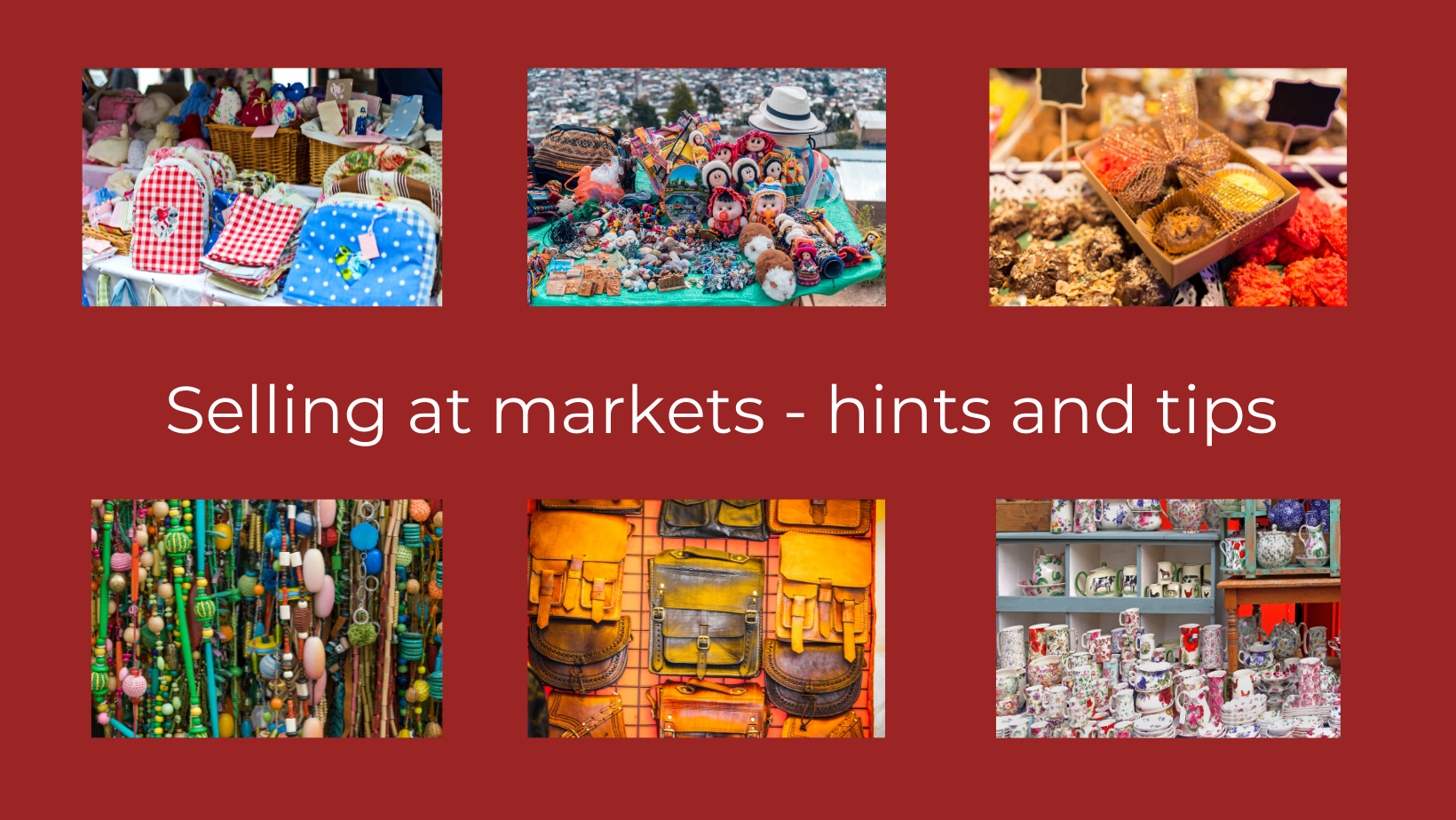
Selling at markets – hints and tips

The past few years have been difficult for everyone and just continues with rising prices and the world economic situation. This has been particularly hard-hitting for the small business, particularly if you sell products. It’s where knowing a bit more about marketing your products comes in and what you can do to maximise the possibilities of selling to your target audience.

I’ve heard several small handmade businesses talking online about the problems they have with making sales – even when they take a stall at a market. So, I thought I would put my marketing thinking cap on and come up with some useful tips to help get those sales.

Before you go

Before you get started or start booking yourself into every craft show, fayre, or market…STOP!

It’s important when you have a handmade business, or in fact any business, that you choose the right venue or event for your business.

You and your products will be judged by everyone else around you, so it’s important that you’re in the right place. For example, if you are at a market or car boot sale, where everyone is selling second-hand goods or junk, the value of your products or services will suffer. So, it’s vital to research the place you’re planning to sell to make sure that it’s right for your particular kind of products or services, so that you give yourself the best possible chance of making sales.

If there are lots of stalls at the venue you choose, check with the organisers how many other stalls are doing the same as you. It’s good to have some competition, but you don’t want your pitch to be right next to someone else who does the same as you, or similar.

Your stock

Seems obvious, but make sure that you have enough stock to sell – be prepared. As you sell your products, your display will reduce…it’s great for you, but can have an adverse effect on those looking to buy from stalls – if there’s not much on your stall, they won’t stop and browse.

In an ideal world, you should sell 8-10 times the fee you paid to have your stall. So, make sure that you have enough stock to replenish sold items, keeping your stall looking as professional as it did when you set it up.

The basics

There are lots of little things to get in place before you can go to the venue.

  • Do you need any special licenses or permits to do the event?
  • Make sure you’ve got the relevant insurance in place
  • How are you going to take payment for your products?
  • Plan how much stock you’re going to take, so you know how much you need to make, and order any materials you might need
  • How are you going to package and wrap your products once they’re sold? Make sure you have enough packaging or wrapping.
  • Think about how you’re going to transport your products – do you need to get any boxes or containers to carry it all?
  • Put price labels on every product – or make price labels for groups of products – there’s nothing worse than having to do this on the day – or worse, not having prices and people either must ask, or don’t bother and walk away.
  • Make sure that any tables, cloths, stands, or props are all clean, not damaged or broken and that you have enough.
  • Make sure that you have signage, so people know what you do. Have business cards or flyers that you can give out or include with purchases.
  • Have something printed to collect email addresses, that asks for a customer/potential customer’s name, email address, stating they agree to having email from you. After the event you can send them a link to your email sign up. Or, have an iPad or phone so you can send your email sign up link to them on the spot.      
  • If it’s an outside event, do you have a contingency plan to keep your products dry in case of a shower? Similarly, if it’s really hot, can you have something to keep you and your products in the shade…and don’t forget sunscreen?
  • Pick your outfit and make sure it’s comfortable and practical – wear comfortable shoes!
  • Pack a chair so you can sit down in between customers
  • Have a rubbish bag with you, pens, paper,
  • Take a packed lunch or snacks and drinks.
  • Make sure that you have fuel in your car and directions to where you are going! And change for parking if necessary.      

Pre event marketing

Although the event will be advertised by the event organisers, it’s a good idea to advertise that your business will be there. Put this everywhere – on your social media pages and add to any groups you belong to. If you have Google My Business, put it on there as this will help with local business. Add it to your website. Tell everyone you know…you could even print off an A5 ad and put it in the window of your car! Make use of any local advertising – some supermarkets or local shops allow small adverts or posters – make one and put it anywhere you can – stating that your business will be there.

Get sales savvy

Before I go into sales on the day…before the day, set up your stall at home – how will it look on the day? Be uber critical – look at it from every angle, so you know it’s right.

Think about the type of people that will visit – you could have children or people in wheelchairs or motorised scooters. If all your stock is up high, is it accessible to everyone?

On the day

Arrive in plenty of time to set up and get everything out of your car, tables set up etc. You don’t want to start the day rushing and flustered.

Once you are set up, do a quick test. Stand where people will see your stall for the first time – maybe 50 feet away. This is the first impression people will have or your stall – what’s your first impression? Does it look inviting? Is it too dark or empty? Can you see what’s for sale? Is your signage visible and does it say clearly what you do?

Once this is done, you’re ready for your customers!

Engage your customers

Don’t just stand behind your stall and expect people to come to you. You need to talk to everyone that comes to your stall. Most people will be generally browsing and looking for reasons not to buy – you need to persuade them that they WANT to buy. So, give them the reasons…

  • Talk about your products
  • Tell customers about the benefits – what it does for them – it could be it would make a great gift for Mum, Dad, friend etc.
  • Everyone loves a story, so talk about your products. How was it made? Where is it from? For example, if you make products from driftwood or sea glass, talk about where you got the raw material and what gave you the idea to make it into your products. It’s not just a sea glass bracelet or necklace – it’s crafted from sea glass that you personally collected from a beach in XXXX. Get people’s attention and interest. A good story can give extra value that actually clinches a sale.

Appeal to everyone

Very often, at craft events or handmade events, there will be Mums and children. Usually, children are given a small amount of money to spend…and Mum is normally with them. Make sure you have a few small items that are pocket-money-affordable, so that you attract the children. Then whilst they are browsing you can engage Mum in a conversation and talk about your products. There’s then the possibility of a bigger sale.   

Target the senses

Encourage visitors to your stall by appealing to their senses.

Here are a few examples…

  • Encourage touch – put a small sign that says, ‘Touch me, I’m hand-felted wool’, or ‘The softest scarf you’ve ever felt’.
  • You might sell soaps or scented candles. ‘I smell delicious, smell for yourself’.
  • If you sell things to eat, such as cupcakes, hone in on the tastebuds. Instead of just having a plate with little samples – asking people if they’d like to try, make it more enticing…for example, you sell ginger or cinnamon spiced cupcakes, ‘Smell and taste Christmas’. Or even, ‘Taste me – what do I remind you of?’ It’s putting out a challenge and giving people a reason to taste your wares…giving them permission to be indulgent.

Don’t have things packaged away in boxes – have the items out of their boxes, so people can see them, or touch them.     

Get in touch with your customer’s senses!

A customer buys from you – what next?

Inside you’re doing your happy dance – you’ve made a sale! So, you wrap the purchase, take their money, and thank them – they go on their way.

NO!

You could be missing a trick here. Don’t just let them disappear in the crowd, never to be seen or heard from again. Wouldn’t it be good if you could increase your sales, and make them come back again – or come back with a friend?

Loads of businesses use a loyalty programme – such as coffee shops. Buy so many cups of coffee, get one free. Why not jump on this yourself? Give a loyalty card – once they’ve purchased a certain number of items from you, they get a freebie.

Introduce a friend and if that friend buys from you, they get 10% off their next order.

Ask them to sign up to your email newsletter, where they will get information about where you’ll be at future events, details about your products or services, link to your online shop, and social media. And details of any special offers you run. Have an incentive to sign up, (a lead magnet). This is simply giving a customer or potential customer something in return for their email address. It could be a freebie of some kind or a discount on their first order.   

Even if this doesn’t work, make sure you add a business card/thank you card in their package when they buy. They will find it later when they get home and might decide to look at your online shop.   

ALWAYS engage first and then sell.

I really hope that this has been a useful article for you if you are a handmade business.

If you have any further suggestions of what you do at events, please add to the comments below. Thank you for reading!

Sign up for my monthly email newsletter for more marketing tips to help your small business.

Are hashtags still viable in 2024?

Did you know that hashtags have been around for about 20 years on social media?

Originally they were used to help filter and organise conversations on Twitter, but over the past several years, Instagram and then Facebook have adopted them to help businesses to be seen and found on search engines.

For the purposes of this article, I’m going to talk about Instagram and Facebook.

What are hashtags?

Hashtags are used on social media platforms. A hashtag is a sign (#) followed by a word or phrase. The word or phrase that businesses use will depend on what kind of business they are, or what their social media posts are about. That word or phrase is seen as a category for search engines.

For example, I often use the hashtag, #smallbizmarketingtips when I post on Instagram. I’m a marketing coach and content creator helping small businesses. So, this hashtag is relevant to my business. I often post tips for small businesses to help them with their marketing. Using this hashtag does what it says on the tin – it marks that particular post into the #smallbizmarketingtips category.

Not only does it categorise my content, so that when someone searches for #smallbizmarketingtips, my posts are often included under that hashtag, it also helps individual businesses find an array of tips from lots of different marketing businesses.

In a nutshell, a hashtag helps social media users connect with other businesses over specific topics and popular content – and acts as an invitation to discuss, view and engage with all sorts of content online.

Should you use hashtags?

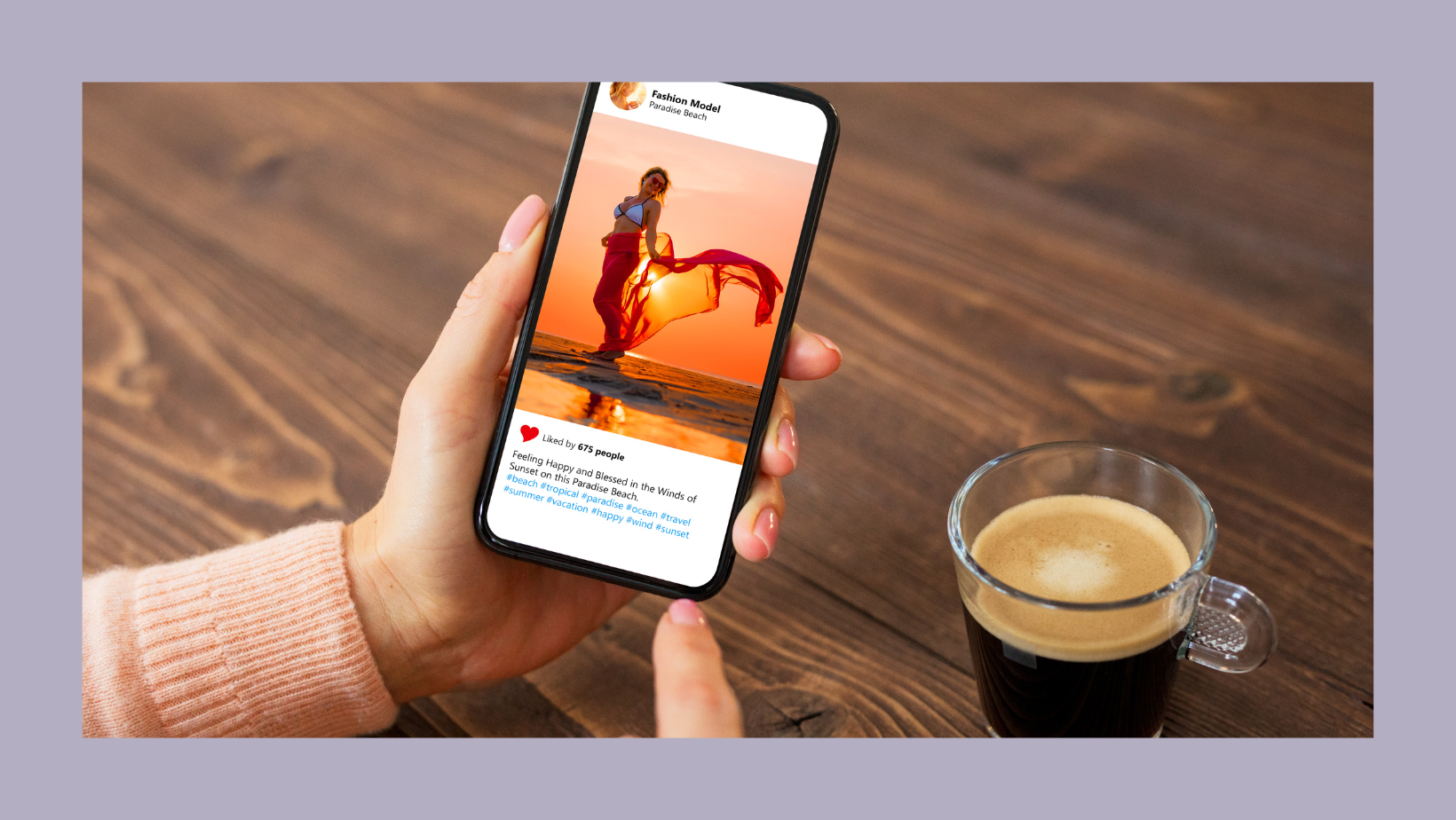
Yes, absolutely. Using hashtags increases your chances of being seen on social media and in search engines. For example, hashtags help Instagram know exactly what your content is about and helps IG suggest that content to people who are interested in that topic. It also helps show that content to users who are searching for specific topic too.

How do I find hashtags?

There are a few ways to do this…

  • You can simply put a search into Google. Just type in ‘hashtags for XXXX’,  (whatever business you are in). A list of hashtags will appear…usually it shows you the top 10 or more for that category.
  • You can use a hashtag generator tool. Some of these tools are free, but I haven’t found any that you don’t have to register for – and often there is a catch or hidden fee somewhere!  
  • Simply log into your Instagram account, go to the search and type in # followed by whatever you are looking for. You will then be shown the top posts that have posted under that category. It also tells you how many posts fall under that category.

Do not use hashtags that have millions and millions of posts under it – your post will just get lost. I always advise using hashtags that have under a million…and mix it up. So, use a couple that have between 700k and a million posts, a few that have between 200k – 700k, and the rest under 200k, making sure you use some that are under 50k. This gives you the best chance for your posts to be shared in that category. I actually also use hashtags that only have between 500 – 1k posts, as I know my posts will feature in that category and it gets my business out there.

How many hashtags should I use?

It really depends on what you want to achieve. On Instagram, you can use up to 30 hashtags per post, but new info suggests 5-10 max.

There is no hard and fast rule, however if you keep your hashtag numbers lower, you can connect with your specific audience better.

Facebook is slightly different. A study conducted by thesmallbusinessblog.net looked at over 200,000 brand posts on Facebook.

The study found that content with one or two hashtags had 593 interactions on average, compared to 416 engagements for posts with 3-5 hashtags and 188 interactions for posts with 10+ hashtags. From this, it’s clear that Facebook posts with fewer hashtags tend to perform better.

Are hashtags still popular in 2024?

That’s a BIG, FAT YES!

Including a hashtag strategy in your marketing will help you build your brand. There’s never been a better time to put relevant hashtags in your social media posts. They play an important role in connecting potential customers to your business.

I can help you build your hashtag strategy, so contact me to get started!

The Instagram Algorithm in plain English!

I’ve been reading a lot about the Instagram algorithm (and the Facebook one too) and, although I eventually understood, it took a while as so many articles are written in such an unnecessarily complicated way. So, I thought I would write one, taking details from the research I’ve done, and put it into plain English! I hope this helps.

What is the Instagram algorithm?

Basically, it’s a way to look at the content on Instagram and rank it into a particular order. The algorithm decides what content is shown and what order it’s shown in each Instagram user’s feed. It also uses this same information to decide what is shown on the Explore Page, Reels feed and hashtag pages.

The algorithm takes every bit of information into account and analyses every piece of content that is posted. It also looks at any captions or alt text on images and hashtags. It then decides what and how it is going to give relevant content to each user, ensuring that they all have access to subjects they are most interested in.

It knows what you like and want to see as it looks at, not just what posts, stories or reels you post, but what posts, stories or reels you look at, as well as considering any other interests or behaviours you show on Instagram.

For example, I post mainly marketing tips and quotes for small businesses on my feed, with the occasional light-hearted post thrown in.

As well as looking at other businesses’ marketing posts, I also look at foodie, keto and recipe type posts, and reels. And I love following photographers, crafters, artists, and some fun stuff.

So, these are the kind of posts that are fed into my suggestions.

How does it work     

Every time you go onto Instagram, the algorithm scans through all the available content to decide what to show you.

It looks at three particular factors:

Your relationships – it looks at the content you post and the people who look at it – and vice versa. Do you follow each other? Do you leave comments on each other’s posts? Do you message each other? If you regularly interact with the same user, you’re more likely to see any new content that they post – again, the same vice versa.

This is important for your small business. If you are constantly responding to messages and comments – and sending/posting them, it can help improve your visibility on Instagram.

Your interests – the algorithm looks at the type of content you interact with. When it notices that you tend to look at similar types of content, it will give you more of the same.

Is it relevant? The algorithm will decide how relevant each piece of content is, if it fits with any current trending topics and whether the content is evergreen or timeless. The most recent posts are considered more relevant than older ones for example.

How often you use IG – If you don’t use IG very often you will only see things that are directly relevant to you, so you might find you seeing only posts from your friends and family.

Another thing that is considered is how many people you follow. The more people you follow, the more accounts are competing for space in your feed.

How long you spend on IG – this is called session time. If you don’t spend much time on IG, as I said above, you’re more likely to mainly see posts from your friends and family, whereas if you spend a significant amount of time on IG every day, you will start seeing more posts that you are interested in, and similar businesses to your own. Also, you’re more likely to see more posts from those you follow and interact with.

Why do you see what you see in your feed?

Every day you will see lots of posts and stories that the IG algorithm predicts you will like, based on:

  • The accounts you follow
  • How many likes those posts get
  • How many times you’ve interacted with that account in the past (through likes, comments, profile visits, follows and saves etc.)
  • What kind of posts or stories you look at and interact with

After it’s assessed all these things, the algorithm has an idea about what other kinds of posts you might be interested in, and then pushes them to your feed and stories. This might be accounts you already follow, but it also shows you posts that it thinks you’ll like from people you don’t yet follow. It will also suggest accounts that you might be interested in.

In the same way that the IG algorithm looks at all these different things and rewards quality, engaging content and pushes it your way, it also rewards quality, engaging content that you post by pushing your account to others.

There are strict guidelines about posts

Just the same as any other social media platform, there are strict guidelines about what is not acceptable. Posts that contain misinformation, or of a political nature, or content that is potentially upsetting or sensitive are not liked, so if you post this kind of thing – or if your images or videos are low resolution, you might find that your posts are not pushed to other accounts.

The best way to get seen on IG

The best way to get seen on IG is to post a variety of posts regularly, such as carousels, single posts, images, reels, video, stories etc. When posting reels or stories, use the filters, effects, stickers, polls, links, music etc that is there to help you, as this makes your posts more interesting.

Check out your insights

Your insights will give you information about your audience and what kind of posts they like best, so keep an eye on this on a regular basis. It also tells you what time is best for you to post to get the maximum reach for your account.

Getting more engagement on a story or reel can be as simple as adding a sticker or poll. It’s about experimenting with all the options available to you, to find what works best for your business and followers. Ask questions so that you encourage your audience to engage with your posts, and always reply to comments and DMs.

Why are hashtags important?

Whilst the IG algorithm can evaluate certain things, it can’t recognise what’s in a photo or image you’ve posted. This is one way that hashtags come into their own. For example, if you’re a pet photographer and you post photos you’ve taken of customers’ pets, the algorithm won’t know this – but it will recognise the hashtags, such as #cutecats or #dogsofinstagram. Using accurate and descriptive hashtags that are relevant to your post will help the algorithm understand your post, and so push it to people it knows are interested in that subject.

Conclusion

To sum up, the IG algorithm evaluates content and ranks it. It looks at what you and others like and matches up accounts it thinks will resonate with you all. Hashtags help it to categorise posts, so it pushes those posts to what it thinks are the relevant audience.

You can help the algorithm get your posts noticed by doing a variety of different types of posts, using all the gimmicks available, posting regularly, and engaging with people who comment on your post, and with those whom you comment on.

Use your insights to help you know what your audience find most interesting and engaging and to find out when is the best time to reach your maximum audience.

Instagram is a social media platform…so you must be sociable. You can’t just post and run and hope that what you post is seen.

If you found this helpful, please leave a comment below. And if you have any questions, or need help with your Instagram posts and marketing, please feel free to drop me an email – cindymobey@outlook.com  

Alternatively you can check out my website.  

How to stand out on your Instagram bio

Your Instagram bio is the first thing visitors to your Instagram account will see. You have 150 characters to introduce yourself to your audience, let them know exactly what you do and how you can help them, and to engage them. It seems a bit overwhelming to try and so all this in just 150 words, but this blog post will help you…I’ve got your back!

You need to write a bio to create a good first impression and also to give your readers a reason to follow you, like and share your content…and ultimately convert them to customers.

What are the main elements of a good bio?

The main elements and objectives are:

  • Descriptive and keywords in your profile name
  • Tell your readers what they can expect from your page and what’s in it for them
  • Include a good call to action (CTA). This is basically telling your audience what you want them to do next
  • Include a link to your website or blog
  • Use line breaks and emojis, as this makes it much easier to read

Your profile photo

Your followers want to know who you are and what you look like. I always suggest a photo of yourself (not your pets – this is your business page!) Make sure the image is clear and use a head shot if possible.

If you really don’t like using your photo, lots of people use an image of their logo.

User name and display name

Make sure your user name field is optimised with your name and a searchable keyword. Your Instagram handle is your user name – for example, my Instagram user name is ‘Cindy Mobey Marketing’ It gives my name and what I do.

If you were a hairdresser, you could put your name and then ‘hairdresser’ or ‘hair salon.’ This helps with searches that people make.

Your Instagram display name is the name people will see at the top of your Instagram bio when they visit your profile. Mine is my full name – Cindy Mobey.

Business Category

Your business category shows under your display name. When you input this on Instagram, it is via a dropdown box. The categories are quite limited, so you’ll need to find a category that best describes your business. For me, the nearest and most accurate category I could find was ‘Internet Marketing Service’.

Description – Highlight your skills

This is the most important part of your Instagram bio. It informs your audience about what you do. Think of it as your pitch to your customers and include details about what you sell, or what service you offer.

Incorporate line breaks, bullet points and emojis to help your bio stand out. Keep it concise and to the point. Depending on what you do, you can be creative with this, as well as saying what you do on the tin. Above all, try and let your personality shine through!

For example, if you were a Social Media Manager, you might put something like..

  • Social Media Management
    Helping beauty, wellness and skincare businesses grow

Or if you do something specific in that field…

  • Social Media Management made easy
  • Videography & photography

Some people include where they are based.

Use relevant keywords

Use keywords that are relevant to your business. This helps you connect with your followers and helps describe what you do.

Keywords could include your values and interests and those of your target audience, so you attract them into your feed.

If you were a business selling nutrition, for example, you could include keywords such as ‘wellness,’ ‘nutrition,’ ‘self-care’ etc. You get the idea.

Call To Action (CTA) & relevant link

A call to action or CTA is simply telling your reader what you want them to do next. Do you want them to visit your website? Go and browse your online shop? Read your latest blog post? Sign up to your newsletter?

ALWAYS include a CTA at the bottom of your Instagram bio and include the relevant link. Instagram currently only allows one link, so if you have all of the above, it’s a great idea to sign up to something like Linktree which is a tool that allows you to share multiple links on social media. This is especially good for Instagram, due to only one link allowed in your bio – you can just publish your Linktree link, and when your followers click on it, they can see all your other links to website, shop, blog, newsletter sign up, and you can link to other social media pages too.

Contact details

You can also add your email address, telephone number and the actual physical address of your business too. Your contact details don’t take up your character space, so that’s a bonus, and you can choose whether contact details are visible or not. If you agree to them being visible, contact buttons will be added to your profile.

Highlights

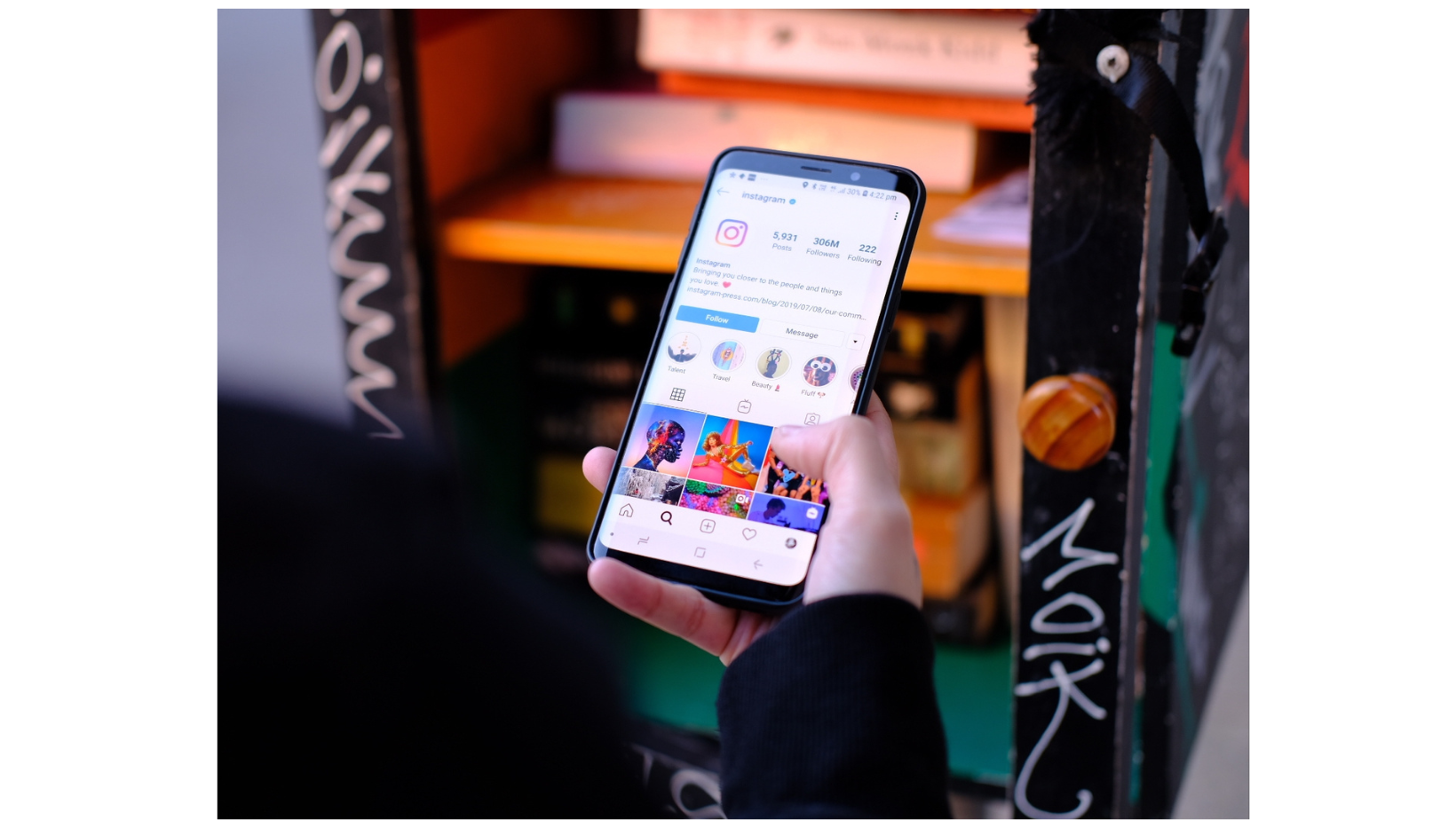
If you haven’t heard of highlights and don’t use them on your page, take a look at my bio – you will see that I use highlights to give more information about myself and what I do. Highlights are underneath your profile.

When you publish a story on Instagram, it only remains visible for 24 hours, then it is automatically archived.

Instagram Highlights allow you to save and categorise your stories on your profile so followers, new and old, can still view and interact with past stories, well after that first 24 hours expire.

Recap

Once you have your Instagram bio set up, it’s worth asking some of your friends, family, and peers to have a look at it. A good bio will create a fabulous first impression and convince your audience to follow you and engage with your posts. So, you need to:

  • Tell who you are and what you do
  • Use keywords to target your ideal audience
  • Add a link to your website or blog
  • Complete the email and telephone fields so your audience have other ways to contact you

And, above all, show your personality. It’s worth spending time and effort into your bio to get it exactly right. The joy of your bio is that you can change it over time – make sure you review it every couple of months and make adjustments, checking your links work, so it’s always up to date and continually improving.

If you need help with writing your bio, or are not sure what you can include, feel free to contact me – cindymobey@outlook.com I’m happy to help.

Dos and Don’ts for your business Facebook page

Despite all the hype and buzz around TikTok and other social media platforms, Facebook is still the most-used social media platform in the world.

Facebook had 3.05 billion monthly active users and during the 4th quarter 2023, Meta reported that 3.98 billion people use at least one of their core products every month – core products being Facebook, Instagram, WhatsApp or Messenger. (Source – Statista.com)

This is great news for all of us small businesses who use our business page to promote our products or services. Facebook is an inexpensive, and largely free, effective way to connect with your target audience, but there are some things you should and shouldn’t do. This post looks at the dos and don’ts for your business Facebook page.  

DO

First, let’s look at some of the things that are advisable to do on your Facebook page.

  • Pick an easily recognisable image for your profile picture (either of photo of you or your brand logo). People want to know who they are interacting with. Don’t use photos of your pets for your business page – unless your business is about pets, and even then I would use a logo or you and your pet.   
  • Use your cover photo – feature an image that represents who you are and what your business does.

  • Ensure you complete the ‘about’ section of your page. This is your chance to tell your audience a little bit more about you and what you do – you could use your elevator pitch here.  
  • Develop a distinct voice for your Facebook page – so you sound the same as you do on your website and other social media pages. And don’t forget that you can use humour and show your personality!
  • Make sure you include links to your social media pages on your website, so people finding you there know where to connect with you on socials.
  • Post interesting and quality content – make sure that your content isn’t all about selling your product or service – use a variety of posts.
  • Post consistently on a regular basis. You can see from your insights when is the best time to post for your audience.
  • Post engaging images and ask questions to promote engagement, or do the odd fun post, such as those predictive text posts, quotes, or a funny meme.
  • Include links to drive traffic to your website, blog or newsletter sign up.
  • If you share other peoples’ content, ensure that it is relevant to your target audience.
  • If you are attending or arranging an event, post about it.
  • Celebrate your wins and share your successes.
  • Reply to and ‘like’ comments left on your posts.
  • Use hashtags to increase interaction – experts are currently recommending 3-5 hashtags on Facebook posts. Despite being allowed to use up to 30 hashtags on Instagram, the current guidelines (from 2023) suggest 3-5 – the same as Facebook. But you may find more work better for you on Instagram.
  • Mix up your posts with single image, multiple images, and video to gain the most engagement.
  • Check your post grammar and spelling and don’t forget a call to action.
  • This is a hard one but respond quickly and publicly to any customer that complains or leaves a negative comment on your posts. Don’t get angry or defensive and don’t get into specifics about the issue. Just respond positively and then take the complaint offline. This shows other customers that you care about your customers and are responsive to their concerns.    
  • Finally, measure your posts by checking your insights so you know which posts are the most engaging with your audience, or get you the most reach/comments/likes etc. You can then use this to plan your following week’s/month’s posts.

DON’T

  • Invite huge lists of people to like your page or get tied up in follow for follow posts. If people like what you do, they will follow you. Doing follow for follow may boost your followers briefly, but most will unfollow you after a short period, or just never bother engaging with your posts because they didn’t choose to follow you for the right reasons – and this is very damaging to the algorithm.
  • Constantly promote the sales of your products or services – use a variety of posts to keep your audience engaged.
  • Don’t completely flood your feed with posts – if you post several times a day, space them out.
  • Overuse hashtags. 3-5 is plenty per post – any more than that and your post could be seen as spammy. Put hashtags at the end of your caption rather than incorporating then into the caption itself.
  • Don’t post low quality images, memes, or information.
  • Don’t post anything that you wouldn’t like to see in your newsfeed.
  • Don’t be afraid to experiment with your posts to see which are the most popular.
  • Don’t forget to use your insights to help you plan posts.
  • Neglect to post at weekends – you don’t have to post on both days, but this is when most people are at home and scrolling social media.
  • Don’t use abbreviations or jargon.
  • Don’t ever ask for personally identifiable information.
  • Don’t engage in an argument on your business page – if someone has a problem, reply politely, and take it offline.
  • Don’t post anything that could damage the professionalism of your business or that could damage your reputation.
  • Finally, don’t get involved in engagement baiting.

Engagement Baiting

This could be a whole other blog post, but basically engagement baiting is goading people into commenting on posts without it being a meaningful interaction.

Facebook will prioritise posts that inspire back and forth discussion, but using engagement bait will be recognised and post will be demoted in the newsfeed.

Engagement baiting includes:

  • Vote baiting – asking your audience to give their opinion using a like, share or comment.
  • React baiting – Giving your opinion in your post, then saying ‘like if you agree’ – whoops! I’ve been guilty of this one without realising it!
  • Share baiting – Encouraging your audience to share a post if they agree with the content or share to win a prize or be entered into a contest.
  • Tag baiting – asking your audience to tag someone in the comments.
  • Comment baiting – asking followers to comment on the post.

I’m not sure I agree with all of these, but I guess it’s about the way you ask for things. Facebook’s guidance says that you can:

  • Ask for authentic input – asking for advice, recommendations, help or tips. And you can ask customer to share their tips for using your products or service or how they think they could be improved.
  • Ask questions as this promotes engagement and interaction. A study conducted by Hubspot found that posts that use the words ‘should, would, which, and who’ get the most comments and those that use the words ‘why and how’ get the fewest comments.
  • Post content that people want to talk about.
  • Provoke an emotional response – posts that surprise your audience or make then laugh, cry, or get angry.
  • Post a photo and ask for a caption.
  • Try and ‘fill in the blank’ post – this could be using predictive text or just from their own experience.  

There’s an awful lot to take in with this post and I appreciate it if you actually got to the end of it! As always, if you have any questions about this post or any of my other posts, or if you have any suggestions for future blog posts, please feel free to email me (cindymobey@outlook.com) or message me on messenger.

Personal vs Business Facebook page for networking?

Is it better to use my personal profile, or my business profile on social media for networking? This is a question that seems to be out there a lot lately, and there is plenty of conflicting information. Some seem to be on the side of using your personal profile and others talk about the benefits of using your business profile. So, in this article, I’m going to try and unravel the various opinions, then you can make up your own mind as to what would be best for your small business.

According to Facebook itself, your personal page should NOT be used exclusively for business purposes – you should set up a business page. If you do promote your business on your personal page, make sure you read Facebook’s terms of service to make sure you don’t go against their rules – if you do, your account could be shut down.

That being said, you can use your personal page to indirectly promote awareness of your business. So, what does that mean?

What is the difference between a personal page and a business page?  

Personal page  

When you decide to have a Facebook profile, you must set up a personal page as you sign up as an individual. The purpose of your personal page is to stay connected with family and friends – that is, people that you already know. You can connect with ‘friends of friends,’ and with people you meet inside Facebook groups.

You can join groups via your personal page, which means that you do start to accumulate ‘friendships’ with people you don’t personally know. You can also join groups from your business page, but only if the admins of that group allow members to join from their business page – which in my experience is very few, so I tend to join groups from my personal page.

Your personal page will also show you with your family, and maybe out with friends at parties etc. This kind of content, especially if it shows you doing things that would be inappropriate or harmful to your business, wouldn’t be the kind of thing you’d necessarily want your business associates and customers seeing. For example, family members may not want their wedding or family photos in the public eye.

However, you can adjust your personal page to make it more professional, for those times when you do want to share something about your business, such as making your posts public. Just remember, if there is a post you only want friends and family to see, you will need to adjust this setting each time you post something personal.

There is value in using your personal page to help your business’s visibility. The connections you have with people on your personal page can be stronger than with business pages – people may be more likely to trust your business as they know you and personal pages tend to have a greater reach than business pages.

Your friends on your personal page are more likely to see an update from your personal page, than from following your business page, and if you share some of your updates about your business on your personal page, you have the potential of reaching a completely different network of people. But you do have to be careful that your content is not all about business, or you risk violating Facebook rules and regulations. It is a bit of a minefield.

So, what kind of content can you share?

  • Share news about winning an award or if your business gets into local or national news.
  • Share details of charity events that you support.
  • Blog posts
  • Photos from a conference you attend, or a networking event. Or, if you have a team, you could share about a company picnic or outing.
  • Client stories
  • Business tips

But as Facebook rules state that you cannot use your personal page solely for business, you have to be sensible and pick and choose what you share – and not bombard your personal page with content. It’s about getting the balance right.

Business page

Your business page is all about your brand and your business – or about a cause that is close to your heart. It’s a no-brainer to use a business page as the benefits are huge.

You can set up ads, promote your products and services every day through posts and stories.

The good bits about a business page are that you can:

  • See insights, which is data about your followers – when they’re online, which posts or stories were the most popular and a host of other useful data.
  • Advertise – pay to reach a specific target audience, which helps with targeted campaigns.
  • You can plan and schedule posts for weeks ahead.
  • You can also outsource your business page to a social media manager, so they can post and manage your page for you.
  • Tagging – you can tag other businesses and they can tag you in posts using your business name.
  • Collect and share reviews – social proof is a must for every small business.
  • Set up an event and invite followers.

Your business page is the place where your customers know where to find you – as it uses your business name. You can communicate directly with your customers to answer their questions, asking them questions and getting feedback.

Your business posts help you grow your community, giving your customers the opportunity to share your posts with their friends and family and so creating a digital ‘word of mouth’ as such!

You can also choose to boost a post to a specific audience by their geographic location, age, interests, and lots more. This can work well if you do your research well and know exactly who you want to target.

You can add website or online shop details so your followers can click directly from your page from their mobile devices, so don’t have to do a separate google search.

The downside to a business page is that Facebook’s algorithm tends to prioritise content from personal pages over business pages. They want you to advertise or use boosted posts to help you increase your visibility, so it takes more effort to get your page established.

Talking of effort, managing a business page takes a lot of time and effort to create and post content, respond to messages and posts, and maintain a consistent strategy to stay active and keep your audience engaged, but once you get it right and get organised, it is very rewarding and brings in the business.   

Networking Conclusion

Networking on Facebook is about building professional relationships with other businesses or group members and about creating a good reputation for your business.

Growing your network and followers will increase your visibility and will help establish yourself as an expert in your line of business.  

And we’re back to that original question – Is it better to use your personal page or your business page to network?

My conclusion is to use BOTH! I know (!), but after all the research I’ve done, I’ve come to the conclusion that both have their merits and by using both, you will reach a larger audience.

So, use them together, engage with your audience using one united voice. Interact in groups from both (some groups will only allow you to interact with groups from your personal page) and publish your content on your business page, but still share the odd post/blog with your personal page, and definitely share good news about your business on both, as it’s relevant to you both personally and professionally.  

It’s about striking the right balance and not overdoing the promotional business stuff on your personal page, as you’ll risk violating FB rules.   

I really hope this has helped you see the differences between the pages and help with your decision on how to network effectively – use both! It makes sense!

If you’d like any help with your business page or don’t have the time to consistently post or create posts, drop me a message, and we can have a chat about how I can support you through content help or coaching.

Alternatively, check out my website for more information.

Supercharge your customer touchpoints

This sounds like just another one of those buzz word things – so what am I talking about?

Every business wants their customers to be happy with the service and experience they receive. But, unless you have your customers in mind at every single touch point, you could be missing out on some great opportunities to delight them and keep them coming back for more.

What is a touchpoint? According to SurveyMonkey, the definition of a touchpoint is “…any time a customer or potential customer comes into contact with your brand…before, during or after they purchase something from you”

You may have great products, delivered on time and with a smile, but if your advertising isn’t on target, or they receive billing mistakes, or have to deal with a clumsy and clunky website, you can scare your customers away. Luckily, these touchpoints are easily fixed and within our control.

Let’s take a look at the general touchpoints a customer will come across…these are just some examples.

Before a sale – Social Media sites, Website, Customer reviews, Advertising/Marketing.

During a sale – Shop or office, Catalogue, Phone.

After a sale – Billing, Emails, Newsletter

Make a list of the touchpoints your customers have with you, then look at them in turn, e.g. your website…is it easy to navigate? Do the tabs point to the right things? Do the links work? Are you easy to contact? Do customers get a quick reply if they do contact you?

Supercharge your touchpoints

Now it’s time to supercharge your touchpoints for a better customer experience.

Personal touch – Try and speak to a customer wherever you can as most people like to be treated as individuals. I prefer to speak to a real person, not an automated service as I can ask questions and, if there is something I don’t understand, I can simply ask. It is also easier to build a relationship with your customers if you actually take the time to talk to them, as it makes them feel valued. They will feel that they are important to you and your business, that their custom is appreciated and that their opinion matters.

Consistent Service levels – Be consistent across all your dealings with customers, not just on the phone. You have won their custom and now it is time to build their loyalty and gain that all important customer satisfaction. So, not only ensure that you give excellent customer service on the telephone, ensure that they receive the same experience if they email you, such as a prompt reply, with the answer or solution they want wherever possible.

Know your customers – Know what your customers want and who they are. If you can solve a problem for a customer, do it…they will always remember that you went that extra mile…and will recommend you to family and friends. Something that you did this year that went really well, might not work next year – never make assumptions where your customers are concerned. One of the simplest ways to know what your customers want is to ask them. This could be via a courtesy phone call (but be careful not to be a nuisance), via a short survey or hold an event, where you can interact directly with your customers and they can see who you are and meet you properly.

Resolve any mistakes – If you make a mistake, own up to it and put it right quickly. Don’t blame anyone else, just resolve it and offer some kind of compensation, such as 10% off their next order. The four step system is a good way to deal with complaints.

Listen to the complaint…don’t argue or put the blame on someone else – the customer doesn’t want to hear this – he/she just wants you to listen to what they have to say.

Acknowledge the complaint – let the customer know that you understand their complaint by relaying it back to them. This not only shows that you have been listening but gives hope that something will be done. Thank them for bringing the situation to your attention and assure them that something will be done.

Solve the complaint – if you can, resolve the issue, keeping the customer informed along the way. In the first instance, after you have acknowledged the complaint, say that you will look into it and will get back to them within 24 hours – even if you haven’t resolved the problem yet, ring them within 24 hours to let them know what’s happening. Keeping them informed every step of the way is very important in keeping that customer in future and lets them know that they are a valued customer.

Thank them – you have already done this when you acknowledged the complaint but do it again. If the issue has taken or is like to take a long time to resolve, maybe offer them some kind of compensation – a money-off voucher or a free gift.

Appreciate your customers – Let your customers know they are valued, e.g. send regular customers a ‘thank you’ card, or give them a money off voucher for being loyal, or ask if they’d like their purchases gift-wrapped.

It’s also really crucial to look past the sale…once your customer has bought something from you, don’t make it the last time they hear from you…follow up the sale and ask how they are getting on with the product. Are they happy with it? Do they think it could be improved? Do they have any questions about that or any other product that you sell? They may tell you about a problem they have that you can solve for them, or give you an idea for a new product.

If your customers are really happy with the goods and/or services they receive from you, ask them if they could write a short review, either on your Facebook page or on your website…or if they prefer, they can send to you on email. Ask if it’s OK to share their review with other customers and potential customers.

Whether your business is a huge concern, or just a one-man/woman team, excellent customer service must be at the heart of everything you do. It can take extra time and resources, time and money, but good customer service leads directly to customer satisfaction, which can generate great business for you via word of mouth. It can also you’re your business thrive and ultimately be a success. Never underestimate the power of good customer service – it’s your businesses life-blood.

Please feel free to email me if you have any questions or need any help with your marketing. I offer a free discovery call to discuss your business and how I can help.

Don’t underestimate the value of Word of Mouth Marketing

What is Word of Mouth Marketing?

Word of Mouth Marketing seems like a pretty obvious one, but it is absolutely crucial to your business. It’s when your customer’s interest in your products or services is spoken about in their daily lives. In simple terms, it is free advertising generated by the experiences that your customers have with your business. This can be anything from a great customer service experience, where you have gone the ‘extra mile’ to help them with a problem, or maybe solved a problem they didn’t realise they had. Something extraordinary, or just a product or service that they are really pleased with and want to tell their friends and family all about it.

It really is one of the most powerful forms of advertising as 92% of consumers trust their friends over traditional media, according to The Nielsen Global Survey of Trust in Advertising.

Word of Mouth Marketing (or WOM Marketing) includes viral, blogs, emotional and social media marketing.

Example of WOMM

WOMM is all about creating a buzz around your business – your products or services. The more you interact with your potential target market and with your existing customers, the more the name and reputation of your business will spread. It kind of creates a snowball effect. For example, say you own a restaurant. You create a comfortable atmosphere, the food is great, the service is exemplary, BUT, not only do you do that, you make every single customer feel special. Their dining experience is perfect because you have gone above and beyond to exceed their expectations. When they leave the restaurant, they will leave a review on your social media site talking about the fabulous service they received, about what a great place it is to eat and what a wonderful time they had. That’s great, but the snowball effect is that they will not only leave a review , they’re also likely talk to their friends and family about what a great night out they had, and tell them they ought to try out your restaurant. This is part of the ‘creating a buzz’ scenario. And this can be followed up by you…

ALWAYS reply to reviews and feedback; thank customers for their comments and say how pleased you are that they enjoyed their meal at your restaurant. If you have a website, point them to the website to sign up to your newsletter, so they will be informed when you have special events on, (you might have live music nights, for example or do a special ‘Curry night’ or ‘Chinese night’). And advertise these events on your social media pages for those that don’t choose to sign up to a newsletter, (they’re not for everyone)!

Ask your customer who has left a glowing review if you can use it for your marketing. Share the review on your other social media sites, website and in your newsletter as ‘proof’ that your place is the best! If you get some really glowing reviews, you could ask the customer a few questions about why they enjoyed that particular evening – what made it special for them? Then you could turn this into a mini case study as to why your customers enjoy your restaurant…and give your customer their five minutes of fame, whilst at the same time making him feel very valued and that his opinion really does matter to you.

It’s all about TRUST

If a customer feels that they are listened to and valued, they will start to have an emotional bond to a particular business. This is the reason that most large Corporates have a whole team of people, who talk to their regular customers to discuss products, either with a personal visiting service, via a review of products the customer has (insurance products for example), or on the telephone. This works well as the customer feels that the company cares about them and is interested in what they are likely to do next in their lives. Let’s face it, this kind of interaction is not only to make sure that customer has the right insurance products, it’s also a fact finding mission to find out if there is anything else that could be sold to them in the future. But the point is that the customer feels that the company they have chosen cares about them.

No matter how big or how small your business is, TRUST is a huge issue and one that needs to be nurtured with every customer you have. If they trust that you have their best interests at heart, that you genuinely care about them and value their opinions, they will be loyal to you and will always be willing to try out new products or services that you offer. And, they’ll tell their friends that you have a new offer going on!

Can’t I just make up some great reviews?   

Yes, of course you can, but this wouldn’t really achieve very much as you won’t have that real person going around telling their friends all about you. It may help you attract new business, but you’re starting off from a deception. There is an official body in the USA that has crafted a code of ethics for the industry.

“The Word of Mouth Marketing Association (WOMMA) is the official trade association dedicated to word of mouth and social media marketing. Founded in 2004, WOMMA is the leader in ethical work of mouth marketing practices through its education, such as WOMMA Summit, professional development opportunities, and knowledge sharing with top industry marketers. WOMMA’s membership is made up of the most innovative companies committed to progressing the word of mouth marketing industry through advocacy, education and ethics.”

https://expertfile.com/organizations/WOMMA-Word-of-Mouth-Marketing-Association

The word of mouth marketing strategies they promote are “credible, social, repeatable, measurable and respectful” and there is no tolerance for dishonesty.

How is WOMM different to referral marketing?

Word of Mouth Marketing is about creating that buzz, no matter what kind of business you have, how big or how small you are, or the kinds of products or services you offer. The more you engage with people, the more the name of your business and your business ethics will spread. It’s all about the snowball effect.

Referral marketing, on the other hand, is a more focused and targeted marketing media. It focuses your attention on a specific person to actively encourage that one person to refer their friends. It is a segment of WOMM, but it’s a more proactive way of generating new customers. You have control over the whole referral process to convert a particular customer to buy your products or services. This could be through the use of funnels, for example.

How to do WOM Marketing

Engage with your customers and potential customers, not just collect them. You might have hundreds, or even thousands of followers on your social media account, but are they all interested in what you do or sell? Or are they just there, not really interested, but more of a ‘follow for follow’ basis? Do they interact with what you post? Do they feel that connection with you? It’s about building engagement, building a relationship with followers that are genuinely interested in what you do and feel a connection to your business. The more passionate they are about you, your business, your products, your services, the more likely they are to share what you do, share your posts and tell people about their experiences.  


If you set yourself up a strategy, there are things you can do to increase the WOM around your business…things like a partner programme, affiliate marketing and using reviews.   

Your biggest marketing asset is your existing customer base, so create something worth talking about and encourage your existing customers to talk about it too.

  • People trust their friends and what they have to say. Ask customers to refer a friend…you can give incentives to encourage that. For example, refer a friend and get 5-10% off their next order or get a free gift.  
  • When a customer has bought something from you, or used your services, ask them to leave a review.
  • From the reviews that you get, identify something about your brand that has the possibility to generate a buzz or create something new that will generate that buzz.
  • Get your existing customers on board – you could create a competition, with the winner receiving your new product or service.  

Word of Mouth Marketing is a free and easy way to promote your business, but does take a bit of time and hard work. Gaining trust and engagement with your business is a two-way street, but when it works, you will have meaningful relationships with people who will become your best brand ambassadors.

How to promote your website

There has been lots of talk recently about the online shop channels where you can list your products for sale, and how their prices are steadily rising. I’ve noticed a few people in networking groups talking about starting a website, or they have one but aren’t sure how to best promote it. Hopefully this article will give you a few ideas to help you get your website noticed.

Why have one?

According to E-Commerce Statistics, there are more than 2.14 billion online shoppers worldwide, with E-retail sales projected to grow to 5.4 trillion (in dollars) in 2022. And 68% of online shoppers search a product on Google before buying.

So, the more places that your business can be seen and found online, the better. Whilst online shop sites are great and help push your business to their wider audience, you still don’t own it – and they can have glitches that effect your business. With your website, you own it! But why have one?

  • Promote your business 24/7 – you can sell even when you’re asleep!
  • Builds your reputation and credibility. A website gives you the chance to not only show your products or services for the world to see, but they can see the quality and price, can look at recommendations and comments from customers, and a website gives you the space to tell your audience a bit more about yourself and your business – how you started etc. Not everyone will want to know this, but there are those who like to know who they’re buying from, and your website gives that personal service.
  • First impression – Not only does having a website make you more credible, but it also shows that your business is established and that you are experienced at what you do. Even if your competitors are stronger than you, a well-built, mobile friendly website can entice customers to choose you instead. You might operate your business from the tiniest desk space in the corner of your dining room, or make your products in your tiny spare bedroom, but when you have a website, your customers don’t see this. All they see is the power of your brand – size doesn’t matter!
  • Advertise your business – Your website is your ultimate advertising tool. For a relatively small investment in the cost of setting up your website, you can reach millions of people. It is that one brochure that the entire world has access to – no printing and re-printing when you have new products – you just add them online at the click of a button. You can include tons more information and images than you could afford to put into a brochure…or that there is space for in online shop sites or social media. It’s a fantastic marketing tool that is constantly relevant and up to date.
  • Saves you time – Your website can tell people who you are, where you are and what you do. Without a website, you may spend endless wasted time on the telephone or email giving people directions to where you are, giving details of the products you sell or the services you offer. Your website gives all these details in one, easy to access space, available 24/7. Not only does it give these basic details, but it also gives more detailed information about your products. Then, when people do contact you, it’s generally about something more specific or to actually buy from you or use your services.
  • Reach a huge audience – A website puts you in front of a worldwide audience. Business often comes from word of mouth, and this is a fantastic way to get local business. You may have business cards that you give out at craft fayres or commercial networking events, which is great, but to expand and reach customers that don’t know you, the internet is the way forward. And if you do give out business cards, having your own website looks professional and gives something for the recipients to look at when they get home after an event.
  • Customer Services – Your customers are the most important part of your business. You can improve the service you give them by including FAQs and a Contact Us page on your website. Customers can not only leave comments and recommendations, but they can also ask questions. You can collect your customers email addresses, and with their permission, can send them regular updates about new products or services through your email newsletter. This makes them feel valued and valued customers will come back to you time after time.

How to promote your website

Now you know the importance of having a website and its benefits, how do you promote it to reach that wider audience?

Before I start on this, make sure that your website homepage gives readers the information they need, quickly and succinctly. You need to include:

  • Who you are
  • What you can do for them – the main benefits or your products/services
  • How they can contact you
  • How they can make a purchase
  • CTA – call to action – what you want them to do next.
  • Links to your social media pages

OK. Let’s look at the promotion.

SEO – Search Engine Optimisation

Now, I see this title and often glaze over! But it doesn’t have to be like that. SEO is just a matter of making sure that your website content includes the terms, keywords, and phrases that your potential customers will use to search for businesses like yours. This involves you knowing who your customers are and what they type into search. Have a brainstorm, produce ideas, and look at what words/phrases your competitor uses.

You can also use a free keywords tool (https://www.wordstream.com/keywords/

You can type in your website address, or your competitor’s website address…then choose your business category from a dropdown box, and the country you are in – it will then show you the most popular down to the least popular keywords that people search for. I must admit, it’s pretty amazing! Try it!

If you have these keywords in your website, in headings or subheadings, as well as in the text, the more likely you will be found by search engines. Focus on your product and service keywords first. For example, if you sell gardening equipment, you might include keywords such as, gardening…gardening tools, growing a garden.

The only thing I would say to avoid is using too many keywords – Google and other search engines will notice if your content is stuffed with keywords – the copy must still be relevant and make sense!   

And don’t forget to optimise images, by adding alternate text, using keywords.

Content Marketing

Content marketing is great as, not only does it improve your SEO, but it also gives useful information for your target audience. There are lots of different ways to include content marketing in your website.

  • Blogging is the obvious one. You can use your blog to give useful information that will help your audience; you can use it to talk about your products or services; use it to introduce new products or talk about special offers or products for a certain time of year, such as Easter or Christmas; is you have a book published or an article published in a magazine, you can give an excerpt and talk about it.

    A blog is a very versatile tool and helps bring traffic, and so potential custom, to your website.
  • Email newsletter is the other most popular form of content marketing for websites. You can have a pop-up box or a ‘click here’ button on your website, which asks your readers to subscribe to your email newsletter. When they sign up, it’s a good idea to have a lead magnet (a freebie that they get for signing up – could be 10% discount on their first order, or a free gift, E-book, checklist, workbook, audio or video, or even a free mini-course. Whatever you choose, it’s important to have something to entice them in.

    Once you have subscribers, you have your own email list and can send out regular emails, whether it be once a week or once a month, and share a bit about yourself, talk about things you’re doing, ask questions, promote your blog, promote your products and share valuable information with them. They have chosen to sign up, or opt-in, so they already like your business. Now it’s down to you to keep them interested…just don’t bombard them with sales talk and selling products, or they will unsubscribe. I also don’t advise sending emails too often. I unsubscribe if I’m getting emails every couple of days as it clogs up my inbox. I only send my email newsletter out once a month, but once a week is OK too – it’s up to you.
  • Podcasts are also good and work much in the same way as a newsletter, but you are talking to your audience via audio. Potential customers can sign up and, the good thing with podcasts is that they can be listened to when your audience are driving to and from work, doing the housework or just sitting quietly. It’s a great tool and becoming increasingly popular.
  • Video is another form of content marketing that can help you promote your business. You can share it on your website, in newsletters, on your social media pages, and you can set up your own YouTube channel to host the videos and reach another audience that way. Video is taking over and set to become even bigger in 2022, so it’s worth thinking about.

Whether you choose blogging, email, podcasts, or video, when you share them in your social media, or on other sites, you can put a link to your website pointing your readers or listeners to go check it out.

Social Media

We all know how effective social media can be in helping us promote our businesses. So long as you post regularly, consistently and give a varied array of posts, you will engage with your target audience. Networking is crucial to social media success, so make sure you join RELEVANT networking groups that will help your business.

You can do the odd post about your website and include a link; you can give a taster of a blog post and include a link. And you can advertise your email subscription. This can be done through posts, reels, or stories – or even live video…and always put a link to your website, so you are driving traffic back.

Update your email signature

This is one that people often don’t think about, but it’s the perfect place to promote your website. Just add your website URL under your name in your signature. It’s easy to do and can be highly effective.

Business Cards

You might send out business cards or thank you cards out with your orders. Make sure they include your website address. Another simple and effective way to promote your business.

Google My Business

Google My Business, or Google Business Profile as it’s now changed its name to, is a free must-have resource if your business relies on local people. It’s simple to use; you register your business and when someone searches for you or something you do, your business will be highlighted to them if they are local to you. You can link your website to your account, share photos and post short paragraph posts, which has an option to include a link. I share my blog posts on mine, as well as posting from time to time about my website and email newsletter.

You can add opening hours, contact information and a host of other things to make it easier for customers to find you in search engine results. The only stipulation is that you must have a Gmail email account to set it up. But worth it.

These are just a few ideas – there are loads more out there, but for starters, these are the ones I would advise to help you get traffic to your website.

As always, if you have any questions, or need help promoting your website, please feel free to message me.

Does Goal Setting leave you feeling lost?

If you have your own business, your business goals for next year should already be set, so you’re ready to make a good start after the holiday season, but if you haven’t got round to it yet, maybe this will help you think about them!

A goal without a plan is just a wish

Every January, I used to set myself resolutions – the usual kind of thing, lose weight; get fitter.

But by the end of January, they were usually all but forgotten, so I don’t tend to do that any more. I’m still aware of the personal things I want to do, but I don’t put the pressure on like I used to.

But with business, I feel I can’t afford to be so blasé – a planned business with structured goals will always be more successful, and reviewing your plans on a regular basis gives you the chance to pick up on anything that is going wrong at an earlier stage.

So where do you start? There are 4 areas to think about….

What is your Mission Statement?

This is a statement that includes what your business is, who you’re selling to, what you’re selling and what is your unique selling proposition that makes you stand out from the crowd?

For example, if you run a dog sitting service in your own home, you might say…

“All dogs in our care live in our house in a safe and secure environment, and are treated as part of our family. We are happy to administer any medication and provide a loving and attentive service to your much loved pet.”

What are your business goals?

Think about where you want your business to be by this time next year. By which percentage do you wish to grow and how many customers do you expect to have? Make sure you have at least one goal that relates to your mission statement and one that links to the financial position of your business.

goals-2691265_640


Goals need to be SMART….

Specific – for example, my New Year’s Resolution, “I want to get fitter.” This is too vague. Being more specific, I should say, “I will join a gym and go three times a week.”

Measurable – You need to be able to measure your goals – for example, you might want to increase your sales by 25% by this time next year. How would you measure this throughout the year to ensure you are on track? You could break down sales, so you know how many sales you need to make every month to make this happen.

Attainable – goals need to be achievable, so don’t set the bar ridiculously high, such as Del boy in ‘Only Fools and Horses’ – “This time next year, we’ll be millionaires.”

Realistic – in the same way as goals needing to be achievable, they also need to be realistic. You must be both willing and able to work towards them. Only you can decide what is achievable and realistic for you and your business.

Timely – it’s sensible to put a time-frame on each of your goals – this keeps you focused. If you don’t have a time-frame, there is no sense of urgency and you can keep putting off doing anything ‘until tomorrow’…and we all know that tomorrow never comes!

business-3189797_640

What are your business strategies?

Strategies are all about what are you going to do to achieve your goals.

Think about the four Ps…

Product(s) – what is it about your product that makes your customers want to buy it? Do you need to change your products in any way to meet your customers’ needs?

Pricing – how do you aim to compete with your competitor’s pricing – do you want to match it… undercut them… or do you want to charge more for a more quality product and service?

Place – where and how are you going to sell your products? Do you sell them yourself or outsource them to retail outlets? Do you sell online or face to face? You might do a little of everything.

Promotion – how are you going to let your existing and potential customers know about your products? This includes things like advertising, social media marketing, email marketing, PR and personal selling.

idea-1855598_640 (1)

What action do you need to take to achieve your goals?

How are you going to achieve your goals? If we take the ‘I want to increase my sales by 25%’ scenario, how will you do that? You might decide to launch a new, attractive product…you might give a discount if customers spend over a set amount, or do a ‘Buy one, get one free’ offer for a specific week.

Another scenario might be that you want to re-brand your business to make you stand out from your competitors. This will have a financial implication, so that needs to be in the action plan – your goal would be to re-brand, your action would be around how you will afford to do that – how many products would you need to sell, for example, to cover the cost?

Once you have decided the action(s) for achieving each goal, you need to know how you can measure the success of each action. Measurement is very important as it gives you an insight into what works well for your business and what doesn’t.

If you plan ahead, you stand a much better chance of succeeding. So, give a little time to setting your goals and sorting out how you are going to achieve them.

One of my new online digital products is a workbook on goal setting, which takes you through each stage step-by-step, so saves you bundles of time and energy.

As always, if you have any questions, feel free to contact me.