

This past year seems to have been the hardest for small businesses with every changing rules and regulations about where you can sell your products and who you are ‘allowed’ to sell them to. A lot of businesses are struggling to keep going. Whether this applies to you or not, we are all struggling with one thing or another. But there aren’t many people who stand up and speak about their struggles.
I think it’s because of that age-old thing of ‘stiff upper lip’ – you just don’t talk about it. It could be that we are afraid of being judged, or afraid of rejection…or just simply feel ashamed.
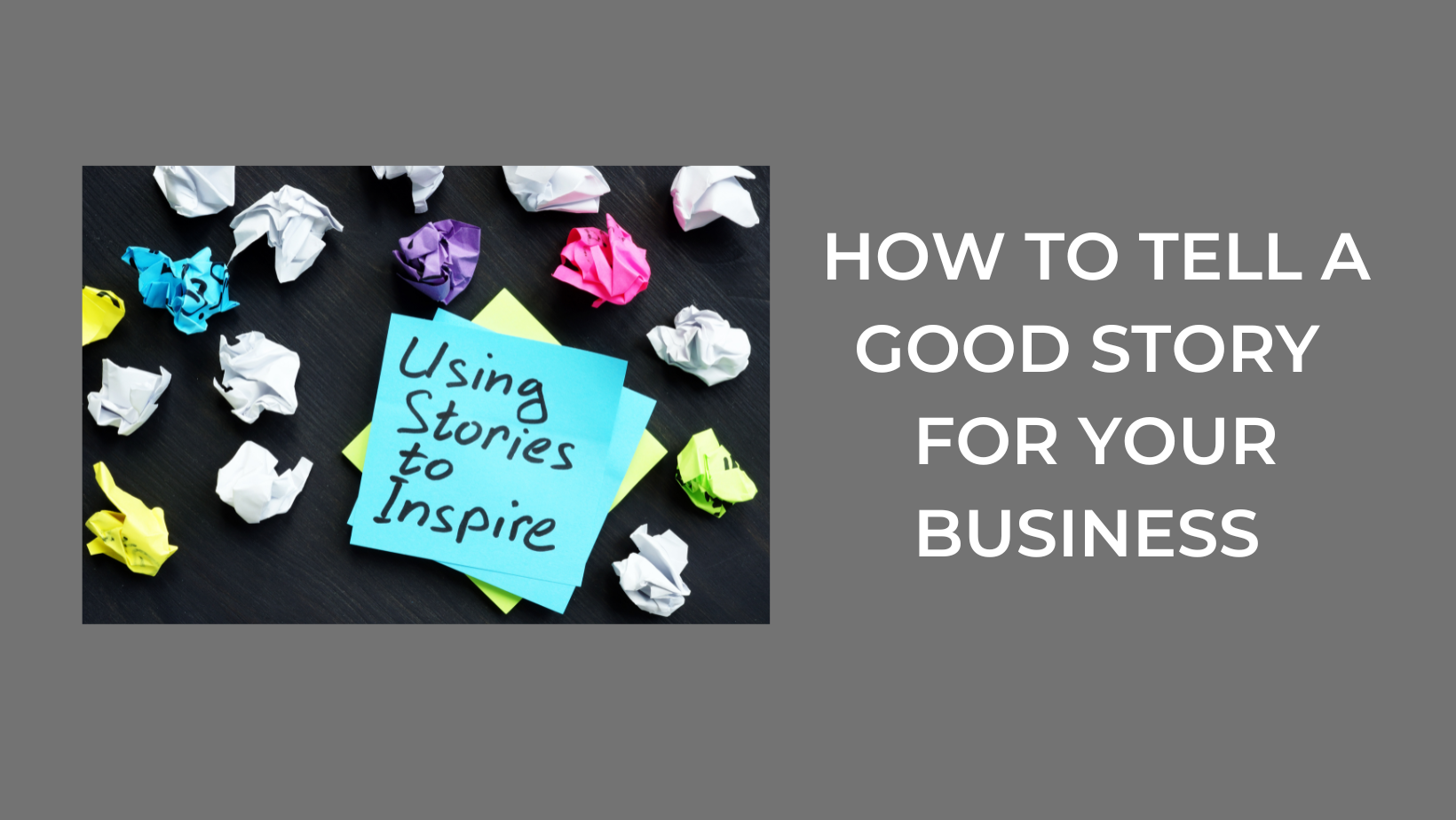
However, I don’t know anyone who doesn’t enjoy a good story, be it personal, emotional, funny, or otherwise. I loved listening to my dad tell me stories of when he was a young soldier in World War II – he used to tell us more about the funny side when we were young, but as we grew up, we heard some of the harder side of his experiences. Telling a story helps our audience to put themselves in our shoes – it appeals to our emotions and our sense of empathy.
We all know about pitching our products and we can do that until we’re blue in the face, but your audience won’t really care unless you give them a good reason to listen. Placing your product at the centre of a story, showing them how it can benefit their lives, not only helps your audience understand more about your product, but it also gives you an extra layer of emotion that makes you stand out more on social media.

Social Media
Most of us are on our phones or devices the minute we wake up, checking messages, emails or just scrolling through posts. It’s often the first thing we do when we wake up and the last thing we do before we go to bed. For those of us in business, our social media account posts are carefully planned and crafted to appeal to our target audience. And even that can be daunting – we worry whether our posts are good enough – will they appeal to the right people? Will people think that they’re rubbish? We compare ourselves to others and fear and doubt can even creep in with our businesses.
We also tend to only share the good things, such as cheery pictures of nights out, a lovely meal, family time – all smiling, date night with our partners etc. etc. But we don’t share our back stories – the stories that make us, US!
This, along with everyone else, gives out a message that we are only allowed to share the good things; things that go well. Having said that, I have noticed that some people are starting to share some of the more private parts of their lives. Now, I’m not saying go out there and share every intimate detail of your life – not at all. But share things that can help your audience.
Share a problem that you’ve solved, share that you’re feeling crap today, or that you feel you’re not doing a good job on something. Sharing this kind of information makes you real…people can empathise – some will have had the same experience, and it can help to build more meaningful relationships.
Telling your story is showing the authentic you – an essential part of who you are.

5 reasons why we need storytelling
- You CONNECT with your audience. You’ll find people who have been through the same thing or feel the same way. You’ll find those who totally get where you’re coming from and who you are. They will share their experiences with you and so it’s a way to start building trust with your audience. When you share your stories, it pushes you to step outside of your comfort zones and to reflect on where you’ve been and how far you’ve come.
- Sharing your story defines your identity to your audience. Sharing your interests, be it political, emotional, funny, or serious issues, it shows you. You can also share your hobbies, as you may find others that have the same interests as you.
- By sharing your own stories, you are helping others to have the space to share theirs. For example, if you share a particularly painful experience, such as miscarriage or mental illness, you’re letting others know that this is safe place to talk about it, that you understand and that there is space for healing. You’ll be helping others by telling your story.
- Sharing a story also heightens the awareness of that subject. It might be something as simple as sharing your weight loss journey, or how you came back from an addiction or homelessness. These things are powerful, and if you can show how you overcame these issues, you are going to be helping someone who is still going through that same thing, and give them hope for their future. This also starts to create a community of likeminded people, who will feel less alone with their problems, and feel they have someone they can share with.
- This can also be applied to business. Sharing a story of how a particular product helped you to overcome your problems. For example, if you sell weight loss products that you have used yourself and had success with, tell your story. If you have a product that has changed your life in some way, shout about it and how it helped. If you’ve used a business to provide a service that has seriously changed the way you do business, or has helped you get more clients, talk about it. If you provide that service and have testimonials that show that, share them as well as your story.
How storytelling helps your small business
- Storytelling help you build a connection with your audience. By sharing experiences, struggles and successes you are creating an emotional connection with your followers, which in turn, help guild trust and empathy, which can lead to a stronger relationship and customer loyalty.
- It help you to convey a specific message. Storytelling can help you explain and convey complex messages or ideas that your audience understand and remember.
- It makes your brand more memorable – if you create a story that speaks to your audience and resonates with them, it can make your business stand out in the crowd. A memorable story, will help your audience remember you and your business.
- Stand out from your competitors – By sharing your unique story and experiences, something that your readers will remember, helps to differentiate yourself from your competitors. By telling memorable stories, you can stand out in the crowd.
Every single person in the world has a story to tell. It might be a personal story; it might be a business story. But if you get out there and tell it, you’ll be surprised at how much engagement you will get.
If you want to find out more about storytelling for your particular business, I offer one-to-one coaching so you can learn how to use storytelling to make your business stand out from the crowd.
Just message me on social media or contact me via my blog site.




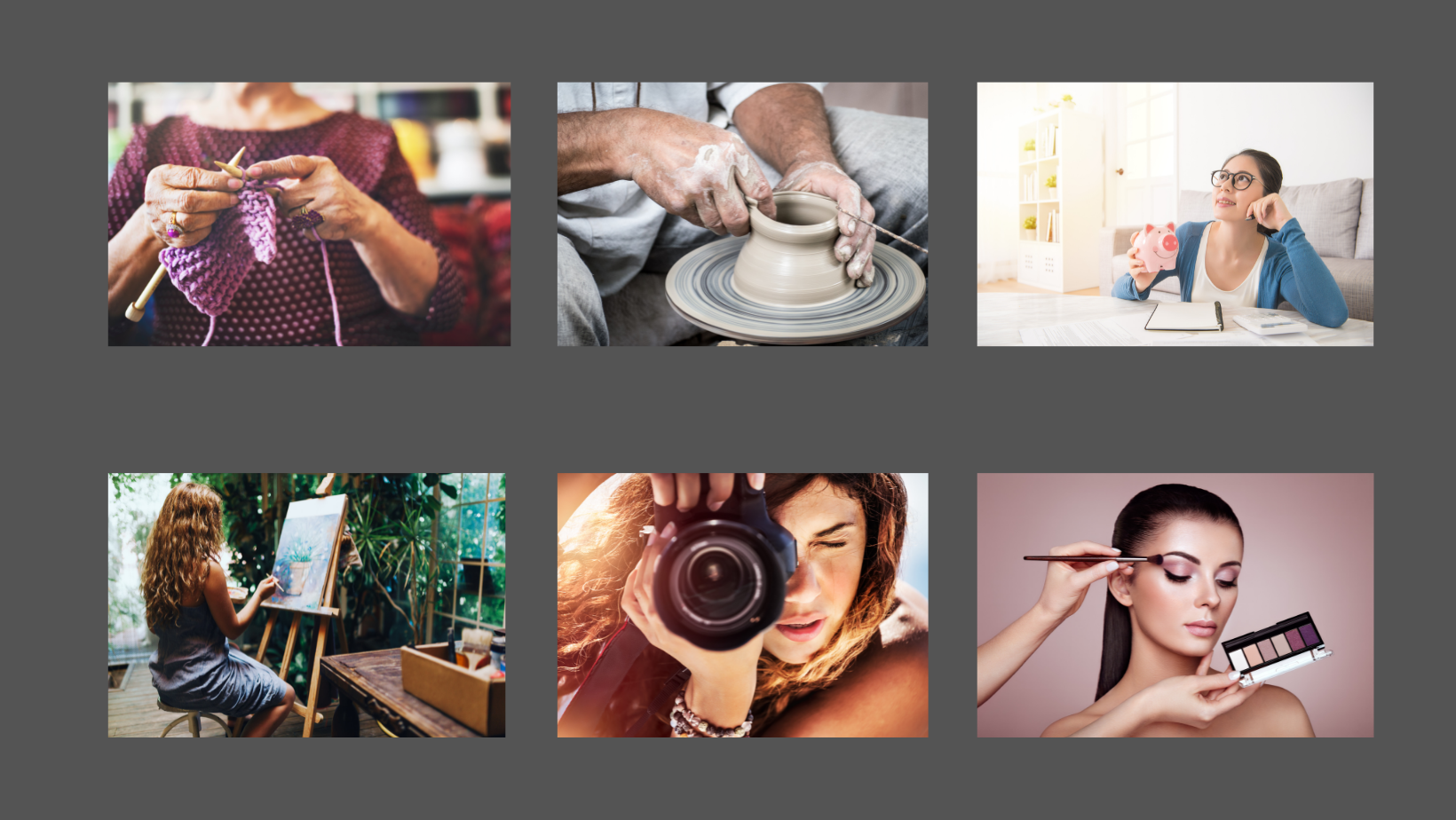










 Have a go yourself, just log into Google and type in ‘Images of cats’ for example…then click on one of the images. Yes, you can copy and paste the image…it doesn’t stop you from doing so, but it is illegal. If you look at the image you have clicked on, there is a caption under it saying, “Images may be subject to copyright.” It is up to you to check before you use anyone’s photo. However I found this was a bit of a hassle, because it can take a lot of research, going to page to page, until you find the information you are after.
 These are the kind of images I now use on my blog and for some of my website images.
 quiet after the Christmas period and January seems to go on forever…or is that just me? It’s a time when we feel lethargic and I always think January feels like a bit of a let-down after the festivities of Christmas and New Year…..a bit like my Chimp friend here on the right!

 The key word here is ‘valuable’ content; content that will speak to your customers, content that they want and need, maybe information that solves a problem they have. In order to do this, you need to know your existing customers and research and get to know your prospective customers, so you can deliver that all important content. It may take some time to get it right, but when you do, you will have the opportunity to expand your business, build your reputation and ultimately be known as an expert in your field.
 Depending on what you do, that could lead to a sale or a request for your services…and they are likely to return to your site in future.
 business, they are not in the least bit interested in your brand, no matter how hard you’ve worked on it. They are more interested in what you can do for them. If you provide something that makes their life easier, less stressful, and cost-effective and generally entertain them, they will then become interested in your brand as they will see it as something they relate to.
 When you publish your content on your blog or website, make sure that you promote it on every social media site that you have…with maybe a jig around of the title or introduction. You can also contribute to larger sites to get your name out there.
 Having an online presence not only puts your business in front of a huge, global audience, it can help you get more sales and enable you to become more ‘real’ to your customers. The internet never takes a nap, gets distracted or falls asleep, so once you have your online presence, your business has the potential to be working for you 24/7. Customers can see your products and services in their own time, whenever they feel like it, so whether they work 9-5 and go online in the evening or whether they are night-shift workers and search for what they want during their break (at three in the morning), they can find you. More importantly, if you sell products and have an online store, a customer can order from you as soon as they feel the urge…they don’t have to wait for a shop to open at 9am, by which time they might have changed their mind. And they don’t have to travel to get what they want – whether you live in their neighbourhood or whether you lives hundreds of miles away, they can still buy from you.
 Using Social Media is the most common way to let people know your business exists and to build your brand. Social Media networks have millions of customers passing through them every single day – some of them will be your new customers. If you run a social media campaign for your business, or publish useful and high quality content on a regular basis, you can slowly, but surely build your online reputation. I don’t mean constantly bombarding people with images of your products with the hard sell, but taking the time to tell your audience what your product or service can do for them. Solve a problem, answer a question, show them that your products or services are worth buying or using and why.
 Once you have decided to go the social media route, you just need to decide which one or two to go for. There are loads to choose from, but here are the top 15 sites, compiled in September 2016 by eBizMBA Rank – a US company.
  customers about a new product. However it is effective for small businesses to use this method to send out a monthly or quarterly newsletter. This can be written in a friendly, chatty way and is a great way to stay connected to your customers. You just need to collect email addresses of new and existing customers and, most importantly, ask them if they would like to receive your newsletter. You MUST have their permission to do this, so good to have a form they can complete online on your website to ask to subscribe. You can then use it to let them know about any special offers or discounts, inform them about new products and generally tell them a bit about your business and how it works. It’s a great way to stay in touch with customers and build customer loyalty.
 The Write Way