What makes storytelling so powerful?

Storytelling is a very powerful business tool for all businesses, but especially for the small business. It’s something we should all be doing.  

From a very early age, we are brought up on stories. I remember my dad making up stories at bedtime, full of action and adventure, and I was always in there somewhere. Why do we tell stories to our kids? It brings us closer to them, it’s something we can share and it’s something they look forward to.

It’s no different to telling stories as an adult to help your business. It can help create a good marketing strategy, generate sales, and win the loyalty and affection of your audience. There are so many small businesses who don’t realise how telling their story communicates their business brand, vision, and values.

Why is storytelling so powerful for business?

Stories have been used throughout history to give messages to future generations. They convey culture and values that both unite and divide people. History books are full of stories and legends…there are even stories in the bible. And what makes them so powerful? They connect people with fact, ideas, spiritual growth and develop a sense of community. The stories we have in common are what ties families together.

The same can be said about business. Stories not only connect the reader with the writer, they build relationships and familiarity in a way that factual articles and bullet points don’t. Good stories draw the reader in and make a point, which other forms of communication can’t. They enable your reader to learn about you and your business on their own, so it’s important when you decide to tell a story, that it matches the message you want to get across to your audience.

Make it unforgettable and meaningful     

The reason your audience remember a story is because it strikes a particular chord with them. So, if you know about a certain problem that your target audience has, try and write about it in an engaging way that talks to that audience, so it speaks to them, and they have that ‘aha’ moment. Use words and examples that help your audience remember what you have to say, using persuasive language, whilst being friendly and helpful. It isn’t easy, but just takes a bit of practice – looking at the issue from different angles will help people remember your message.

Emotion plays a part

Emotion also plays its part in storytelling. I’ve laughed and cried when reading a book or watching a film on TV. This is because the writers of those kind of scripts know how to tap into the part of us that makes us human. Getting inside the heads of your target audience, and working out what they feel passionate about, will help you influence them with your writing. This, in turn builds a bond or a rapport between you and your readers.

The most powerful stories I’ve ever heard have come from motivational speakers at conferences at the company I worked with in the UK. Stories that tell about a struggle the speaker has overcome…very personal information that they shared and held captive an audience of hundreds of people. The most powerful stories you can tell will be life experiences…maybe a time when you failed at something and how you got back up, dusted yourself down and started again. It could be about a mistake you made that you managed to eventually find a solution to. These stories build connections with your audience and get them on your side, and often it’s something they can relate to. And even better if you can relate or link that life experience to your business. You will get your readers on your side.  

I’m not saying you must open your heart and talk about the most painful experiences or deeply personal experiences you’ve had but pick on something that you know your target audience can relate to – and that may contain something personal or painful. It’s up to you what you share and how comfortable you are with that.  

How to tell your story?

Once you have decided on your message or the important point you want to get across, it’s largely up to you how you write it. But it’s important to think about how you are going to present it to your target audience. If you know your target audience well, you will know what kind of media they prefer. 

They might like to read your stories; they might like to watch you on video or listen to you speaking animatedly on a podcast. You might want to tell your story through a presentation, combining all three elements. It’s up to you. Whichever way you choose, you will be engaging with your audience on a personal level, influencing them to your way of thinking, connecting with them to gain their trust and giving them inspiration.    

If you post on social media, I’m sure that you’ve used quotes from famous people. These are used to make us laugh, cry, entertain, educate, and always have a moral in the story or a meaning that resonates in the quote. Quotes are a form of a short story and that’s why they can be so powerful. Often when I post a quote, people will say that it speaks to them. Some might say ‘I really needed to hear this today’ if it’s motivational or addressing a common issue. What I’m getting at here is that to tell a story, it doesn’t have to a long rambling tale, it can be short and snappy and to the point.

Storytelling is what connects us as human beings, stories help us make sense of what’s going on around us and in the world, and it’s what communicates our values and our beliefs. A good story will make your audience think and feel – and will speak to them in a way that numbers, data analysis or presentations never can. Your stories are what stand out to your audience, what makes that connection with your brand and helps build relationships and loyalty.  

I appreciate that this is not always an easy thing to get your head around. You may think that your story is trivial or not powerful enough, but believe me, it will be.

If you’d like a one-off coaching session on storytelling for your particular business, email me – cindymobey@outlook.com or message me on Facebook. I can teach you the skills you need to tell your story in the most effective way.

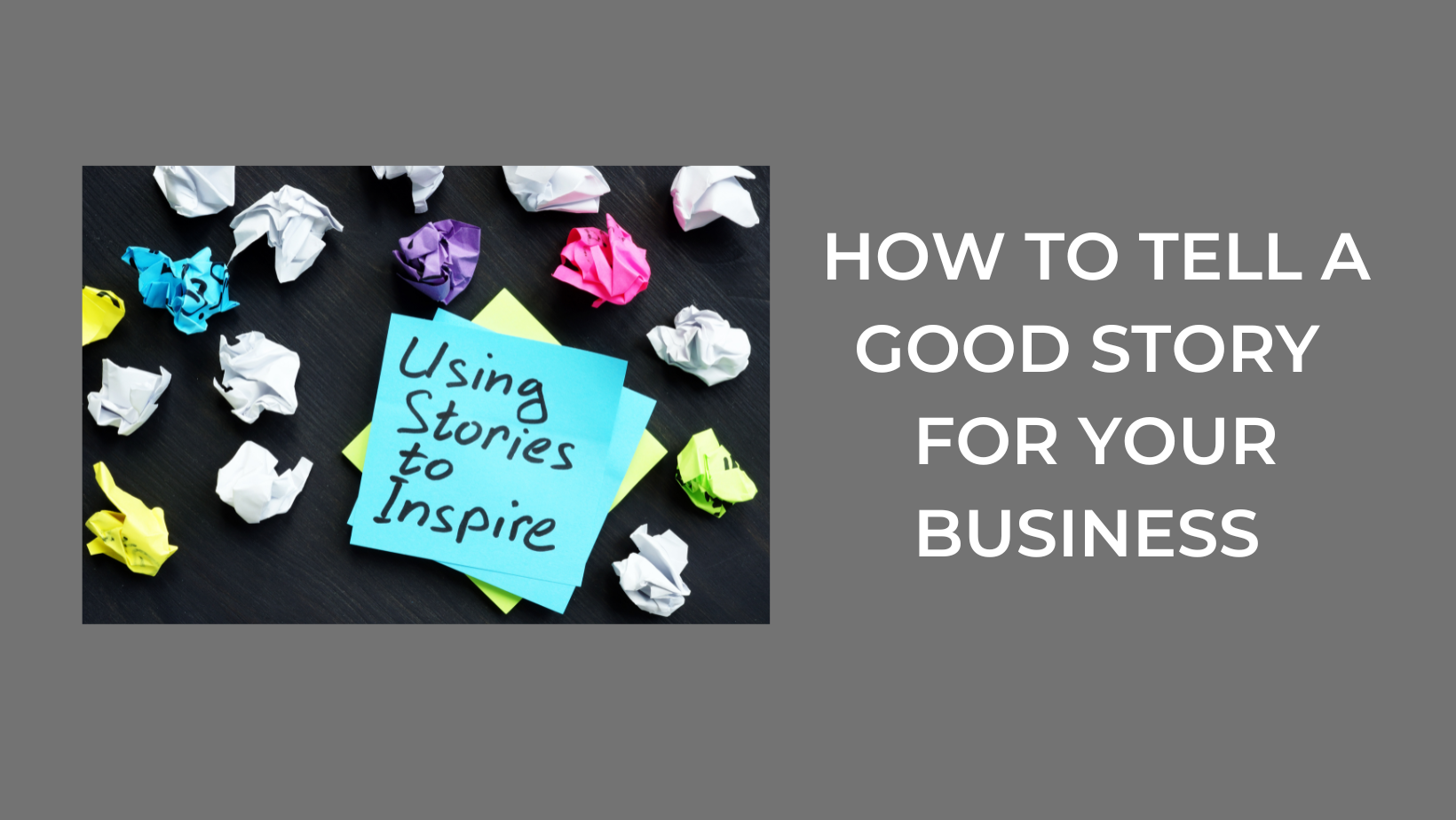
How to tell a good story for your business

We see stories wherever we look, and the bigger corporates have understood the benefits of telling their story for years, as part of their marketing strategy. As a small business, we often forget about this little gem. But it really helps us connect with our audiences and instill trust.

Stories help us understand the world around us. They are a way to help your audience understand more about you, without being overwhelmed by the details about your products. They help show the ‘authentic you,’ so that your customers will be more interested in what you have to say about your products.

Why should you tell your story?

By nature, people are nosy and curious – they like to know about the person they are buying from.

Marketing your business is a real challenge in today’s online world, and there is so much competition, so you need to be able to stand out in the crowd.

Storytelling creates a fabulous connection with your audience. Sharing your experiences helps to encourage and help others and brings your brand to life. It conveys the purpose of your business and what you stand for and helps make your products more appealing.

Content marketing

Content marketing is what helps you to sell your products. You need to release the magic that you put into your products, be it artwork, crafts, photography etc. You are creating a story around you and around your work.

It’s an incredibly competitive out there, so your unique storytelling is what will set you apart from your peers. You might think, if your products are very visual (such as paintings or photography) that your pictures will sell themselves – surely, if people like what you do, they will buy it. Of course, this may be true for a small percentage of your audience. They will see something that resonates with them, or you may sell something that they are particularly looking for and have searched for. But sadly, when people are looking online, it’s easy to scroll past something that would actually resonate with them if they knew more about it…and about you. This is where the importance of storytelling comes in. People remember stories, you want to convince them to love your work as much as you do. They need to feel your passion and understand the reasons why you do what you do – this creates a real connection between you and your audience.

Know your audience

The first thing to think about is your audience. Do you know who your target audience are? I’m not going to go into detail about how to identify your target audience and building a buyer persona, but if you click on these links, you can see previous blog posts where I have gone into detail about this.

How to identify your target audience

How to create your buyer persona

It’s really important to know your audience, so you know how to approach them and what kind of content will make them look at your products.

How to tell your story – the monomyth

There are lots of ways to tell your story. In this blog, I’m going to look at the Monomyth, which is just one concept.

Joseph Campbell, an American author, who worked on mythology produced the idea of the Monomyth.

He said that most myths contain some common elements – heroes start out as lowly mortals; they receive some sort of call to adventure and divine assistance to get started. They encounter obstacles along the way, go through a transformation and return to where they started as a hero, changed for the better in most cases.

An example

I’m going to use Tolkien’s ‘The Hobbit’ as an example.

Bilbo Baggins was just a normal hobbit, with a peaceful life, living in the rural Shire. One day, the wizard, Gandalf, calls on him to persuade him to join Thorin and his twelve dwarves to recover their stolen treasure, which is being guarded by the dragon, Smaug.

So, although he initially resisted, Bilbo embarks on a fantastic adventure, where he stares death in the face and returns a stronger, wiser hobbit, and is the hero of the story.

When you are telling your story, the Monomyth is a great way to structure it. If you do this well, you will get and keep your audience’s attention. There are lots of people who have different concepts about the Monomyth, but I like the remarkably simple version and its structure.

The Monomyth

Let’s start at the beginning…your calling

Like Bilbo Baggins, at some point you felt the calling to do what you do. It might have been a slow realisation that your hobby could be more than just a passing interest. It might be that it’s been a lifelong passion that you felt you could no longer ignore. It could be that you express your beliefs and interests through your work and that you’re getting a message out there.

Whatever it is that brought you to where you are today – these are the things you should use to introduce yourself to your audience.

Talk about what inspires you…is there a meaning or reason behind what you do?

The idea for this part of the Monomyth is to excite and enthuse your audience. You might feel that your reasoning behind what you do is quite mundane, but to your followers, it will be interesting.

The obstacles

The next part of the Monomyth is the obstacles.

  • People love to hear how you overcome obstacles or opposition
  • Your audience what to talk to you and hear about your processes – for example, if you make something or paint, how do you start on a new piece? People love to see a work in progress too, so showing the process in a step-by-step series of posts is a great idea to engage your audience.
  • Talk about the difficulties and how you overcame them.

Good old Bilbo faced danger and adversity to fulfil his mission. What were the obstacles that you faced? You may not have had a great tragedy in your life, (I hope you haven’t), but everyone, no matter what they do, meets adversity or resistance at some point when creating their work.

Some ideas might be…

  • Dealing with health issues
  • Figuring out how to make or do something that was very technically challenging
  • Coming up with funding – how do you fund what you do?
  • Struggling to communicate what is really happening behind what you do
  • Struggling against a system that puts you at a financial disadvantage

For example, we’ve been experiencing one of the worst global pandemics in years and the world basically shut down. How did that affect you and your business? I know it had an affect on my business and on the businesses of several friends.

Did anything you have experienced during lockdown, or during the pandemic, that inspired you and your work?

You might have a story about going into a dark place, where you really struggled to do anything. How did you cope with that? What did you do to pull yourself out of the abyss? I know this sounds a bit dramatic…but you get the picture.

Emerging triumphant

At some time or other, when you are in a creative mode, frantically getting everything down or done that you can, you emerge from your whirl of creativity. This is where you want to sell your products.

It could be that you have an online shop, a physical location, or sell on social media. However, you do it, this is the time to start asking for a sale, via advertising or posting about your actual products.

Make sure that you use a good product description to help your sales.

The returning hero/heroine

Finally, you have success, and like Bilbo Baggins, you are the hero/heroine of the story. When you sell something, share your victories with your friends and family – no matter how big or small. Celebrate your wins! Write about it on social media, on your website or in your blog or email. Be proud of what you’ve achieved…and don’t forget to thank your audience.

You’ve worked hard to get that achievement and you need to show your passion and excitement for your success.

Conclusion

That’s the Monomyth – in a nutshell! It is just one way to tell your story, but it works well as a structure and can give you something to aim for. Put yourself at the centre of your story and share your journey.

Your audience will love to see you progress and will enjoy celebrating your wins with you. Storytelling is a great way to develop your personal brand and to portray the ‘real you’ to your audience. Good luck!

If you’d like to get more marketing tips delivered to your inbox, please sign up to my email subscription. It’s completely free and you get a 102 post ideas for social media as a thank you for signing up. You also get ‘member only’ access to a restricted area of my website, where you will find lots of free resources to help you market your small business.

A picture is worth a thousand words

As a small business owner, most of us use social media or blogs to promote our businesses with our potential and existing audience. But when you know that most audiences engage with your content within the first eight seconds, it’s crucial to draw them in. This is where images are invaluable.

The phrase ‘a picture is worth a thousand words’ simply means that an image can convey a point or idea just as effectively as the written word. Images sometimes speak to us and actually say more than any caption you could write. According to Wikipedia, the phrase was first used by a journalist in 1911, so it’s nothing new. A photo or painting can show you certain emotions with one glance.

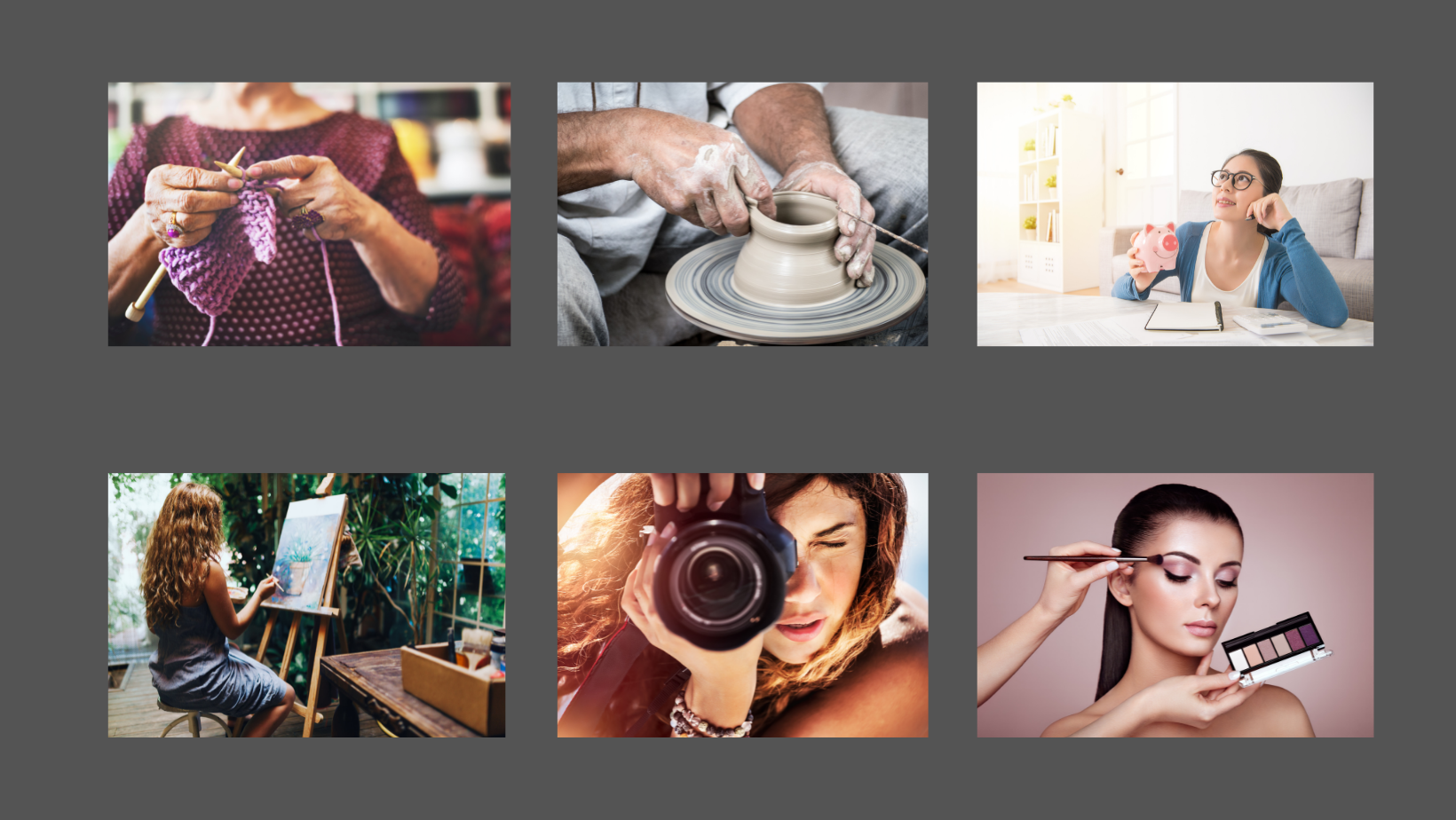
Images can be calming…quirky…modern…shocking – the media use images to convey their story. What do the images below say to you?

Some are calm images, some a bit scary – they might mean different things to different people, but they are very important in an article or blog and help pull a reader into your writing.

Audiences are lazy and don’t necessarily want to read a full article to get the gist of it – they want information as quickly as possible. However, if you were to write a blog post with just images, it wouldn’t mean a lot; they are important, but they have a supportive role that enhances your writing.

When writing anything, paragraphs are used to break up the text – in the same way, images should be used to help break up the monotony of just words on a page. If faced with a very long piece of text, in general people are more likely to scroll on through, but if the text is broken up with relevant images that illustrate what the text is about, this makes the text easier on the eye, easier to read and understand.

strawberry-2293337_640

Clear, crisp image! Strawberry splash!

When writing online, it’s important to have clear images. You can either take photographs yourself (make sure that they are high resolution) or you can use photos from the internet. However, it is very important that you do not breach any laws of copyright, so use a reputable site to source your images. There are several different types of images available…

  • Royalty free – you can usually use these images as you like, but you must not edit the pictures or resell them.
  • Rights managed – With this type of image, you have to buy a single-use license for each image you want. You also have to decide where and how you are going to use that image. As the license suggests, it is for single use, so if you buy it for an article or blog post, you wouldn’t then be able to use the same image elsewhere – you would have to buy an additional license.
  • Public domain. These images don’t have any restrictions, you don’t have to ask permission to use them and, although it’s considered courteous to put an accreditation note on the image, it’s not necessary and definitely not obligatory in any way.
  • Creative Commons. These are images that have been created by someone who wants to have accreditation to his/her work.

There are lots of sites out there, for example,  Shutterstock,  are great for buying images. If you want free images, check out Unsplash or Pixabay. I use these regularly!

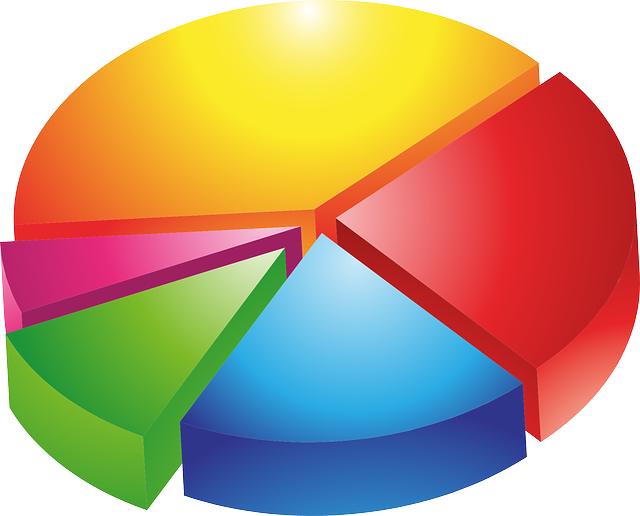
pie-chart-149727_640Images don’t just have to be photographs. If you’re trying to explain something technical, screen shots can be a great way to illustrate what you’re trying to say. And graphs, pie charts and info-graphics all have their place too in helping to make your text stand out and to help you tell your story.

Images are also fabulous at helping you with Search Engine Optimization (SEO). If you add an image to your blog, put a caption on your image. This caption  or alternative text, as it is more widely known, is what Google uses to crawl the internet looking for images, so descriptive ‘alternative text’ can help Google find your images…and therefore your blog.

ID-100245378Images of people are always popular; as humans we tend to relate to other humans, so the image of someone’s face will pull readers in. There are lots of stock photo images of groups of people and individuals, but don’t use these too often as they are too staged – try and take some of your own. If you’re giving someone advice about a topic, include a photo of yourself smiling and encouraging. Your readers will be able to relate to you and it’s always good to know the face behind the words!

Obviously you don’t want to overdo it. Images should be there to serve a purpose and illustrate a point. You don’t want to shove in a few pics randomly – they need to relate to your content.

Finally, size isn’t everything! You don’t want your images to overpower your words, so keep them to a reasonable size, so your reader can see them without zooming in, but not so big that they take over the text.

I hope this has been helpful. Please let me know if you have any further hints or tips for using images alongside the written word.

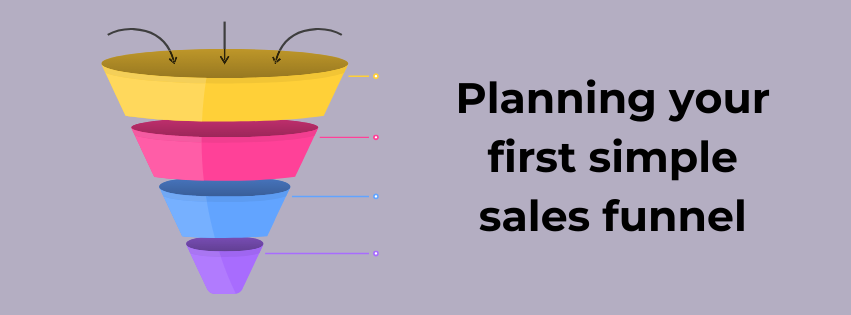
Planning your first simple sales funnel

A sales funnel is the journey you take your customer on to lead them from follower who may or may not be interested in what you do, to getting a sale or a sign up to one of your services.

My last blog looked at how to create a sales funnel, which gave information about all the various steps of a sales funnel. This blog post breaks things down even more and gives you an example of a very simple first sales funnel.

Step 1 – free content

The awareness stage focuses on attracting potential customers. This typically starts online with social media posts and/or blog posts or maybe YouTube videos – FREE information that you give out. This is where your potential customers enter your funnel –the awareness stage.  

Potential customers could stay at this stage for a long time – they love your content and enjoy learning the things you teach them or show them. So free content moves them into the education stage.

Step 2 – you introduce your low-cost offer.

I’m going to cover two ways to introduce a low-cost offer to entice potential customer to buy.

Social media offer

With social media, you can offer a substantial discount to get a customer through that first hurdle of buying from you. I often see ‘Tenner Tuesday’ or ‘Fiver Friday’ on Facebook. This is a risk-free and low-cost way for a potential customer to try out your products or services.

This is a good way to get that first customer, but there are no guarantees that they’ll buy again from you, because other than seeing your business and your products on social media, they may not look for you again. If you have a website or online shop, it’s important to give them details of this so that they have a further opportunity to look at your products/services.  

Opt-in offer.

If you have a website, then you can set up an opt-in offer that encourages your potential customers to subscribe to your email newsletter.

Opt-in content is still available to your potential customers free of charge, but this is where you get an email address in exchange for the content. Subscribing to your email newsletter can be the first step towards the decision stage, where they say ‘yes’ to something.    

So, your opt-in offer is something you give away for free to get someone to subscribe to your newsletter. What you offer will depend on the type of business you run. It could be:

  • An e-Book or PDF
  • A checklist
  • A free small product (although I wouldn’t advise this as it will cost you money for postage)
  • A small discount
  • A tutorial on ‘how to’ do something
  • A webinar or video series

This is called a lead magnet, because it attracts a potential customer with the free content, (like a magnet), which entices someone to give their email address (lead).  

So, they sign up via your website or link you’ve put on social media, and they receive their free content, in exchange for their email address. You now have them signed up to your newsletter – and they have said that first ‘yes.’

Step 3 – have a further offer within your newsletter.  

When someone signs up to your newsletter, they will usually get a thank you email, with their free offer attached or a link to download it or go to it (if it’s a video or tutorial).

Then you have a small email sequence that begins to nurture that relationship, and you can suggest a further offer, which is a low-cost offer. This low-cost offer is very low risk to the potential customer, and low risk to you as it doesn’t cost you much, if anything, depending on what it is. It means that your potential customers can try out your paid offer without spending a lot.

What you offer, again will depend on what kind of business you are. For example, you could offer a low-cost webinar or tutorial, that you send them online, or that is on your website in a hidden page. It could be you offer an incentive to buy something with a discount (like your Tenner Tuesday or Fiver Friday) if you’re a product-based business.  

If they take you up on the low-cost offer, they have taken the first step to being a customer and your funnel is working! And so long as your low-cost offer gives them great value and they love it, they are more likely to buy from you again – and pay a little more for your higher cost products or services.

It takes time.

It takes time for potential customers to decide to take you up on one of your more expensive products or services, but by nurturing that relationship through your email newsletter, where they learn more about you and your business, and get to know you more, there is a chance they will convert to a regular customer. You can also continue to nurture this relationship on social media.

The decision stage and action stage can take a while for your follower on social media, or subscriber to your newsletter to trust you enough to buy from you, but it will happen. By creating the odd offer or discount every now and again, it will further encourage that undecided someone to convert to a buyer or client.   

Once you’ve mastered that all important simple funnel, you can move on to something more complicated, such as upsells and downsells, or even move them to a more profitable funnel, which if you have email marketing, you can do through segmenting your market – which is another blog post in future!

If you find this all a bit too complicated, you can book a free call with me to discuss how I can help you move forward and create your own sales funnel.  


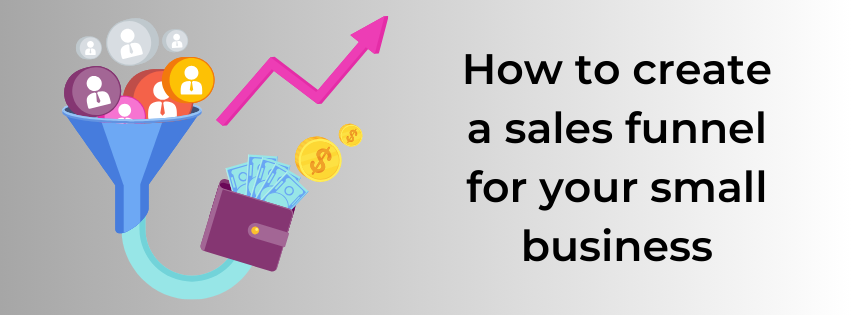
How to create a sales funnel for your small business

There is so much to do when you have your own small business and the most difficult thing that my followers tell me about is how hard it is to get sales. There is no ‘one size fits all’ answer, but a sales funnel is a way that can help push your potential customers in the right direction.

A sales funnel gives you a structure to encourage your potential customers through, on a journey which is designed to turn them into happy customers. There are lots of ways to do this, but I’m going to explain in this post how to create a simple, but effective funnel that anyone can use.

What is a sales funnel? 🥴

A sales funnel is simply a pathway you want your potential customers to take on their way to loving your products or services enough to buy them. It’s about moving them from first finding your business, to them taking their first action.

It’s called a funnel because, like a funnel, the number of potential customers will decrease as they move through each stage, so you’re left with the ones that want to buy from you.

Before you think about your funnel, you need to think about two specific questions:

  1. What is the most important problem that your products or services solve for your customers?
  2. What is the first step you want potential customers to take?

No matter what you do, you will solve a problem for your customers:

🍔 You’re a restaurant – your customers are hungry – you provide the solution.

🧵 You make greetings cards – your customers want a card for a specific occasion – you provide the solution.

💻 You provide a marketing coaching service – your customers need help and guidance on how to market their business – you provide the solution.

🎄 You have a crafting business and make Christmas items – your customers need to decorate their house/tree/cake for Christmas – you provide the solution.

I could go on, but I’m sure you see where I’m coming from.

What is the first step you want potential customers to take? You may want them to go to your website, browse your online shop, engage with your social media posts, read your blog posts, or subscribe to your newsletter. All these things contribute to you getting to know potential customers and leading them on their journey.

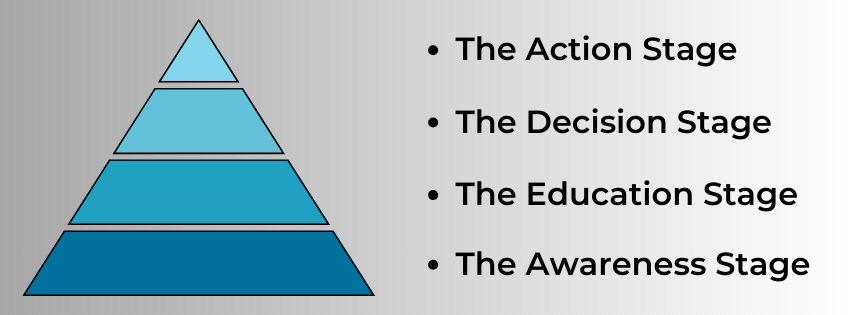
The four stages of the Sales Funnel

There are four different stages in the sales funnel:

  • The Awareness stage – where you are focusing on attracting potential customers. This is about promoting your business – putting out good content on social media sites, where you can highlight your expertise in what you do – be it creating products or offering a service. 
  • The Education stage – this is where you capture leads and really build relationships with those potential customers, by demonstrating how you solve their problems. This is where you want them to see that you are an expert in your field. Whether you:
    – write ‘how to’ articles to help your audience.
    – take the most beautiful photos that mesmerise your audience (and sell them on canvas, on mugs, on cards, magnets etc).
    – video yourself creating your product so your audience can see the exact process you go through.
    Through these things, you’ll show your potential customers that you are an expert at what you do, you know what you’re talking about and that your products or services can help them.   
  • The Decision stage – this is sometimes also called the engagement stage because this stage is where you truly engage your audience to take one action. If your sales funnel is working, your audience will take one small step closer to a sale. That one little ‘yes’ can bring you closer, but you must lead them there. This is where a call to action often comes in. You TELL them what you want them to do next. That could be:
    – sign up to your newsletter.
    – read another of your blog posts.
    – watch a video
    – contact you
    – go to your online shop or website
    – follow you on SM – giving them details of all your socials
    Once they say ‘yes’ to one decision, they’re likely to say ‘yes’ to others.
  • The Action stage. Just like the title suggests, this is where your potential customers take positive action and become customers. Your leads have converted to sales! This is sometimes known as the Conversion stage. During this stage, your customers will buy your products or services, or buy your online course, opt-in to your email list, request more information from you about your product or service or book a call. 

Conclusion

Sales funnels always sound very complicated, but they’re not if you follow these simple steps. 😀 You may have to adapt some of it to suit your particular business, or depending on what you want your end goal to be. I’ve used the end goal for this funnel to be ‘make a sale’ but you can use the same principle for any other goal you’d like to achieve with your business.

If you still think this is a bit overwhelming and need help in putting a plan in place, I can help you with this through a couple of coaching sessions. 👩‍🏫

Get in touch if you want to find out more, or if you want my help.

Using emojis to boost your engagement! 🤩

This might surprise you, but according to Quintly, the use of emojis on Instagram increases engagement by a huge 48%. They found that posts using emojis on Instagram have an interaction rate of 2.21% and posts without have 1.77%.

And, according to stats shared by casualastronaut.com “Using emojis in Facebook posts increases likes by 57%, comments by 33% and shares by 33%.”

Now that might not seem like a lot, but when you consider that there are more than 2 billion smartphone users throughout the world, sending more than 41.5 billion messages and 6 billion emojis every single day (source digiday.com), that’s a good percentage.  

People just love emojis, they’re fun and engaging and a great way to communicate online. Emojis add that personal touch from smiley faces, to hearts, to sad faces to thumbs up – they convey a whole raft of emotions in a quick and easy to understand way.

Obviously, not every business will want to use emojis as it’s not appropriate for everyone, such as solicitors and funeral parlours, but they can help make your brand more fun.

However, this doesn’t mean suddenly using shed loads of emojis in every post you do on social media, they need to be used in moderation. If you use too many, your brand could be seen as unprofessional or too jokey, so use them sparingly and appropriately.

How to use emojis to fit your brand 

Every business has a different brand – a different way of saying things (tone of voice) and if you use emojis, they need to fit your brand. For example if your business is fun, bright and colourful, and known for being more lighthearted, you can use the laughing face,😂 heart eyes face,😍 smiley face 😀etc. But if your brand is more serious, you might just want to use a thumbs up or something less ‘in your face’.

Make a list

Now, I love a list and this is going to be a super fun list to compile! Go through all the emojis and make a list of the ones that will fit your brand. You’ll be surprised at what you find that will fit with the products or services your offer. Once you have your list, you can then decide what kind of posts they can be used in. Then you have a stock you can use and you’ll know exactly where and when to use them. For example, if you bake cakes, there are several emojis you could use – if you do events, there’s a party popper emoji. You get the idea!  The main thing is to have fun with them and find ones that shout your brand.

Where else can you use emojis?

Emojis aren’t just for social media posts – you can also use them in your bio to emphasise what you do.

Blog posts

If you write a blog, you can use them in your blog posts – this is something I hadn’t thought about to be honest! Again, it’s about using them sparingly, but they can be great to emphasise a point you’re making.

Email or online newsletter

Also, use them in your email subject lines. There have been several studies done on the use of emojis in email subject lines and open rate. Most saw at least a 56% increase in open rate when an emoji was used in the subject line.

A further study by Econsultancy.com found that using a snowman emoji in the email subject line during the holiday season, increased the open rate by 66%. 🙌

Obviously once again, different emojis will work differently for different businesses, so it’s worth testing them out to see which ones work best for your business.  

🌟Bullet points – so long as the subject you’re talking about isn’t deadly serious, you can use emojis instead of bullet points to highlight the content of each bullet point. This will draw the eye of the reader to each bullet.

🌟In the opening of your email – instead of just saying, ‘Good morning’ or ‘Hello😃’ add a smiley emoji – it can help start the email on a happy, positive note.

🌟Use in blocks of text – if you have a long paragraph where you’re explaining something that could appear dull to the eyes of your readers and you want to make it stand out more, you can use emojis within that text to break it up a bit. Using emojis can make your writing easier to scan and to digest lots of content.

Emojis in close up and sign off – You can use an emoji at the end of your final paragraph, once you’ve summed up the content of your email. For example, ‘I hope this has helped you to understand XXXXXXX. Contact me if you need any further help’.

Also, test this out with different sign offs such as ‘Thank you🙏’ or ‘Kind regards🥰’ adding an emoji after the sign off. Which emoji you use will depend on if the email is fun or more serious.

Conclusion

As a lot of the emojis are the equivalent of human faces, the brain tends to behave the same way as it does when it looks at a real face. And this is why emoji engagement can help your social media posts, blogs or emails. It makes your particular piece more relatable.

Studies have shown that emojis make people feel happy, as it’s unconsciously seen as personal interaction.

Whichever way you look at it, I’ve been surprised by this research and the various studies, but it does make perfect sense. I’ve used too many in this blog post, as I’ve used them for explanation purposes! I hope it’s helped you see how many different ways you can use emojis!

Give it a go – you might have a lovely surprise! I’d love to know how you get on with them.  😘 😘

Hashtags and Facebook

Facebook is getting harder to manage due to the ever-changing algorithms. This makes it really hard for you to make your small businesses visible to your followers if you’re not paying for ads.

One of the ways to help with your organic reach is to use hashtags as they can help you improve your content’s engagement.  

Why do hashtags help small businesses?

Here are four reasons why hashtags are worth the time and effort on Facebook:

  • Posts with hashtags can be found in a Facebook search. We’ve all used the Facebook search to find what we’re looking for – for example I’ve looked for old school friends using the search bar. In the same way, you can search a hashtag. So, using hashtags on your post to make them more visible is going to help your reach.

    Using relevant hashtags will help you with your visibility – for example, a local hashtag such as #scentedcandlesswindon, can help your local visibility for scented candles. Or if you use a hashtag such as #smallbusinessweek2024, someone looking for that could come across your page.

    The people searching hashtags may not all have a genuine interest in your type of business, but if they do, they’re likely to look at your page and content.
  • If you are using other social media channels, such as X or Instagram, and running a particular campaign, or talking about a particular product or service, using hashtags on that channel, add them into your post on Facebook to keep your channels consistent. You can use the hashtag IN the post, not just at the end, so long as it is relevant. For example, if I’m doing a marketing post about Small Business Week, I could incorporate it in my post – ‘Good morning. The week is #smallbusinessweek2024, so today I’m going to talk about …….’ You get the idea.
  • Hashtags can also help to create a community on Facebook. If you share or create a unique hashtag, you can find people who have the same interests or who are in the same group as you.

    Using your own unique branded hashtag on Facebook can also increase the visibility of your business, such as the one I use #cindymobeymarketing (which is also the URL of my website). This also makes it easier for people to find relevant related content.
  • If you host an event or regularly host events, creating a unique hashtag for that event can give people an easy way to stay updated on that event. You can also do posts about the event using your own branded hashtag for your business.   

How do you know which hashtags are good for your posts?  

To decide which hashtags are good to use for your business and your posts, you need to know that it’s relevant and popular before you use it. You can do this by:

  • Checking which hashtags your followers and customers use. This means they will relate to you and if they’re searching a hashtag they regularly use, your content could pop up.
  • Use Facebook’s recommendations – when you are scheduling posts, as soon as you start to type a hashtag, you’ll get a drop down menu that will give you variants of what you’ve typed and the volume for each of those hashtags, so you’ll be able to see which ones are popular – try and use a mix of volumes.  
  • Look at your competitor’s posts on their Facebook business pages and see what hashtags they use. They might have great engagement partly because of the hashtags they use, so you can add some of them to your list. This is not stealing their ideas, it’s just doing competitor analysis, which is all part of social media marketing.

Facebook hashtag best practice

Here are a few extra tips for Facebook hashtag best practice.

  • Use hashtags in sentences. For example, if you were sharing information about an event you’re attending, such as a night market, you’ll be doing a post about that. Instead of writing ‘This weekend you can find us at Makebelievemarket on Saturday #makebelievemarket’ – use the hashtag in the sentence, ‘This weekend you can find us at #makebelievemarket on Saturday. It looks tidier and incorporates the hashtag into your sentence.
  • Don’t use spaces in hashtags. For example, you would use #makebelievemarket – NOT #Make Believe Market – as only the first word after the hashtag will count and it will be a completely different one – and not relevant to what you’re talking about!
  • Don’t use too many hashtags. It is recommended to only use up to five hashtags on Facebook posts. If you have too many, it can confuse the algorithm as hashtags act as keywords to help people discover your posts. Using fewer hashtags is also easier for you analyse which ones work best for you, as not so many to look at.

    That’s not more than five in the whole post, including any you use in the sentences too.
  • Make sure the hashtags you use are relevant to your content and your business. This seems obvious but a lot of people use hashtags for days of the week, for example #throwbackthursday. If your post is about a happy memory or a throwback of a previous product that you remember fondly, it’s relevant. If you’re writing about a new product or something irrelevant, it won’t help you with engagement if your post is found on that hashtag and that person is searching for #throwbackthursday.     
  • Check your privacy settings. If the settings on your Facebook business page is set to followers only, then you’re wasting your time using hashtags, as you need your setting to allow non-followers to view your content. All my settings on my business Facebook page are set to ‘public’ so anyone can see anything I post. Ensure that your posts are ‘public’ too.

    Please note: If you’re using your personal profile page to test your hashtags, you’ll need to make your posts ‘public’ manually.  

Measuring your hashtag use  

You can measure how your hashtags are doing by looking at your ‘Insights’ on Facebook.

  • Go to your insights and click on ‘posts.’
  • You’ll see a breakdown of your engagement rate, type of post and total reach for each post.
  • Now, it won’t give you hashtag performance, so you’ll need to work through your posts and data to find out whether your Facebook posts with hashtags work better than those without (so some testing to do), and over time you’ll be able to see which posts with a particular set of hashtags work better than other sets – again this will be through trial and error, and a bit of insight research

At first you may not see that much difference in results because you won’t have used a particular hashtag enough for it to build a connection between the hashtag and your page/business. This is another reason why fewer hashtags are easier to manage – you won’t know the results if you use shed loads!  

I hope this has helped in understanding how hashtags can work for you and your business on Facebook.  It might seem complicated, but once you get going, it will become second nature.

As always, if you need any help, feel free to message me on Facebook @cindymobeymarketing or email me cindymobey@outlook.com

Other blog posts I’ve written about hashtags include:

Are hashtags still viable in 2024

Hashtags FAQ 

Is your business suffering from the summer slump?

Although the summer is great weather-wise, well….normally (!) and we all look forward to those long lazy days and BBQs, the summer can have an adverse effect on small businesses. You very often see that summer slump in sales, or those wanting to take you up on your services.

The summer slump is a real problem for some businesses, and usually this simply means that time in summer when business seems to drop off. You don’t get so much engagement on your social media pages, sales disappear, and generally, everything seems to grind to a blinding halt. Know that you’re not alone!

The main reason for this is that in general, people just stop paying attention to the things they normally do. The children are off school and need to be entertained, the weather is nicer so they’re thinking about BBQs and social gatherings with family and friends. They are also thinking about going away on holiday, or visiting family for a few days. Add to that the rising cost of living, which is horrendous this year, and you’ll realise the summer slump has been more of a pain than usual!

This year, I’m seeing that small businesses are telling me that they are experiencing a real slump in their sales and really struggling to get engagement on social media.

So, do you just wait for things to pick up by themselves? And they will, once the summer holidays are over, people start thinking about Halloween and Christmas and will start buying again and engaging on social media as the nights draw in. There are still some things you can do to ensure that your business is still being seen.

Here are some things that might help:

Don’t stop doing what you normally do

This seems obvious, but it’s important to still have your business out there. If you post once or twice a day on social media, continue doing that. Be consistent, just like you always have. you can always repurpose that content again later in the year when things pick up.

If you publish a weekly or monthly blog, do it, even if you don’t get much engagement – again, you can always repurpose it later.

If you send out an email newsletter, absolutely still do this. The tips that follow will help you with the sort of things you can talk about. And people still tend to open their emails, even if they let social media slip a bit, so it’s more likely that your newsletter will get read.

Get those updates done!

This is something most of us try to put off, but during a slump, this is the time to get them done. It might be you want to update your logo, or update your website content or shop. You could take some time to plan some future content – maybe your autumn or winter sales and organise your Christmas products or services.

If you have sales material, presentations, case studies, welcome pack, an automated email newsletter, or a website, now is the time to review them and update them, so they are all current and nothing is out of date.

When you have done that, you can do a couple of launch posts to show your new-look website or landing page.

Update your Facebook cover and your profile photo. And spend some time thinking about your brand and how you can better show your brand in your social media posts.

Look at starting a new inbound marketing campaign

What do I mean by this?

Create a new campaign on your social media or email, to attract customers. You do this by tailoring your content to what they need, problems they need to solve, and forms relationships with your followers.

The old way of mass marketing just doesn’t seem to be as effective anymore. Things like pop-up ads and the hard sell are more likely to put people off these days. So, it’s a softer approach you’re after.

Get going with educating your current and potential customers about your products or services. Use email, direct mail, and social media posts/stories/reels/video to teach your audience more about your products or services and how you can help solve some of their problems.

Go ‘live’

Hold a live event or a series of events highlighting what you do best. Include details of your best sellers, and don’t forget to include testimonials or case studies to help you. Success stories always sell.

Focus on your customers

This is a good way to look at how you can serve your existing customers better. Look at whether your customers use your product or service to its full capacity. Look at feedback to find out if there are any needs that your product isn’t meeting that could be tweaked in future. You can do this simply by messaging your customers and asking for their opinion. People like to be involved, so ask if there’s anything you can improve on, or if there is anything you don’t yet provide that you could provide in future.

Ask for referrals

This speaks for itself, but whilst you’re quiet, you can ask for a referral – and maybe offer a discount if the person they recommend buys from you.

Ask for testimonials. You may get regular testimonials, but some people just don’t think to give them, so there’s no harm in asking.

Join a networking group

There are so many groups on social media that you can join. It just takes a little bit of time to engage with the other businesses in the group. Look at other businesses, engage with their posts by commenting. You might find something you’d like to buy. This is a great way to build genuine relationships with other like-minded people.

If you have any local in-person networking events, try to get along and introduce yourself. Face-to-face events are great for networking in real time. Make sure you are armed with a stock of business cards to give out and ensure that you listen to other businesses and what they have to say, as well as talking about your own!

Share your schedule

If you are going on holiday in the summer, tell your clients about it beforehand. Encourage them to place orders before you go, so they get their orders in good time. Scarcity sells, so don’t miss out on this one.

If you know that you have customers who buy Autumn items from you, such as Halloween products, contact them early and show them your range, asking if they’d like to order early to beat the rush.

Invest in you

When your business is quiet, it’s a good time to learn new things or develop new skills. Or, just to brush up on what you already know. Book a coaching session to help you with a specific part of your business, sign up to a few webinars, or look at a short course that will help you grow your business further.

There are lots of free courses out there that you can sign up to – https://www.udemy.com/ is a great place to find free or very reasonably priced online courses.

Conclusion

These are just a few ideas to help you beat that summer slump. Doing some of these things will make you feel more proactive, and you’ll be raring to go once the summer is over and we are into autumn.

I hope that you have a great summer and that the weather improves and stays sunny, so we can enjoy it!

If you have any questions, or would like to speak to me about anything marketing related, you can contact me using the contact form or email me direct at cindymobey@outlook.com

SEO strategy and social media

Using social media to help promote your small business is a given. It is something that businesses automatically know they need to do to be visible online.

What’s the difference between SEO strategy and social media?

SEO (search engine optimization) is a factor in helping your social media strategy, but there is a difference between social media management and SEO. Social media management is about posting, promoting, and optimizing content on your social media channels, whereas SEO strategy is about ensuring that your social media content or website content is more searchable, so when people search particular words or phrases, your business is found.

But they have one thing in common – both require content to attract an audience. Just like email, SEO strategy and Social Media Management are all tools to reach your target audience.

It used to be that that these two things were miles apart, but in 2024 this line is becoming more blurred. With an estimated 4.6 billion people using social media in 2023, (Source – Forbes – https://www.forbes.com/advisor/in/business/social-media-statistics/ ) social media is crucial for businesses and has changed the face of information sharing, communication and audience interaction. Social media is now influencing SEO and is absolutely necessary for a website’s visibility.   

How does SEO and social media link up in 2024?

In 2024 and beyond, it’s going to be all about social media. You’ll have seen businesses that diligently post about their products and services, then they randomly post a funny cat video, and it goes viral and really pushes that brand’s visibility!

I’m not saying you should post funny cat videos (even if I do like them!), but with AI being pushed in our faces and used constantly by some businesses, SEO is not just about catching the attention of your audience or the general public, it’s about impressing those pesky bots too!

HOW DO YOU DO THAT? 

Social media is becoming more acceptable to SEO guidelines as, in 2024, it’s becoming a force that helps influence your website’s search ranking.

If your social media profile is SEO optimized, this helps make your website more visible on search engines. And Facebook and other social media channels ads can also help drive traffic to your website, which helps with visibility, click-through rates, how long people spend on your website etc.

Social Media Shares

This is another example of how the search engines decide on the relevance and quality of your social media content. If your posts get shared, you’re getting more visibility on other peoples’ pages, and this shows search engines that your posts are valuable, engaging, and interesting. Although Google says that it doesn’t consider social shares etc as a direct ranking factor, but a study done by Semrush.com showed that pages with more shares DO rank higher! So, there is a link.

And it’s not just shares – likes and comments on your social media posts are also signals to search engines that a particular business has quality, valuable information to share. The search engine, Bing, are using social media signals increasingly to help them decide the relevance and popularity of a website.

Your Social Media Profile

This is where you can really improve your visibility for search engines. You need to ensure that your social media profile is SEO optimized with relevant keywords in descriptions and bios, as well as ensuring you have a link to your website, blog, or online shop.

How can you optimize your social media for SEO?

  • First, do you have several social media sites…Facebook, X (formally Twitter), Instagram, Pinterest? Make sure that you have a consistent profile image, so you are more recognisable. Complete all the profile or bio section, making sure it is totally relevant to your business, whilst being attractive enough to appeal to your audience. Include a link to your website and, if you have a newsletter sign up page/opt-in or a particular product campaign on the go, you can do a link to that too. If you use a tool called https://linktr.ee/    you can put all your relevant links in the same area. This is a FREE tool, BUT, (there is a but), if you use your linktree link on your social media pages, you will be directing your traffic to that link and not directly to your website, which obviously effects your SEO. And users have to click to linktree, then click to your website, which takes longer. Some people do find this very useful, but I’ve decided to bin it for now and just link directly to my website – and I’ll be monitoring to see if there are any improvements in my website traffic. Watch this space!
  • You hear this all the time, but it is so important…be consistent with your posts and post regular updates. This will be different depending on what social media site you use, for example on X you need to post several times a day, but you don’t necessarily need to do this with Facebook or LinkedIn. So, post according to guidelines for each different site.
  • Create great posts. Use eye-catching images/photos that attract attention, craft a good catchy headline, and actually ASK for a share. This is good optimization, and it has been proven that these techniques work.
  • The question I’ve been asked a lot lately is around the use of hashtags. Can they help with SEO? Hashtags are keywords, so yes, they can help to categorise your content and help social media users find it. But hashtag use can be different on every social media site,
  • Take a good look at your website and ensure that your website content is optimized for social sharing. Here are a few tips to encourage visitors to share your content.
    – Create quality content with a great headline
    – Optimize content keywords
    – Include eye-catching images/photos
    – Make sure you have a call to action
    – Add social media sharing buttons to all your content – if you make it easy for people to share your content, they are more likely to do it.
    – Videos are still huge and get noticed more easily by search bots, so introduce the odd video into your content.
  • Don’t forget about all the above – it’s not enough to do it all and then walk away and leave your sites to their own devices. You need to constantly be there to engage with people who comment on your content – answer any queries, comment on their comments, and respond to any reviews you get. You can also connect with influencers related to your content – like and share their content, make comments on their pages. If you belong to groups relating to your niche, take part in conversations, give advice, answer questions – interact with people. Your responses and interaction help social media algorithms recognise that your content is active, which in turn, improves its reach. And KEEP POSTING – social media moves very quickly and it’s easy for posts to get lost among all the others.

The content you share on social media.

Your content needs to captivate your audience – it’s no longer enough to just constantly sell, sell, sell. Your followers will soon recognise that this is all you do and will either find it boring or will think that you are just interested in selling – not interested in them as a person. People like the personalised approach and that is why some social media pages are more popular than others. They engage, entertain, inspire, and educate their audience. The age old 80/20 rule that I often bang on about is relevant here. 80% of your posts should be in these areas and only 20% of your content in selling your products or services’.

Some of the most captivating posts now seem to be blog posts, videos, infographics, and podcasts, so if you try and include some of those in your social media posts, it will help with your visibility and popularity. When you post this kind of thing, ensure that you share the links to, for example, your website for blog posts, link to where your podcast or videos are, such as YouTube. These links help improve your traffic and increase your visibility. These are great social signals that let Google know that your social media site’s content is top quality, and therefore can enhance your search rankings.   

Like everything else when running your small business, social media is a crucial part of getting your messages, services, and products out to the masses. It takes time and effort to make it successful but stick with it and it will work.

Now, please share this article if you have found it useful (!) and look at my other blog posts to find more articles to help you market your small business. As always, if you have any questions or need help, just drop me an email or a message on my Facebook page (LINK) and we can arrange a free 30-minute consultation.  

Building your SEO strategy – Part 2 – Creating Content

Creating your SEO content

Following on from my last blog post, Part 1 – Preparing your content, you’ll know about keywords and how to research them and how to research your competitors and the keywords they use.

Now it’s time to put this into practice. By content, I mean anything from website pages to blog posts and even social media posts. In fact, anything that can be found online that someone out there could be searching for. And you’ll be using some of those keywords that you have researched.

  • You can either create something along the same lines as your competitor that is better than they’ve created.
  • Or you can create something completely different.

I prefer the latter and create something completely different – mainly because I know this will make me stand out more, and because I know my audience and know they like the kind of content I writer – in that I try to keep it as straightforward and easy to understand as I can. I write SPECIFICALLY for you – my readers!

How do I know what to write? Because you tell me! I take notice of comments and posts that you put on social media or listen to what you tell me when I speak to you face to face or via messenger. I try and notice the marketing things you’re struggling with, and I ask questions to find out, and often give options, so I know that what I write about will be interesting or helpful to you.

So, let’s make a start with yours…

What is SEO friendly content?

SEO (Search Engine Optimization) friendly content is created so that it helps the search engines, such as Google, rank it higher. This doesn’t mean stuffing it to the brim with keywords, it just needs to help search engines find, understand, and connect your content to the right users for the content you’ve written. 

Although keywords are important, you’ve guessed it, there’s much more to it than that! If your content is optimized well, it helps with the user experience and encourages the user to stay on your website or blog for longer, so giving you higher browsing times and engagement rates – and so helping you rank higher on search engines!

How to make your content SEO friendly

Let’s look at some of these in turn…

Create valuable content

This is not necessarily creating what you want to, but creating content that speaks to your reader, content that is valuable to them and caters to their specific needs or questions they’ve asked you.

You may have seen the odd post from me and from others you follow, where a post will simply say – ‘Ask me anything.’ If you post something like this, you will get many random questions, such as ‘what’s your favourite colour?,’ or ‘what music is on your playlist?’

But, you will also get valuable questions about your business, which will give you ideas for social media posts and blog posts – and new ideas for your business, which you will then need to add to your website.

I digress – Google’s algorithms favour this high quality, valuable content, so the more value you provide, the longer people will stay on your website or content.

Example

For example, say you are interested in baking and want to share a recipe for spaghetti bolognaise. The title you’ve chosen is ‘How to make tasty spaghetti bolognaise.’ Now, you will get some people who will click on this but try going for a slightly different angle ‘How to cook authentic Italian spaghetti bolognaise.’

This not only more appealing, but it also gives you options. You could write about the history of that dish, and you may know someone who is Italian who loves to cook, and who would be happy to be interviewed about their particular recipe and how it came to be in existence – it might be an old family recipe they’d be willing to share. This gives a story to your content, which is much more engaging.

Headlines and sub-headers

Headlines and sub-headers are great for SEO optimization. It not only enables your reader to skim your article or webpage, but the sub-headers also help them find what they’re looking for and makes it easier to read. And people tend to share things that are easy to read.

It also helps the search engine bots to recognise headlines and helps them understand more clearly what your content is about.

Having your keyword(s) in your heading or sub-heading also helps – just make sure you don’t stuff so many in that your headings or content becomes less easy to understand or messy.  

The Hook

Whilst I’m on the subject of headings and sub-headings, you also need to think about the ‘hook’ that will draw people into your article.  Using engaging words or numbers in headings has been proven to pull people into an article. So, if you had a title such as, ‘Facts about pasta,’ you could use ‘5 facts about pasta that you didn’t know’. This grabs the attention of the reader and they’re curious about those 5 facts they didn’t know! Just be sure to keep a keyword in there too.

Readability and the format of your content  

SEO is also about keeping the attention of your readers for as long as possible, so make sure the format of your content is easy on the eye. Use images, short paragraphs, bullet-points, and sub-headings so their eyes are drawn to different things. Or, if you’re writing something instructional, set it out in steps to make it easier to follow.

If you use images, optimize them by adding alt text or describe the image. This help with SEO, but also helps people who are sight impaired to understand what your images are. Use a keyword if you can, but it needs to make sense!

Add CTA Buttons

It’s always good to add a CTA (call to action) button too, so your readers know what to do next. This could be in the form of ‘Buy now,’ ‘Learn more,’ or ‘Pop over to my website.’ This makes it easier for readers to take the next step.

Add links

There are different kinds of links you can add to your content – more so for blog posts or webpages.

Backlinks – these are links that send your reader to another article or page on your website that is relevant to the content they’re reading.

External links – these are links to other peoples’ website or content, which is really helpful to ranking your content higher, especially if the links are to high-quality, reputable sites.  

If you quote stats, state where readers can find the source for those stats – usually a link to the relevant research website.

All links give your content credibility with SEO and the better your links, the higher your page will rank in search results.  

Length of your content

Advice about the ‘right’ length of content is something that changes frequently. It used to be that articles of 300 words or less were best, and that the more posts you publish, the more traffic you’d get.

These days, search engines give a higher priority to article that are longer with more quality. So, the latest advice is articles of 1,500+ words and published less often. Apparently, the reason for this is that Google tries to give priority to posts that provide more thorough answers to the questions and searches they get from their users.

You can find out which of your articles get most engagement from your analytics – which are visited the most and which are read for the longest period of time. And you can also see which generate the highest conversions – for example sign ups to your newsletter. This is how you find out what works best for you.

AND finally…

  • Make sure your website is mobile friendly and that the format looks good across all devices.
  • Ensure that your pages load quickly – when people click on your website or blog content, they won’t hang around waiting for it all to load, it needs to be there asap. A good web hosting provider will sort this out.

I hope you’ve found this article useful and not too involved – I’ve tried to keep it as easy to understand as I can.

Good luck with making sure everything you write on your blog or website is SEO friendly and if you need any help, feel free to contact me.

You can also sign up to my newsletter, where you will receive more great marketing tips and get 102 ideas for social media posts.