What is social media marketing and how does it work?

In this ‘back to basics’ article, I’m looking at social media marketing and how it can work for small businesses.

In a nutshell, social media marketing (SMM) is the use of social media platforms to:

  • build social networks and share information.
  • build your brand.
  • increase your sales.
  • drive website traffic.

It also gives small businesses a way to engage with existing customers and attract new ones.

Social media platforms all have their own data analytic tools that allow you, the business owner, or your marketer, to track the success of your postings and help you identify new ways to engage. As of April 2025, there were 5.31 billion social media identities across the world (DataReportal and Kepios), so SMM has the potential to have incredible reach.  

To ensure your content appeals to your audience, it’s important to post a variety of different posts, including text and image updates, carousels, videos and sharing other content, such as blog posts.

How can I make my SMM work?

To ensure your SMM efforts work and do what they’re supposed to do, it’s important to have the three core processes in place:

Strategy

I know – I hear groans! But the first crucial step to ensure your SMM words is to have a strategy. This is just about defining some goals that you want to achieve with your social media, ensuring you’re on the right platforms for your audience and determining the type of content that will resonate with your target audience. And of course, you need to know who your target audience is.

Your goals might be as simple as driving website traffic or increasing your brand awareness. But knowing these goals means you have something to focus on and aim for.

I’ve written a whole blog post on strategy, so pop over if you want more in-depth information. In the meantime, here’s a brief overview of what your strategy needs to include:

  • Clear goals linked to your business objectives or goals.
  • Know your target audience.
  • Conduct analysis on your competitors – look at their successes and failures.
  • Look at your own successes and failures – where can you improve or do better than your competitors.
  • Create a calendar so you know what you’re going to post and when.
  • Create fabulous, engaging content!
  • Track the performance of your posts and change things as you need to

Content creation and engagement

I’ve talked about this a lot on my social media pages, but creating engaging content is the key to your SMM. Content should be relevant to your business, and to the platform you’re posting on…and of course, to your audience.

Content can include blog posts, infographics, videos, images, and a host of other types of content.

I always recommend the 80/20 rule – 80% of content to be engaging, entertaining, educating, or inspiring. Only the remaining 20% should be focused on sales.

WHY?

I hear you!

If you only concentrate on what you’re selling, people will get bored as they know every time they land on your page, they’re going to be ‘sold to.’ And they won’t find this engaging. If you can find ways to be engaging with selling your products or services, it could work, but you need to be able to make your audience feel valued and that you are pleased they’re on your page, so engagement on sales posts is crucial.

Examples of posts for each category

Engaging – the best way to engage your audience is to have them join in. This might be a post that asks a question or an opinion; or simply a post that encourages people to chat about what you’ve posted.

Entertaining – This could be anything from sharing a funny story or joke to sharing an article you’ve seen and asking what they think. Storytelling comes into this part of your content, so introducing yourself or sharing how you got started, why your business has its name, or talk about a hobby you have. It’s anything that will keep your audience on your page for longer than the quick scroll.

Educating – this is an obvious one, but often one that is overlooked. As a small business owner, you have a wealth of knowledge in your area of expertise. So, share some of it, by creating an online tutorial, a checklist, or a step-by-step guide on something you do. You don’t want to give too much away, but just enough to pique their interest and keep them on your page to read more. A lot of my posts (as a service provider) fall under this category.

Under education would also come posts about your products from a ‘benefits’ point of view. You might have described the features of your product, (what it is, what it looks like and what it’s made from) but focus on the benefits – what does it do for your customer and you can make it sound like they don’t know how they lived without it for so long! Just be careful to be truthful and not rely on AI for your descriptions as they can be hilariously OTT!

Inspiring – Inspiring content covers quite a big area – it might be that you inspire people through motivational posts, wellbeing posts or posts about how to feel better/look better. Quotes are often inspirational so they would come under this category, and storytelling, especially if you have an inspirational story to tell, such as how you overcome all the odds to do XXXXX..

Planning and scheduling

This is very simple – ensure you plan your content, so you know what you’re going to post at least a week ahead. This helps you save time and effort, and you don’t have to react or think of something to post on the spot. Planning also means you can divide your posts into themes – it might be that one week you do a ‘Christmas in July’ week, or a week dedicated to a particular collection you create and the next week, have a different theme.

Once you have your plan and have created a week’s worth of posts/stories, then use a scheduling tool to schedule them to go out. I just use Meta, which I find works well, but there are other host sites out there who will do this too. Once your content is scheduled, you can get on with other tasks in your business.

Engaging with your audience

We all talk about this all the time. When you post content you will get responses, and these must be replied to in a timely manner. This can often trigger conversations that you sometimes take offline, and it may lead to a sale or consultation.

Schedule time to engage with your audience as this is where you can show your personality and have a good old chat. I try to engage this way in the morning for an hour – whenever I can find some time at lunchtime and then again for a couple of hours in the evening.

It’s not just about replying to comments on your content either, you also need to visit other peoples’ accounts and comment on their posts. The only thing I would say is to PLEASE do it in a genuine way – there are too many people just copying and pasting ‘Have a great day’ or ‘Happy Monday’ (or whatever day it is. These comments will not help the algorithm as these short, sharp sentences are noticed, so they may actually be more harmful to your page. I try and reply with a question in the hope I can get that person to engage, but it doesn’t always work.

So, visit and leave genuine comments – read the post properly and answer any questions.

You also need to make time to find new people to follow – this can be very time consuming as you don’t want to just follow anyone – they must be someone you’re genuinely interested in, or who you think may be your target market. 

Paid ads

I’ll admit, I don’t do this. I am lucky in that I find I don’t have to advertise as my business ticks along nicely for what I want it for.

But some businesses do find that paid ads work well for them. Paid ads can amplify your reach an engagement. You can target specific demographics, such as age, location, interests, and behaviours. And it can contribute to driving traffic to your website, boost your engagement and increase your sales. But you need to have a really good strategy and patience to get it exactly right…unless you want to pay a marketer to do it for you, then you’ll have an expert on board. Obviously, this option needs to have a marketing budget, and you’d need to have enough for more than just a one-off ad.

Measurement

The last point in this article about the basics of SMM, is measurement. This is something that so many small businesses don’t think about – or don’t know about.

If you use FB or IG, you can see your insights. This gives you details of your reach, how many people have engaged with a post, who is commenting and how many new followers you have. I wouldn’t get too hung up on the number of followers, but it’s important to look at your engagement. Which posts are the most popular? Have a look at those posts and the comments to find out why – then you can replicate this and get your engagement up with more popular posts.  Similarly, what’s NOT working? Again, see if you can find out why. Then you can either bin that type of post or change it slightly and try again with a different tactic.

Conclusion

Even if you’ve had your business for a while, sometimes a trip to the basics can point out something that you need to do but have simply overlooked due to more pressing issues!

I hope this has helped and if you have any questions or would like help with your social media marketing, just contact me.  

Navigating the pressure of social media – the need for constant engagement

In today’s digital world, social media has become a crucial tool for small businesses as we all strive to reach a wider audience and build our brands. Although social media gives us several benefits, the pressure to maintain that all important presence can be overwhelming. As a small business, you’ll find yourself wearing many different hats and juggling loads of different roles and the pressures of keeping your business in the spotlight on social media is so demanding, it can exacerbate the overwhelm.

Are you feeling the pressure of social media?

Does it make you feel anxious – and then when you do post or show up in a ‘live,’ do you compare yourself to others and think you could do better?

Unsurprisingly – IT IS NORMAL TO FEEL LIKE THIS! We all do!

So, how can you navigate the pressure of social media and help relieve those feelings? Hopefully, this article will help…

The Need for Constant Engagement

One of the main pressures faced is the expectation to constantly engage with your audience. This is very time consuming and at the same time, you’re trying to balance the demands of running a small business with the need to maintain this active, engaging social media presence. At the same time, you’re aware you need to comment on other posts, reply to your comments, post content that will attract attention etc. etc. and it all becomes a bit too much and can lead to unnecessary stress. So, how can you manage this while keeping a healthy balance?

The potential impact of social media

Before looking at some simple strategies to help, it’s important to understand the impact social media can have, so if you have any of these symptoms, you can recognise them.

Psychological – Studies have shown that excessive use of social media can cause feelings of anxiety, depression, and loneliness. Constantly comparing yourself to others can affect your self-esteem.

Distraction from real life – social media can become a way to escape from reality rather than engage with it – distracting you from real life responsibilities, relationships, and experiences.

Time consuming – It’s so easy to get lost in social media and hours can pass without you realising it, which can affect other parts of your life.

Strategies to help you manage your social media

Let’s have a look at what you can do to alleviate some of that overwhelm and get things into perspective.

Set boundaries

Set yourself some clear boundaries for using social media. Decide specific times of day when you will check your accounts and stick within those limits. This helps prevent mindless scrolling and helps make sure you stick to your other important tasks – business or personal.

Use technology wisely

Your devices are going to constantly ‘ping’ to let you know you’ve had a new notification – these are so difficult to ignore – after all it might be important! It never is! So, when your social media allotted time is over, switch your devices to silent or even switch them off (you may need to keep your phone on for personal reasons, but other devices can be turned off.

You can use a ‘do not disturb’ mode during work hours or personal time.  

Set Realistic Goals

Some small businesses are so hung up on their results. How many followers, reach and wanting immediate results. But the reality is, not every post will go viral (if any) and not every campaign will give you immediate results.

Define what success looks like for you and your business (ignore all other businesses – they’re not yours!). It might be that success means increasing brand awareness, driving traffic to your website, or boosting sales. Setting realistic, measurable goals and expectations, will help you focus your efforts. It’ll also help to assess your progress with very little stress.

Plan and Schedule Content

Creating and posting content can be time-consuming – and extremely stressful if you just go with the flow and do it when you feel like it, with no plan.

To alleviate the stress around creating and posting content, it’s a good idea to develop a content calendar that shows what you will post and when. This sounds complicated, but it’s not. I’ll share how I do mine. I usually plan and create my content for the whole of the following month.

See the box below – I simply write down the month and all the dates straight down the page, with the day of the week next to them. Then I fill in the days I know what content to create – like my Wordy Wednesday and Tuesday Blog – then look at what posts I can do to link information from my blog, or something from the special days of the month list I produce and post. I also think about personal posts, for example introduction to myself and business, a post about one of my digital products, a general marketing post about something I’ve seen, learnt about or in response to a question I’ve seen in my comments or online.

30 JuneMondayWorld social media day – taken from special days list
1 JulyTuesdayBlog post – insert title
2 JulyWednesdayWordy Wednesday – insert word
3 JulyThursdayPost linked to blog
4 JulyFridayGeneral marketing post/personal/ promotion of digital products/introducing next week’s theme
5 JulySaturdaySaturday shoutout – insert business
6 JulySundaySilly Sunday – joke

This gives me my content plan for the month. I then create my posts one week in advance and schedule them as this saves so much time and effort. I do sometimes go in and tweak posts by adding something I’m going to be doing or something that’s happened to keep it more personal.

I just use Meta to schedule my posts, but you can use other tools such as Later, Buffer or Hootsuite (to name a few) to automate your posts.

This helps avoid the overwhelm of having to react or think of posts on the spur of the moment.  

Make real life interactions a priority!

Spend quality time with your family and friends and take part in community events, or hobbies. Real life interactions with other people are way better than online ones and provide you with meaningful engagement that social media can’t replicate.

Practice mindfulness   

This is just about looking before you leap! Before logging into your social media accounts, ask yourself why you’re doing it and what you hope you achieve. I don’t mean when you’re posting or doing your intentional engagement at your allotted time, but when you just mindlessly go on because you’re bored – being intentional can prevent it from becoming a mindless habit.  

Keep an eye on your feed

Unfollow or mute accounts that don’t add value to your life or those that make you feel negative. Follow accounts that bring joy to your life, or accounts that inspire, educate, or entertain you.

Track your insights or analytics

Keep an eye on the performance of your posts etc. by regularly checking your analytics or insights. I don’t mean every day – I look on average once a week, sometimes less. This gives you exactly what it says on the tin – insights into what your audience likes and their behaviours. You can see what works and what doesn’t and clearly see which posts/stories resonate with your audience. Knowing that you’re on the right track helps alleviate that overwhelm and pressure.  

Look after yourself!

This seems obvious but oh so easy to overlook!

  • By setting boundaries and taking regular breaks throughout the day when you need to will help.
  • Step outside and get some fresh air and make sure you stay hydrated and eat properly. This is so easy to forget when you get absorbed in social media.
  • If you have a marketing budget or can afford it, think about hiring a social media manager to create posts and schedule them for you, or to help with some of the tasks you hate to do. This helps alleviate pressure.

Taking care of yourself is just as important as taking care of your business.

Sometimes, the only way to manage your use of social media and the negative impact it’s having on you, is to step away from it for a while. I’ve seen loads of people do this – even if it’s only for a couple of days or a week or two. Stepping back allows you to breathe, rest and re-evaluate your relationship with social media and how it’s affecting your life.

Conclusion

While social media gives great opportunities for small businesses, it also introduces a host of pressures that can be challenging to manage.

Recognising these pressures and developing strategies to tackle them can help you and your business thrive in a healthier and happier environment.

What are your thoughts on this?

If you need any help with your social media, contact me and we can have a no-obligation chat.

How to find your Unique Selling Proposition

There are so many small businesses out there and we all face competition from other businesses every day.

These days consumers are very tech-savvy, so they invest time researching their options before they buy anything, so in order for you to gain their business, you need to stand out from the crowd.

That’s where your Unique Selling Proposition or USP comes into play. This is what differentiates you from your competitors and makes your brand more appealing.

This can take some time and effort – and a bit of creativity to identify as there are few brands who are truly unique – but there are parts of every business that have their unique points.

A USP is often confused with the elevator pitch, which I’ve written about before, so just as an aside, here is the difference:

Elevator Pitch

An elevator pitch is about being engaging and friendly, clear, concise, and informative, which is a few sentences stating who you are, what you do and the value you offer your customers, which is the ‘hook’ to attract them.  

It’s called an elevator pitch as it’s designed to take no longer than 30 seconds to say – roughly the amount of time spent in an elevator between floors, to keep you focused on being succinct.

This is primarily used at networking events to attract potential customers and start a discussion.

USP

Your USP is what makes you different to your competitors. This is often used in marketing materials or when talking to customers who are ready to buy. So, let’s expand on this and find out how to find your USP.

How do you find your USP?

Your USP is based on the strengths of your brand and what you do or provide for your customers/potential customers. At the bare minimum, you should be able to answer the question…

“What makes your brand different?”

Yes, it’s not an easy question to immediately answer, so it’s worth spending some time thinking about it. Your USP needs to resonate with your target audience and focus on why customers should buy from you – what do they care about the most?

A USP could include:

  • Lower prices
  • Higher quality
  • Fastest delivery
  • A unique location
  • Innovative products or services
  • Fabulous, long-term aftersales service

Or anything else that will influence your potential customers’ purchasing behaviour, but these will just form part of your USP.

Top of the list is that your USP puts your customers’ needs first.

OK. Let’s dig deeper.

To define your USP, you need to…

Focus on your customers.

I’m always banging on about this, but the customer experience is the most important part of your business and is at the heart of your USP. These days people are bombarded with persuasive ads every day and face so many choices, it’s important you understand your target audience and understand their needs and challenges, so you can be that solution!

So, look at…

  • How do your customers shop? Do they shop online, or do they prefer to see and feel products before they buy?
  • How will they use your product or service? This is important to know so you can help them picture themselves doing just that!
  • How does your brand align with your customers’ experience? What’s it like to interact with you either face to face or online?

Once you’ve answered these questions, write down what you offer your customers in a basic statement – for example (fill in the gaps) …

My business makes xxxxx (products) or provides XXXX (services) that are unique to us. We are targeting these customers (your target audience) because we provide them with XXXX (enter the value you give or the solution your products or services offer to a challenge or problem).

This is a good starter for ten! Now, dig deeper!

What are your business values?

You created your small business for a reason. What are your values and how do you stand by them? Look at your mission or vision statement and see how your customers’ needs fit into that.

Your USP will change over time as you incorporate new products or services and as your business evolves.

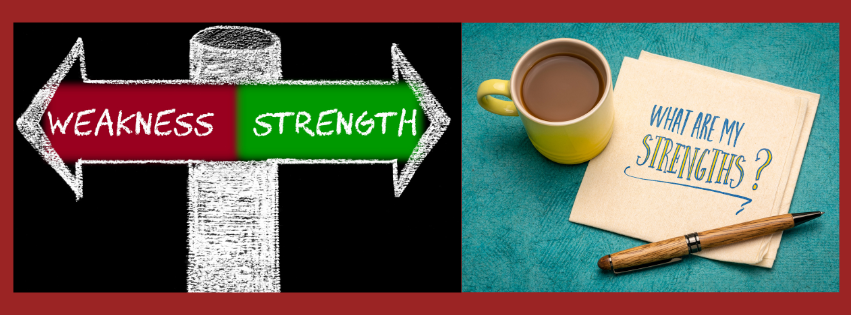
Look at your strengths and weaknesses!

Here’s where a bit of brainstorming comes in, so you might want to recruit the help of a friend, employee or partner who knows your business well.

Start with your strengths and make a list – ask ‘what do we do best?’ When answering, keep your customers needs in mind. How does what you do best solve a problem or challenge for your customers?

Then look at your weaknesses – be honest here – it might be that you identify a weakness that actually wouldn’t need much work to make it a strength – and it addresses a potential customer problem or challenge.

It could also be that you identify a weakness that needs urgent attention!

Look at your competitors.

To ensure your USP will stand out, you need to know what you do better than your competitors. This takes a bit of research. Look at three of your competitors – check out their social media pages and their website. Look at their product or service descriptions and try to identify what their strengths and weaknesses are. Sometimes it’s hard to find something, but 9 times out of 10, you’ll notice a gap – something that either you do – or could do – to fill that gap. That can then be something you do different to your competitors.

It might be that:

  • Your overall customer experience is better.
  • Your website is easier to navigate and find what they’re looking for.
  • You make it easy for your customers to pay for your products or services.
  • You may have stronger processes or better knowledge in certain areas than your competitors.
  • You might have a better delivery service.

On their own, none of these examples are a USP, but when combined with your strengths and the unique customer experience you offer compared to your competitors, it’s that contrast that forms the core of your USP.  

Still unsure about your USP?

If you’re still not sure about your USP, answer these questions:

  1. What are the features and benefits of what you sell or offer? Think about them from a customer’s perspective.
  2. What inspires you? You might be inspired to fill a gap in the market, provide a solution to a common problem, or be inspired to have innovative products or services. It might be that you’re inspired by artistic or creative tendencies that give your products the edge over your competitors.
  3. Can you split your customers into groups, (segment them)? By this, I mean knowing your customers and how their needs vary – and that they may be on different parts of the journey to buying your product. They might be in the ‘I’ve just found you’ segment, or at the other end – in the ‘I’ve bought from this business before and want something new.’ Similarly, you could have a product that people use in different ways, so how and why they find you could be completely different.    

Answering these questions will help you see more clearly what is unique about your products or services, so you can then write your USP. And it doesn’t have to be hundreds of words. It needs to be short and to the point, getting across exactly what makes your business unique and what makes you stand out from the crowd.

You can then share your USP on your social media introduction, in your bio on Instagram or on the homepage of your website.

A USP will change as your business evolves so it’s worth going back to it once a year to ensure it’s still relevant to both your business and your customers.

If you need any help with your USP, I offer coaching sessions to help you better understand your brand and marketing. Just contact me if you need help.      

Marketing your business with little to no budget

When you run your own small business, there is often little money left for a marketing budget, which can make marketing a bit of a challenge. But there are many ways that you can market your business to your target market without spending any money.

Having read a lot recently on social media about small businesses really feeling the pinch at the moment, I thought I’d have a look around to see what free marketing ideas there are out there.

I hope that these help you…

  • Create a free Google Business Profile. This is free to set up and you can add photos and updates with links to your blog posts or social media pages. It’s more of a local tool, so helps your business get found locally pinpointing you on Google Maps, as well as allowing a link to your website.  Your customers can also add reviews to your Google Business Profile.
  • Social media – Most of us have business accounts on Facebook and Instagram, and some of your will also have TikTok accounts, LinkedIn, Pinterest, X or one of the many other sites. Facebook still seems to be the most popular go-to place for people to search businesses. This is a great way to showcase your products and services, engage with your target market and find new communities to join and network with.
    Post regularly and consistently (it doesn’t have to be every day, so long as you are consistent). Share your human side, articles of interest, inspirational quotes, hobbies etc and as always my advice is the 80/20 rule. Share 80% entertaining, engaging, educational or inspirational posts and 20% selling.
  • Use hashtags – yes, these still work, so long as you don’t overdo it. The recommended number of hashtags used to be 30 per post, but these days it is advised to use around five. Use your own personal hashtag is you have one (or set one up) and use a variety of local and more general hashtags. Don’t go for hashtags that have millions of followers, or you won’t be seen – choose a variety between low and high figures. I personally wouldn’t recommend using those with over a million followers.
  • LinkedIn – this is one we often overlook and I’m just as guilty as the next person, but something I am going to try and do more of for the rest of this year. LinkedIn is a huge social media site – most use it to just add network connections, but you can share your blog posts and offers, talk about your business, have a conversation with the connections you make and join relevant forums and contribute to them – and you can share other businesses’ content.
  • Email marketing – this is a great way to get customers and potential customers engaged with your business. It’s a great place to build and maintain relationships. It’s not a new thing, but it is still one of THE MOST reliable ways to achieve new customers and maintain existing ones.
    There are free plans out there on hosting sites, but most want a small monthly subscription, but it is worth it if you use it correctly. When someone signs up to your email, give them an incentive, such as a money off voucher or a free checklist, e-Book etc. It’s a good idea to ensure that your email has an offer that encourages your readers to take the next step – that might be with a special offer you are running, a new product or service you’re promoting or perhaps a webinar or podcast you’re hosting. Your email is your direct link to your customers and potential customers, so ensure that the content is worth reading and that you show them the real value of your business and that you care about them. 
  • Ask your existing customers to refer you to their friends and family – you could also offer an incentive, such as ‘for every three customers that they refer who buy something from you, they will receive a 10% discount off their next order’.
  • Survey your customers – this is a great way to find out more about how your customers feel about the products or services they have bought from you. Ask them what they like best, what they like least etc. This gains you valuable information for future products or services. You can also ask for permission to publish their comments on your website or social media. 
  • Case studies – Use a real example of a problem you’ve solved for a customer, with a quote from them about how wonderful you and your service are. Turn this into a blog post, add it to your email marketing or post about it on your social media pages.
  • Have a website – this is a great place for you to give more details about you and your business. You can add an online shop, a blog, and a sign-up opt-in to your newsletter. Ensure your website is clear and easy to navigate, loads quickly (so keep image sizes small) and that it is engaging and gives plenty of useful information. Ensure that each page has a link to another page on your website to encourage visitors to stay a bit longer – this helps your ranking figures.
  • Write a blog – If you have a website, it’s a no brainer to have a blog. The reason? When you publish your latest blog post on social media, you point people to your blog post (and therefore your website0 where they may be tempted to have a browse. As with any other piece of content, a blog needs to be relevant to your audience and engaging. The good thing about a blog is that you can also repurpose the content to make other pieces of content for social media, email, podcast, webinar, YouTube video – the possibilities are endless!  
  • Free directories – as well as directories that you pay for, there are loads of free directories out there. Search for ones in your local area – this helps you get found more easily.
  • Attend networking events – if there is a regular networking event near you, they are well worth paying the small fee to join. You’ll meet other like-minded businesses and often pick up customers from those businesses over time once they get to know you. You can also join online networking events, which mostly don’t cost anything. If there isn’t a physical local networking event, why not think about starting one at a local café – coffee and networking always goes down well!  
  • Enter a business award competition – there’s nothing better than being able to say that you’ve won an award or a competition. Even if you don’t win but are shortlisted it’s still something to shout about. And either way, you can shout about it on your social media, website, in your newsletter etc.

I hope that this article has given you ideas on how you can promote your small business with little to no money. If you have any other ideas, put them in the comments – I’d love to hear from you!

If you need any help with any of the ideas above, you can always contact me for free 30-minute call.

Why use video for social media content?

Video is becoming increasingly popular on social media. It is a great tool for small businesses to help you highlight your brand, build loyalty with your customers, and attract new customers.

People are on their phones or devices all the time and they love watching videos – you’ve only got to look at how some of the TikTok dances have become a thing to see why. And who remembers the iced bucket challenge that was around a few years ago – it went viral with people from all over the world joining in and posting their own videos.

So why is video so important for small businesses?

Well, primarily, it’s good for your brand as video makes it more visible to a huge number of people. If you make a video using your products/services, it’s a good idea to use a logo watermark, as this will help establish that it’s your brand.

It also draws your audience’s attention. A video can grab attention quickly, compared to wordy text. The only problem is keeping it short, sweet and to the point, as people don’t have a long attention span! But practice makes perfect.

Video tips

So, when you make your video, here are some tips to keep in mind…

  • Ensure that the content is relevant to your target audience and is engaging enough to grab their interest.
  • Include headings and short descriptions, using SEO keywords and phrases so they will be found in a search.
  • Include relevant hashtags and a call to action.
  • Ensure that your video can be shared.
  • Think about using a video on your website or on your landing page for email sign up, so that your potential audience can learn more about you and your products/services in a more engaging way.
  • Try and inject some humour into your video where you can.
  • Show behind the scenes video – this helps your potential customers to see you have a transparent brand – people are generally nosy, so they like to see where and how you work.
  • Having yourself speaking in a video shows you are human, and people can engage with you, the business owner.
  • Videos can be made at any time and anywhere, so if you think of something you want to tell your followers and you’re at a coffee shop, go ahead and do it!
  • Video is low cost and more likely to remain online, available, and searchable for longer than ordinary text posts.

The most efficient types of video content for businesses are demonstrations, live performances, testimonials, ads of events and brand awareness, so it’s a good idea to keep that in mind.

You don’t have to be in the video and speaking if you don’t want to – you can show products or services with a musical background without actually having to appear in person.

Keep an eye on your engagement.

Just like any form of content that you put out, it’s vital to keep an eye on the engagement your video brings. You can see what’s working and what’s not! Then if you decide you want to use video for a paid ad, you’ll know what will work before you shell out any money.

You can see your engagement stats through the insights on all your social media channels, so it’s worth checking this out regularly for all your posts – not just for video.  

Conclusion

Video is a great addition to your social media marketing strategy. It helps your brand recognition and can help you reach audiences you may not reach with text/image only posts.

Just ensure that your video content is relatable and relevant to your target audience and just give it a go and see what happens! I think you’ll be pleasantly surprised!

Common small business marketing problems (and how to fix them).

As we blast into 2025, marketing for small businesses becomes ever more challenging. Marketing constantly evolves and technology, algorithms, as well as consumer behaviour changes every year, which brings their own problems to solve.

So, as a small business it’s sometimes hard to keep on top of everything and anticipate what might be the marketing challenges for this year. Sadly, I’m seeing so many businesses going under – most are due to personal reasons, but I’m sure there are some that just don’t know how to get back out there.

Hopefully, this article will shed some light on some of the problems we small businesses face and give you some guidance on how you can stay ahead of the game and use marketing to keep your business afloat this year.   

No marketing strategy

I’m not saying that you do, but it’s often due to small businesses not having a marketing strategy in place. Many small businesses don’t realise that you need to have long-term plans as well as the shorter more tactical goals and plans.

A marketing strategy covers both by outlining your long-term goals and then HOW you’re going to achieve those goals through marketing efforts in the short term, by defining your target audiences, your messaging, content, channels, and metrics.

The problem – without a specific strategy, it’s difficult to determine which channels are best to reach your target audience – to know who they are and where they hang out. And if you don’t measure the success of the things you do put out, such as on social media, you don’t know if what you’re doing is effective. Also, without clear goals, it’s a challenge to know where your business is and if you’re making any progress.

How to fix it – having a good marketing strategy looks at everything, from identifying your target market and having buyer personas, understanding customers’ pain points and motivations, to finding out what channels you can use to best reach them. Setting achievable goals will help you get to where you want your business to be – then you can work on the tactics you need to implement to achieve those goals.

Creating focused content

I know we say this all the time, but good content is what will get you in front of your target audience and grab their attention. But creating good content needs you to have a really good understanding of your audience and how you can address their needs, wants and pain points to engage them and promote conversions to sales.

The problem – if your content doesn’t speak to your audience, then you’ll have low engagement, which will lead to any marketing efforts failing. If your content doesn’t grab attention, people will scroll on by.

How to fix it – Know your audience – create buyer personas so you understand who and what your content needs to reach and do. Make sure that your content solves problems your audience might have and provide them with solutions or actions that will help them, depending on whether you are product-based or service-based.

Your content needs to be purposeful – moving your potential customers on a journey from finding you, to the consideration stage and then finally to buy. This isn’t a short journey! So, create content that:

  • Educates
  • Entertains
  • Engages
  • Inspires

Include good call to actions and continually be thinking about guiding them to the next step. Ensure your content includes relevant keywords that they’ll understand, good descriptions and give easy to find links to your shop, blog, or website so they can find out more.

Always use a wide range of posts – don’t always just do selling posts.   

Connect with your audience.

Linked to the last point, you need to resonate and connect with your audience. If you don’t, you could lose them.

The problem – If you don’t connect with your audience, your marketing efforts will be in vain. If you don’t put out the right messaging, or give the right impression, your reputation could suffer, and you’ll have reduced brand loyalty.

How to fix it – Ensure that you do thorough marketing research and ask your audience for regular feedback (ask for it), so you can better understand what they want, need or like. This helps you understand how your products or services can solve their problems.

Use storytelling and emotive content that grabs attention and builds that all important trust. Listen to feedback and learn from it – even negative feedback can be turned around.

You can also use email newsletters and blogs to connect with your audience, giving them more in-depth information and content, which helps nurture that all important relationship.

By taking all of this into account, you can build lasting relationships, where you understand your audience and they trust you and become loyal customers.  

Social media

The reason that many social media accounts just don’t work is because of inconsistent posting, lack of engagement and failure to give an audience what they want – and the algorithms don’t always help.  

The problem – You’re not growing on social media, or your growth is very slow. This, in turn, limits who your posts reach, and engagement becomes almost non-existent, so you don’t get those sales. Without these things, you miss out on building a strong community and driving traffic to your website, shop, or blog.

How to fix it – You need to have a good social media strategy, which includes regular posting, interactive content, perhaps collaborations with other businesses or influencers. You need to engage with your followers through comments and messages to build relationships. And you need to use insights or analytics to track how you’re doing and adjust accordingly to ensure you’re on track.

  • Have a content calendar, even if it’s just written on a pad or in a word or excel document. Plan your posts ahead, so you know what you’re doing and when – schedule posts to help remain consistent.
  • Engage with your audience through replying to comments and messages. Try to answer comments with a question where you can encourage a conversation or engagement. This gives you a deeper understanding and connection with your audience.
  • Create visually appealing and valuable content that answers questions for your audience, gives them details of what they want or need, and caters to their interests.
  • Collaborate with other businesses, supporting and sharing each other’s posts. If you can get an influencer on board who aligns with what you do, they’ll help you reach a larger audience.
  • Review your social media insights to understand what works and what doesn’t. And act on it accordingly!

People scroll through social media to be entertained or to find a particular business or product. But mainly it’s scrolling until something catches their eye. By including a mix of posts, incorporating humour, storytelling, tutorials etc. you’ll capture attention.

Algorithms  

GROAN! This is probably THE most challenging thing that small businesses face. The algorithms constantly evolve, which can have a huge impact on your engagement and visibility.

The problem – The constantly changing algorithms can prevent people from seeing your posts, your reach can go up and down, engagement can plumet one minute and suddenly surge another. This can have a detrimental effect on your business and your social media efforts can feel ignored.

How to fix it – Try and stay informed on algorithm changes and adapt where you can. Make it your priority to have high-quality, engaging content that encourages interaction. If necessary, book a coaching session with a social media expert so you are up to speed with best practices.

Understand that algorithms are based on the user experience and relevant content, so creating the right kind of content is vital.

You can’t control the algorithms, but you can control the content you put out to ensure that it is valuable, relevant, and engaging for your particular target audience. If you analyse your insights regularly, create valuable content you know your audience likes, you can adapt to the changes and your social media presence will be better.

You’re losing interest in your marketing.

This happens! You just sometimes feel like you can’t be bothered with it all.

The problem – lack of focus in your marketing efforts can leave to a reduced impact and effectiveness of your content, diluted messages, and chaos. Your engagement will fall, and you’ll get less customers and followers will fall away.

How to fix it – Ensure you have clear business goals and marketing objectives that align and support them.

Regularly review and amend your goals to make them more achievable. If a goal seems too big a mountain to climb, break it down into more manageable chunks.  

A marketing strategy will help you remain focused on what matters to your business and gives you direction as to what you need to do to keep your business at the forefront of your target audience’s minds. It also helps you focus on the channels where your target audience hangs out, so you’re not trying to be on loads of different platforms and spreading yourself too thin.

Standing out in the crowd

2025 is going to see more new businesses and products emerging and standing out in the crowd is a big challenge for small businesses.

Ensure you have a unique brand position (USP) that states clearly what makes your product or service different or better than the rest. How are you different from your competitors?

Make sure that you focus on giving an excellent customer experience at every single touch point that your customers have with your business. From website and social media to blog posts and email or messages, ensure that the service you give is second to none, be transparent and consistent and you’ll find customers will be loyal to you and your brand and will recommend you to their friends and family.

Finally, produce high quality, original, engaging content that perfectly highlights you and your business and your expertise.

Conclusion

I’m sure that there are many more marketing problems out there, and marketing is never an easy ride. 2025 is going to continue to bring challenges to small businesses all over the world, but by being proactive and having a robust strategy, you’ll be able to navigate anything that’s thrown at you.

Marketing isn’t just about short-term gains, it’s the marathon, building long-term relationships with customers and having a sustainable plan for your business’s success. Having a strategy in place and with your dedication to your business and creativity when it comes to your content, you can achieve your goals, and your business will be a success. If you’d like help with any of the things I’ve mentioned in this article, feel free to get in touch. I offer a free 30-minute consultation.

Hashtags and Facebook

Facebook is getting harder to manage due to the ever-changing algorithms. This makes it really hard for you to make your small businesses visible to your followers if you’re not paying for ads.

One of the ways to help with your organic reach is to use hashtags as they can help you improve your content’s engagement.  

Why do hashtags help small businesses?

Here are four reasons why hashtags are worth the time and effort on Facebook:

  • Posts with hashtags can be found in a Facebook search. We’ve all used the Facebook search to find what we’re looking for – for example I’ve looked for old school friends using the search bar. In the same way, you can search a hashtag. So, using hashtags on your post to make them more visible is going to help your reach.

    Using relevant hashtags will help you with your visibility – for example, a local hashtag such as #scentedcandlesswindon, can help your local visibility for scented candles. Or if you use a hashtag such as #smallbusinessweek2024, someone looking for that could come across your page.

    The people searching hashtags may not all have a genuine interest in your type of business, but if they do, they’re likely to look at your page and content.
  • If you are using other social media channels, such as X or Instagram, and running a particular campaign, or talking about a particular product or service, using hashtags on that channel, add them into your post on Facebook to keep your channels consistent. You can use the hashtag IN the post, not just at the end, so long as it is relevant. For example, if I’m doing a marketing post about Small Business Week, I could incorporate it in my post – ‘Good morning. The week is #smallbusinessweek2024, so today I’m going to talk about …….’ You get the idea.
  • Hashtags can also help to create a community on Facebook. If you share or create a unique hashtag, you can find people who have the same interests or who are in the same group as you.

    Using your own unique branded hashtag on Facebook can also increase the visibility of your business, such as the one I use #cindymobeymarketing (which is also the URL of my website). This also makes it easier for people to find relevant related content.
  • If you host an event or regularly host events, creating a unique hashtag for that event can give people an easy way to stay updated on that event. You can also do posts about the event using your own branded hashtag for your business.   

How do you know which hashtags are good for your posts?  

To decide which hashtags are good to use for your business and your posts, you need to know that it’s relevant and popular before you use it. You can do this by:

  • Checking which hashtags your followers and customers use. This means they will relate to you and if they’re searching a hashtag they regularly use, your content could pop up.
  • Use Facebook’s recommendations – when you are scheduling posts, as soon as you start to type a hashtag, you’ll get a drop down menu that will give you variants of what you’ve typed and the volume for each of those hashtags, so you’ll be able to see which ones are popular – try and use a mix of volumes.  
  • Look at your competitor’s posts on their Facebook business pages and see what hashtags they use. They might have great engagement partly because of the hashtags they use, so you can add some of them to your list. This is not stealing their ideas, it’s just doing competitor analysis, which is all part of social media marketing.

Facebook hashtag best practice

Here are a few extra tips for Facebook hashtag best practice.

  • Use hashtags in sentences. For example, if you were sharing information about an event you’re attending, such as a night market, you’ll be doing a post about that. Instead of writing ‘This weekend you can find us at Makebelievemarket on Saturday #makebelievemarket’ – use the hashtag in the sentence, ‘This weekend you can find us at #makebelievemarket on Saturday. It looks tidier and incorporates the hashtag into your sentence.
  • Don’t use spaces in hashtags. For example, you would use #makebelievemarket – NOT #Make Believe Market – as only the first word after the hashtag will count and it will be a completely different one – and not relevant to what you’re talking about!
  • Don’t use too many hashtags. It is recommended to only use up to five hashtags on Facebook posts. If you have too many, it can confuse the algorithm as hashtags act as keywords to help people discover your posts. Using fewer hashtags is also easier for you analyse which ones work best for you, as not so many to look at.

    That’s not more than five in the whole post, including any you use in the sentences too.
  • Make sure the hashtags you use are relevant to your content and your business. This seems obvious but a lot of people use hashtags for days of the week, for example #throwbackthursday. If your post is about a happy memory or a throwback of a previous product that you remember fondly, it’s relevant. If you’re writing about a new product or something irrelevant, it won’t help you with engagement if your post is found on that hashtag and that person is searching for #throwbackthursday.     
  • Check your privacy settings. If the settings on your Facebook business page is set to followers only, then you’re wasting your time using hashtags, as you need your setting to allow non-followers to view your content. All my settings on my business Facebook page are set to ‘public’ so anyone can see anything I post. Ensure that your posts are ‘public’ too.

    Please note: If you’re using your personal profile page to test your hashtags, you’ll need to make your posts ‘public’ manually.  

Measuring your hashtag use  

You can measure how your hashtags are doing by looking at your ‘Insights’ on Facebook.

  • Go to your insights and click on ‘posts.’
  • You’ll see a breakdown of your engagement rate, type of post and total reach for each post.
  • Now, it won’t give you hashtag performance, so you’ll need to work through your posts and data to find out whether your Facebook posts with hashtags work better than those without (so some testing to do), and over time you’ll be able to see which posts with a particular set of hashtags work better than other sets – again this will be through trial and error, and a bit of insight research

At first you may not see that much difference in results because you won’t have used a particular hashtag enough for it to build a connection between the hashtag and your page/business. This is another reason why fewer hashtags are easier to manage – you won’t know the results if you use shed loads!  

I hope this has helped in understanding how hashtags can work for you and your business on Facebook.  It might seem complicated, but once you get going, it will become second nature.

As always, if you need any help, feel free to message me on Facebook @cindymobeymarketing or email me cindymobey@outlook.com

Other blog posts I’ve written about hashtags include:

Are hashtags still viable in 2024

Hashtags FAQ 

Creating problem solving content for product-based businesses

Over the past few weeks, I’ve had a lot of people ask about how to create problem solving content. And why would you need to do that, especially if you’re a product-based business? There is a lot of information out there about problem solving for service-based businesses, so this article is for all my product-selling followers! And by writing this and creating social media content around this subject, I’m creating problem solving content!

What is problem solving content and why do you need it?

The first thing I want to say is that you need to address your customers’ problems or pain points, without them feeling you’re giving them the hard sell. This is a real turn-off!

With social media being such a popular medium, it makes sense to have some engaging content that makes them think. Everyone loves to read a story and people love to be able to express their opinions or join in with a debate, so let’s look at how you can address this.

Problem solving content captures your followers’ attention by giving them an answer to a particular question or concern they might have. And provides tangible examples to illustrate your points.

Why do you need it? It helps your customers and potential customers imagine how they can use your product and that it is something they NEED in their life! Being able to picture themselves using your product and the benefits it brings is half the battle to getting a sale.

Understand your audience’s problems.  

I know I bang on about this all the time, but the first step to creating the content is understanding what problems your customers may have. This once again boils down to knowing your target audience and what challenges they face, what they might be interested in and any obstacles they might have (or excuses) for not being interested in what you have to offer.

One of the ways to obtain this information is to ask questions or conduct polls on social media, asking for feedback from your audience. For example, you may have a very popular product – ask WHY your customers like this particular product.

And ask what else they would like to see from you.

Give your audience solutions they understand and can relate to.

Once you understand the problems or worries your audience has, it’s time to think of ways to show them the solution – one they will understand and be able to relate to.

Don’t just tell them how to solve a problem, show them. You can use case studies, examples from reviews or recommendations, or an online tutorial or short video to illustrate how your product can solve a problem. This helps make your content interesting, engaging and gives them ideas as to how your products can be used.

Let me give you a few examples for different kinds of products:

You sell jewellery – it’s always exciting to show images and maybe slide shows of your jewellery, but if you have a customer who has bought something from you for a particular occasion, ask them to send you a photo of themselves wearing your jewellery. You can then use their review with a photo – it packs more punch.

Give ideas as to how a particular piece of jewellery could work. You might sell earring and necklace sets that would be perfect for a bride to wear on her wedding day. Photograph those sets with a wedding inspired background – if you use Canva, there are wedding inspired backgrounds you can use. Then, instead of just focusing on the bride, why not show other sets that may be in different colours that could be gifted to bridesmaids? If you do jewellery with different length chains, you can say that in your content.

If you make your own jewellery, show the process in step-by-step photos or be brave and do a time lapse video, stating that you offer a bespoke service for those special pieces or gifts.  

You make hair accessories – you can use all the same ideas as for jewellery, but also you can include children in your marketing. Children love hair accessories for many different occasions, such as going to school (could you offer scrunchies or hairbands in school colours for example?), or the same with a bit of bling for parties.

When you are advertising your products, show or give ideas as to how they can be used. If you do adult accessories, (as someone with long hair that gets in my way), you could push the angle of headbands/scrunchies are not only stylish and pretty but keep your hair out of your face when you’re gardening or at the gym.

You sell gift items – this is a broad category. You might sell soft toys, handmade items or personalised items, or a host of other things. But the principle is still the same. Give potential customers ideas on how they can be used and what events they could be used for. This could be birthday’s, Christmas, Easter, Valentine’s Day, Mother’s Day, Father’s Day, birth of a baby, christening, wedding – the list is endless. But if you have products that could be adapted to all these special dates, you have a bigger market for your products.

If you have safety features or must have safety certificates for your products, mention this, so people are happy that a product is safe to gift to children for example.

You sell beauty products, personal products, or home cleaning products – there are lots of ways to show and tell that these products solve problems. For skin products or personal products, it could be that it will make your skin glow, help with skin problems, is an effective deodorant, softens your skin after shaving – the list is endless. The key here is to do videos of you using the products or having lots of before and after photos from customers, or photos of customers using your products. Reviews about how it helped solve a particular beauty or personal problem will also give you social proof that your products work and are worth investing in. Tell customers that they don’t contain any nasty chemicals and if they are allergy friendly.

The same applies to cleaning products – are they eco-friendly and don’t contain harsh chemicals?  Do they work? Create videos showing you using the products, for example on a sink – before and after. Use customer reviews to give you social proof.

I could go on with all the different types of business out there, but the principles are the same, no matter what business you are in.

Be honest with your audience.

This goes without saying, but transparency is really important. Be honest about what customers can expect from your products and their solutions. Don’t promise something you can’t deliver or you’re not sure is correct.

Always set realistic expectations.

Engage with your audience.

This is more important than a lot of people realise. Talk to your audience. When they make a comment on your post, always reply to it and if necessary ask questions and engage in a conversation. If someone asks a specific question, answer it or if you think it might be more personal, reply that you will send them a private message – and ensure that you do!

Ask for feedback on your products, your content, your videos and ask if there is anything else your audience would like to see.  

Do you write a blog or have your own newsletter?

If you write a blog, you can use it to go into more detail about a particular product. A post on social media shouldn’t be too long or people won’t read it, but if they read your blog or have signed up to your newsletter, you have a captive audience, who WANT to know more or find out more about you and your business, including your products.

So, if you create a post that you could give a lot more detail about, write a blog post about it and advertise that on your social media account. And if you have a newsletter, include a paragraph every time about one of your products and how it solves a problem. Again, you can advertise this on your social media posts. This not only offers a more in-depth service, but it also directs traffic to your website or blog.  

Final thoughts

You need to know your target audience and what they want. You must understand what kind of problems they have that your products can solve.

If you feel you are struggling with how to create problem solving content for your business, I can help. Sometimes it’s a case of ‘two heads are better than one.’ I offer an hour’s brainstorming session, where we can discuss your business, find out more about your target audience and set a plan in place to create that problem solving content that will speak to your customers and ultimately get more sales. Either message me or drop me an email to make an appointment – cindymobey@outlook.com

Now, put your thinking cap on and get creative!

Dos and Don’ts for your business Facebook page

Despite all the hype and buzz around TikTok and other social media platforms, Facebook is still the most-used social media platform in the world.

Facebook had 3.05 billion monthly active users and during the 4th quarter 2023, Meta reported that 3.98 billion people use at least one of their core products every month – core products being Facebook, Instagram, WhatsApp or Messenger. (Source – Statista.com)

This is great news for all of us small businesses who use our business page to promote our products or services. Facebook is an inexpensive, and largely free, effective way to connect with your target audience, but there are some things you should and shouldn’t do. This post looks at the dos and don’ts for your business Facebook page.  

DO

First, let’s look at some of the things that are advisable to do on your Facebook page.

  • Pick an easily recognisable image for your profile picture (either of photo of you or your brand logo). People want to know who they are interacting with. Don’t use photos of your pets for your business page – unless your business is about pets, and even then I would use a logo or you and your pet.   
  • Use your cover photo – feature an image that represents who you are and what your business does.
  • Ensure you complete the ‘about’ section of your page. This is your chance to tell your audience a little bit more about you and what you do – you could use your elevator pitch here.  
  • Develop a distinct voice for your Facebook page – so you sound the same as you do on your website and other social media pages. And don’t forget that you can use humour and show your personality!
  • Make sure you include links to your social media pages on your website, so people finding you there know where to connect with you on socials.
  • Post interesting and quality content – make sure that your content isn’t all about selling your product or service – use a variety of posts.
  • Post consistently on a regular basis. You can see from your insights when is the best time to post for your audience.
  • Post engaging images and ask questions to promote engagement, or do the odd fun post, such as those predictive text posts, quotes, or a funny meme.
  • Include links to drive traffic to your website, blog or newsletter sign up.
  • If you share other peoples’ content, ensure that it is relevant to your target audience.
  • If you are attending or arranging an event, post about it.
  • Celebrate your wins and share your successes.
  • Reply to and ‘like’ comments left on your posts.
  • Use hashtags to increase interaction – experts are currently recommending 3-5 hashtags on Facebook posts. Despite being allowed to use up to 30 hashtags on Instagram, the current guidelines (from 2023) suggest 3-5 – the same as Facebook. But you may find more work better for you on Instagram.
  • Mix up your posts with single image, multiple images, and video to gain the most engagement.
  • Check your post grammar and spelling and don’t forget a call to action.
  • This is a hard one but respond quickly and publicly to any customer that complains or leaves a negative comment on your posts. Don’t get angry or defensive and don’t get into specifics about the issue. Just respond positively and then take the complaint offline. This shows other customers that you care about your customers and are responsive to their concerns.    
  • Finally, measure your posts by checking your insights so you know which posts are the most engaging with your audience, or get you the most reach/comments/likes etc. You can then use this to plan your following week’s/month’s posts.

DON’T

  • Invite huge lists of people to like your page or get tied up in follow for follow posts. If people like what you do, they will follow you. Doing follow for follow may boost your followers briefly, but most will unfollow you after a short period, or just never bother engaging with your posts because they didn’t choose to follow you for the right reasons – and this is very damaging to the algorithm.
  • Constantly promote the sales of your products or services – use a variety of posts to keep your audience engaged.
  • Don’t completely flood your feed with posts – if you post several times a day, space them out.
  • Overuse hashtags. 3-5 is plenty per post – any more than that and your post could be seen as spammy. Put hashtags at the end of your caption rather than incorporating then into the caption itself.
  • Don’t post low quality images, memes, or information.
  • Don’t post anything that you wouldn’t like to see in your newsfeed.
  • Don’t be afraid to experiment with your posts to see which are the most popular.
  • Don’t forget to use your insights to help you plan posts.
  • Neglect to post at weekends – you don’t have to post on both days, but this is when most people are at home and scrolling social media.
  • Don’t use abbreviations or jargon.
  • Don’t ever ask for personally identifiable information.
  • Don’t engage in an argument on your business page – if someone has a problem, reply politely, and take it offline.
  • Don’t post anything that could damage the professionalism of your business or that could damage your reputation.
  • Finally, don’t get involved in engagement baiting.

Engagement Baiting

This could be a whole other blog post, but basically engagement baiting is goading people into commenting on posts without it being a meaningful interaction.

Facebook will prioritise posts that inspire back and forth discussion, but using engagement bait will be recognised and post will be demoted in the newsfeed.

Engagement baiting includes:

  • Vote baiting – asking your audience to give their opinion using a like, share or comment.
  • React baiting – Giving your opinion in your post, then saying ‘like if you agree’ – whoops! I’ve been guilty of this one without realising it!
  • Share baiting – Encouraging your audience to share a post if they agree with the content or share to win a prize or be entered into a contest.
  • Tag baiting – asking your audience to tag someone in the comments.
  • Comment baiting – asking followers to comment on the post.

I’m not sure I agree with all of these, but I guess it’s about the way you ask for things. Facebook’s guidance says that you can:

  • Ask for authentic input – asking for advice, recommendations, help or tips. And you can ask customer to share their tips for using your products or service or how they think they could be improved.
  • Ask questions as this promotes engagement and interaction. A study conducted by Hubspot found that posts that use the words ‘should, would, which, and who’ get the most comments and those that use the words ‘why and how’ get the fewest comments.
  • Post content that people want to talk about.
  • Provoke an emotional response – posts that surprise your audience or make then laugh, cry, or get angry.
  • Post a photo and ask for a caption.
  • Try and ‘fill in the blank’ post – this could be using predictive text or just from their own experience.  

There’s an awful lot to take in with this post and I appreciate it if you actually got to the end of it! As always, if you have any questions about this post or any of my other posts, or if you have any suggestions for future blog posts, please feel free to email me (cindymobey@outlook.com) or message me on messenger.

Which Social Media Platform?

There are so many Social Media platforms to choose from – how do you know which one will be right for you?

The most popular, according to a report by eBizMBA Rank in September 2016, is Facebook, which is hardly surprising as it is very user friendly. The report gives other top platforms too – let’s take a look…

facebook-2048127_640Facebook – The top of the pile with an estimated 1.1 billion unique monthly visitors. Facebook is a social networking site that enables people to connect with friends and family, sharing photos, videos and status updates/messages. It can be used for fun or for business. It is estimated that over 1 million small businesses use Facebook and is very popular with small business owners in France.

film-589490_640YouTube – After Google, YouTube is the largest search engine with an estimated 1 billion unique monthly visitors. It’s where most people go to watch or share video content. It covers every single subject you can think of from popular music videos and films to Joe Bloggs down the street falling off his skateboard! Anyone can post personal videos or share content.

twitter-icon


Twitter
– With 310 million unique monthly visitors, Twitter is a real-time public network, where you often see breaking news first! Twitter limits its users to 140 characters per post, but businesses still use it to interact with clients and pass on information.

linked-in-2668687_640LinkedIn – This is a social networking site for professionals. With 255 million unique monthly visitors, LinkedIn members post a profile of themselves, very much like an extended CV. Users can promote themselves and their businesses, connect with other businesses and even apply for jobs or ask for work.

pinterest-1183717_640Pinterest – This is a fairly new concept, but with 250 million unique monthly visitors, it is fast becoming popular. It’s an image-based visual platform that allows its visitors to create digital bulletin boards where businesses can pin their content. As more than half of its members are women, it’s a great place for businesses whose target audience is largely female should think about being a part of.

google-plus-940316_640Google Plus + – Google Plus or Google+ is an interest based social media platform with 120 million unique monthly visitors. You can post photos and status updates on your profile or you can post to specific communities or groups. Specific communities are set up for different subjects so you can post blogs to specific themes. There’s multi-person messaging, text and video chat called Hangouts and you can run events. It’s a very versatile platform.

instagram-1581266_640


Instagram
– This is a visual platform, much the same as Pinterest, with an estimated 1 million unique visitors. Posts are mostly connected to travel, food, fashion and art and it has video and photo editing features.


reddit-1460603_640Reddit – This is a little different to the other sites – it is still popular, with an estimated 85 million unique monthly visitors, but the content is voted on by the visitors to the site. It is still a social media site, more of a community where posts are identified by topics, such as technology, music, etc. Users submit links and posts that are of value are ‘upvoted’ and those that aren’t are ‘downvoted’. The voting determines where the post sits on the site – however if your post/link hits the front page, it is seen by hundreds of thousands of people – sending a huge percentage of them to the linked website!

vk-3696008_640VK – I have to admit to not having heard of this one! VK is short for VKontakte – a social media networking site where members can add friends, gain followers and post photos. However it is a largely aimed at Eastern European visitors, particularly Russian. In fact it is the most popular site in Russia.


flickr-881367_640Flickr
– This is an imaging and video hosting platform. It is very popular for those wanting to share and embed photographs. With an estimated 65 million users, it is still up there with the best!

As you can see, the top sites are a varied bunch, but all are designed to help people interact with others and share information, photos, videos and messages. If you have a small business, they are a great way to get your brand name, products and services out there. I would probably choose to stick with the more popular sites, but of course it’s up to the individual which site you’d like to choose – just be aware that some may not be as good as others.

I hope you’ve enjoyed reading about and learning about the different sites and I’d love to know which is your favourite? Put a comment in the box below to let me know which one you like best and why…and if you’ve been inspired to try something new!