Social Media Posting With Purpose

Desk with planner, pencil case with pens, coffee mug, plant, and open laptop

Posting on social media is an important part of any small business, and we all know the importance of having engaging content. It helps build a relationship and rapport with your followers, can drive traffic to your website, blog, or shop, and can convert followers into customers.

But what if you’re unsure of what to publish, or have just simply run out of engaging ideas? You’re definitely not alone and having a social media content strategy can help you get right back on track. This article will help you understand how that works.

Structure of social media posts

How do you know if your posts are going to be effective? You can look at your insights to find out what has been popular before – and this does help you see what kind of post your audience likes to see. But there are also ways to help your post appeal to your audience. Having a structure helps.

Attention grabbing headline – If you create a compelling and engaging headline, it will attract attention to your post from the outset. It’s a really important component as it tells your audience what your post is about.

Your caption – You have a choice here – you can have a short caption or a long one. A caption is to give additional information about your post. It needs to also grab attention and keep attention, so ensure that you have the right balance between being simply and engaging. You could include stats, or numbers such as ‘top 5 ideas to…..’.

You can also use your caption to create a sense of urgency, ask a question or just to pique interest or inspire curiosity.

A caption should be around 150 characters, or around 15 words for maximum engagement, but longer captions can be just as effective if what you’re talking about is interesting and engaging to your audience. Try and mix up the length of your post captions as if you always do long captions, people may lose interest.

Emoji – you can add an emoji to add a bit more interest to your post – it has been found that emojis attract the eye and, if you use relevant ones, can make you more relatable to your audience. And you can use the arrow or pointing finger to point the eye to your links.

Call to action – this is important as it tells your audience what to do next. For example, if you are publishing a post about a particular blog or article, tell them they can read more by clicking on your link.  

Visuals/images – Social media is a very visual medium, and image based content is crucual for increasing engagement. If you’re using images or video, ensure that they meet the specifications of the social media channel you’ll be publishing to. You can write a headline over the top of photo or add words to video to attract more attention.  

Using your own images are best, but if you do use stock photos, ensure that they are copyright free as the fines are huge. Sites like unsplash.com and canva (if you use the pro version) have lots of free images. Using a photo of yourself always draws attention and ensure that all your images are sharp, high contrast and that video is good quality. . 

Mention or tag other businesses – or other accounts you have (if you’re posting on FB, mention your IG account for example). Add links – this helps for added visibility and reach. Mentioning other businesses is a great way to promote engagement, not just with those businesses you tag, but encourages others to look at those businesses. It also helps to increase your exposure, as the business you mention might share your post, or do one of their own mentioning you.

Hashtags – add relevant hashtags, (ones that relate to the topic of your post) as well as hashtags related to your business. Only use up to 5 hashtags and don’t always use the same ones.

Timing and frequency – Take a look at your insights to find out when is the best time for you to post, or if you’ve been posting for a while, you’ll know what suits your audience the best. For me, I find posting early morning is better for engagement for my posts.

And decide how often you’re going to post and stick to that regime. I post every day on Facebook, but only three times a week on Instagram. Each platform will be different as to what works for your business, so it’s trial and error until you find the sweet spot! dsThey  

Repurpose your existing content.

Have you thought about repurposing content you’ve used before? You can simply reuse a post you’ve published in the past or repurpose it into something else. For example, if you have written a blog post, you can take some information from that and write new posts; you can make a video from a post you’ve done before or make posts from video you’ve done before.

You can also share posts that resonate with your business from other people’s posts.

Know your social media channels.

We all have our favourite social media channels. Different people use different channels to achieve their different goals and behaviour can vary greatly between the channels.

Facebook – has the largest and most diverse audience. Because Facebook shows a huge range of content to its users, including ads, news, entertainment, and anything you may have previously shown an interest in, Facebook users tend to scroll a lot. By typically, will only spend a few seconds viewing a post, so it’s crucial to have posts that capture their attention. Facebook is also one of the best channels to put links to your website, blog, or shop.

It’s advised to post at least once a day – twice if possible, for maximum coverage and using just a couple of hashtags.

66% of the UK population and more than 70% of the US population use Facebook. Although the highest number of users are between 18-34, the numbers of older people using Facebook is growing fast.

Instagram – is a very visual channel. Colourful posts with graphics and short video are the most popular, but not as good in getting people to your website, blog, or shop. But a tip is to have your own branded hashtag and to use that as that will help your engagement…and could encourage others to use your hashtag.

More than 60% of Instagram users are between the ages of 18-34, so it’s a younger demographic than Facebook, so worth bearing that in mind when posting. It’s advised to post 3-7 times a week when you’re establishing your brand and more once you get a solid audience. And you can use up to 30 hashtags, but most advise between 5-10 as being the best number.   

TikTok – is about using short video and having fun. There is a huge number of influencers on TikTok, so your brand is more likely to be picked up by one of them on TikTok than on other channels. Sound is also a huge feature of TikTok, and users are more likely to engage with and remember your brand if they like the music you’ve selected.

Posting 1-4 times a day is recommended, and using 3-5 hashtags or more, so long as they are relevant to your post.

X (used to be Twitter) – is about short, sharp posts, as you can only use up to 280 characters, so message need to be clear, concise and to the point. You can post video, but it should also be clear, short and to the point.

Hashtags should be kept to the bare minimum – 1-2 per post. It is recommended to post 1-2 times a day and no more than 3-5 per day.  

LinkedIn – LinkedIn is a more professional channel, and your brand should be more business-like. Keep posts brief and use bullet points and line breaks to get your information across. Visuals and video get more engagement. It’s the norm to share links to articles you’ve written, websites you may have contributed to, or links to your own website or blog site.

LinkedIn has a targeting tool, where you can target people based on language, location, company size, industry, and a lot more.

There’s no hard and fast rule about posting, but it is recommended to post no more than 1-5 times a day (but only if you have quality content) and no less than once a month. Hashtags should be restricted to 1-2 per post.

Threads – is a fairly new channel, that only launched in July 2023. Posts are mainly text based, but you can post reels and stories. It offers a space for real time updates and public conversations, but doesn’t seem to have taken off as well as expected. .

It’s recommended that posts are 3-5 times a week minimum.   

What type of content should you publish?

I always advise having a variety of content to keep your followers engaged. 80% of posts engaging, educating, entertaining and inspiring, with only 20% of posts selling or promoting your business.

You can achieve this by posting things like tips in your niche, FAQs, ‘did you know’ posts, behind the scenes, your story, personal posts, before and after photos, photos of your products or services, case studies, blog posts, links to website or shop, inspirational quotes or educational quotes, funny memes/jokes. The list is endless…and don’t forget you can promote events you’re going to be attending and any promotions, contests, giveaways, or specials you may have going on in your business.

You can also look at the special days each month, (which I have published on my Facebook page) to see if anything is relevant to your business – or that you can be creative with and make it relevant.

You can also use days of the week through hashtags – such as #ThrowbackThursday and do posts around those.  

Variety is the key to posting. That’s why it is a good idea to have a content strategy and content calendar, so you can plan exactly what you want to do and when to coincide with anything important happening in your business, niche, or industry.

When to post

Despite what you may read on the internet, when to post is linked to your own personal business and how you like to run your business. Most small businesses tend to post first thing in the morning – and I find I get more engagement if I post early.

But it largely depends on your audience. If you are UK based, and you have a lot of followers in the US, posting early won’t necessarily catch their attention as they’re in a different time zone, so it might be worth posting again later in the day to coincide with their morning.

You can look at your insights on each of your social media channels to find out when is the best time to post for your business – and it shows you when you’re likely to get the most engagement.

Batch create posts and schedule.

A big time saver for small businesses is to batch create your posts. That simply means creating a week’s worth of posts in one go – this helps you to be more consistent and you can choose to theme each week if you want to.

Scheduling posts is also a big time saver, as once it’s done, you don’t have to worry about it, (although I would advise checking that your scheduled posts have published as this sometimes doesn’t happen)!

Even if you do batch create posts and schedule them, I’d always advise leaving space for reacting to something, or adding in an extra post or two during the week in real time.

Reply to comments!

This is obvious, but it’s really important to reply to the comments you get on your social media posts. Social media is about being social – and engaging with your audience, so what better way to engage with them than replying to comments and getting a conversation going.

If a post of yours is shared, it’s also a good idea to go to that share and leave a comment to say ‘thank you’ for sharing.

I hope this post has been useful and has made you think about your social media posts. There’s a lot more to it than just making and pressing that ‘post’ button.

If you struggle with posting and want some help with a content strategy for your particular business, I can help you get yours up and running. Just drop me a message on my FB or IG, or email me at cindymobey@outlook.com and we can arrange a free 30 minute call to talk about your business and how I can help.   

Christmas in July – tactics to get ahead of the game

I know – it’s still six months to go, but with Christmas being the biggest and busiest time of year for most small businesses, now is the time to be thinking about how you’re going to promote your products and services in the lead up to December.

It’s a big time of year for consumers too, and with all the financial burdens people have right now, it’s very likely that Christmas shopping will start early – in fact most consumers will have finished their Christmas shopping by the end of November. So, as a small business, you need to be prepared.

What better way to be prepared, than running a Christmas in July campaign. This article will give ideas for marketing promotion to help you bring a smile to customers’ faces and spread a bit of holiday cheer. If you use fun and quirky Christmas images and themes, it will make your business stand out from your competitors.

Tips to create a successful Christmas in July promotion.

You don’t have to just sell Christmas products in your July promotion. You can use all the hype and imagery to sell products that may not have been as successful as you hoped.

  • Sell old stock at a reduced price – as a ‘Christmas in July special’.
  • Use Christmas imagery in your social media posts and take photos of your current non-Christmas stock in Christmassy surroundings.
  • Give sneak peeks of some of your Christmas items – and let people know they can pre-order any of the Christmas items now.
  • Offer a gift with any pre-ordered Christmas gifts over a certain amount of money spent – something like stickers or small keyrings/magnets to encourage sales.
  • Offer Christmas gift vouchers, so people can buy a voucher for family or friends so they can choose their own gift when you launch your Christmas products…stress they can use the gift voucher to buy any existing products too.
  • Host a giveaway for anyone who buys from you on a certain day of your July promotion – for example, anyone who buys on that specific day gets entered into a draw for one of your exclusive Christmas items.
  • If you have a physical shop, you could host a Christmas themed evening, where customers are invited to come along to see your products before they go on sale. Set the scene with Christmas decorations and holiday snacks.
  • Do a special Christmas Stocking post – giving ideas for customers of your products suitable for Christmas stocking gifts.
  • You could hold a ‘live’ Christmas in July event on your social media page – showing in real time, the products you have on sale – and your Christmas products. Give suggestions for how they can be used or who they would be perfect for – so customers can picture to whom they would gift your products.
  • If you write a blog, promote your Christmas in July event on there, and if you have an email list, don’t forget to mention it, and invite your subscribers along.
  • If you have an email list, you could offer your email subscribers a sneak peek before you post, giving them an exclusive first look at your products.     

Social media posting

Marketing, no matter what time of year, is all about building relationships. Injecting a bit of fun into your posts, with fun images or you in a Santa hat with sunglasses on talking about your Christmas products, will all go a long way to engaging your audience.

If you choose to go with any of the tip ideas from above, make a few posts around each thing, so you can repost throughout July – or during the week you choose to do your promotions, such as a post around gift vouchers etc.

The best thing about this kind of event is that it doesn’t cost you anything other than a bit of time to prepare. It’s a great way to help combat that summer slump and is the perfect opportunity for you to showcase new products, as well as a reason to push your existing products.

I’m sure that you can come up with lots of original and engaging ideas to get your audience buzzing – people love a reason to celebrate, so give them that perfect reason with your Christmas in July promotions!

If you like this blog post, please follow for more, or share on your social media pages.

As always, if you need any marketing help, drop me an email at cindymobey@outlook.com

Networking – does it work?

Networking is something that most small businesses know about and understand its importance. It can help you build relationships, gain new customers, and sometimes it can set you off in a completely different direction!

But what if you’re not sure where to start? Do you know what type of marketing networking will suit your business? Do you know where to start looking for those networking connections?

The aim of this article is to answer some of those questions and more…

What is networking?  

Networking is about interacting with other small businesses, your target audience, and potential customers…in fact interacting with anyone for mutual benefit. This might sound a bit harsh but let me explain. If you are struggling with something in your business, or you have a challenge you’re not sure how to solve, networking within groups on social media, or joining face to face networking groups can help – someone will be able to give you advice or provide you with an answer.

In the same way, you’ll be able to share your knowledge or skills to help other businesses in your network. This will help to strengthen relationships with those people.

Networking plays an important part in any marketing strategy, as it’s an inexpensive and very powerful way to find opportunities with customers, suppliers, mentors, marketing experts, investors, and other sellers or service-based businesses.

It can also help you to raise the profile of your business, share new ideas, increase your sales, find out information to see how your business is doing against competitors and helps you keep up with any latest trends in your particular niche.  

Networking is a skill like any other. Many small businesses feel very anxious about it, but like anything else, the more you do it, the more you get involved in group discussions and take the time to get to know people in the groups you belong to, it’s a skill you can fully develop. The more you do it, the easier it is.

What are the different types of networking?

Networking is one of the best ways to grow your business and your brand. It’s important to help you reach people you wouldn’t otherwise have met on your own.  

The four main types of networking are:

  • Business to business (B2B) – the exchange of products, services, or information between businesses – simply put, one business selling to or supplying another business. This can be products or services or could be a manufacturer selling goods to a business, so they can make their products.   
  • Business to consumer (B2C) – this type of marketing targets the consumer, so businesses selling directly to individual buyers.
  • Social media networking – this is probably the most well-known way to network for small businesses. Social media helps you engage with your target audience and your customers. You can find out information about what people like, attract new customers, get feedback, and build customer loyalty. You can also use it to advertise, promote giveaways, do market research, increase traffic to your website and develop your brand.   
  • Professional association membership organisations – this would be joining professional groups where you must become a member, such as the Chamber of Commerce for example, and are largely face to face groups. They usually incur a fee, but often professional groups run networking evenings where they have guest speakers or training sessions to help you with your marketing.  

Networking as a tactic for your marketing plan

Most small businesses know that networking is important, especially at the start of a business, but it is also important no matter where you are with your business. It’s about creating relationships that in turn could turn into a collaboration, sales or create advocates for your business. So, it is important to add Networking as a goal on your marketing plan.

The goal could be broken down into the skills you need to develop for networking, (all kinds, not just on social media), such as:

  • Listening skills
  • Self confidence
  • Person skills
  • Making a good first impression
  • Maintaining eye contact
  • Patience
  • How to show passion for your business

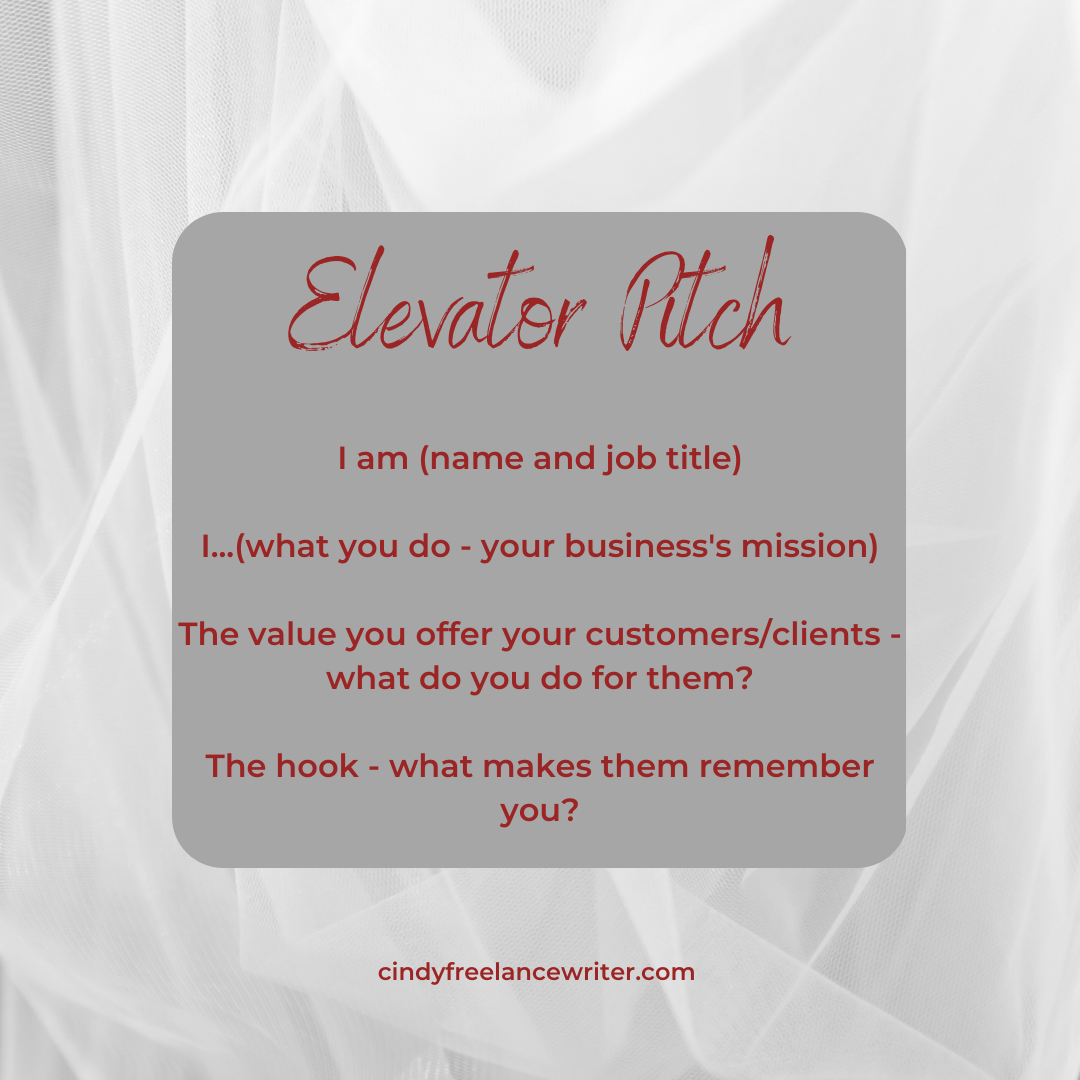
I’ve talked about this before, but an ‘elevator pitch’ helps make networking easy. An elevator pitch is a short paragraph that takes you 30 seconds or less to say, which describes what your business does. It should include what you do, what makes your business special, what sets it apart from others in your field and why someone should do business with you. Check out the blog I wrote about this.

Having an elevator pitch would be part of your networking goal.

Common mistakes

Networking might not come easily to you at first, but you soon get the hang of it. Practice makes perfect!

These are some of the things to avoid when networking:

  • Don’t focus on sales – networking is about building your brand and reputation. Instead ask questions about other peoples’ businesses and focus on building a rapport that will eventually lead to a sales conversation. But that might not be for weeks or even months!
  • Don’t talk more that you listen! Yes, it is good to have to opportunity to tell your business story but listen to and show a genuine interest in other businesses.
  • If you’re attending a face-to-face networking event, think about dress code. Sometimes formal dress is a requirement, sometimes it’s just casual, so always worth checking.
  • If you’re attending an event, be prepared. Decide what you want to achieve – is it meeting potential customers? Getting referrals, or do you just want to build connections with people who might be able to help your business grow? Knowing what you want will enable you to decide how you will approach people.
  • Not following up – if you say you will get back to someone, make sure that you do. If you exchange telephone numbers or email addresses, drop them a mail just to say hi and remind them who you are, or give them a quick call to do the same. If it’s someone you’d like to work with or get to know better, suggest a coffee, and catch up – or a Zoom call catch up.

There are lots of different ways to network, so it’s just about finding the ones that work best for you and your business.

If you liked this article, please share, and follow for more marketing help and tips.  

Why you need an elevator pitch!

An elevator pitch is a brief way of introducing yourself and your business. It’s great for making connections and getting your key points across in a succinct manner (no more than 30 seconds).

The reason it’s called an elevator pitch is because 30 seconds is roughly the amount of time you’d spend in an elevator (lift) with someone going from floor to floor. Once you have your pitch ready, it’s great for networking events, or anywhere you meet people for the first time, and they ask what you do. How would you describe yourself and your business in that short amount of time?

How does it work?

First, an elevator pitch is not about making a sale or closing a deal. It’s about being engaging and friendly, clear, concise, and informative. Quite a lot to get into 30 seconds. It’s just about capturing the attention of the person you’re talking to – and you can finish by giving them a business card or flyer.

Get started.

  1. Introduce yourself, ‘I’m Cindy and I’m a marketing coach and copywriter for small creative businesses.’ Don’t waffle, just say it how it is.
  2. Next, is your mission – a clear understanding of what you do. ‘I share how to create engaging content, understand marketing tactics and how to promote their business online.’
    Now you know who I am and what I do – very basically!
  3. Then, it’s about the value you offer – what makes your business stand out? What value do you offer your customers? ‘Through 1:1 coaching, we work closely together to understand their business and how it works. I teach them the tools and skills to manage their marketing themselves and support them through the whole process.’
  4. Finally, it’s the hook – what will make them remember you and want to know more? This could be a fascinating fact or statistic about your product or service to keep your listener engaged. ‘My clients tell me that after each session, they feel super motivated, feel they can get to grips with their marketing and are raring to go to put the things they’ve learnt into practice and watch their business grow.’
  5. Now, put it all together and read it through. It might need tweaking here and there. Time yourself, so you know it’s no more than 30 seconds, and you’re good to go.

“I’m Cindy and I’m a marketing coach and copywriter for small creative businesses. I share how to create engaging content, understand marketing tactics and how to promote their business online. Through 1:1 coaching, we work closely together to understand their business and how it works. I teach them the tools and skills to manage their marketing themselves and support them through the whole process. My clients tell me that after each session, they feel super motivated, feel they can get to grips with their marketing and are raring to go to put the things they’ve learnt into practice and watch their business grow.”  

I timed myself reading this and it was almost exactly 30 seconds!

How to use it.

You can use your pitch on your website, in the social media ‘about’ section, or even as a post to remind people of what you do. You can put it on flyers or promotional material. You could even use it at a job interview, if you adapted it for that purpose. That’s the good thing about a pitch – you can adapt it to different situation and scenarios. For example, if you wanted to use it to try and get more business or sell your products, you could add a call to action at the end of your statement, asking them if they’d be interested to hear more, or if they’d like a call at a later date.

You don’t have to learn your pitch, word for word, or it will sound stilted and rigid…it’s just designed to help you, so you’re clear and don’t stumble when you’re next asked, ‘And what do you do?’

I hope this has been helpful and if you would like help with marketing or content creation for your business, drop me a message at cindymobey@outlook.com

How polls on social media can help your business

Using a poll is great way to understand what your customer wants. The answers you get can give you an insight into what your customers think of you and your business; what kind of service they want; and it gives them a chance to share their perspectives with you. If your survey or poll is engaging, then your customers are more likely to participate and spread the word about you.

What is a poll?

A poll is a fun and interactive way to ask a question. Your followers must choose from a set of answers, you can choose that they can give one answer or several – it’s up to you. When they tap on the answer they want, they can see how the voting has progressed so far. Here’s an example:

Question – Marmite – love it or hate it?

Answer 1 – love it.

Answer 2 – hate it.

Answer 3 – I’ve never tried it!

What are the objectives of a poll?

Conducting a poll can just be for fun, to help you engage with your followers, as per the example above. Or, you can use a poll to gain information you’re your followers or target audience.

  • You might ask opinions on a new product idea you have.
  • If you’re a blogger, you could ask what subjects they might be interested in – giving a list to choose from.
  • You could get feedback on something – for example, your website or shop, such as, Is it easy to navigate? Can your customers find what they’re looking for? Is there any product they’d like to see you offer?
  • If you’re thinking of setting up an event, a poll is useful to find out what kind of event people like before you invest your time and money.  
  • You can use a poll to spark a conversation. Ask a fun question about your products or services. For example, if you sell cakes you could ask, ‘What do you think of putting vegetables into cake, such as Chocolate and Courgette cake?’ Then give some generic answers, and add an ‘other’ option. This could give you ideas for posts later that week – take it out of the poll and into a conversation or debate on your social media page.     

What are the benefits?

  • Polls give you instant answers, so it’s a really quick and easy way to gauge opinion on something. They’re good in that followers don’t have to think of an answer, they just have to tick a box – although you can choose to have an ‘other’ option where people can give their opinion.
  • It takes minimum effort from participants.
  • Polls stand out visually on your page.
  • It gives your page increased engagement and can help grow your customer base.
  • It helps you gain valuable feedback or market research for your business.
  • If you have an ‘other’ box with free text, you can ask for permission to quote someone’s reply, which leads to personal engagement with that person.
  • Polls can help you identify and solve issues or pain points for your customers.
  • It can help generate leads.
  • It can give you new ideas for your business or for products or services.
  • It helps you build your community.

I hope this has been useful and given you some food for thought about how polls might be able to help you and your business. If you do a poll with a purpose and not just for fun, don’t forget to do a follow up post, giving details of responses and any observations – and don’t forget to thank your followers for taking part.

If you need help with polls or any other forms of marketing, drop me a message or email me. I offer a free 30-minute discovery call.

Content buckets and how to use them

Most small businesses are on social media, and as a small business it’s important to have a good presence. But it can be difficult to know where to start, or what to post. If you’re building your brand on your website, shop, or social media accounts, content buckets will help you decide what to post and help you build an effective content strategy to grow your business.

What are content buckets?

The first step in building an effective content strategy is to know what type of content you want to post. This is where content buckets help you. This term refers to identifying the different categories for each type of content you choose to post, that most appeals to your target audience. They’re not topics, they are types of content, under which your various topics sit depending on your business and your goals.   

Let me give you an example. My content buckets include educational posts, entertaining posts, engaging posts and inspiring or motivational posts.

One of the content buckets I choose to use regularly is under the heading of ‘Educational’. So under this ‘content bucket’ heading, I have a list of posts I can create to support that type of content, such as:

  • Blog posts like this one, teaching my audience
  • How to…posts
  • Infographics with statistics
  • Tips and tricks of marketing for small businesses
  • Q&A about my business and what I offer

So, when I am planning my posts for social media, and planning my blog posts, I try and incorporate at least one post/blog from this list.  

An example using the same principle and type of content could be…

You have your own small business selling a product. You could film a short video or a series of photos showing you making a product from start to finish.

How does this help my marketing?

If you make a product that improves someone’s life, you could give tips and hints as to how to best use your product. It might be you sell a drinks bottle that is personalised or has a slogan on it. Give ideas as to how this improves the buyer’s life, such as handy to keep in the car, so you have a drink on the go. Good for picnics and day trips as the lid seals, so it doesn’t spill. For the same reason, it works well at the gym as you can carry it in your gym bag, knowing there will be no leaks. It could be used to make your morning smoothie in, or a special diet drink. There are all sorts of things you can come up with as to why your product helps your customers. It’s about painting a picture, so your target audience can see themselves using your product. You might give them an idea they hadn’t thought of.    

Content buckets work because they help you create variety in your posts, which keep the attention of your audience and they want to come back for more. And you get to choose the types of buckets that you know will speak to your audience and therefore the posts that sit under that.

This kind of content strategy works really well, but does require planning and scheduling posts, but it is really worth it and pays off in the long run. Knowing what to post and when saves you shed loads of time and effort.

Content buckets work as they are a good solid content marketing strategy that will help your small business increase engagement and build your brand.

Examples of content buckets

  • Educational – I’ve already covered this one in my previous paragraph.
  • Entertaining – this targets the audience that likes a bit of fun and takes a more interactive approach to content. Examples would be:
    – Memes or gifs
    – Showcasing a fun day out or holiday
    – Sharing joke posts
    – Showcasing throwback posts
    – Looking at a current trend
    – Holding a contest or giveaway
  • Engaging – posts that get your audience to join in with a thread or participate in a post, such as:
    – Ask questions such as ‘what is your favourite……’
    – Use a poll with a few multi-choice answers
    – Posts such as ‘this or that’
    – Show a new product and ask for opinions
    – Ask for new ideas for products
  • Inspirational – posts that make your audience think, or posts that motivate or inspire them. This could be:
    – Motivational or inspirational quotes
    – Memes or gifs with an inspirational theme
    – Share something you do that inspires you – could be you meditate daily or enjoy a yoga class or a sport.
    – Share your story of why you started your business – what inspired you to do what you do?  
  • Personal – this is about increasing your brand awareness. YOU are part of your brand – your audience gravitate towards you and your business because who you are – not a faceless business. Examples of posts could be:
    – Introduce yourself on a regular basis and share a little information about yourself. You will constantly be picking up followers, so it’s good that they can get to know you.
    – Live Q&A sessions
    – Action shots of you
    – Pictures of your workspace
    – Share details of your hobbies
    – Tell your audience about your likes and dislikes
  • Conversational –  This is linked to engaging content- it’s about creating two-way conversation, so you’re listening to your audience as well as talking to them. You could:
    – Simply ask some questions and then engage in the answers, even if the back and forth conversation is only a couple of comments.
    – Show a genuine interest in your followers – if you follow other small businesses, engage with their posts and ask questions, starting a conversation.
    – Do a live webinar or just go ‘live’ on Facebook (advertising it first) and encourage your listeners to ask questions. You could host a Q&A about your business inviting listeners to ask you anything they like.
    – If you include a poll in your content, once you have the results of the poll, do another post, or series of posts, looking at the answers and asking further questions around those answers.
  • User-generated content – This is content that is original, brand-specific and created by your customers and published on social media or other channels, and seriously helps your business promotion. If you see a comment from a customer, you can ask if you can use it on your posts to tell a story around that comment (if it’s a bespoke item you made, for example), or you can just make a positive post. Content like this comes from:
    – Testimonials
    – Blog comments
    – Forums
    – Networking events or forums
    – Podcasts
    – Reviews
    – Facebook comments or posts  

The best bit about User-Generated content is that it costs nothing and you’re not putting in the work to create it!

  • Listicles – you may or may not have heard of these. They are the second most popular type of blog post, after how-to content. A listicle is content that you create in list format, such as Top Ten movies of 2022. You probably use these without thinking too much about it. If I’m looking for a product I want to buy, I’ll often check out an article that gives the top ten brands of the product I want to buy, so I can compare them. So, how can you use this in your marketing?
    – Top tips for …… depending on what you do. You’ll see this type of post on my FB and IG, when I’m giving specific marketing tips.
    – If you’re a product based business, for example, selling soaps, you could do a list of the top five favourite fragrances.
    – List your top three products – your most popular products etc.
    – If what you sell is seasonal, you can do seasonal lists. If you sew, you could list the top five hats or dresses to make this summer, or the top styles of hats for winter.
  • Success stories – This type of content is about sharing a case study or a customer story, that tells how your product or service really helped them and how it changed their life or business for the better. Customer stories are different to case studies. A case study focuses on data. A customer story focuses on the experience they have had with you, your business and your products or services. Here are some ideas of how you can use these:
    – Have a success story page on your website, course site or sales page – then share the link from there on your socials.
    – Write a blog post about a success story or case study and share the link.
    – Create a case studies section on your website
    – Add testimonials and video clips of your customers telling their stories.

    This is a bit more time consuming, but really helps show you as an expert and your business as super professional. 
  • Promotional – This is probably the kind of post you see the most on social media, especially for product-based businesses. Promotional posts are used to make your audience aware of your deals and offers. But beware, as promotional posts can deter people from following you, especially if you are constantly trying to sell your products and your posts are repetitive. It can damage the relationship you have with your audience – instead of providing value and nurturing your audience, they may feel you only care about making a sale.

    Now I know that, at the end of the day, every small business relies on sales and needs those sales to survive. But potential customers need to know that they can trust you, that you care about them, and their opinions are important. By only posting promotional posts, about 20% of the time, and concentrate on other types of post the rest of the time, your audience will be more engaged in what you have to say, they’ll start to get to know you – the person behind the business through personal, fun and inspiring posts. They’ll see you as an expert from your educational and engaging posts and are then more likely to stick around and look out for your posts every day. 80% of your posts need to be about providing value to promote trust and loyalty.
  • Product content – This refers to the text, images and any other descriptive information that tells your audience about your products. Product content tells us about what you sell, whether that be a physical product or a service.

    Product content should clearly define what your product/service is, and what problem it solves. This kind of content is what shoppers look for when deciding what to buy.

    This is the selling part of your content. Make sure that you:
    – speak directly to your audience
    – Focus more on the benefits of your product, as opposed to the features.
    – Include good photos or images, or infographics – make sure they are clear

Conclusion

Now that you know what content buckets are and how to use them, you have the tools to use them in your social media content planning and make your content buckets part of your marketing and content strategy.

If you would like some 1:1 coaching around content marketing for your specific business, or would like help with your strategic marketing planning in general, please feel free to email me or message me on social media.  cindymobey@outlook.com

How can I be more consistent?

I’m always seeing quotes or posts telling people in business to be consistent:

“To be successful, you have to be consistent” Unknown

“Consistency is the key. If you can’t be consistent, then you can’t be anything” Tony Gaskins

“If you want to be successful, you need consistency and if you don’t have it, you’ve got no chance.” Paul Merson

That’s great then, just be consistent and you’ll be a success, you’ll be able to do anything you like, and you’ll have a chance! But what does it mean to be consistent? How can you be consistent?

This week’s blog post takes this fabulous ‘buzz word’ that we see everywhere – and finds out about it in a bit more detail…

What is consistency?

The Cambridge Dictionary defines consistency as ‘the quality of always behaving or performing in a similar way, or of always happening in a similar way.’

That sounds straight forward, right? But to be consistent in business takes time and effort. To be consistent you must constantly replicate positive behaviour or performance every day, until it becomes second nature – until it becomes a habit.

How to be consistent?

Being consistent in business isn’t just about posting every day on social media, it’s the whole performance of your business. It’s about being organised and working on things that work best for you and your business.

Here are some ideas to get you started:

Use a planner

  • Use an online planner, a diary, or a notebook to plan your day. Write down the times of meetings
  • Keep a to-do list – things you MUST do today, and things that it would be good to do today. Work through them one task at a time. Multi-tasking can be distracting and time consuming, and very often, none of the tasks get completed.
  • Jot down any ideas that spring to mind during the day
  • Include time to eat and time to do something for you – it might be a short walk at lunchtime, or yoga or meditation time before you start work. Whatever you choose factor this into your day.
  • At the end of the day, write down the most important tasks that you must complete the following day. Put them in order of importance/urgency, so when you work through your list, you are doing the most important task first.
  • I have gotten into the habit of planning my content (roughly) a month in advance. I then know what blogs I will write and what posts I will want to do to compliment the blog.

Have a schedule

When you work for someone else, your day has structure, and you work to a schedule. If you get into the habit of doing this when you work from home, you will get more done and be more consistent.

Have a set time to work and a set time to have lunch or rest. And always try to have a cut off time, so you’re not working stupid hours into the evening or at weekends.

Many of us want to work from home for ourselves so that we get more work/life balance. Often you will find you have less of this, and more stress, so it’s important to keep to a routine that works for you.

Ensure your goals are SMART

When you are setting goals for your business, make sure that they are SMART.

SPECIFIC – MEASURABLE – ACHIEVEABLE – RELEVANT – TIMELY

You can find out more about this in one of my previous blogs – click here.

Focus on one thing at a time

I’ve mentioned this briefly already but try to focus on one task or goal at a time. Don’t make things harder for yourself by trying to do too much at once. If the goal you’re working on is too much or too overwhelming, cut it down into smaller, more manageable chunks and work on those, one at a time.

Get rid of distractions

When you’re trying to concentrate on one task, particularly if the task is really needed but a bit dull, it’s easy to be distracted. If you recognise that you are easily distracted, try to remove those distractions.

For me, email and social media are my biggest distractions. If I can see that someone has messaged me or that I’ve received an email, I can’t resist ‘just’ looking at it to make sure it’s not important. So, when I’m writing or working on something that needs a lot of concentration, I switch off my emails on my desktop (which is where I work) and put my phone/iPad on silent and put it away from where I’m working so I can’t see it…or I just switch them off. I also unplug my landline as I get too many cold calls and find them so irritating, they become a distraction.

Now I can concentrate as I won’t hear the ‘ping’ of a new message, nor will I see one.

Personally, I like silence when I’m writing or doing something that needs me to really concentrate, but when I’m doing the more regular stuff that I’m used to, or something that is almost second nature, I like to have music in the background. You may be different and may need noise to concentrate. Just do whatever works best for you.

Be comfortable

You might think that this is strange one if we’re talking about consistency, but if you’re hungry, thirsty, or uncomfortable, you won’t be able to concentrate on your work.

  • Choose a comfortable, light space to work in.
  • Eat at regular times so you’re not hungry.
  • Have a bottle of water handy, or your favourite drink, so you can just reach for it if you need it.

Automate when you can

I’m talking mainly about social media here…and for me, blog writing. I tend to batch create my posts (and those of my clients), for the following week. I usually do this towards the end of the week. It takes me a couple of hours to plan the following week’s messages and posts, decide what I’m going to post on what platform and what day, then create the posts.

Then I spend some time scheduling the posts, so I don’t have to worry too much about them during the week. I only schedule one a day, but sometimes I think of something else during the day and I’ll post that manually.

I do the same for blog writing – I tend to write a couple at a time, and I always have one in reserve in case something happens, and I need to post something quickly or change the blog post I’d planned.

Celebrate every win!

No matter how big or how small, celebrate those wins. Celebrating your achievements will make you feel good about yourself and your business and give you a well-earned boost. And shout about it – share those wins with your followers. Happiness and enthusiasm are contagious and you’re sure to brighten up someone’s day – as well as your own.

Along with this comes….

Forgive your failures

We’re all human and none of us is perfect. Being consistent isn’t easy and does require time and effort. If you fall off the wagon from time to time, don’t fret about it. You will get tired, you will sometimes feel like you can’t be bothered, but that’s OK. It’s normal to feel like this.

However, what WILL keep you consistent is recognising this, taking a deep breath, and getting back on track as quickly as possible. Forgive yourself and move on!

Conclusion

These are just some ideas to help you become more consistent and stay that way. Consistency breeds trust: people recognise that you are dependable and to some extent, predictable (in a good way!)

Above all, look after yourself. Make sure you eat and drink regularly – and take a break to get some fresh air every day.

If you need help with any aspect I’ve talked about in this post, feel free to message or email me. I offer a free 30-minute consultation.

Features vs Benefits of your products/services explained

When you think about marketing your product or service, most people think about marketing the features, as opposed to the benefits. But it’s the features that sell whatever you have for sale. This week’s blog post looks at features versus benefits, why both are important and how to market these things separately.

One of them looks at what your product or service does and includes everything that you’ve worked hard to develop and bring to market. The other looks at HOW your product or service will improve your audiences’ lives.

What is a feature?

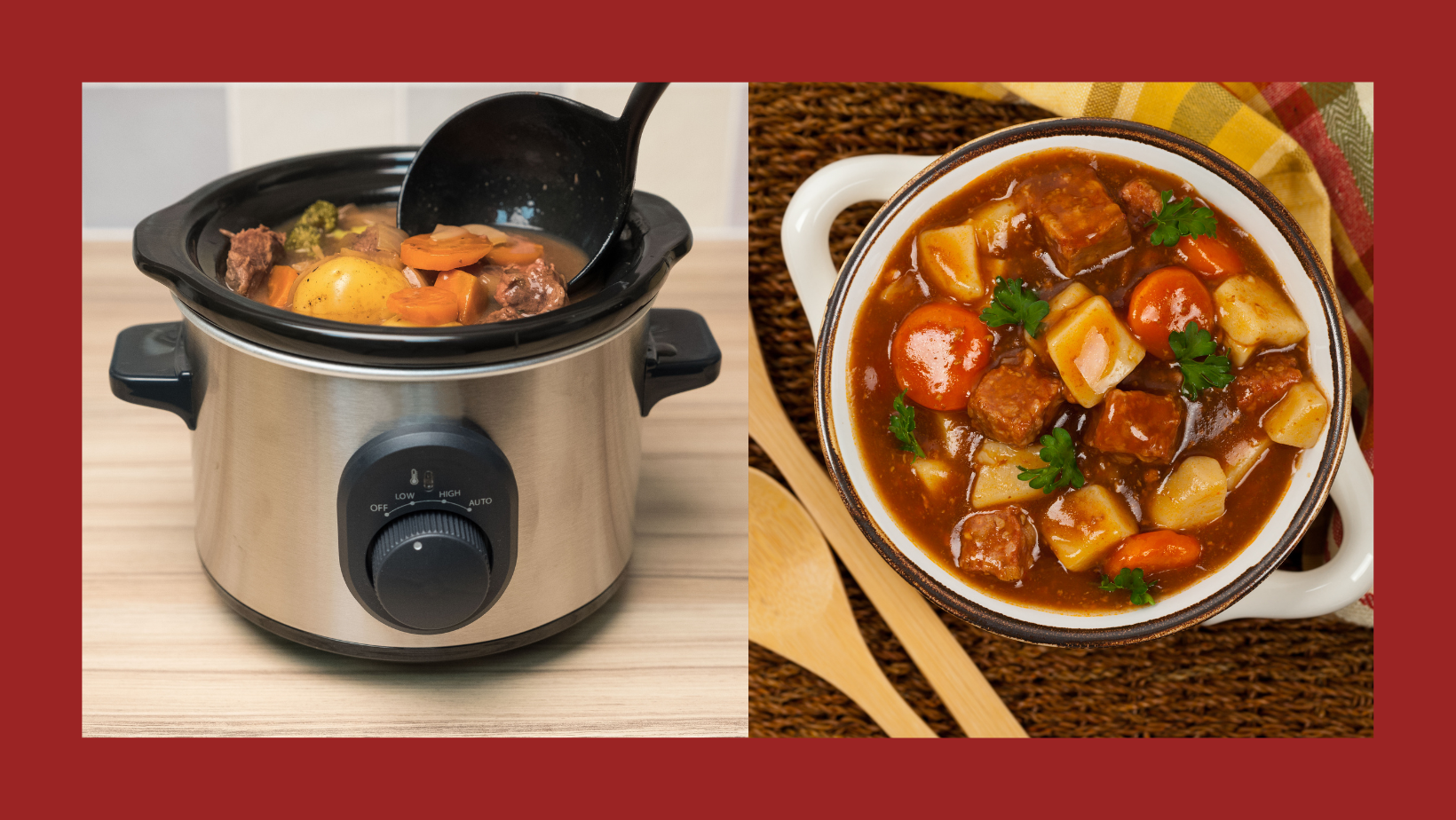
Let’s look at a very simple example…a slow cooker. So, you’ve decided you want to buy a slow cooker. The first thing you’ll look at is the features – this is the description that you will find about the product. For a slow cooker, this could be:

  • A choice of sizes and capacity to suit your family
  • Glass bowl or ceramic bowl
  • Oval or circular shape bowl? This will depend on what you want to cook in it.
  • Digital settings with a timer
  • What are the settings – usually low, medium, and high, but some only have low or high.
  • Easy to clean
  • Sturdy handle 
  • Versatile – can cook a huge range of foods

All these things describe what your slow cooker can do, what it looks like and how it works.

What is a benefit?

Again, let’s look at the slow cooker as an example. The benefits are the outcomes that slow cooker users will experience.

  • It saves you money
  • It saves time in the kitchen
  • Less preparation time – you can get it ready and leave it to do its thing
  • If you set it in the morning, you have a hot meal to come home to in the evening
  • Less clearing up, you only have one pot to wash, not several
  • Less chance of burning food
  • A slow cooker gives off less heat than a conventional oven, so not so hot in the kitchen
  • As food cooks slowly, meat falls off the bone and the food has more time to infuse with herbs and spices, so can be tastier
  • Ideal for the busy person who doesn’t have time to spend hours preparing and cooking in the evening
  • If there are several of you in your household, you don’t have to all eat at once – you can leave it on low and people can eat when they want to
  • It’s not just for soups and stews – you can cook a variety of dishes – even bake bread or make jacket potatoes, cook cakes, and even rice pudding!

Marketing your features and benefits

When you set out the features and benefits of a product or service, as I did with the slow cooker, it seems obvious, but it can take ages to think about this when you have your own product or service you want to sell.

Marketing is hard; just because you know why your product or service will make your ideal customer’s life better, doesn’t mean that they will. You need to carefully examine what your features are and what your benefits are.

Let’s face it, when we’re trawling the internet looking for that special something we want to buy, we don’t care about the business, how long it took to make or produce; we don’t necessarily think about the person behind the business who must make the trip to the post office to post the item. All consumers really care about is what’s in it for them? Why should they buy your product or service compared to others on the market?

When you are pulling together your marketing strategy for your business, its products, or services, you need to keep in mind ‘what’s in it for your customer?’ This should be the question you continually ask yourself.

Try using a feature/benefit matrix

A feature/benefit matrix is a great way to address these things and make you think seriously about each of the features your product or service has – then produce three things that are benefits of that feature.

Once you have these set up, you can think about the messaging you will use to illustrate those features and benefits to your target audience. And what call to action you will use to help you get your message across.

FeatureBenefit 1Benefit 2Benefit 3MessageCall to action
Feature 1       
Feature 2       
Feature 3       
Feature 4       

Below is a couple of examples using this matrix for our slow cooker.

Feature  Benefit 1Benefit 2Benefit 3MessageCall to action
Digital timerYou and your family can eat when they want toYour meal will be ready when you get home from workSaves time on preparation and cleaning upGreat for busy households. You never have to worry about making sure all your family are home at the same time ‘or their meal will be cold or burnt’Buy now – check out our different slow cookers
Easy to cleanFood doesn’t burnDishwasher safeDigital touchpad easier to clean than knobsSaves you time and effort. Just one pot to clean, not loads of washing up.Buy now – link to website
VersatileCook soups and stewsBake cakes and dessertsBake breadAll in one option. It’s not just for soups and stews. You can make cakes and desserts, perfect for entertaining.Download your eBook with over 100 recipe ideas

You get the idea! There are lots of phrases I’ve heard that illustrate that from a selling perspective, it’s best to focus on benefits:

  • Features tell and benefits sell
  • Sell the sizzle, not the steak

This really tells you it all. Whilst the features tell people about the product or service itself, the benefits are what people are really interested in – the ‘what’s in it for me’ part.

Whilst the steak is important, it’s the sizzle that will sell – what it smells like, tastes like – evoking that emotion in the buyer to entice them to buy. It’s the description of what it’s like to eat the steak that will sell it – not just the picture of a steak on a plate.

Conclusion

I hope this has helped you to distinguish between the features and benefits of your products/services. Now it’s your turn! Take one of your products or services and think about the features – then make a list of the benefits that feature brings to your ideal audience – and use that in your marketing to sell your item.

If you need help with your marketing strategy, and how to best sell your products or services, using the feature/benefit matrix, or just don’t know where to start with your messaging, give me a shout. I can help you see things clearer, so you can focus on your target audiences’ what’s in it for me question.

Email me at cindymobey@outlook.com

How to spark a conversation with your customers

Whether you’re new to your business, or have been going for a while, it can be difficult to know how to spark a conversation with your customers…and conversation is the skill you need for networking and building relationships.

Conversations you have with customers will be slightly different from those you have with your family and friends but are vital to build valuable relationships and build that all-important rapport.

Starting a conversation

This is sometimes the hardest part. But a good way to start is to ask for information. It’s the most effective and natural way to start building that rapport. Ask them about themselves or ask about their business.

  • Do they have a family? If they have their own business, how do they work that around their family?
  • How did they get started?
  • What made them choose their particular business?
  • What is their ‘why’ – why do they do what they do?
  • How are they hoping their business will evolve in the future?
  • What problems do they encounter in their line of work?
  • What inspires them?

These are just a few things you could ask, but you get the picture!

Introduce yourself

Probably the most obvious way to start a conversation is to introduce yourself. But be brief! No one wants to hear someone rambling on about themselves. Tell them a little bit about yourself and what you do, then you can go on to the other conversation starters I mentioned above.

Pay them a compliment

The most important thing about this one is to be genuine – if you can’t think of anything, don’t use this one as it is easy to see through someone who isn’t genuine!

If you love something that they do, or something they’ve made, or have seen a social media post that you particularly like – tell them. And say why you love it.

Comment on something you have in common

This could be anything, from something that’s happening in the world that they’ve commented about, the weather, an event that’s happening, or a situation that you’ve both experienced. Usually, you can pick up on something like this from social media posts.

Offer help

Sometimes conversations can be started because you find yourself in a position to be able to help someone. Offering your assistance can help you earn trust and show you as a likeable person, especially if the concern or help you offer is genuine. As in everything when meeting and talking to new people, the key word here is ‘genuine.’ Don’t offer to help if it will be difficult for you to manage or you don’t really have the time, as this can cause more damage than good.

Ask for help yourself

Asking someone for their advice or help is a highly effective conversation starter. It works well because it makes the other person feel like they’re being helpful and useful. You could always offer them help in return, which will really help build a relationship. We often find we do this without thinking, it’s a natural human behaviour to ask for advice or help.

Talk about a shared experience  

Shared experiences are great to talk about. It might be that you are a crafter or artist and have attended the same market or gallery to show your products. It could be that you attended the same conference, or even went to see the same concert. It doesn’t have to be work-related.

This kind of conversation is great, as you’ve both done the same thing, so conversation flows more easily.

Ask for an opinion

I see people doing this a lot in social media networking groups. You may have a new product or service and would like an opinion on it. It’s a great way to start conversations. People naturally like to help, so if you post your question on social media, you will get plenty of answers…some of those you will be able to message to find out more about what they think.

Show genuine interest

Primarily, and I know I’ve said this several times, be genuinely interested in what people have to say. Actively listen to them, which is focusing completely on the person you’re talking to. Repeat back what they say, so you confirm your understanding.

If you’re talking to someone face to face, for example at a networking event, respect their personal space and don’t get too close. Make eye contact, and smile! But be aware that not everyone likes eye contact, so it could make them uncomfortable. If it’s obvious that they are not interested in talking to you, move on and don’t get offended – you can’t please everyone!

Conclusion

I’m sure that you can come up with loads of ways to strike up a conversation with customers or new contacts…if you have any other suggestions, please put them in the comments. I’d love to hear from you.

Top tips for effective communication with your customers

Communication is key to nurturing and keeping long-lasting relationships with your customers.

For your communication to really work well, you need to know everything about your products or services better than anyone else. Skills such as patience and active listening can make a huge difference, as well as having a very attentive mindset. It’s important to ensure that you respond to all messages, comments on social media, phone calls, live chat, and emails promptly, as a delayed response could make them turn to your competitors.

Why is communication important?

In today’s online world, with so much competition for every single business out there, no matter how big or small, the way you communicate with your customers can make or break your brand.

There are lots of ways you can communicate with your customers, and factors such as 24/7 availability and multiple channels that they can contact you on, are important for customer satisfaction.

You need to be able to help them in real time, give them any updates to your business or products/services, market new products to them and keep them happy.

The four most popular ways to communicate are:

By phone – this is the best way to resolve any issues with your customers that can’t be solve in other ways. Sometimes, when you try to email or message an unhappy customer, the feeling behind your message gets lost and it can come over as abrupt. So, phone is better as nothing is more reassuring than to hear a real human voice, who is calm and can explain any issues. Customers will like that you’ve taken the time to speak to them – it helps to make them feel like they are valued.

By email – This is good for giving information, for example, newsletters. Email is cost-effective and you have an email thread to keep track of the conversation. I speak to my clients by phone once a month to talk about how things are going – and always follow up with email to confirm our conversation and anything we’ve agreed.

Live Chat – you can put live chat on your website, but for me most live chat comes via messenger, where I can talk to my clients in real time. Sometimes, when doing this, it becomes obvious that you need to have a chat by phone, and other times you will find that you can confirm a date or delivery etc this way.

Social Media – social media is great for sharing regular updates with your customers, talking about new products or services, educating them about something you do or your business, and entertaining or inspiring them with quotes or funny stories/memes. Social media is also brilliant for engaging with your customers in a way you can’t do via other communication channels.

Tips to improve communication with your customers

Here are a few tips to help improve the experience your customers have with your business.

The right message

Conveying the right messages or information is crucial for any business. It is your responsibility to ensure that any information about your business, be it around shipping, info on a particular product and its use, turnaround times, pricing etc needs to be accurate, so that you can set realistic expectations from the start.

If you have a website, shop, and social media channels, make sure that the information you give is consistent across the board, as this leads to a positive customer experience with your brand and business. Any information that differs can cause confusion and ultimately, could lose you customers.

Be proactive in your communication

Inevitably, there will be times when a customer is not happy with the service you offer. They might hassle you to get their problem solved and might keep hassling you if it’s taking longer than they expected.

The best way to solve this, and to avoid it, is to be proactive with your communication. Let them know how things are going every step of the way.

Let me give you an example. I used to work for a global insurance company, and at one time was in their call centre. I worked solely on complaints, which could be quite difficult at times. I found the best way to make the customer experience a good one – even though I was dealing with a complaint – was to be transparent, open, and honest, and above all, keep them informed. When a complaint was first made, I always apologised and said that I would investigate it and get back to them. Now, people hear this all the time and often don’t get a call back – this is where I made a difference. I gave them a time and date that I would ring them back…and I made sure I rang them, even if I didn’t yet have an answer. I’d ring and tell them that I didn’t yet know the answer but was hoping to find out by ‘whatever date.’ I’d then agree another date and time when I would ring them to update or give them an answer. Nine times out of ten, customers were happy with this because I’d still taken the time to ring them in person.

This is what I mean by managing a customer’s expectations. That call makes all the difference. The customer knows that you care and that you are doing your best to sort things out for them. They also know that you will keep your promise to ring and update them.

Active listening    

Active listening is about paying attention to what your customers are saying to you. Listen to everything they have to say and repeat back to them anything that is important to remember or know. This proves that you are listening and ensures that you have understood correctly.

Keep a pen and paper handy in case you have to make notes and don’t interrupt them. Don’t be afraid to ask them to repeat something or clarify something, so you fully understand. You don’t want to miss any vital information or details that are important to them.

Whilst you are speaking to your customer, get rid of any other distractions – turn off anything that is likely to interrupt you. If you are speaking on a landline, switch off your mobile, and if you are on your mobile, switch off your landline or put it on answer phone. If possible, take the call in another room. Don’t have any background noise on such as music or TV.

Earlier I said to avoid interrupting your customer. However, there are times when you may have to – for example, if the line is bad and you can’t hear them properly, or you may have to ask them to repeat something if there is a language barrier.

Know your product or services  

This sounds obvious, but your customers will ask you all sorts of things about your products or services, and you need to be prepared.

Know everything inside-out, so you can answer questions with confidence. If there is something you’re not sure about, or something you’d not thought about, be honest and say that you don’t have enough information about it but will find out and get back to them…and make sure you get back to them in a timely manner! Don’t forget!

Try to avoid words such as “I think’’, “it might be, or it could be,” or “maybe it’s xxx.” This doesn’t instil confidence and makes you sound confused or that you don’t know what you’re talking about.

Take your time

It’s normal to feel some frustration when a call is taking a long time, or you are speaking to the twentieth customer that morning. However, for your customer, it is the first time they have spoken to you that day, so they deserve the same polite, helpful treatment that your first customer received.

Take your time to understand queries and give as much information to help solve any queries or complaints.

The call you receive may not be negative – it might be someone phoning to say, ‘thank you,’ or to give a compliment!

Give your customers what they want

All customers are different and have different needs and wants. Whilst one customer will be happy with an email or messenger response, you will have those that prefer to speak to you directly.

If a customer is asking you lots of questions, ask them what they would prefer. Ask questions such as “What is the best way to contact you?” or “Are you happy for me to email or message you, or would you prefer a call?”

In my experience with my business, I get different requests, and some prefer both. I find it easier to explain something complicated over the phone, and then follow up in email. Part of my business is coaching, so that is always face to face via Zoom or video call, but even then, I’ve had someone say they prefer phone and not face to face. So, each customer is different and it’s up to you to find out what they like best and work to that.

Keep a record of what your customers have bought from you before, be it a product or a service, so you have something you can talk about and show them that you remember them. Call them by name, so that it is more personal. And, put yourself in your customers’ shoes and treat them how you’d like to be treated.

Encourage your customer to ask questions

Communication is a two-way process, so encourage your customers to ask you questions. When they ask a question, it gives you the perfect opportunity to, not only answer but to give them information about the various benefits or features of your product/service.

At the end of any conversation, whether by phone, email, or messenger, always ask your customer if they have any questions.

Encouraging questions can lead to more interest in other products or services and could lead to more sales.

Conclusion

Communicating effectively with your customers breeds loyalty. When your customers know that they can contact you easily and that you genuinely care about them, this builds trust. Trust in you and trust in your brand.

Happy customers will refer you to their friends and family and they are the best form of marketing you can have. Communicating them using the channel they prefer helps build that trust and loyalty – in no time at all, you’ll have your own army of marketers, promoting your business for you!

If you need any help with customer communication or would like help with your marketing, please get in touch. I offer a free 30-minute consultation.

Email me at cindymobey@outlook.com or call me 0033 (0) 545 31 13 86.