In general, people across the world are relying more and more on Google to find answers to their questions, or to find out information about absolutely anything. Google My Business (GMB), is a free online tool for businesses to manage their online presence across the Google platform. This is especially good news for small businesses and start-ups to help them with their online visibility.
According to searchengineland.com more than 2 trillion users log onto Google search every year – more than 5 billion searches per day. That’s pretty mind-blowing in itself, but just think how many people your small business could be exposed to, simply by having the right keywords and being on Google My Business. Wow!
How to claim your Google My Business profile
You need to have a Google account (Gmail account), in order to be able to claim your Google My Business profile. If you sign into your Gmail account, then log into GMB, simply enter the name of your business into the field of the form and confirm that you are authorised to manage the business. There will then be several fields to complete in order to set up your account, such as your opening hours, about you section etc.
You have to choose a service category too, from the list provided and it’s important to make sure that your business name, address and phone number is up to date –if your business is on other search engines, such as Bing, you need to make sure that they are all have exactly the same details, so it’s easier for you to be found. By putting in your address, a map will pop up so anyone local to you will be able to easily find you. You can also add a link to your website.
There is an area to add photos of your business – both external view, which is great if you have physical premises as it makes it again, much easier for people to know what they’re looking for if they decide to visit your business. You can also add photos of the interior, so you could add photos of employees, processes you carry out, and photos of your products. This is really important to make these as engaging as possible as it will encourage people to choose you over your competitors.
One of THE most important parts of GMB is the reviews section. Online reviews are obviously testimonials that you are the best at what you do. Encourage your existing customers to leave a review on your GMB page, by sending them a link to the page and ask them! Most will be happy to oblige. If you have an email list, or send out a regular email newsletter to your customers, this is a great item to add to that … and the reviews will really help your Google rankings. As all small businesses will know, good reviews are absolute gold in helping potential customers to choose to buy from you over your competitors. When I want to buy something, I always look at the reviews first.
Put the link to your GMB on your website and on your social media pages, so potential customers and existing customers know that you’re there.
GMB is cost-effective
Well, it’s free (!), so why wouldn’t you want to have it? For start-ups and small businesses, it really is a fabulous platform to get your business out there with no cost – we all know that every penny counts if you’ve just started, or if you’re a small business. GMB gives customers all the information they need to know about you, all in one place…but if you put a link to your website or to your Etsy shop, for example, you can also point them to your other resources, products or services.
You can post to your GMB
Just like social media platforms, you can also put posts on your GMB page. You can use this to promote your business, talk about offers or discounts, new products, updates, news, announcements etc. The possibilities are endless! I use my posts to highlight new blog posts, as well as news about my business or about marketing. I also share some of the posts I use on Instagram and Facebook.
Your post title should only use four or five words, and although you are allowed to use up to 1500 characters for the post, I always keep it to as few as I can – 100-200 at most. The reason for this is that under the post there is the option to use a Call to Action (CTA), which encourages your visitors to take a particular action, such as ‘Buy’, ‘Book online’, ‘Learn more’, ‘Call’ or ‘Visit’. For my blog, I use ‘Learn more’ and then a box appears so I can put in the URL of my blog post, so if visitors want to find out more about the blog I’ve written, they click on the URL box and it takes them to my full blog post and website.
Posts only stay in front of your customers for seven days, so you do need to update your posts regularly. If a customer clicks on posts, they will be able to see old ones, but they won’t be ‘live’ on the homepage of your page.
You can post an event, and this is the only exception to the rule of seven days. Once you input all the relevant details of the event, it will be displayed until the event is over.
A fairly new feature, which is good news for restaurants or cafes, is that GMB now has a menu editor, which includes titles, descriptions, prices, and you can break the menu into sections – starters, main, desserts etc.
Video
You can share video on GMB, and this is a fairly new feature. The video should be no more than 30 seconds and once uploaded, it can take up to 24 hours before the video content shows in local search results.
The maximum video file size is 100MB and minimum resolution should be 720p.
Messaging feature
There is a message feature on GMB, which you have to switch on via your dashboard on your page. This means that customers can message you directly. There will be a message icon which they can click on to send a message and if you have an iOS device you can get these directly via an app. Otherwise, you will need to make sure you check your GMB page regularly. Please not that Google advise that you don’t encourage customers to share sensitive information via their messaging service.
Conclusion
Google My Business (GMB), is a fabulous, free platform for you to advertise your business. The many features make it easy for your customers to find you and find out all they need to know about your business. It’s up to you to add as much or as little information about your business that you choose to. As with any platform, it’s a good idea to have a strategy around using the platform, factor in time to keep it up to date and keep track of any messages and changes that might affect your business or that platform. But, in today’s online world, where billions of people are searching Google every day, it totally makes sense to make use of this great tool.
Whenever I create content, I think about my target market. And that leads me to the buyer personas I’ve created. I find it so much easier to write any content, be it social media posts or blog posts, because I have a particular person, or group of people in mind.
What is a Buyer Persona?
A buyer persona is a kind of fictional mock-up of your ideal client. This is based, not only on demographic, geographic and psychographic criteria, but also more specific data, such as what motivates them etc.
Each buyer persona you have, (and I recommend at least 3-4), will represent a particular group to whom you are going to aim your advertising, your content and your sales pitch. You couldn’t do individual ideal client or buyer personas, because obviously all your clients are different, but it just helps you to focus your communications.
When you are writing your content, you want to:
attract potential customers to your website or online shop
engage, educate, entertain and inspire
gain their trust
convert them into paying customers
retain their custom and hopefully, make them an Ambassador for your business
In order to do all of this, you need to know who your potential customers are, then it’s easier to do all of the above! You need to make sure that you attract the people who match what you have to offer. For example, it’s no good aiming your content at people who hate sport, if you sell football boots!
How do you create this buyer persona?
First of all you need to research your target market, as this will help you create a realistic persona.
Step 1
Look at your current client base and see what your current customers do, what they like and dislike. Are there any similarities between them? Make a note of everything that is similar.
If you have regular customers, you could ring them directly and ask them questions about their buying decisions. Alternatively, if you have an email list, you could send out a survey to your customers asking them things like:
What kind of content would you like from me?
Why do you buy my products or use my services?
Do you have any problems or challenges in your business/life that you’d like me to solve?
Do you have any questions about my business?
This will then give you a good basis for creating your personas.
Step 2
The next step is to narrow down the information you have even more.
What are their demographics? For example, age, occupation, marital status, salary)
What are their geographics? Are they local, regional or in other countries? (You would do one persona for each of these.)
Psychographics – what are their interests? Do they have any hobbies? For example, are they interested in your products because they’re eco-friendly? Take a close look to see if you can align your products/services to their hobbies or interests.
What about their behaviours? What do they like to read about? What kind of programmes do they like to watch on TV, Netflix etc?
How do they learn? This would be important if you are planning to teach something or run a training webinar. Do they learn through being shown how to do something, or through step by step instructions?
What are their pain points?
How often are they happy to have emails from you? When do they look at their emails? What attracts them to opening emails?
Step 3
Now you can start to create your separate personas. You can organise the information you’ve gathered into groups, and each of those groups will be a separate buyer persona.
You could have a group that have similar challenges or pain points, for example.
I give my buyer personas a name, as I find it easier to identify with that group and it makes it easier for me to write for them.
For example:
One of my buyer personas is called Jennifer.
Jennifer is in her late 30s
She is married with two small children, both at school
She runs her own small crafting business. She makes craft items that she sells at local markets, and she has an online shop.
She likes to buy things that are eco-friendly and looking after the environment is important to her.
She struggles with juggling time in her busy day, so her social media posts, although consistent, don’t always sell her business well. She knows that marketing her business is important, but doesn’t have the time or money to invest a lot in this important aspect. She’d like to know more about how to promote her business and get more clients.
I have six of these specific buyer personas, all made-up people, but all of them have one thing in common – they own their own small business. I target my blogs and my social media content at them, aiming to help them with their marketing. They are loosely based on clients I have or have had in the past.
The importance of buyer personas
Now that you have your different buyer personas, you can tailor everything you write or create to those groups of people. You have put a human element to your buyer personas, so everything you create, from social media post and webinars, to podcasts and video etc., can be targeted at your ideal market.
You’ll find that people will engage more with your content and take more notice of your emails, as they will be specifically targeted to them.
If you need any help with identifying your target market, or pulling together your buyer personas, feel free to email or message me. I offer a free initial consultation.
There are more people than ever online these days – the pandemic has definitely contributed to that as people are looking to buy things they can’t go out to get. But, mainly it’s because technology has improved and become so popular. Searching online for what you want, be that information or the latest gaming device, has never been easier or more accessible.
It seems to make sense that if you’re a small business, you absolutely must be on the online space. That could be with a website, blog, shop, or on social media channels. But with so many people trawling the internet, the competition for business is fierce and converting someone to a customer is a whole new ball game.
Customer engagement strategies are the answer, but what kind of strategies can you use to engage consumers and then convert them to buyers? Here’s a few ideas:
Maximise the customer experience (CX)
The customer experience is absolutely the key to any business and you should do everything you can to make your customers happy. They buy your products and services, so every single touchpointneeds to leave them with a ‘warm fuzzy’ feeling, not a ‘cold prickly’ one! The customer experience covers everything, from the very first time they come across your business, through the awareness stage, attraction, interaction, purchase, use of that purchase and of course support and promotion.
Customers are connecting more and more via mobile devices, so being found online is vital. You have just seconds to make a good impression, so your online business needs to be visually pleasing and impactful. It’s important to think about the how your customers will interact with you, so ensure that you are contactable and easy to do business with.
If you have employees that deal with your customers directly, make sure they understand the importance of excellent customer service. Everything they do will reflect on your business. Warren Buffett, CEO of Berkshire Hataway once said, “It takes 20 years to build a reputation and five minutes to ruin it. If you think about that, you’ll do things differently.” This is so true, and quite a sobering thought.
Never underestimate Word Of Mouth Marketing (WOM)
A happy, satisfied customer will be loyal to your brand, and will do some of your marketing for you, by telling all their friends and family how good your products or services are. A satisfied customer will also give great reviews, which always helps your brand’s reputation and makes you stand out from the crowd. Word of Mouth Marketingis probably one of the oldest forms of marketing, but is still very much alive and kicking today!
Relate to your customers
Your customers want to feel that they are valued and important to you. So it’s absolutely crucial to understand their needs and to show that you care about them.
Don’t use a ‘one size fits all’ approach – they are all different. Respond to emails, messages and any communication promptly and positively. If there is something a customer is concerned about, address it immediately and try to work with them to find a solution.
Keep communications personal and make your customers fall in love with your business.
If you get a complaint or any negative feedback, do not ignore it. See it as a challenge to win the customer round…find out exactly what the complaint is – talk to the customer, by phone if possible. It may be a simple misunderstanding, but if it isn’t, do everything you can to solve the problem. Sometimes problems can’t be solved and if this is the case, apologise and give a refund or suggest an alternative…or give a discount for their next purchase.
Surprise them!
How often do you surprise your customers? Surprising them means you do something that they’re not going to be expecting.
That might be a phone call to welcome a new customer or to catch up with an old one.
Send them a completely personalised email
Give a free gift without expecting anything in return…an eBook, checklist, tips or advice
You could use a pop up to deliver a personalised message to a new customer to your website. If you’ve done the pop up well, it can encourage a potential customer to buy from you.
Use Social Media platforms
Most businesses are on social media platforms. And, as a business, you don’t have to be on them all; it would be far too much to manage! But choose two or three and learn everything you can about that platform. Then use those platforms as a tool.
Use it to connect with your audience
Identify questions that they need answers to
Research other platforms, influencers in your niche and find out what problems people have – then you can solve them!
Create content that speaks to your audience
Business pages on social media sites are not all about selling your services or products. It’s about engaging your audience. So use your posts to entertain, educate, engage and inspire. They will get to know you and your business and trust that you know what you’re talking about. And, they’ll also feel that you care about them, not just about the money they can throw your way. Be genuine and authentic!
Listen to your customers
This one is short and sweet, and says what it is on the tin. Listen to your customers. If you want to know something about your services or products, ask your customers. They are in the best position to answer you.
Send out a survey, and give a small incentive to respond. Send it to your customers, the recipients of your newsletter or followers to your blog.
You can also set up a survey and put a link to it on your social media pages. Ask your followers to do the survey and to share it with their friends and families.
Provide valuable content
You might write a blog or send out a regular newsletter. And you most likely do use social media. Ensure your posts or articles are valuable to your customers. As I have said previously, they should entertain, educate, engage or inspire. Ideas for posts could be:
Introduce yourself and your business with a photo or video
Share something personal or share a photo of your workspace
Share an inspirational, funny or work related quote
Create educational posts giving tips that will help them. For example, I am a small business marketing consultant, so I share tips that will help with marketing, or tips to help people grow their small business.
Show that you are an expert in your niche or field.
Ask questions – can be trivial or specific to something you want to know
Create polls – again they can be fun or serious
Use good images
Use video
Above all, show your passion and share your enthusiasm for your business with your customers and potential customers. If you invest the time, effort and engagement into your business, your customers won’t be able to help but get caught up in your excitement and will want to be a part of that.
2020 has been the year of working from home. Are you looking forward to going back to work or is it just another day NOT at the office for you for the foreseeable future?
According to the English newspaper, The Guardian, it has been reported that “only 34% of British white-collar workers had returned to the office, compared to 83% in France and an average of 68% among major European counterparts.” So, if you are working from home, how do you cope? For some, this has been a massive transition.
I’m lucky enough to always work from home, but I also live in rural France, where it is very quiet. I’m not sure how I’d fare in a city with noisy neighbours or sounds of traffic. The only problem I encounter on a regular basis is the inefficiency of my internet provider – being in a rural area means the signal is not always great. But I’m learning to manage that. But I guess that, so long as you don’t have neighbours who suddenly decide that DIY with noisy machinery is what they want to do all day, it works well…and the Covid pandemic means that more and more workers have had the chance to experience what it’s like. But of course, there are other factors to think about. Here are some handy hints and tips for working from home.
Start the day promptly
It’s very easy when you work from home to procrastinate and ‘just do’ a few things before you get started. So, try and think of it as a normal working day. When you go to the office, you get up, shower and get to work. Try and do the same at home. Try and stick to your normal routine. Get up, shower, have a coffee and breakfast and set yourself a time to start work.
Structure your day
Get a normal structure going, as you would if you were at work. Have a ‘to do’ list and break your day into segments. For example, you might trawl through your emails first thing to see if anything urgent needs doing. Then get on with the tasks you’d normally do in the morning. You can stop for a coffee break/comfort break, as you would at work and of course, have a break away from your screen and desk at lunchtime. But don’t be lulled into the false sense of security of allowing yourself an extra half an hour to scroll social media or watch a daytime TV programme. This can seriously impact your efficiency. I know as I’ve been there and done that!
Have a dedicated work space
Rather than sitting on the sofa with your feet up and laptop on your lap, try and create a dedicated work space, with an office ‘desk’. This could be your kitchen or dining room table, but having this space encourages you to focus more and feels more like you are ‘going to work’.
Eliminate distraction
For me, the biggest distraction is social media and email. If I have them switched on when I’m working, I can’t help but respond to every ‘ping’ I hear. This is counter-productive and a huge distraction, causing lots of wasted time. I schedule a time to look at my social media pages, answer questions or comments on posts, and answer DMs etc. I also schedule time to post to my own business social media pages. Other than that, I switch it all off, so I don’t hear those enticing pings!
Know your most productive times
We all work differently, and working from home is a different experience for everyone. What is the best time of day for you to get the harder tasks done? For me, it’s in the morning. I write better in the morning and have more concentration. So, I schedule the most important, urgent or difficult tasks for the morning, and leave the things I find easier to cope with for the afternoon.
From research I’ve done on the subject of working from home, most articles advise that you save all your calls until the afternoon. However, I find that checking emails, responding to requests or phone calls are better done in the morning, before I start writing. If I think the calls are going to take me a long time, I might do them straight after lunch, but I think better in the morning, so it’s better for me to do them then. You may feel completely different – it’s about doing things in the order that best suits you.
Have some planning time
As an ‘at-home’ worker, I tend to do my planning for the next day late afternoon, or even in the evening. Whatever suits you best, ensure that you do have time in your diary to plan your next project, or plan the tasks that need to be done the following day. There will always be times when all your plans go out of the window and something happens that needs your immediate attention – that can’t be helped, but having a plan means that you’re ready to get up and go each day, knowing exactly what you need to do first.
It can be lonely
I think that the pandemic has probably taught a lot of us that isolation can be a big problem in working from home. Before lockdown, you could always relocate for a morning at the local coffee shop, so you are around other people, but lockdown means that bars and cafes are closed, so you are stuck completely at home. This is where technology comes in – you can keep in touch with other work colleagues or friends using messenger, Zoom or FaceTime calls. You can also join virtual meetings in the same way, so you don’t feel quite so alone. And it is good to check in with your work colleagues to chat about a particular project or ask advice. Sometimes just to chat through your day.
I know quite a few people who work from home in rural France. I know that a lot of them have a music playlist in the background to help them concentrate. Having some kind of noise in the background may work well for you. I even read somewhere that one lady has The History Channel on quietly in the background as that helped her concentrate. Again, it’s what best suits your situation and how you work.
Manage the family
This is where I am lucky, as I live with just my partner. Our children live in the UK, so chats with them, and with each other, tend to be in the evenings. If you have your partner also working from home, or maybe retired, and children at home, then they have to be considered and their expectations managed. Just because you’re working from home, doesn’t mean you’re home, so they need to learn to respect your work time and not constantly disturb you. Having set hours that you work does help with this and they will also know what time you will be finishing, for lunch for example, so can chat and interact with you then. Obviously this is not always going to happen if you have young children at home, but it’s about trying to manage whatever situation you’re in as best you can.
Take breaks and have a finishing time
Finally, make sure that you do take regular breaks. I usually start work around 9.30 – 10am and don’t take a break until around 1pm. I’ll have a snack lunch, and sometimes have a wander around the garden. I might put washing on the line or do a bit of tidying up, or maybe half an hour weeding the flower beds, but I keep my lunch break to about an hour, so that I get back to work at a reasonable time.
I sometimes have another short break around 4pm and always switch off my PC between 6 – 6.30pm.
Above all, be kind to yourself and if you have the odd day where every plan goes out the window and you’re just not feeling it….don’t! And don’t feel guilty about it. If you’re not in the right frame of mind, you won’t get anything done and will find yourself procrastinating. Get some fresh air and focus on something else for a while and you might find you at least gain back some of your day. If you don’t, don’t punish yourself, you’re only human and sometimes there will be days when it’s just not happening.
For most, I’m sure that 2021 will see some sort of return to work. Some of you may be lucky enough (or unlucky, depending on how you look at it), to carry on working from home. It’s about what works best for you and only you can really know that. The tips in this article are meant to help with a bit of organisation, but you may find other ideas that work much better. It’s important to look after yourself and I wish you all the luck in the world to do what works best for you and your situation.
I’d love to hear from other home workers and how they’ve found the transition from busy office to working remotely. Let me know in the comments below, or feel free to email me.
Here we are, nearly at the end of another year, and it’s time to look at our year-end review. What a year 2020 has been! The year of a world-wide pandemic, which is still seeing businesses unable to open and more people than ever working from home. Words we’d never linked to our everyday lives before are now the norm; lockdown, covid, furlough and I’m sure loads more. We wear masks wherever we go and we are restricted on when we can go out of our homes and who we can visit.
And all through this we still have to try and run our businesses from home. This has meant a huge upsurge in the number of people online, selling their products and services like never before. So this year end is even more important than any we’ve seen before; it’s even more crucial to do an end of year review and to start planning for the year ahead. With a possible vaccine in our sights, hopefully 2021 will see a more positive outlook for small businesses. That is, at least, something we can do for ourselves and our businesses. We can use what we’ve learned this year to plan for next year, taking into account the new skills and tips we’ve picked up to push business forward and still be successful.
So, where to start…
Review of 2020
Your business and your products/services
First of all, go back to basics. This helps you look at your business in a whole new light. Ask yourself the following questions:
Who are you and what does your business do?
What are your products or services?
What went well and what didn’t go so well?
What products or services were popular? Is there room for improvement?
Do you have any new products or services planned for next year?
Due to the changes you’ve had to make this year, are there any expenses you need to take into consideration for next year, e.g. for training, new technology, new equipment?
Your competition and your area of business
How, look at your competitors.
Do you know who your competitors are? If not, do some research and find out about them and what they offer.
What is your USP (your Unique Selling Proposition) that sets you apart from your competition?
Looking at what you do and comparing yourself to your competitors, are there any trends, any opportunities you haven’t picked up on or any threats you hadn’t thought about?
Are there any changes in your industry that you need to be aware of or address?
Do you adhere to all the new GDPR rules that came about in 2018? For example, does your website comply with those rules? Are you doing everything you can to protect your customers’ data?
I hate to use the ‘B’ word, but have you considered Brexit, due to hit the UK in January 2021? Have you thought about how this will impact your business? – Can you still get access to materials for things you make? If you can, will there be any export charges? – If your business involves travel, either to or from the UK, depending on where you live, what impact will Brexit have on travel? Parliament have already passed the bill to take away freedom of movement, so how will this affect you?
Customers
Our customers are the most important aspect of our businesses. Do you know your customers well? If not, do some in-depth research.
Who are you selling to? Build up a picture of at least six customer personas, so you can tailor your products and services to them.
What are your customers’ needs and wants?
What are they buying and why?
Has their buying behaviour changed? For example, where are they buying? Is it more online?
What are your customers’ challenges? What are their problems and can your products/services solve those challenges or problems?
Are there any new markets or new groups of people that could benefit from your products/services that you haven’t yet considered?
Customer behaviour will constantly change, so it’s important to keep ahead and know what they want. If you have customer personas or profiles that you’ve created in the past, how have they changed and evolved?
Marketing your business
Marketing is a hugely important part of your business. This is an area that you really need to review. Take a step back and look at what you’ve done this year to market your business.
How are you talking or interacting with your current customers? Can that be improved?
How do you approach and talk to new or potential customers?
How are you positioning yourself in the marketplace? How are you promoting yourself and your business?
Look at your brand; what does it say about you?
Take a look at your pricing. Is it relevant to what you offer? Do you need to put your prices up to compete in your market?
Look at all your social media channels. How are your using them and how engaged are your audience?
Are there any new platforms or ways to market on social media that you’re not currently doing, but should…such as video?
What are your competitors doing with their marketing? Is there something you could take or use from their example?
Think about new campaigns or activities for 2021 that will help you stay connected to your current customer base, and also attract and engage new customers.
Resources
Look at your current resources.
Do you have anyone working for you? Do you have a business coach or Virtual Assistant? If you do, do they meet all your requirements? Is there anything more you can outsource to them, or anything they shouldn’t be doing anymore?
Do you have any skill gaps that you need to fill? If you do, look at what courses you can take to get you up to speed.
Is your workspace or office space big enough? Does it suit your needs? Do you need to update any equipment?
Do you need to update any technology or invest in something new?
If you buy in materials, are you getting a good deal? Sometimes we stick with one company to supply materials because we know them well, or just because we always have. That doesn’t mean they’re the best supplier, so take a look at some alternatives.
Are there anything you’re currently paying for that you no longer need?
If you post your products to customers, do you have a good deal? There are so many new companies that have sprung up, you may be able to find a much better deal than you currently have.
Finances
OK, now we’re at the biggie. The one we don’t like to think about, but a very important part of your year-end review.
What was your turnover in 2020 and what was your profit?
What is your projected turnover and profit in 2021?
Do you have a healthy cash flow or is your business having cash flow problems? If you’re having problems, what can you do about it? It’s not a good idea to ignore it!
Do you have any capital or any excess cash?
Are your books all up to date and ready for the tax man? I know I said the ‘T’ word, but it’s important to keep your business afloat. If you need an accountant, shop around and ask friends who are in business. If you have an accountant, ask him/her to give you all the relevant figures for 2020.
Do you have any operational costs or employee costs for 2021 that you haven’t planned for? How are you going to pay for that?
Do you need to look for external funding or any kind of investment to reach your goals for next year?
Do some projections – they don’t have to be exact. Maybe start with monthly projections, or where you’d like to be this time next year. And then, what you’d like to see for your business in 3 years’ time or 5 years’ time.
Once you have completed your review of 2020, you’ll have all the relevant information you need to start planning for 2021. Now you can start planning your goals for next year and thinking about where you are going to take your marketing.
In a previous article I’ve talked about the 7 Ps of marketing, which are a set of key principles that are at the heart of all marketing strategies. They are often referred to as the ‘Marketing Mix’.
Today’s article is about the 7 Cs of marketing and why you need to get your business online. These Cs are the ones that I think are important. Others may prefer other Cs!
Credibility
Millions, yes millions, of people from all over the world go straight to the internet first when they want to buy something. Be it products or services, we all check out the internet for advice and information.
If your business, small or large, is online, then you are more likely to be found for what you do or what you sell. Potential customers can see your reviews, can look at your pricing and products, find out a bit about you etc. etc. And this gives your business more credibility.
Having a website is the obvious choice as you can explain everything you do all in one place. You can show your products or talk about the services you offer in detail. People can see who you are and what experience you have; you can list your qualifications and experience and more importantly, your website shows you are human. Your website will have contact details, so you can be reached and your potential customers can therefore get in touch if they want or need to.
Customer
The customer! Ah, yes, now this is what everything in your business hangs on. No customers? No business.
This is why your business marketing strategy is so very important, (and why I bang on about it a lot with my customers)!
Your marketing strategy helps you find your ideal customer or your target audience. You discover where they hang out, what they’re interested in, how you can pull them in. Your strategy is about getting into the head of your customer and you can only do this by getting to know them.
Any content you put out needs to speak to your customers, be engaging, entertaining or educational. Once you’ve posted content, on whatever social media site you choose, or online, ensure you reply to every comment. Reply to those comments with a question and get a conversation going. And post consistently. You won’t hold your audience’s attention if you are posting once a month, but every day or every couple of days will keep their attention.
Doing your target audience research will let you know which social media sites they use, so you can target that site. Make sure your business is listed in ‘Google my business’, so you can be found locally. And there are loads of free, online business directories out there that you can be part of. Anything that helps your business be found online.
Consistency
I’ve already mentioned this, but consistency really is a key factor in marketing. You don’t just show up once, or just when you feel like it. You need to be showing up, delivering valuable content and products to your customers day in, day out.
If you have a website, which I highly recommend, start a blog and show your audience that you are an expert in your field. Share your blog to social media sites. Show up every day on social media and give something that is engaging, entertaining or educational. Make your audience laugh, teach them something new or point out something that they didn’t know.
Give your customers confidence in your ability to engage with them. They will see you as the ‘go to’ person and in time, this will convert to loyal customers. Consistency is what keeps your customers attention…it takes a long time to build up a customer base. And minutes to lose it. If you are not delivering, your customers will go elsewhere.
Creativity
For me, creativity is about being original. Not about being the same as everyone else. For this reason, rather than use everyone else’s 7 Cs of marketing, or the industry standard, I’ve gone with what I feel is important. When I am helping small businesses with their marketing strategies, these are the things I concentrate on.
Creativity is HUGE! We are all constantly exposed to all sorts of advertising and, if you’re in marketing, you have to find new, creative, innovative ways to target your audience and get their attention. Creativity gets your brand noticed and makes your messages more memorable.
A lot of people out there buy things using their emotions, not for practical reasons. Being creative with your messaging enables you to communicate the emotional reasons for buying from you.
Every touchpoint you have with your customers is an opportunity to be creative and help your customers experience your brand in a positive and unique way.
Community/Communications
I’m going to cheat here and do a ‘2 for 1’ offering! In my opinion, these two go together. Marketing is about communicating great messages to your target audience that reflect your brand, engage them and eventually convert them to customers. By regularly posting on social media, you will build up a community of people who follow you, who like your posts and engage by making comments, or asking questions.
You can set up your own social media groups, so customers can sign up for more in-depth information from you, or maybe coaching in a particular subject. They have to be a member to get access to this information – you may have a few freebie checklists, or helpful hints, or maybe even an e-book that they will get if they sign up. Building this kind of community really helps establish you as an expert and you gain the trust and respect of those who sign up. You’ll be recommended by them and so will grow your audience and also your customer base.
I haven’t mentioned communications specifically, but it runs through everything I’ve just talked about. Digital marketing, or online marketing, is without doubt, the most effective way to communicate with your target audience. You can talk to millions of people from all over the world.
Communication is at the heart of every business, big or small. Regularly communicating with them allows your customers to ask questions; it makes them care about your business; be loyal and recommend you to their friends and families. Most important of all, communicating shows you care, shows that your customers are valuable to you, that they matter and that you value their opinions.
If you have a website, set up a monthly newsletter and ask your customers/potential customers to sign up. They will then hear from you every month. You can use that newsletter to talk about new trends, new ideas, ask questions, teach them something, share your blogs, share new products and show them your human side by sharing what you’ve been up to away from work. The list is endless, but it will be engaging, entertaining and educational which is what marketing is all about.
Customer Service
I can’t stress enough how important good customer service is. Whether you’re looking for new customers or making sure you keep the ones you have, it’s important to make them all feel valued and wanted.
When you have been in business for a while, you will start to recognise the problems that your customers face. If you can answer those questions and solve those problems, they will become loyal customers who will recommend you to their family and friends. If you have a list of common questions that you know your customers need an answer to, put an FAQ section on your website and point to it from your social media pages.
Monitor your social media pages and email – if your customers ask a question, make sure it is answered promptly. You might be trawling a group chat or forum and see a question that you know the answer to – don’t hang around, answer it straight away. Show you are an expert.
You can also give your customers incentives to keep their interest and reward them for being good customers. You can offer freebies or special deals if they join your mailing list…or membership to a closed, member’s only Facebook group.
And, most importantly, say ‘THANK YOU’ to your customers. Make them feel valued, that you care and that you appreciate their custom.
Conversion
There are lots more Cs I could use, but this has to be my seventh…Conversion. It’s the reason we do all the marketing, spend hours on blogs and engaging content. We are trying to get new customers…that doesn’t mean this is the be all and end all, but it is necessary to pay your mortgage and bills!
Knowing your audience and what they want…what their pain points are, will all help you to convert your audience into paying customers. The first thing to do is to make sure you keep track of your customers and potential customers. If you have subscribers to your email, they will all be at different stages in the marketing funnel. Some will be at the bottom, just starting to engage with your business, taking an interest in your content, products or services, but not yet ready to buy. These still needs lots of nurturing by producing that all important engagement, entertainment and education that I keep banging on about!
Next up are the ‘Market Qualifying Leads’ (MQL). They might have come to your email via a free download, (checklist, workbook etc.). And they might have signed up to your newsletter to find out more about you and your business and what you have to offer. They will respond well to receiving more information, but not necessarily to the hard sell. They won’t want to feel any pressure to buy, nor will they want to be bombarded with sales emails. That will just put them off and they will unsubscribe and you’ll have lost them.
The next group are ‘Sales Qualified Leads’ (SQL). This group may have been subscribers to your email for a while, downloaded several freebies, and maybe taken part in some free training. They will be engaged with your online content, following you on social media – and maybe a member of your social media private group. They will be familiar with your business, know how you work and what you stand for. There will already be some trust and respect for what you do. They might start asking specific questions which qualify a meeting. They’ll already know that you can solve their problems, and that you know their pain points, and will now be ready to move on to get the solutions for themselves. They might be open to coaching, or paying for a course, buying an eBook, or buying your products or services.
Always make sure you follow up on new contacts, engage with them as much as possible.
Ask questions, show an interest in them and be genuine!
Always listen to your customers. You may hear something that you hadn’t thought of – another way that your products or services can solve their problems. Or you might hear something that the customer doesn’t realise is a problem, so you can then educate them into recognising that problem – then offer the solution.
Whenever you put content out, make it easy for your potential customers to contact you. Add a Call to Action so they know what they need to do next.
Include testimonials so you have proof that what you offer or do actually works and that you give value.
And…I am at the end of my list of 7 Cs of marketing. I hope you have found this useful. Please follow my blog for more articles to help you with your marketing.
According to the Content Marketing Institute, “Content marketing is a strategic marketing approach focused on creating and distributing valuable, relevant, and consistent content to attract and retain a clearly defined audience — and, ultimately, to drive profitable customer action.”
Content marketing isn’t anything new, and those that still prefer the more traditional marketing route would probably argue that content should be just to advertise. But content marketing is one of THE most important parts of marketing for small businesses today. Your business will be left behind if you don’t use it.
I’m not saying that traditional marketing shouldn’t be used anymore as there is obviously still a place for it. Here are the differences!
Traditional marketing vs Content marketing
Larger businesses will typically use traditional marketing as it is the kind of content that is pushed into the view of the public. For example, TV commercials, radio ads, print ads, brochures etc. You will see traditional marketing everywhere; on billboards, sides of buses, the ad breaks in the cinema, but they are all high end marketing which require a big budget to reach that large audience.
For the small business, content marketing is the way to go; it involves having a content marketing strategy, which comprises of all types of content being created and then published online in multiple locations. Instead of forcing your content on the public, your content will sit online forever, with the end goal of attracting your ideal audience or customer.
There is of course still a place for traditional marketing – you may want to have an ad in print in a local publication or have a brochure or catalogue for events. Some small businesses also get invited to speak about their business on local radio – and of course you’d want to do that!
Content marketing is different in that it doesn’t concentrate on just advertising your products or services, it’s about drawing your audience in by providing useful information that is helpful and solves problems. Your readers can follow you on social media to read more of your content, or follow your blog, in order to find out more. This helps you gain a loyal audience who trust you…and ultimately buy your products or services. It can also help encourage them to sign up to your email list.
What kind of content can I share online?
When your audience find your content useful, their connection to you and your brand is strengthened. They will share your content, so that your audience widens further. There are many different types of content – all of which can be posted, shared or used on social media to point to other things you do, such as a podcast on YouTube, your website or blog. These are just a few examples…
Your website copy – yes, this isn’t something that immediately springs to mind, but it can be useful to post about something on your website – it might be a particular item in your shop, it could be to point your audience at your services – or even to your about page to find out more about you.
Your Blog
Videos
Podcasts
Infographics
E-books
Printables
Quotes
Case Studies/testimonials
Lists/articles
Educational content
The list is endless, but to make your content really work for you, it needs to be optimised for your target audience and it needs to be relevant to the niche you are in.
How do you market your valuable content?
Now you have your content online, what do you need to do to market it?
Website
If you have a website for your business, you can add a blog to it, so you are creating content that people will see when they visit your website.
Email
Do you have a ‘subscribe to email’ button on your website? If not, do it! When you have subscribers, you can send them a monthly email as a newsletter. You can include:
Links to any blogs you’ve written
Details of new products or services
Special offers
Send links to videos you’ve produced on YouTube
Links to any podcasts you record
Links to any articles, news or videos you think they might be interested in (not necessarily ones that you’ve done)
Generally talk about new trends in the marketplace, a little bit about you and what you’ve been up to, ask questions make them feel like part of an exclusive ‘club’.
You can also enable buttons so that your audience can follow you on your social media channels
Social Media
Share your content to all your social media pages. You will have different audiences on Facebook to those you have on LinkedIn for example, and again different to those you connect to on Instagram.
You can schedule your posts, so you’re not constantly on social media (and therefore getting distracted by other things!).
Share the link to your blog in your profiles on social media.
Ask questions linked to your content and respond to anyone who makes a comment. In fact, respond to any comment you get and thank people through messenger or private DM for following you.
Share you blog posts as soon as you publish them. The more immediate responses, likes and shares you get, the more credibility your post gets.
Share your blog posts more than once…share again the next day, with a different caption and image. And again a week later. This way, you will pick up people you have missed, or who didn’t see your original post.
If you notice that an old blog post went well and got lots of engagement, then share that again…not all of your posts, just the ones that had great stats.
Posts with imagesget better engagement, so really think about the images you use to entice your audience in. There are lots of free image sites out there (such as Pixabay, Pexel, Unsplash and Canva) that you can download licensed images for commercial use. DON’T just google images and use one as you could be fined for copyright.
Join groups on social media and participate in group discussions, giving advice, answering questions etc. This helps get your name known and helps you get seen as an expert in your niche. They also have ‘share your blog post/business page’ type events, which help get your content in front of a different audience.
Although not as popular as they once were, I’d still advise using up to 5 hashtags to help categorise your content for your audience.
You can also pay to boost your reach on social media.
Write a guest post for someone else’s website or blog – you then tap into their audience.
Make sure your blog/website has social media sharing buttons, so your audience can click to go look at your social media sites.
Search Engine Optimisation (SEO)
Choosing the right keywords or phrases will help your content get seen.
If you write a blog, include keywords and variations of it throughout the blog.
Optimise your social media posts by adding keywords. Just be aware not to stuff too many into anything you publish or it will be seen as spam!
You can find out more in-depth information in my other blog posts that specifically cover this, as it would be too much to include in this post!
Headlines
A headline really matters – the ones that seem to get the most traffic are lists, how to, or a question. Also, headlines that contain numbers, e.g. 101 ways to …….
Emotional headlines also seem to hit the mark too, as well as some of the more controversial headlines!
Images
Using great images can help market your content. Images don’t just have to be photos; it can be GIFs, infographics, graphics or video. These help capture and keep the attention of your audience.
If you have a Pinterest account, make sure your images can be pinned (shared) by other Pinterest users.
If appropriate, also put a caption on any image as this helps with search engines – images alone won’t necessarily be picked up by search engines, but if there is text, they will be.
Revisit and repurpose your content
Revisit your old posts and content regularly. Revisiting content means you can update it with new information, add new images/infographics and maybe add a short video you’ve made on the subject.
You can also repurpose posts into e-books, video or a podcast. You can also use ideas from them to make social media posts.
Conclusion
There are lots of different ways to market your content, but the most important thing to keep in mind is to always have your customer/target audience at the heart of everything you do. Do it for them, aim it at them, and make sure it’s something you know that they will be interested in.
Keep your brand in mind and write in your own particular style – don’t try and copy anyone else. Keep your content original and engaging. Remember, content should always entertain, educate and engage your audience.
Happy content writing and please get in touch if you need help with your content!
We all know that unsatisfied customers cost money. Research has shown that about 80% of customers will go to a different company after just one bad experience, especially if it’s about the service they receive. This is why it’s so important to measure customer satisfaction to find out exactly what your customers think of you, your company, your products or services, and the kind of customer service they receive.
It’s a fairly simple thing to do, but the first hurdle for any business, big or small, is actually admitting that you have a problem, or that there is room for improvement.
Measuring customer satisfaction simply boils down to collecting feedback from your customers, either via a survey or using customer data…preferably both!
Why should you measure customer satisfaction?
I’ve already mentioned one reason – customer dissatisfaction.
If a customer is not happy they will not buy from you again. They will find take their business elsewhere and you will see a rise in complaints.
If you were measuring satisfaction, you would identify any problems early enough to be able to do something about it, and save your customer before they defect to another company.
Customer retention
It’s much easier to retain your existing customers rather than go through all the marketing and hard work to acquire new ones.
If a customer buys from you regularly, they bring much more value to your business. A happy customer is more likely to remain loyal to you and your brand.
Measurement helps you keep your customers happy, so they’re more likely to stick with your business, buy more and recommend you to family and friends.
Negative comments can damage your brand
A bad customer experience will most likely be shared with family and friends. An unhappy customer is also likely to share their bad experience on social media sites. This can give your business a bad reputation.
Best-selling author and sought after celebrity speaker, Catherine DeVrye, is a world authority on customer service. She also won Australian Woman of the Year. She once said, “It takes years to win a customer and only seconds to lose one.” This one statement resonates with me more than any other I’ve read. I want my customers to be loyal, and loyalty, like trust, has to be earned – you can’t buy it.
I get my computer protection software from a big, well-known company and stay with them because it’s easy to deal with them. Their product is good and does what it says on the tin and they have a good reputation. But it has started to annoy me that this company spend thousands on expensive advertising campaigns, with rousing music, great copy and a fabulous enticing offer for new customers. But, hang on a minute, I’ve been a loyal customer for countless years and the amount I pay goes up substantially every year. Sometimes I think they take it for granted that I’ll just renew my subscription every year and pay whatever they say without any questions. Should I stay loyal to them when I get a new computer? They don’t make me feel valued as a customer. Apart from sending me emails about new and enhanced features that will ultimately cost me more, I don’t hear from them. There is no incentive for me to stay with them…would it really hurt for them to say, “you’ve been a great customer for more than 10 years – we’d like to reward your loyalty with XXXXXX” It doesn’t necessarily matter what I’m offered – it could be 10% off for a year. It could be that they offer me, as a valued customer, the new features to try out for free for the first year and no increase in my annual subscription. Now that would impress me. It doesn’t take much.
With this in mind, I’m so careful never to take my customers for granted or to forget about them. At the end of the day, they are my ‘bread and butter.’
Enhance that all important customer experience
By measuring what your customers think of your products or services, you are giving them the chance to have their say. This will help you improve your relationship with that customer and could produce ideas on how to improve the customer service you currently offer. Your customers could come up with the solution to a problem you’ve been having, especially if you ask the question, “How can we improve on the service you receive from us?”
If you’re measuring customer satisfaction on a regular basis, you will be able to see the spikes in either direction. The measurement might reveal that customers are very happy with the service they get…in which case you know that you’re heading in the right direction.
Measurement Strategy
Once you are measuring what you do, the results will form the basis of your strategy – how are you going to improve so the scores are better the next time you do it?
So, when doing your marketing plan/strategy, always include a measurement section, which details solid measurable objectives and KPIs, (key performance indicators). If you’ve ever worked for a big company, you’ll have heard of KPIs as they form part of your annual performance review!
CSAT
OK, I have talked about measuring customer satisfaction (CSAT), but how do you measure it?
CSAT is a key performance indicator (KPI) that tracks how satisfied your customers are with your products or services…or both.
It is measured by customer feedback surveys that you send out. Usually it is a question at the end of a survey which will say something like…
‘How would you rate your overall satisfaction of the (service or products) you have received?’
Your customers are asked to reply by ticking the box of one of five answers…
Very unsatisfied
Unsatisfied
Neutral
Satisfied
Very satisfied
The results you get from all your customers can give you an average score…best done as percentages. For example if you surveyed 100 customers and 85 said they were satisfied or very satisfied, you would have an 85% total customer satisfaction rate, with 15% customer dissatisfaction.
The next step would then be to look at the 15 customers’ feedback, who rated you as giving dissatisfaction to try and identify why. This could be answered in other questions you’ve asked. If you can’t identify the reasons, it would be worth contacting those customers to find out what you can do to improve. This gives you a chance to turn the feedback around to positive for next time. The important thing is NOT to ignore it.
You can use a survey to ask very specific questions, such as ‘How do you rate the service you receive by telephone?’ or ‘How likely is it that you will recommend our business to your family and friends?’
The only downside of CSAT is that it only measures how your customers are feeling here and now, at the time they complete the survey. They might be having a bad day or have been trying to get hold of you and haven’t yet had a reply, which could provoke a negative answer.
Before you jump in and send out a survey, define what you want to achieve.
What do you want to measure?
How are you going to send it out? By post, email, telephone or via social networks?
How often do you want to send a survey – once you send one, you’ll need to send more in the future so you can compare results. Once a year is good as you don’t want to bombard your customers with questions.
What questions do you want to ask? It’s good to have a range of questions – some that have multiple choice answers and some that are free text. For example, you might want to ask ‘How can the service we provide be improved?’ This would need a text box so the response can be written by the customer and they can write as little or as much as they want to.
Questions need to be clear, concise and straight forward and be easy to understand.
Conduct an interview on the telephone
This is a more costly way to get feedback, but it definitely has its benefits. For example, if you are launching a new product and have several long-standing and loyal customers, it would be a good idea to get their opinion. This not only makes them feel very valued as a customer, but also that their opinion matters to you and that you listen to them.
Obviously you couldn’t really do this with a big survey to all your customers – you could have thousands – so it would not be cost effective nor a good use of your time.
Analytic tools
There are loads of analytic tools out that that can help you with looking at engagement on your social media channels. These will, to a certain extent, give you details of your customers’ behaviour; how they interact with your brand; how often they buy from you and if they are a repeat buyer of a particular product.
The analytics will also tell you what kind of posts your customers like, what time of day they are online and what day of the week is most popular for your posts. This helps you decide what and when to post.
Regarding social media, it’s always useful to listen to your customers and reply promptly to any questions or comments on your posts.
Live Chat and Social Media
Most social media sites have the facility to have a ‘live’ chat with someone, so you could utilise this to talk to customers online. Messenger is another way to speak to them, but be careful not to bombard their inbox with meaningless messages.
The good thing about using social media channels for engagement and chat is that it is a free service!
You may also have live chat software and can use that to interact with your customers. Again, be aware not to be a nuisance!
Marketing emails
Email is perfect for engaging with your customers and for collecting feedback. If you send out a regular newsletter via email, you could always embed a survey in that communication. Or, you could send an email to your subscribers just about your annual survey.
Text
Texting is another great option for getting feedback. It’s cheap to send messages in bulk and gets a survey direct to your customers’ phone.
Customer Experience Factors
Whether you decide to send out a survey, text, message, telephone or email, there are some things you will always come across, which are absolutely crucial to the customer experience…
Pricing
What you charge for a product or service will hugely impact whether a customer will be satisfied or dissatisfied, depending on the customer. If you charge for something you don’t or can’t deliver, they will go elsewhere and will be dissatisfied with the service they’ve received. I’m not saying make sure your prices are low, no indeed not! A product or service is worth what a customer is willing to pay for it. You don’t want to be really cheap as they will question the quality of the product or service you offer. But at the same time, you don’t want to be so expensive that you price yourself out of the market.
Offer easy access to support 24/7
Customers like to have access to your products/services and know that they can contact you 24/7. Don’t just have a phone number with office hours (9-5, Monday-Friday). If you have a website, you can put an email address. Even if you’re not immediately available, at least they can ask questions at the time they want to.
Offer messenger support on social media channels, so they can message you if it’s an emergency. Most of us are online every day, even at weekends and, although it can be a pain on your day off, if you do answer any urgent queries via messenger…or agree to call the customer, you will gain more loyalty and respect.
Educational content and training
If your products or services require the customer to learn something, make sure that there is support in place as everyone learns differently. It might be that you have a blog and post about how to use certain products or a certain service you offer.
Make sure that products or services that need training or support are covered. Include instructions with the product, give them a link to your YouTube channel where it is explained in detail, or give them a link to a Facebook group where you talk about your products or services in detail through discussions or forums.
Email all these support structures to your customers, as well as putting them in with products/services when they buy them. That way, they know they can save emails for use at a later date and don’t have to worry about losing paper copies of instructions.
Build a community on social media
Start your own social media group to support your customers with the products/services they buy from you. Communities serve several purposes…
Customers can talk and discuss your products/services with each other and give tips that they’ve found through experience
Customers can ask you questions
You can set up a regular forum, where you are there, ‘live’ to answer questions
You can advertise your new products or services
You can host networking events online
You can host training sessions, which can be ‘live’ or recorded with a link to the recording for your customers
Cancelling contracts or subscriptions
Make it easy for your customers to change, or cancel a contract or subscription they have with your business.
It needs to be clear and concise and easily accessible. This might seem a bit odd, as you want to keep your customers, right? But if something you sell is not the right fit for your customer, they need to know that they can easily get out of it. If you don’t do this, you could risk damage to your reputation and your brand if the customer bad-mouths you and your business.
Customer incentive scheme
You will have customers who absolutely love your products/services and who come back to you time and time again. What better way to reward them and show you value their custom, than you have a customer incentive scheme or loyalty programme. Incentives can come in all shapes and forms – it’s up to you what you choose to do.
If you run a coffee shop or café, you could give a card that gets stamped every time they buy a coffee. After buying 10 coffees and collecting 10 stamps on their card, they get a free coffee.
If you have a customer who has bought a website design from you, you could tell them that you’ll add a blog to their site for free.
These are just a couple of examples – the sky’s the limit really!
Whichever way you look at it, customer service and the experience they get when dealing with you and your business is crucial to your business’s success. So, be prepared and put in place measures that help you keep track of what your customers are buying and why. And of course, always ask for feedback! And you’ll be having your customers jumping for joy!
Your customers are your biggest assets; they love your brand, buy your products or services, recommend you to friends and family, give you rave reviews and are loyal to your business. It totally makes sense to have a customer-first mind-set and this is now firmly embedded in the culture of most big corporations. They recognise and understand that building the right customer relationships are crucial; it not only builds trust and loyalty, but also results in repeat business and recommendations. This is just as important, if not more so, with the small business. It’s not something that can be achieved overnight, but if you work on getting to know your customers like the back of your hand, your business will succeed.
You can’t successfully market your business if you don’t know who you’re targeting. Who is your ideal customer? What is their persona? Why would they want to buy your particular products or services? All these questions and more need to be answered so you know what your ideal customer looks like and what makes them tick. Then you will be better placed to target them with your marketing.
Identifying your target market is all about three things; Demographic, Geographics and Psychographics.
Demographics
What is their age and gender?
Are they married or living together?
Do they have children?
What do they do for a living?
If you know what they do for a living, what is their rough income?
Do they own their own home?
You can usually gain demographic information from your existing customers by simply talking to them. Social media accounts can also give you relevant demographic information. If your customers are on Facebook, for example, you can usually see information like date of birth, relationship status – people seem to love to share about their lives on social media, so you will probably see if they have children or grandchildren, what they do for a living etc.
You could also get this information from feedback you get. For example, if you make and produce quality rag dolls, you may have feedback that says “Love your product, my daughter/grand-daughter loves her doll and hasn’t put it down since she received it.” This tells you that your customer is a Mum and Grandma and that she likes buying things for her grandchildren.
Knowing the demographics of your existing customers makes it easier to tailor your marketing accordingly.
If you’re really not sure who your target market it, go to Google and research some of your competitors, people who do the same as you, and look at their marketing techniques. Who are they targeting and how? What are the messages they are sending out? What images do they use? What media do they use to advertise? You will then have an idea of what direction you should be aiming for with your business.
Geographics
This is the simplest – where do your target market live? Are they local to you? Just in a particular region? In the same country, but miles away – nationwide? Or international – in other countries?
Psychographics – why customers buy what they do
If demographics look at who your customers are, psychographics take you a bit further into their lives to find out why they buy the things they do. What motivates them and what makes them tick.
Psychographics include things like:
Interests
Activities
Religious beliefs
Attitudes
Personality
Spending habits
Lifestyle choices
Interests
You might think this relates to hobbies, but it’s more than that. It’s more about what you’re interested in, rather than partake in. It’s probably the most telling feature on the list as ‘interests’ covers a wide range of things. Interests will include life experiences and are shaped by all sort of things, such as culture, upbringing and socioeconomic status.
For example:
If you have a child, you will be interested in raising them. You will look on Google for ways to be a better parent, how to keep them amused, how to deal with certain problems etc. You will spend time during the day automatically learning how to be a good parent and thinking about being a good parent, as well as playing with and talking to your child.
You may be interested in getting fit. You might want to change the way you look by losing weight, gaining weight, toning up muscles. This might have an impact on what you eat and drink, how you spend your time and where you go. You might go running, go to the gym, do a line dancing or salsa class!
You might be interested in getting rich, so will be interested in how people get rich quick, in celebrities and their lifestyles. You might google ‘get rich quick’ schemes or business opportunities.
You might simply be interested in going out with your friends and having a great time, drinking and eating in good restaurants, or just clubbing and getting drunk! This might spark an interest in fashion and accessories or fine wines and Michelin star restaurants.
One person’s interests will change over time. What you liked to do when you were a child are vastly different to your interests as a teenager and as an adult.
So, looking at this from a target market point of view, interests will not necessarily characterise your target market – you’ll want to look at a range of interests to suit each of your products or services.
Activities
Now then, activities is the section that could be described as hobbies. As part of psychographic research, you are going to want to know what activities or hobbies your target audience get involved in. You’ll get answers like reading, writing, going to the gym, fishing, taking part in a sport, computer games, playing a musical instrument, singing, painting…you get the picture. The list is endless, but the more information you can gather about your ideal customer or target market, the better you’ll understand them.
You also need to think about people who answer that they don’t have a hobby or many interests. How can you word the question so that you get some kind of answer? One way would be to say, ‘how do you spend your free time when you’re not working?’ Some people might be workaholics and actually spend all their time commuting to and from work and at work, so that when they’re home, it’s eat and sleep…yes, there are those that do that! But this still gives you an answer, and I bet that if they commute on public transport, they’ll be glued to their phone, so may see your ads or marketing. You can still target them.
Someone else might say that they spend their free time with their family – they may have children and they take up all their free time. It’s good to know that, again you can target parents.
Someone might be involved in their local community, run a Scout or Girl Guide group; they might be involved in church activities or council meetings. I’m sure you get the idea.
Each of these kinds of responses gives you a lot of information about your target market, or your ideal client.
Religious Beliefs
This is pretty obvious – people may be reluctant to give these details, but if they say they attend services for example, you can always ask where and if they enjoy it. Are they an active member? Do they get involved in youth groups or teaching the youngsters about their religion?
Attitudes
OK, this is a pretty hard one and involves you drilling down further into the lives of your target audience. If you want to discover their attitude or opinion on something, you need to ask questions.
For example, if you sell beauty products, you could ask what they think about beauty products in general. You’ll probably get answers like ‘they must be cruelty free’ or ‘not contain palm oil’, or be vegan-friendly. They may ask if you do products for sensitive skin as they get eczema.
You’d need to think of questions that are related to your particular products or services. Let’s take another example, if you sell some kind of software, you might ask, ‘What do you think about the performance of Microsoft 10, compared to Microsoft 7 or 8?’
Obtaining attitudes to things around them, not just related to your business, gives you a much deeper insight. You could ask about their opinion on the government or wind turbines. Knowing someone’s opinion or attitude to the world around them helps you to know your audience better and know more about what makes them tick.
Asking questions will also give away details of your targeted market’s personality, their values, what they like to spend money on and their lifestyle choices.
However, psychographics are difficult to gain and take a huge amount of time, effort and research in order for you to gain all the information you need. This is one of the reasons why big companies have a marketing department, solely dedicated to finding out who the customers are and working out the right way to market their products to attract those customers. If you combine the data you collect on the demographic and psychographics of your customers, you can paint a picture of what your potential buyer (or your buyer persona) will look like and who they are. Let’s have a look at one example …
Buyer persona
Let’s say you’ve done your research and this is what you have discovered…
Demographic data
Female, aged 40 – 55
Married with children
Household income around £45,000
Stay at home Mum who works part-time
Psychographic data
Interested in health and fitness
Likes to be eco-friendly
Is an active member on Facebook and Pinterest
Likes socialising with her small group of friends
Loves cooking
This demonstrates the difference between the two sets of data and why it’s important to gain both – you have more insight into what your customers might like. Then you can look at your products to see what would interest this kind of customer.
How do you make this relate to your business…and therefore your marketing? I’ll share some examples…
If you have a crafting business, for example, and your crafting activities were soap making or candle making, you’d know that this customer likes natural ingredients that are environmentally friendly and safe for children, so that could be part of your marketing angle.
If you are in the catering industry, making cakes or preserves, she might be interested in special birthday cakes for her family or in your preserves and pickles that use natural ingredients.
Her children are likely to have birthday parties and her friends are likely to have children of a similar age, so anything you make from a crafting perspective may be of interest – bunting for parties, toys, jewellery, etc. And as she enjoys socialising with her small group of friends, she may be interested in hosting an at-home party to buy your craft products.
Where to find her
Once you have this data, you’ll also know where to find her and this is very important. She may attend local fitness clubs or gyms; she may visit a local spa; she will enjoy lunches out at restaurants or bars with her group of friends. This is where you could leave your flyers and business cards.
Now you know what your customer looks like and what she’s interested in, you can tailor blogs to suit her, you can make products you know she’ll like, and you can find out if she has any particular problem that your products can solve.
Survey your existing customers
If you already have a raft of existing customers who buy from you regularly or even customers that have bought once or twice, hopefully you will have asked for their email address, so you can let them know when you launch new products or have any special offers etc. If you have emails of customers, send them a simple survey asking them some simple questions. You can gain both demographic and psychographic information this way, but you can also find out what products of yours they like, what they don’t like, what could be improved and what other products they’d like to see you supply.
Analyse the feedback you have from your customers
Do you have feedback from your customers? Do they recommend certain products? If they do, what reason do they give for the recommendation? It might be that the reason they give is a great tip on how to market that product.
If you have any negative feedback or complaints, don’t put them away and forget them or let them get you down.
You should look at negative feedback/complaints as an opportunity. What are they complaining about and why? Can that product be improved? Imagine being able to go back to a customer telling them that you took their complaint or feedback on board, looked at ways to improve the product and have come up with a new and better product. Then offer to let them have it at a reduced price.
This shows goodwill, shows you’ve listened to that customer, done something about it and then offered the improved version. They will feel valued as a customer, feel that they’ve contributed and will be much more likely to sing your praises and recommend you to their friends and family. You’ve just turned around a complaint into a compliment!
How do your customers like to buy their products?
These days, I would hazard a guess that most of your customers will want to look at products/services online before they buy. They have such a wide choice that it’s important you make yours stand out. People spend their commute to work, breaks, lunch hour, evenings and weekends online, usually browsing through social media sites or looking for something specific. If you are not on these platforms then your products/services will not be found.
Selling online
Social Media is a great way to promote your products or services and to advertise what you do. But, you also have to bear in mind that not everyone is on social media. If your target market is in the older age bracket, they may prefer not to be on social media, so you will have to reach them another way.
Even though they don’t do social media, your target audience probably still uses the internet to search for things they want. You could set up an online shop on eBay, Spotify or Etsy.
A website is a crucial business tool – you can link it to your Social Media sites and vice versa. A website can help you reach a wider audience – it gives you a shop front that is open 24/7 – you can even sell when you are sleeping and you can sell to anyone in the world!
You can put more information about yourself and your business and products or services that you can on Social Media and, if you have an online shop, you can point your customers to that site. Whatever you choose to do, there is always a marketing technique to support it. If you have a website, you can also choose to add a blog, which could also be a fabulous tool to write about your individual products or services … just another way to get your name/business out there.
I know this has been a very long post, but I hope that it give you inspiration and fires you up to investigate your target market in more detail. Once you are armed with all the relevant information, and market your products or services to that audience, you stand a much better chance of making a sale or obtaining a new customer for your services.
If you’ve enjoyed reading this blog, please like and follow me for more marketing information for small businesses. And if you have any comments, I’d be pleased to hear from you.
A CTA is a call to action. Quite simply, it’s you telling someone who visits your website, newsletter or blog to do something. If done well, it will be well designed and thought out, draw the eye of the reader and encourage them to act on something.
It is your last instruction to your audience and tells them to complete a specific task – click on the button!
You need a strong CTA
You don’t just need a CTA, you need a strong CTA that convinces your audience to react. The two main functions of a CTA is to tell someone what to do next and also give them the motivation to do it.
However it’s all very well telling someone to sign up to something, they also need to know why; what’s in it for them? How does it benefit them? How will it make their life easier or better? You may have already written a paragraph before the CTA telling them the ‘why’, but a reiteration or a recap never hurts and will make the CTA all the more powerful.
It’s important to put the CTA in the right place, in front of the right people at the right time. They are the perfect way to get your audience to do what you want them to and to get what you want, be that signing up to your newsletter, downloading your e-book or workbook, clicking to get a free checklist, lead generation, traffic to your website or blog or to simply buy direct. They can be used to educate, inspire and engage your audience, generating trust in your business and brand.
How to write a CTA
Before you begin to write a CTA, you need to know what you’re trying to achieve with it.
Is it to get someone to sign up to your newsletter?
Is it to boost sales?
Is it to get your reader to move to another piece of content?
Is it directing your reader to some free content?
As soon as you know what you want to achieve, you can start to think about the best way to do that.
Make sure your words or phrases speak directly to your audience and try and be as specific as possible. Whilst things like ‘click here’ are OK, it’s not particularly strong or inspiring, whilst something more specific would be ‘Get your XXXXX now!’ or ‘Discover more now!’ – They just sound a little bit more enticing.
Who are your audience?
Think about your audience. Who are you aiming your CTA at? Is it a specific audience? Your CTA will be seen online, and each internet user is completely different. Some might be online absently browsing news items or shopping offers…some might be watching Netflix or looking for music on YouTube. There are lots of different audiences, so if you know who you’re aiming for, you can tailor the CTA accordingly.
For example, if you have uploaded a video to YouTube, your CTA might be ‘Watch my video now!’ or ‘Watch demo’.
If you are a Chef or love baking and have put a video of you making a cake, your CTA might be ‘Get recipe now’ or ‘Learn to make xxxx’
But it’s not just about having a jazzy button telling someone what to do, you need to lead up to it with some tempting copy too. Never assume that your audience will see a button and click on it because most won’t. They need to be told to do it – it needs to be crystal clear and once they press that button, the instructions also need to be very clear, not at all vague. Don’t use long words and clever language and don’t use jargon. Gently guide your audience in the right direction, you want to attract their attention, not scare them away.
Include them in the introduction to the CTA, using words like ‘you’, ‘your’ and ‘we’. This makes them feel valued and their decision is important to you. Focus on the reason they need to do whatever it is. Why is this going to be so good for them? How does it benefit them? Does it solve a problem they have? People love to get something for nothing, or to feel they are getting a real bargain, so if you’re offering something and there is a cost attached to it, why is it such a bargain – what are they getting for their money?
It’s also good to instigate a feeling of urgency – do it now or you’ll miss out on this fabulous bargain. Is it a one-time only offer? Is it at a specially reduced price for the first 20 people to sign up? Is there limited availability? Is the offer only available for a limited time? All these things signify an urgency – telling your audience that they need to take immediate action.
And ultimately, keep the copy short and sweet – your audience don’t want to read a long description – they’ll get bored and scroll on by. It needs to be appealing, persuasive, but short, snappy and to the point. So you need to get the benefits of what you’re offering and why in as few words as possible. This can take some time to get right, so don’t stress if you can’t get it straight away.
Make your CTA look good
Not only should your copy be snappy and appealing, it also needs to be aesthetically pleasing too. People won’t read it if it doesn’t look good. Give it some space – never underestimate white space, it can be used to highlight a CTA very well. Give it a good colour scheme, maybe include a good image. You might have to test a few before you come up with the right formula that works for you, but once you do, they’ll be no stopping you.
Now it’s time for you to go to your website, blog or wherever you have a call to action and make sure it is clear and specific for your audience, or if you haven’t got one, go set one up.
Make sure your audience know what they have to do next and why. And let me know what CTAs you use!


















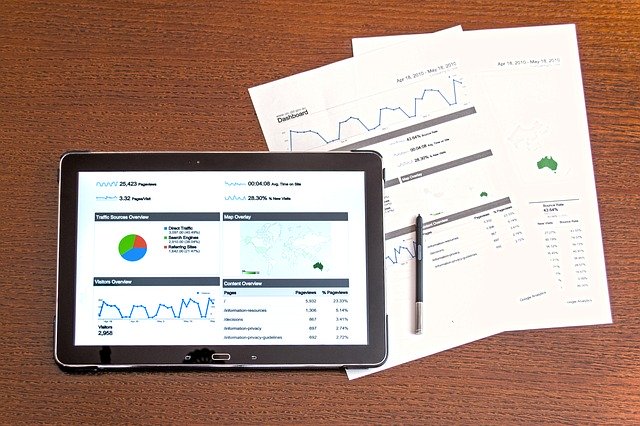






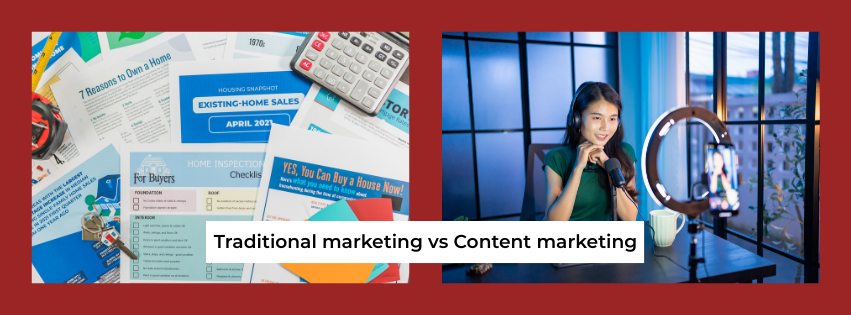
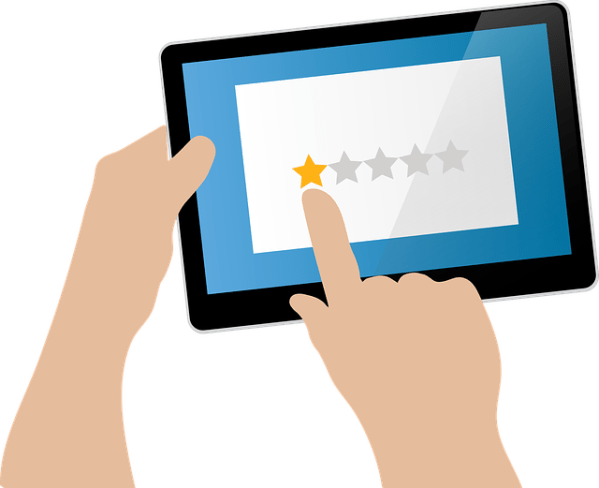
















 The Write Way