Brand Storytelling – how to tell yours!

Storytelling is nothing new, and something most of us do every single day without realising it. When you talk to your partner about your day, you’re telling a story – you read stories to your kids or tell them about what life was like when you were young (or as mine used to say ‘in the olden days’) …cheeky little beggars! So, it makes sense to tell stories about your business, so people get to know you and your brand. Stories help you capture your audience’s attention, build loyalty, and get sales. 

What’s different about Brand Storytelling – is it the same as your Brand?

The simple answer is ‘no,’

Your brand is an essential part of your business strategy.  Branding is the broader marketing and communications plan, such as content, your mission and vision and all the things that make your business ‘you.’ Branding includes the image you want to portray as well as your reputation.

Read ‘Get a better brand identity,’ one of my other blog posts, for more in-depth information. 

Brand Storytelling is a part of your brand strategy. It shows your human side and builds that engagement between you and your customers. It’s about sharing stories that your audience can identify with, weaving in the core messages of your business. It’s emotion-evoking, creates empathy, holds their attention so your audience feels the experience, and so helps build trust and loyalty, compelling them to take action.   

Seth Godin, an American author, and marketing strategist, (with a great sense of the humour by the way!), once said,

“Marketing is no longer about the stuff that you make, but about the stories you tell.”

Seth Godin

You may not recognise his name, but I’m sure you will have seen this quote before. In today’s climate, where competition is stiff, you have unlimited choice on everything you buy, and you’re constantly being bombarded with ads, not just on TV, but on social media, you need to find a way to make your business stand out from the rest. 

Storytelling is the answer.
The power of storytelling – what people want!

If I could use just one word to describe the power of storytelling, that word would be EMPATHY. People want to feel like they belong, they’re tired of being ‘talked at’ and being inundated with ads to sell to them. I know that I get fed up with it – it’s constant if you work online like I do.

What people want, what I want and I’m sure you do, is to feel a connection with a particular business – have that feeling that ‘they’re just like me.’ Telling stories is what makes your brand more human, you can communicate exactly who you are, what your values are, what you do and how you can help people. The more you do this, the more you will stand out.

When you have a small business, your main focus will be selling your products or services, and I see a lot of businesses churning out post after post just selling their products/services – using the quantity over quality mindset. And whilst, of course, if you bombard people with loads of content with what you sell, something may catch their eye, it doesn’t really connect with them on a personal level.   

Think about the big well-known brands. L’Oréal is a great example. Their tagline that we all know is ‘because you’re worth it.’ Originally this was ‘we’re worth it,’ talking specifically to women. It’s not just their tagline, it’s their brand mission, telling women that taking their beauty into their own hands is empowering and believing that it’s something no one else can control. When you hear that tagline, what do you think? Most of us would probably agree, that of course we’re worth it, we never doubted that!  Its aim is to resonate with women everywhere, no matter what age, colour, race, religion, sexual orientation – it’s just about inspiring us to have confidence in ourselves. 

A quote from their website reads,

“The inspirational and culturally diverse women who front the brand worldwide make the phrase relevant not just for their generation and their mother’s generation, but for generations to come.
Since its inception, “Because You’re Worth It” has been translated into 40 languages and has become the militant tagline uniting women around the world, encouraging them to fearlessly embrace their ambitions and believe in their self-worth every day.”

The point I’m making is that they are telling a story. So, how can you incorporate this kind of storytelling into your brand?

How to tell your brand story

  • Who are you? What is your story – who you are, what you do, what you care about and why it matters. Know what your brand mission and vision are for your business. As a small business, you are not a huge faceless organisation, you can show who you are etc with posts showing your workspace, talk about your hobbies, what you like to do outside of work, your family – show your personality – this is what helps give you your brand story.
  • What do you want people to associate with you? What do you want your customers to think of you? If you were going to buy your products/services, what would you look for?
  • Your natural style – this is about how you portray yourself. Are you enthusiastic about what you do? Do you show your passion for your product or services? Research other businesses who offer the same or similar products or services as you – how do they put their personal style across to their potential customers? I’m not saying you should copy someone else’s style, but it will give you ideas.
  • Be an expert at what you do. Show potential customers that you’re good at what you do. When you do a good job for your current customers, ask them for feedback and recommendations. This helps you have social proof – I always look at reviews when I buy something for example. You could use those reviews to build case studies – the story behind why they bought that product, or if they commissioned a particular product or service, (with their permission of course!)
  • Who do you do it for? This is an important one. Think about the people you want to help or whose custom you’re trying to win. You need to know who your target market or ideal customer is. Show them how you can help them, solve a problem, and let them know why you care. How does what you do improve their day-to-day life? What’s in it for them?
  • 80/20 rule – this is something I often bang on about, but it is relevant to your brand storytelling. Don’t make all your posts about selling. 80% should be content that educates your audience, entertains them, inspires them, and engages them with what you do. Only 20% should be about selling.
  • Don’t forget your call to action – at the end of every story should be a call to action. Tell your audience what you want them to do next. It might be ‘Check out my website/shop,’ it might be ‘sign up to my newsletter’ or something as simple as ‘follow me for more inspiration.’    

Conclusion

Brand storytelling is about getting into the minds of your audience. Humans are naturally programmed to create and listen to stories. They can affect us both physically and mentally, make us feel an empathy to a certain person or a certain business. Something resonates in our brains.

When you watch a film or read a book, how many times do you feel embroiled in the story, so that you see and feel what the characters do? Your brand story will have this effect on your audience when they really engage with your content- and if they feel engaged they will remember you.

Storytelling should be at the centre of all marketing in one way or another. And they will help you stand out from the crowd. Great stories will help your audience understand who you are, what you do and why you do it. 

Share this blog post or tag someone if you think this content will benefit them. And don’t forget, I’m only an email or message away if you’d like to find out more or have some 1:1 coaching on your brand story.

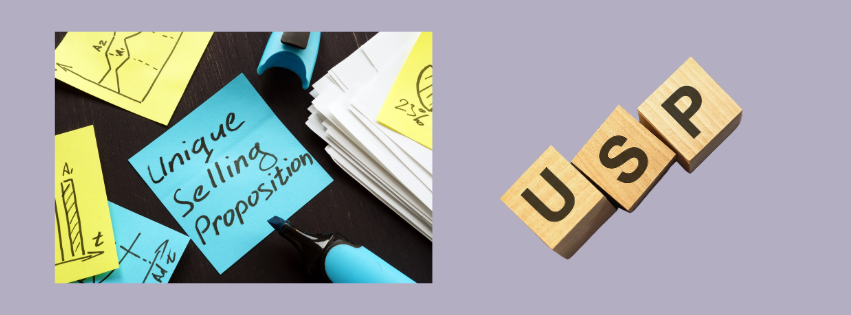
How to find your Unique Selling Proposition

There are so many small businesses out there and we all face competition from other businesses every day.

These days consumers are very tech-savvy, so they invest time researching their options before they buy anything, so in order for you to gain their business, you need to stand out from the crowd.

That’s where your Unique Selling Proposition or USP comes into play. This is what differentiates you from your competitors and makes your brand more appealing.

This can take some time and effort – and a bit of creativity to identify as there are few brands who are truly unique – but there are parts of every business that have their unique points.

A USP is often confused with the elevator pitch, which I’ve written about before, so just as an aside, here is the difference:

Elevator Pitch

An elevator pitch is about being engaging and friendly, clear, concise, and informative, which is a few sentences stating who you are, what you do and the value you offer your customers, which is the ‘hook’ to attract them.  

It’s called an elevator pitch as it’s designed to take no longer than 30 seconds to say – roughly the amount of time spent in an elevator between floors, to keep you focused on being succinct.

This is primarily used at networking events to attract potential customers and start a discussion.

USP

Your USP is what makes you different to your competitors. This is often used in marketing materials or when talking to customers who are ready to buy. So, let’s expand on this and find out how to find your USP.

How do you find your USP?

Your USP is based on the strengths of your brand and what you do or provide for your customers/potential customers. At the bare minimum, you should be able to answer the question…

“What makes your brand different?”

Yes, it’s not an easy question to immediately answer, so it’s worth spending some time thinking about it. Your USP needs to resonate with your target audience and focus on why customers should buy from you – what do they care about the most?

A USP could include:

  • Lower prices
  • Higher quality
  • Fastest delivery
  • A unique location
  • Innovative products or services
  • Fabulous, long-term aftersales service

Or anything else that will influence your potential customers’ purchasing behaviour, but these will just form part of your USP.

Top of the list is that your USP puts your customers’ needs first.

OK. Let’s dig deeper.

To define your USP, you need to…

Focus on your customers.

I’m always banging on about this, but the customer experience is the most important part of your business and is at the heart of your USP. These days people are bombarded with persuasive ads every day and face so many choices, it’s important you understand your target audience and understand their needs and challenges, so you can be that solution!

So, look at…

  • How do your customers shop? Do they shop online, or do they prefer to see and feel products before they buy?
  • How will they use your product or service? This is important to know so you can help them picture themselves doing just that!
  • How does your brand align with your customers’ experience? What’s it like to interact with you either face to face or online?

Once you’ve answered these questions, write down what you offer your customers in a basic statement – for example (fill in the gaps) …

My business makes xxxxx (products) or provides XXXX (services) that are unique to us. We are targeting these customers (your target audience) because we provide them with XXXX (enter the value you give or the solution your products or services offer to a challenge or problem).

This is a good starter for ten! Now, dig deeper!

What are your business values?

You created your small business for a reason. What are your values and how do you stand by them? Look at your mission or vision statement and see how your customers’ needs fit into that.

Your USP will change over time as you incorporate new products or services and as your business evolves.

Look at your strengths and weaknesses!

Here’s where a bit of brainstorming comes in, so you might want to recruit the help of a friend, employee or partner who knows your business well.

Start with your strengths and make a list – ask ‘what do we do best?’ When answering, keep your customers needs in mind. How does what you do best solve a problem or challenge for your customers?

Then look at your weaknesses – be honest here – it might be that you identify a weakness that actually wouldn’t need much work to make it a strength – and it addresses a potential customer problem or challenge.

It could also be that you identify a weakness that needs urgent attention!

Look at your competitors.

To ensure your USP will stand out, you need to know what you do better than your competitors. This takes a bit of research. Look at three of your competitors – check out their social media pages and their website. Look at their product or service descriptions and try to identify what their strengths and weaknesses are. Sometimes it’s hard to find something, but 9 times out of 10, you’ll notice a gap – something that either you do – or could do – to fill that gap. That can then be something you do different to your competitors.

It might be that:

  • Your overall customer experience is better.
  • Your website is easier to navigate and find what they’re looking for.
  • You make it easy for your customers to pay for your products or services.
  • You may have stronger processes or better knowledge in certain areas than your competitors.
  • You might have a better delivery service.

On their own, none of these examples are a USP, but when combined with your strengths and the unique customer experience you offer compared to your competitors, it’s that contrast that forms the core of your USP.  

Still unsure about your USP?

If you’re still not sure about your USP, answer these questions:

  1. What are the features and benefits of what you sell or offer? Think about them from a customer’s perspective.
  2. What inspires you? You might be inspired to fill a gap in the market, provide a solution to a common problem, or be inspired to have innovative products or services. It might be that you’re inspired by artistic or creative tendencies that give your products the edge over your competitors.
  3. Can you split your customers into groups, (segment them)? By this, I mean knowing your customers and how their needs vary – and that they may be on different parts of the journey to buying your product. They might be in the ‘I’ve just found you’ segment, or at the other end – in the ‘I’ve bought from this business before and want something new.’ Similarly, you could have a product that people use in different ways, so how and why they find you could be completely different.    

Answering these questions will help you see more clearly what is unique about your products or services, so you can then write your USP. And it doesn’t have to be hundreds of words. It needs to be short and to the point, getting across exactly what makes your business unique and what makes you stand out from the crowd.

You can then share your USP on your social media introduction, in your bio on Instagram or on the homepage of your website.

A USP will change as your business evolves so it’s worth going back to it once a year to ensure it’s still relevant to both your business and your customers.

If you need any help with your USP, I offer coaching sessions to help you better understand your brand and marketing. Just contact me if you need help.      

Customer Loyalty programme – good or bad?

What is a customer loyalty programme?

We all know that if you have loyal customers, they will return to you time and time again, and will refer you to their friends and family. They return because they love your brand, love your products/services and are really happy with the experiences they’ve had with your business.

Over the last several years, we’ve seen more and more companies using customer loyalty schemes or programmes to reward their existing customers, and to encourage them to keep coming back for more. A good example is that of coffee shops. They give you a card and every time you buy a coffee you get your card stamped. When you have 10 stamps on your card, you get a free coffee. Some programmes give you cash-back or use a points system, but they are all basically the same, with the same reasons for using one.

Why use a customer loyalty programme?

They are great for small businesses because they give your customers an incentive to give you repeat custom. Some loyalty programmes reward customers for introducing a friend (and they get a reward if that friend becomes a customer).

These programmes also increase your brand awareness and can help generate a positive return on investment. But, as with any scheme or programme, there are the downsides as well as the upsides. I thought I’d take a look at the pros and cons, so you can be in a better place to decide whether a customer loyalty programme might be good for your business.

The Pros

Customer Retention

According to the advisory firm, Bain & Co, increasing customer retention by just 5% can boost your profits by 25%-95%, so looking after your existing customers is vital for the good health of your business and profits.

Customer loyalty programmes also have the benefit of making your customers feel like their custom is valued and they feel appreciated. This, in turn, makes them want to carry on doing business with you. And it makes financial sense to introduce such a programme as, according to Inc.com, existing customers spend 67% more than new customers. So, the benefits to both the customer and your business is potentially huge to boost customer retention and give them an incentive to buy more.  

Direct communication with your customers

Your customer loyalty programme means that you have access to a direct line of communication with your customers. This makes things a lot easier to build your brand awareness and increase that loyalty by providing them with regular and relevant information. You can collect their email address and ask them to opt-in to your monthly email newsletter, where you can share news about new products or services, events, any promotions you might be running, as well as any updates to the loyalty programme.

Customers who feel valued and ‘in the know’ about a business they buy from, will not only keep returning to you, but they will tell their friends and family, which could give you new connections and customers.

Data on customer trends

Having customers’ contact details, such as email, along with the records you keep of sales from each of those customers gives you valuable data. Customer data gives you an overview of your customers’ buying behaviour. You know what their preferences are, you know their buying habits, such as when they are more likely to buy something. This not only helps you with knowing what works and what doesn’t, if you sell products it can help with your stock and knowing what to stock more of, as well as giving you valuable information about what products or services they may like in the future.

It also helps you with your advertising and promotions planning and helps your marketing, as you can measure the results of special promotions, new products etc.  

Brand differentiation

Loyalty programmes help your brand and can help distinguish you from your competitors. As a customer myself, I know that I am bombarded on a daily basis with an overwhelming number of choices for a particular product or service. The minute you type anything into a Google search, it seems to be picked up by your social media pages and you get loads of adverts about the product you’re looking for – you also suddenly get a barrage of spam emails about the same. I don’t know about you, but I find this extremely irritating! I’d rather stick with a brand that I know and trust.

A loyalty programme can help your customers CHOOSE YOU over the competition and the fact that you offer an incentive to be a loyal customer, this differentiates your brand against the other businesses with a similar brand to yours.

It can also help you in slow seasons, when business is not going very well. Take an airline for example, in the summer they sell loads of plane tickets as people jet off for some summer sun. But in Autumn and Winter, business can be a bit slower. So, they do special low prices on airline tickets to incentivise customers to get away in the slower seasons, at a much reduced price. This keeps the airline ticking over.  

The Cons   

All loyalty programmes look the same

Loyalty programmes are not a new concept and many businesses have the same kind of incentive scheme running. They have similar purchase requirements and benefits for the customers. With the abundance of loyalty programmes around, customers could feel overwhelmed by the choice, and this can make it harder for businesses to generate excitement for their programme. So you need to create something unique and that stands out from the others…this is not easy.

Loyalty costs money

Creating a customer loyalty programme does cost money. Any discount you give is going to affect your profits. Even a small discount can seriously impact your profits. For example, say you give a 5% loyalty discount. A product that costs £50… is £40 in costs and £10 in profit. If your customer buys that product for £50 with their 5% discount, they will pay £45. So, from your business point of view, you still have to pay your £40 costs, so your profit will be £5 – this is a 50% decrease on what you normally earn. You could help this by putting a timeframe on the discount – 5% off for the next month. The losses you suffer could be lessened by the increase in business from that customer.

Your loyalty programme has to be worth the time, money and effort you put into it. If it is proving to produce more repeat business, it could still be worthwhile financially, especially if you’re selling more to a loyalty programme member than normal. It’s just something to be aware of.    

Is the behaviour you witness actual loyalty?  

It’s hard to tell if your customers are loyal to you and your brand, or whether they just buy from you out of habit or because you’re closer than anyone else who does the same. We often look at a frequent customer and think they are loyal, but loyalty is an emotion which can’t really be measured. So how do you get around this?

This is where you can use marketing tactics to find out just who is loyal. You could reward customers for referring family and friends, or for writing a good review. This will show who is actually willing to stand up and vouch for your brand, stating the reasons as to why they like it.  

Another way to keep that loyalty to your brand is to include customers in your advertising – what better way to advertise your product, than to use a photo of a real customer using your product, or talking about the excellent service you give.

Data does have its limitations

As well as being a good thing, data does also have its limitations. For one thing, it doesn’t give the full picture of your customers’ overall purchase behaviour, as it can’t know what they’ve bought from other brands or shops. You also can’t tell from data if a customer is buying from you just because it’s at the right price and others may give repeat business just so they get the benefits of a loyalty programme.

You could survey your customers to find out more about their loyalty, but some will be reluctant to provide information about where and what they buy elsewhere. They might even feel offended by it.

Conclusion

There are clearly huge benefits to having a customer loyalty programme, but it’s important to be aware of the downside too. And not all programmes are successful, as the marketing and implementation is crucial to their success. However, they can help you generate more business and be rewarding for your customers.

Look out for next week’s blog, when I talk about how to promote your customer loyalty programme.

In the meantime, would you consider running a loyalty programme for your small business? Maybe you do already. I’d love to hear your thoughts on all aspects. Please comment in the comment box below.

Thank you for reading!   

Quick wins to get more customers


If you work for yourself, you will always be looking for new ways to get more customers, and this seems to be getting harder and harder, year on year. But there are a few quick wins that could help you on your way to getting more…

Make yourself or your business the answer to a problem. Is there a problem out there that you can solve with your products or services? Do some research online and find out…then market yourself/your business, letting people know that you have the solution to their problem.

Follow up on previous sales. Once you make a sale to someone or provide them with a service, don’t forget to follow up with them a month or so down the line. Just dropping them a simple email to say ‘Hi, hope everything is OK ‘and ask if you can be of further service to them. If you sell a product, or range of products, perhaps you can suggest one to them that they haven’t tried before. If you provide a service, perhaps there’s another service you provide which they hadn’t thought of…you just need to point out that they need it and why!

Know your audience. It’s much easier to sell your products and services if you know who you are targeting. Do you know who your target market is? Take a few minutes to think about what makes those people tick…what makes them happy, sad, relieved … how can you address any issues to make their life easier? There’s a workbook on my website, which can help you with this.

Hang out online. Answer your comments on your social media pages and hang out for a while! Get a conversation going and just generally chat with your audience. If you belong to groups, answer questions in comments and be genuinely helpful – don’t try to sell anything – if people like you, they’ll look for your page, where they can engage with you on a more regular basis. Be helpful, be friendly, share tips and stories!

Back to basics. Take a fresh look at your website and social media pages. Update your profile picture so it’s current, and make sure you are posting regularly. Make sure your website is up to date and that all the links work. Is your logo and online persona still relevant to what you do? If not, think about a re-brand. Make sure you have plenty of business cards and that they have all your up to date information on them. Distribute them to places where your target market may be….and think about getting flyers done to advertise your business…remember, that although we live in a technological world, not everyone is online, so there is still a need for hard copy advertising.

Be easily found! This isn’t necessarily an obvious one, but are you easy to find and contact? Make sure your contact details on your social media and website pages are up to date and easy to navigate. Give people options on how to contact you. For example, you might have a contact page on your website, but also give your email address, or a contact number – or tell them to message you on social media. It all helps!

Network with others. Find local groups or networking events, where you can meet like-minded people and exchange business cards and details. If you have a product and there’s a local trade fayre, go along and give out flyers and talk to as many people as you can. Don’t forget to also network online too on socials and in groups or forums.

Get yourself interviewed. Approach a local newspaper or radio station and try and get yourself interviewed about your business. You can take the tack of putting yourself forward as an expert in your particular field.

Are you selling online? If you sell a product at markets and trade fayres, let your customers know that you also have an online presence. If they don’t have enough cash or can’t afford your product at the moment in time, they’ll know where they can find you. If you have an email newsletter, get them to sign up to it so that they receive the latest news and information about your business.

Interview someone and post online. Arrange to interview an influential person in your niche – or soeone who does something complementary to your business. You can have a chat about what you both offer and how it works, both together or separately. You can then both post the interview in the form of a video post, podcast or use it for your blogs – you then get twice the coverage and reach not just your own audience but your interviewee’s audience too. Make sure you give details of both your businesses at the end, with details of where they can find you and/or contact you.

Offer a free trial of your product. Everyone loves a freebie and giving something away is a great way to get new customers. Make the free trial available for a limited time only, so instilling the idea that if they want a bargain, they need to do it ‘now’. Once they have the free trial, ask them for feedback so you can make improvements if necessary. and ask them to share their feedback in the form of a review.

If they love your product, they will look at what else you sell…you can also point them in the right direction, for example, “If you liked XXXX, you should try XXXX – I’m sure you’ll love it!”

Think about setting up a face to face event. Although this might not necessarily be a quick win, face to face events work well to get yourself known, either online or in your local community.

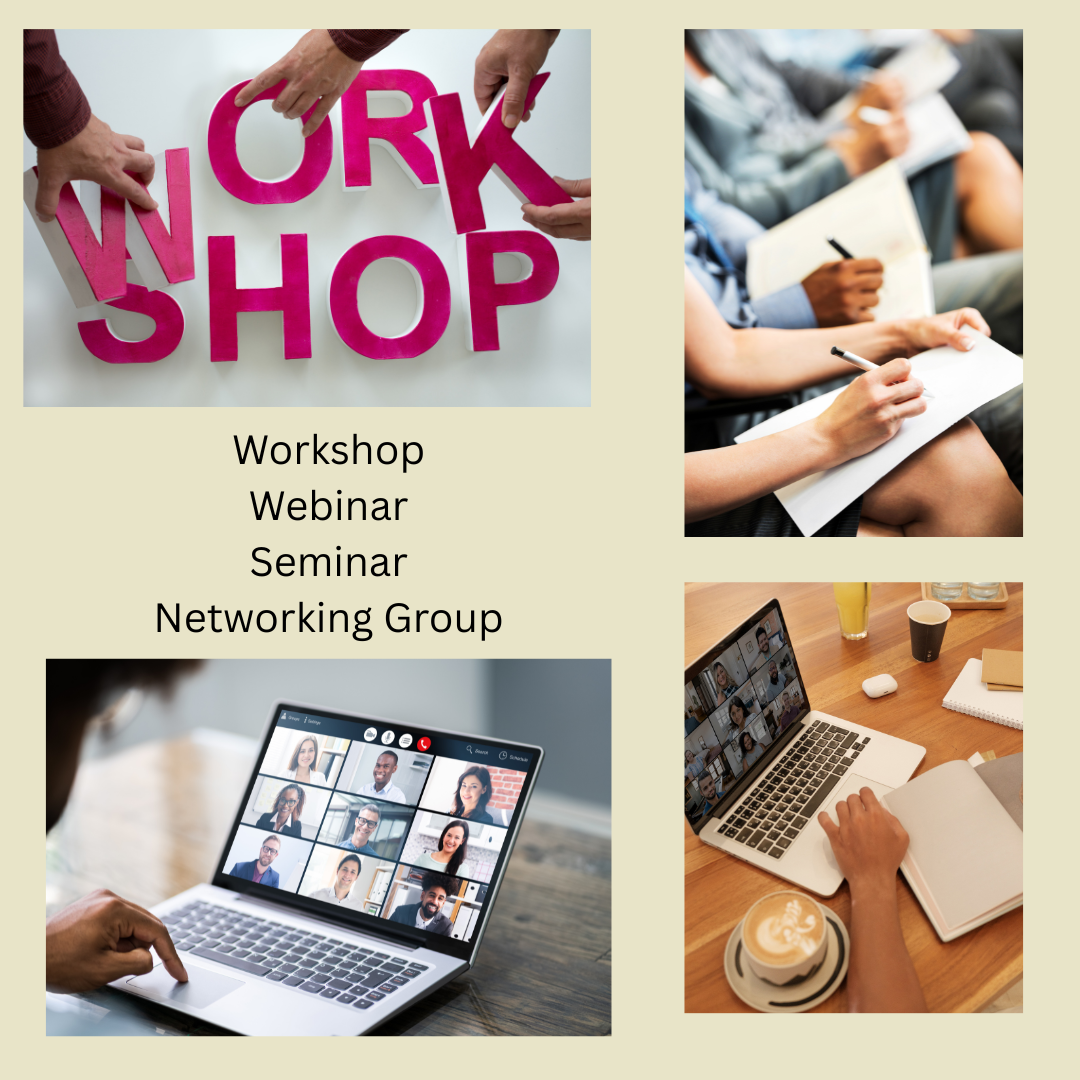
If you do something that you could teach in a workshop, think about setting this up, so people can pay to come along and leave with something they’ve made themselves. You can advertise them for groups of friends, or you may know local groups of people who get together regularly – ask them if they’d be interested to do something fun as a group.

If you’re not comfortable doing a face to face, in person event, you could arrange a webinar, where you teach something online through video. You have the choice of showing your face or not.

You can also set up a networking group for people who do similar things to you to get together and brainstorm ideas, whilst having coffee and cake! Or, you could set up a Facebook networking group online – although be aware that this requires a lot of time to manage, so definitely not a quick win!

When you have gained new customers, which strategies have you employed? And what did you find was the most successful? It would be great to hear from you.

And you can always contact me for more help – I run several 1:1 coaching sessions that help you get clarity in where your business is going and how to do it.

Get a better brand identity

We all want our businesses to stand out from the crowd. Although it takes some time and effort, it’s worth it to have a unique identity that is instantly recognisable. Your brand identity is what tells everyone who you are and what you do, as well as what they can expect when they interact with your business. It’s what helps you gain loyalty from your customers, get referrals, and build that all-important trust.

There are several things that help make up your brand identity – it’s not just about your logo, slogan, and design scheme, but also about the experience your customers get at every touch point with you.

Mission and vision for your business

The first thing to do is to think about a mission statement for your business, which is a short sentence about what your purpose is. We all know Nike’s tagline, ‘Just Do It’ but did you know that their mission statement is ‘To bring inspiration and innovation to every athlete in the world.’ So, their mission statement encapsulates everything that the company is about and wants to achieve in one short sentence. This is no mean feat, but achievable for your business with a bit of thought. You could always get a few friends round and have a ‘get my mission statement’ party…but make sure you work on the statement before you start drinking…or you could have some very interesting stuff!

It can be easier if you think of your brand as a person – what does it like or do? How does it help people? What do you want customers to remember about your business? It’s important to be consistent across everything you do and give the same high-quality service and friendly attitude to every customer, so they all have the same or similar experience. This is especially important if you’re dealing with a complaint – be consistent; apologise; find out what went wrong and why and then try and put it right, keeping the customer informed. By doing this you can often turn a complaint around into something positive and turn the complainant into a loyal future customer. I think that the main thing to remember is to always consider your branding with every interaction with a customer.

So, now that we’ve looked at the experience you want your branding to give you customer, it’s time to look at the more practical stuff – business name, logo, colours and design – these are important and help shape your brand, but you need to know what the mission statement of your business is first before you begin, as this helps everything else fall into place.

What’s in a name?

The name you choose will depend on what you do. I chose to incorporate my name in my business name. The reason for this is because with a service business like mine, people will often remember my name, but wouldn’t necessarily remember a random name I came up with. If anyone puts my name into a Google Search, they will find pages about all that I do.

You might want to use a name that incorporates what you do. For example, if I made handmade chocolates I might call my business ‘Cindy’s handmade chocolates,’ keeping it simple, or maybe ‘Cindy’s tantalising treats.’ It needs to be catchy and capture the nature of what you do. Take time to think about it as once it’s out there, that is how people will see your business.


Logo – Once you have your name, you could incorporate that into a logo – again to make your business recognisable. As well as an overall logo, you could also have smaller logos for individual product lines.


Brand Colours – The colours you choose are more important than you might think – according to research by web design and marketing company, WebPageFX, people make a subconscious judgement about a product in less than 90 seconds of viewing, and most of these people base that assessment on colour alone. In fact, almost 85% of consumers cite colour as the primary reason they buy a particular product and 80% believe that colour increases brand recognition. Wow! That’s quite powerful.


Tagline – The most important thing with producing a tagline is to be succinct. Your tagline captures what your business does and its values in one, short sentence. For example, Nike use ‘Just do it’ – L’Oréal use ‘..because you’re worth it’ – both very powerful brands with quite simple, catchy taglines that tell you what they want you to remember about them.

To help you produce your tagline, concentrate on the features of your business, how your products make people feel. Make a list of all the good things about your business …do your products enhance someone’s life?…make them feel more beautiful?…provide solutions to your customer’s problems?

Then brainstorm words that describe those things – it might be worth getting a few friends together to help you brainstorm. Once you have a few words, you can think about a tagline.


Fonts – When looking at your brand for the first time, people will notice the colours and the font – the way the brand name is written. There are so many different fonts, so try and choose one or two that enhance your business name…for example if you sell vintage jewellery, look at a vintage font.

Remember that the font you choose needs to be legible, so don’t pick something that is difficult to read. 


Tone of voice – Most big companies go for straight forward language or the ‘plain English’ approach. This helps customers easily understand what you’re saying without having to wrestle with big words, long sentences, or jargon. Keep the language simple and friendly and you can’t go far wrong!

Brand Personality

Brand personality is the overarching name that refers to a set of human characteristics that can be attributed to a brand name. It’s kind of personality traits that your customers can relate to, in that they see something they can identify with that meets some parts of their own personality. 

Finally, a brand personality evokes a positive emotional response from consumers.

So, how does brand personality work?

If consumers identify with certain personality traits of a brand, what are they? The five main types of brand personality are:

  • Excitement – carefree, spirited, playful, modern, trendy, and youthful.
  • Sincerity – Kindness, thoughtfulness and an orientation towards family values, environmental sustainability, or care for workers or communities
  • Ruggedness – Rough, tough, outdoorsy, unfussy, and athletic
  • Competence – Successful, accomplished, and influential, which is highlighted by leadership.
  • Sophistication – Elegant, prestigious, exclusive, luxurious, and sometimes even pretentious

Even though we are very much in an online age, where automation and AI (artificial intelligence) is growing, people still want to have that personal interaction or direct customer service. And research has shown that customers are more likely to buy from a brand with a similar personality to their own.

Your business’s brand personality should shine out of your posts and in everything you do. It can also influence the type of imagery you use and the way you word posts or share your marketing. It’s definitely food for thought.

Examples

Let’s take a couple I used earlier – L’Oréal tells us ‘You’re worth it.’ Their brand is about empowering women of all ages and backgrounds to believe in themselves.  They believe in the quality, efficacy, and safety of their products, and are world leaders in beauty, hair, skin, and perfume. They now target both men and women, but the tagline most remember is ‘because you’re worth it’.

Nike, on the other hand, with its ‘just do it’ tagline, targets sports people driven to achieve their goals. It’s an energetic and modern brand.

A business’s brand should appeal to its target audience and strive to have brand attributes that attract that particular audience.

This has been a very simple way to look at your brand identity and there is a lot more to it, but these are the basics that should help you on your way.

If you need any help, please feel free to contact me.

Building a brand for your small business

A Brand is the image of your business; the products or services that your customers and potential customers connect with. You don’t even have to see the name of some of the famous brands to know what they are – for example, you see the big, yellow, arches in the shape of an ‘M’ and just know that it’s Macdonald’s – or see the Apple logo and you know what it represents. Building a brand for your small business means you are marketing your business to be recognisable, so the name of your business is instantly connected to the products or services you provide.

If you have a good online presence, you’re already making a start in promoting your brand. You can use search engine optimisation with relevant keywords, which will show up in online searches, but you need to do plenty of research to ensure you are using the right kind of keywords for your business so customers and potential customers can find you more easily.

Your brand says a lot about you, the person behind your business – your brand is synonymous with your reputation. How do your customers see you? Are you seen as an expert in your field? What do you represent? What does your business stand for? When someone hears the name of your business or your name, what springs to their minds?

What is your current brand? 

Put yourself into the shoes of your customer. Type the name of your business into google search and see what comes up – then type in your name. If you were a potential customer, would you employ you? Most big companies in the UK check out potential employees’ Facebook pages – what does your page say about you? If you’re trying to build a reputable brand, be careful about what you say on social media pages – although this is controversial, if you regularly rant about your personal life in public or use expletives, does this give a good impression? Will it affect the reputation of your business?

Social media sites give you the opportunity to build your public image – it’s the one area you have total control over – you decide how you’d like your potential customers to see you. If you are selling a particular craft or product or provide a service, you’ll want to be seen as someone who knows what they’re talking about – an expert. What you post demonstrates that image to the public, so use it wisely.

How do you build a positive brand?    

Set yourself goals…

  • What do you want people to associate with you? What do you want your customers to think of you? If you were going to buy your products/services, what would you look for?
  • arrow-2889040_640A good brand demonstrates expertise. You need to show potential customers that you’re good at what you do. When you do a good job for your current customers, ask them for feedback and recommendations. When I want to buy something on EBay, I always look at feedback to ensure the seller is reputable and delivers what they say they will

  • Your natural style – this is about how you portray yourself. Are you enthusiastic about what you do? Do you show your passion for your product or services? Do some research on other people who offer the same or similar products or services as you – how do they put their personal style across to their potential customers? I’m not saying you should copy someone else’s style, but if their style is successful, it wouldn’t hurt to emulate some of it!

Website – If your name or business name isn’t on the first page of a google search, you need to do some more work on getting yourself recognised. Do you have a website? If you do, research keywords for your product/services and keep your website content fresh and interesting.

Logo – if you don’t have a logo, it’s definitely worth investing the time and money in getting one that captures your business. Then use it..on your website, on flyers, on your blog, business cards and in any advertising.

Blogdo you have a blog? If you don’t, it’s worth thinking about – it’s a way to show your expertise to your customers. Write blogs that are informative and that help people; write about your products and why they’re good; research other bloggers who do the same or similar to you – follow them, make comments on other blogs, become a guest blogger. Get exposure!

Social Mediause social media wisely. Post regularly with relevant content on your business pages; use photographs, quotes, put links to interesting articles – anything that you think your customers would find interesting or useful…or even funny – without being offensive. Remember the 80/20 rule – 80% of posts should be entertaining, engaging, educational or inpirational and only 20% selling.

LinkedIn – this is a great business to business networking site – you can comment on forums, set up your own discussion threads – all of which can help you be seen as an expert in your field.

Google Business Profile – this used to be called Google my business. Get listed on Google so your business can be found easily. This really helps with local marketing and helps people looking for a business like yours to find you in their area through Google search and maps. You can add posts and photos, it’s free and is an invaluable tool.

Building your brand takes time; google takes time to recognise any changes you make, but it’s worth the time and effort. You’ll get more business as more customers find you, like you and your brand and recommend you. This, in turn, will make your reputation grow – make your brand more recognisable….and so your business name and personal name will move up the ranks of google search and you will stand out from the crowd.

If you need any help with your branding, or if you have any questions, please feel free to email me at cindymobey@outlook.com – I’ll be happy to help.

Find your niche and market, market, market

If you’re going to make a success of marketing your business, you need to hone in on what is the best niche for you to be in. What will sell well? What will make you the most money?

What is a niche market?

A business niche is a focused area of a broader market that your business specifically deals with. It doesn’t matter whether your business is in a unique industry or a saturated market, it’s really important to differentiate yourself from your competition, as this is what helps you to win your audience.

You might like everything you do, but in order to be a successful business, you need to be able to distinguish your brand from your competitors, find what you are really good at and establish yourself as a dominant leader in that area. Even the biggest names can’t be everything to everyone; there are always going to be those small groups of people who need a particular product or service not met by the bigger companies…which is where the small business can step in.

What are you good at? 

This first question is probably the most important. It’s not ‘what would you like to be good at?’ You need to be really honest with yourself – where do your talents really lie? What skills do you have? What do you enjoy doing? Once you have decided what you are good at, make a list of your skills and talent in that area. For example, if you love knitting, crocheting and sewing, which one do you excel in?

Once you know which you are best at…let’s say knitting for example, then you need to look at what skills and talent you have. So, it might be knitting baby clothes, knitting adult clothes, knitting toys – put the things you enjoy making most at the top of the list and so on, down to the ones you least enjoy.

What do potential customers need from your list? 

This is where you need to do some research. Of the things you are best at making, what is popular? You can look on Etsy, eBay, Shopify and Amazon – are the products you are good at making doing well? Make a list of the things people need from your list of what you do well…then look at these questions and do some research.

  • Do you solve a particular problem for customers?
  • Is your product(s) something that people will come back for time and time again? This is important for repeat business.
  • If there are other people selling the same as you, can you offer something unique that they don’t?
  • Who does your product appeal to? Can you expand that to include other groups? For example, if your product appeals to an older age group, can you make it more appealing to a younger audience. The bigger your product appeal, the more you will sell.

What will people pay for?

Now you know what is marketable, which do you think people will pay the most money for…put your products in order of price…from high to low. You now have your niche – your list of the products you like to make, that you’re good at making, that have a potential audience and that are sellable.

Market, market, market

Now you have your niche and know what is marketable, it’s time to actually market it. If you are a small business, marketing is all the more important as you won’t necessarily have a huge brand following, nor the money to spend on expensive and extensive advertising. So, part of your marketing strategy will be to stand out in the crowd. I wrote this article a while ago, but it is still relevant and will give you some tips on standing out in the crowd.

How to make your business stand out in the crowd!

Hopefully you will pick up some great tips!

You should try to spend at least an hour a day promoting your business…and some things are much easier than others – here are some quick-win tips to help you promote your business that don’t cost the earth.

  • Always remember that YOU are your business. No matter what you do or where you are, everywhere is a business promotion opportunity. Your image largely reflects on your business. Although we all try not to, most of us do judge people on our first impression of them…so make sure that you always give a great first impression.
  • Your social media pages are the obvious choice for this list – they don’t cost anything and you can reach your target audience by publishing the right kind of content that will appeal to them.
  • Always carry business cards as you never know who you might meet and if you don’t carry them, you could be missing an opportunity to get someone to contact you.
  • Can you leave flyers or business cards at places where your potential customers are likely to be…at the gym, hairdressers, beauty salon – places you know that your target market hangs out!
  • Talk to people wherever you go – if you’re in the Doctor’s surgery waiting room, strike up a conversation with someone…too many of us sit in silence in these places…do you take your children to sport events? If you do, you’re likely to be hanging around with other parents…talk to them. There are always opportunities to strike up conversations and promote your business.
  • Attend networking events…again, this puts you in front of potential customers face to face…sell yourself and your business.
  • Sponsor a local event or charity – or run a small event for charity in your own home or garden.
  • Host a seminar or training event and share your skills – a great way to get your business name out there.
  • Collaborate with another business which complements yours and vice versa. For example, if you do hair for weddings, you could collaborate with someone who does make up or flowers. Promote each other’s business on social media and on your websites.
  • Give your website/social media pages a facelift to keep it fresh and don’t forget to regularly change your cover photo and profile pics so they are up to date.

There are many other small ways you can promote your business and, as I said earlier, it doesn’t have to cost the earth – the most valuable thing you can invest in your business is your time.

If you have any questions, or would like to have a chat about your niche and target audience, contact me or message me on social media. Alternatively you can email me – cindymobey@outlook.com

Supercharge your customer touchpoints

This sounds like just another one of those buzz word things – so what am I talking about?

Every business wants their customers to be happy with the service and experience they receive. But, unless you have your customers in mind at every single touch point, you could be missing out on some great opportunities to delight them and keep them coming back for more.

What is a touchpoint? According to SurveyMonkey, the definition of a touchpoint is “…any time a customer or potential customer comes into contact with your brand…before, during or after they purchase something from you”

You may have great products, delivered on time and with a smile, but if your advertising isn’t on target, or they receive billing mistakes, or have to deal with a clumsy and clunky website, you can scare your customers away. Luckily, these touchpoints are easily fixed and within our control.

Let’s take a look at the general touchpoints a customer will come across…these are just some examples.

Before a sale – Social Media sites, Website, Customer reviews, Advertising/Marketing.

During a sale – Shop or office, Catalogue, Phone.

After a sale – Billing, Emails, Newsletter

Make a list of the touchpoints your customers have with you, then look at them in turn, e.g. your website…is it easy to navigate? Do the tabs point to the right things? Do the links work? Are you easy to contact? Do customers get a quick reply if they do contact you?

Supercharge your touchpoints

Now it’s time to supercharge your touchpoints for a better customer experience.

Personal touch – Try and speak to a customer wherever you can as most people like to be treated as individuals. I prefer to speak to a real person, not an automated service as I can ask questions and, if there is something I don’t understand, I can simply ask. It is also easier to build a relationship with your customers if you actually take the time to talk to them, as it makes them feel valued. They will feel that they are important to you and your business, that their custom is appreciated and that their opinion matters.

Consistent Service levels – Be consistent across all your dealings with customers, not just on the phone. You have won their custom and now it is time to build their loyalty and gain that all important customer satisfaction. So, not only ensure that you give excellent customer service on the telephone, ensure that they receive the same experience if they email you, such as a prompt reply, with the answer or solution they want wherever possible.

Know your customers – Know what your customers want and who they are. If you can solve a problem for a customer, do it…they will always remember that you went that extra mile…and will recommend you to family and friends. Something that you did this year that went really well, might not work next year – never make assumptions where your customers are concerned. One of the simplest ways to know what your customers want is to ask them. This could be via a courtesy phone call (but be careful not to be a nuisance), via a short survey or hold an event, where you can interact directly with your customers and they can see who you are and meet you properly.

Resolve any mistakes – If you make a mistake, own up to it and put it right quickly. Don’t blame anyone else, just resolve it and offer some kind of compensation, such as 10% off their next order. The four step system is a good way to deal with complaints.

Listen to the complaint…don’t argue or put the blame on someone else – the customer doesn’t want to hear this – he/she just wants you to listen to what they have to say.

Acknowledge the complaint – let the customer know that you understand their complaint by relaying it back to them. This not only shows that you have been listening but gives hope that something will be done. Thank them for bringing the situation to your attention and assure them that something will be done.

Solve the complaint – if you can, resolve the issue, keeping the customer informed along the way. In the first instance, after you have acknowledged the complaint, say that you will look into it and will get back to them within 24 hours – even if you haven’t resolved the problem yet, ring them within 24 hours to let them know what’s happening. Keeping them informed every step of the way is very important in keeping that customer in future and lets them know that they are a valued customer.

Thank them – you have already done this when you acknowledged the complaint but do it again. If the issue has taken or is like to take a long time to resolve, maybe offer them some kind of compensation – a money-off voucher or a free gift.

Appreciate your customers – Let your customers know they are valued, e.g. send regular customers a ‘thank you’ card, or give them a money off voucher for being loyal, or ask if they’d like their purchases gift-wrapped.

It’s also really crucial to look past the sale…once your customer has bought something from you, don’t make it the last time they hear from you…follow up the sale and ask how they are getting on with the product. Are they happy with it? Do they think it could be improved? Do they have any questions about that or any other product that you sell? They may tell you about a problem they have that you can solve for them, or give you an idea for a new product.

If your customers are really happy with the goods and/or services they receive from you, ask them if they could write a short review, either on your Facebook page or on your website…or if they prefer, they can send to you on email. Ask if it’s OK to share their review with other customers and potential customers.

Whether your business is a huge concern, or just a one-man/woman team, excellent customer service must be at the heart of everything you do. It can take extra time and resources, time and money, but good customer service leads directly to customer satisfaction, which can generate great business for you via word of mouth. It can also you’re your business thrive and ultimately be a success. Never underestimate the power of good customer service – it’s your businesses life-blood.

Please feel free to email me if you have any questions or need any help with your marketing. I offer a free discovery call to discuss your business and how I can help.

Managing your online reputation!

In the dim and distant past, the reputation of a small business was all about word of mouth. With no internet, reputation was based on you…how you conducted business, how you interacted with your customers and how your products hit the mark. If you got a negative comment, you would soon know about it, as most businesses were local, and you then had the chance to fix it.

Nowadays, most businesses, even very small businesses, have an online presence – be it a website, social media page or advert. Because of the internet, small businesses are not limited to local business; we can sell worldwide and reach millions of people at the click of a mouse…and businesses are open 24 hours a day, seven days a week. Although this is fabulous, in that you can reach millions of potential customers, it’s harder to manage your business’s reputation. If someone has left a negative comment somewhere on the web, you won’t always see it, but it can be just as damaging as a word of mouth negative remark. So how do you manage your online reputation?

Google your name

Have you ever googled your name or business name? Try it and see what pops up…you will be surprised…when I did it, there was information about me and my business, but also various events I was involved in years ago when I was employed in the UK. Also try entering your name into google images – that surprised me too!

Every single day, thousands of people are looking online for information about businesses or just a particular person, simply by typing their name into a search engine. With information about you and your business in the public domain, managing your reputation is crucially important. It’s not difficult to manage, but it does take time.

What if you find a negative comment online about your business? You’ll probably want to remove it. If the comment is something someone has said about you on their website or blog, contact them direct and politely ask them to remove it.

Set up Google Alert

You can go into Google Alert and request that you get an email notification every time your name is published online. Simply type google.com/alerts into your browser and open the site. Type your name or business name into the search box. Choose ‘show options’ to narrow the search to a specific language/source/region. Then select ‘create alert’ – you can choose to have alerts sent to you daily or weekly…and you can cancel at any time. I’m doing it for a month just out of interest to see who searches my name…could be interesting!

Be active on Social Media

Not all of us want to do this or have time to, but it is worth joining a few social networks – even if you just use them to fully fill out the profile pages. You don’t have to be completely active on them all the time, but if you add content once a month, this can help your online reputation. As well as the usual sites, such as Facebook, LinkedIn, Twitter and Instagram, there is also Tumblr, Pinterest and YouTube, which are great channels to be a part of. I belong to a few of them, but am mainly active on Facebook, LinkedIn, Pinterest and YouTube. One of my goals for this year is to be more active on these and a couple of other sites…even if only adding the odd article or adding a comment to something and why it is interesting to me.

If you do go onto new sites, fill out as much information as you can, especially your name – make sure you use your full name, not nicknames.

It’s also very important too, that if you do set up social media sites and potential customers contact you or ask questions, that you reply promptly. If you’re on social media sites, people expect you to be sociable! By posting regularly, asking questions, answering questions and giving advice, you’ll be engaging with people and eventually you will find you have a good and lasting relationship with your audience.

Be careful about what you post

There are times when we all take photos on a night out and post them to Facebook … but be wary of doing this as it could seriously affect your business reputation. The problem with social media is that other people can take photos of you and post them without your permission. If you do post pictures, remember to put a privacy setting on them so only your friends can see them. There is still a problem with this as social media sites are always changing their rules and regulations, so you can’t be sure that privacy settings are really private…or will be in future. I always used to tell my children when they were teenagers – don’t post anything that you wouldn’t mind your grandparents seeing or, for that matter, the whole wide world! After all, it is the World Wide Web!

If someone does post an embarrassing photo of you and ‘tags’ you in it, you can remove that tag … and there is nothing stopping you from contacting the person who has posted it and asking them to remove it.

Encourage reviews

The upside to having an online presence, such as a website or blog, is that you can encourage reviews of your products and services. This is great for your reputation as those that love what you do tell the world about it when they write a good review. However, there will always be the odd person who will give you a bad review or say something negative about you or your business. This is not necessarily a bad thing; the knee jerk reaction is to delete negative comments, but in reality, if you can address the problem publicly, taking a proactive approach, apologising if necessary and offering alternative products or solutions…or asking the person making the comment to suggest how you can address the problem. Often, this shows you listen to your customers and take action, which can only show you in good light. The worst thing you can do is to ignore it and hope it will go away, or delete it. My advice would be to always reply and try and address any issues. Often this turns a negative into a positive.

If you don’t monitor and actively improve your online reputation, you are missing an ideal opportunity to grow your brand, earn respect from your customers and hopefully build your business.

I hope this article has helped address some of the issues around managing your online reputation. If you have any other tips, please let me know – what would you add to this list?

Build a positive brand identity

Build a positive brand identity (2)We all want our businesses to stand out from the crowd. Although it takes some time and effort, it’s worth it to have a unique identity that is instantly recognisable. Here are a few ideas that can help you along your way to having your own brand identity.

You may not think it important for a small business to have a brand, but having a brand is one of your greatest assets. Lots of big companies try to look like small businesses in order to appeal to customers who prefer to support smaller, independent brands. Your brand isn’t just about your logo, slogan and design scheme, but also about the experience your customers get at every touch point with you.

Stuart Miles (6)The first thing to do is to think about a mission statement for your business, which is a short sentence about what your purpose is. We all know Nike’s tagline, ‘Just Do It’ but did you know that their mission statement is ‘To bring inspiration and innovation to every athlete in the world’. So their mission statement encapsulates everything that the company is about and wants to achieve in one short sentence. This is no mean feat, but achievable for your business with a bit of thought. You could always get a few friends round and have a ‘get my mission statement’ party…but make sure you work on the statement before you start drinking…or you could have some very interesting stuff!

It can be easier to think of your brand as a person – what does it like or do? How does it help people? What do you want customers to remember about your business? It’s important to be consistent across everything you do and give the same high quality service and friendly attitude to every customer, so they all have the same or similar experience. This is especially important if you’re dealing with a complaint – be consistent; apologise; find out what went wrong and why and then try and put it right, keeping the customer informed. By doing this you can often turn a complaint around into something positive and turn the complainant into a loyal future customer. I think that the main thing to remember is to always consider your branding with every interaction with a customer.

So, now that we’ve looked at the experience you want your branding to give you customer, it’s time to look at the more practical stuff – business name, logo, colours and design – these are important and help shape your brand, but you need to know what the mission statement of your business is first before you begin, as this helps everything else fall into place.

Choose a business name – what name you choose will depend on what you do. I chose to use my name, coupled with what I do ‘Cindy Mobey Freelance Writer’ – does what it says on the tin. But you might want something that is catchy and captures the nature of your business. Think long and hard as once it’s out there, that is how people will see your business.
Logo – Once you have your name, you could incorporate that into a logo – again to make your business recognisable. As well as an overall logo, you could also have smaller logos for individual product lines.
KeeratiBrand Colours – The colours you choose are more important than you might think – according to research by web design and marketing company, WebPageFX, people make a subconscious judgement about a product in less than 90 seconds of viewing, and a majority of these people base that assessment on colour alone. In fact almost 85% of consumers cite colour as the primary reason they buy a particular product and 80% believe that colour increases brand recognition. Wow! That’s quite powerful.
Tagline – The most important thing with producing a tagline is to be succinct. Your tagline captures what your business does and its values in one, very short sentence. For example, Nike use ‘Just do it’ – L’Oréal use ‘..because you’re worth it’ – both very powerful brands with very simple, catchy taglines that tell you what they want you to remember about them. In order to help you come up with your tagline, concentrate on the features of your business, how your products make people feel. Make a list of all the good things about your business …do your products enhance someone’s life?…make them feel more beautiful?…provide solutions to your customer’s problems? Then brainstorm words that describe those things – it might be worth getting a few friends together to help you brainstorm. Once you have a few words, you can come up with a tagline.
boulemonademoonFonts – When looking at your brand for the first time, people will notice the colours and also the font – the way the brand name is written. There are so many different fonts, so try and choose one or two that enhance your business name…for example if you sell vintage jewellery, look at a vintage font.
Tone of voice – Most big companies go for straight forward language or the ‘plain English’ approach. This helps customers easily understand what you’re saying without having to wrestle with big words, long sentences or jargon. Keep the language simple and friendly and you can’t go far wrong!

I hope this has helped you think about what you might like your brand identity to be – let me know if you have any other ideas, or if you need help to set the brand identity for your business.

Images courtesy of 1 & 2) Stuart Miles, 3) Keerati 4) boulemonademoon at FreeDigitalPhotos.net