
The Content Marketing Institute, which is an online resource for information on everything marketing related, defines content marketing as…
“Content marketing is a marketing technique of creating and distributing valuable, relevant and consistent content to attract and acquire a clearly defined audience – with the objective of driving profitable customer action”
 The key word here is ‘valuable’ content; content that will speak to your customers, content that they want and need, maybe information that solves a problem they have. In order to do this, you need to know your existing customers and research and get to know your prospective customers, so you can deliver that all important content. It may take some time to get it right, but when you do, you will have the opportunity to expand your business, build your reputation and ultimately be known as an expert in your field.
Once you can provide the right kind of content, it brings much more to your ‘table’.
More traffic to your website
If you can solve a problem that your customers have and write about it on your website, when potential customers search online for a solution, they will visit your site.  Depending on what you do, that could lead to a sale or a request for your services…and they are likely to return to your site in future.
If you can find a way to tailor your content to your target customer’s needs and wants, they will trust you and you will get repeat business.
More sales
When a person finds a site they like, that speaks to them personally, or they feel that it speaks to them personally, they will return again and again. And if they are returning, they are more likely to turn into customers. As everything is online these days, we all turn to the internet if we want to buy something; I like to read about what I want to buy first and find out as much as I can about that product before I buy it. I am more likely to buy from a business that knows what they’re talking about and one that seems to know my needs.
Enhances your brand
It sounds a bit rude to say this, but it is fundamentally true – people are generally interested in themselves, in their likes and needs. This isn’t about being selfish, it’s human nature. When someone first looks at your website or interacts with your  business, they are not in the least bit interested in your brand, no matter how hard you’ve worked on it. They are more interested in what you can do for them. If you provide something that makes their life easier, less stressful, and cost-effective and generally entertain them, they will then become interested in your brand as they will see it as something they relate to.
If you are consistently publishing new, unique content on your blog or website and then promoting it on social media, more people will get to see your name and start to relate to the things you write about. If they like what they see, they’re more likely to tell their friends and so your audience starts to grow and they become more aware of your brand.
Content marketing is cheaper than other forms of marketing
The title of this last section basically says it all. If you can research and write your content yourself, it is more economical as you’re not spending money on getting someone else to do it for you. You’ll also learn so much from the research you do, that you’ll find more content as you go.
 When you publish your content on your blog or website, make sure that you promote it on every social media site that you have…with maybe a jig around of the title or introduction. You can also contribute to larger sites to get your name out there.
Finally, with content marketing, you are attracting customers to you because they’re interested in what you have to say…and ultimately they will come back again and again.
If you want to influence your audience to your way of thinking and to look at your products or services, you must provide them with something they want or need, be their solution, show them that you provide valuable content and that you value their custom.
Images courtesy of 1-3 ) Stuart Miles, 4) David Castillo Dominici 4) Stuart Miles at FreeDigitalPhotos.net
 Facebook – The top of the pile with an estimated 1.1 billion unique monthly visitors. Facebook is a social networking site that enables people to connect with friends and family, sharing photos, videos and status updates/messages. It can be used for fun or for business. It is estimated that over 1 million small businesses use Facebook and is very popular with small business owners in France.
 YouTube – After Google, YouTube is the largest search engine with an estimated 1 billion unique monthly visitors. It’s where most people go to watch or share video content. It covers every single subject you can think of from popular music videos and films to Joe Bloggs down the street falling off his skateboard! Anyone can post personal videos or share content.
 LinkedIn – This is a social networking site for professionals. With 255 million unique monthly visitors, LinkedIn members post a profile of themselves, very much like an extended CV. Users can promote themselves and their businesses, connect with other businesses and even apply for jobs or ask for work.
 Pinterest – This is a fairly new concept, but with 250 million unique monthly visitors, it is fast becoming popular. It’s an image-based visual platform that allows its visitors to create digital bulletin boards where businesses can pin their content. As more than half of its members are women, it’s a great place for businesses whose target audience is largely female should think about being a part of.
 Google Plus + – Google Plus or Google+ is an interest based social media platform with 120 million unique monthly visitors. You can post photos and status updates on your profile or you can post to specific communities or groups. Specific communities are set up for different subjects so you can post blogs to specific themes. There’s multi-person messaging, text and video chat called Hangouts and you can run events. It’s a very versatile platform.
 Reddit – This is a little different to the other sites – it is still popular, with an estimated 85 million unique monthly visitors, but the content is voted on by the visitors to the site. It is still a social media site, more of a community where posts are identified by topics, such as technology, music, etc. Users submit links and posts that are of value are ‘upvoted’ and those that aren’t are ‘downvoted’. The voting determines where the post sits on the site – however if your post/link hits the front page, it is seen by hundreds of thousands of people – sending a huge percentage of them to the linked website!
 VK – I have to admit to not having heard of this one! VK is short for VKontakte – a social media networking site where members can add friends, gain followers and post photos. However it is a largely aimed at Eastern European visitors, particularly Russian. In fact it is the most popular site in Russia.
 Flickr – This is an imaging and video hosting platform. It is very popular for those wanting to share and embed photographs. With an estimated 65 million users, it is still up there with the best!
 Social Media – Facebook, Twitter, Pinterest, LinkedIn, Google + are all social media sites that can help you market your business for free. Set up an account and get going. Not only can you share details of your products and services, but you can also personalise to show your human self…what you like, what your interests are. Share articles of interest and inspirational quotes, pictures…anything that you think people will like to see.
 Survey your customers – Send your existing customers a survey. Ask them about the products or services they have bought from you. Ask them what they like best about your products/services and use the information you gain to improve your offering or to promote your business. At the end of the survey, ask if it is ok for you to publish any of their comments….if they say ‘yes’ you have more recommendations and possible stories. And report your survey results in a blog or an article.
 Enter a business award competition – There’s nothing better than being able to say that you’ve won an award in a specific competition. Even if you don’t win, but are shortlisted in the top ten, it’s still something to shout about. If you do happen to win, you can advertise the fact on your social media pages, on your website, in your newsletter etc. You could also put it in your signature.
 achieve them. Having a
  What do you your customers like about your products? What do they currently buy from you, why do they buy from you and do they give you repeat business? If you’re not sure of the answers to these questions, it might be worth conducting a short survey to your customers and asking them. Give an incentive to reply, such as 10% off their first order of 2016. And a further 10% off if they recommend a new customer who buys from you. The more you know about your customers, your competitors and the business you’re in, the more likely you are to be successful
 measure whether that particular goal and actions have been successful. By measuring as you go along, if you find something that is not quite working, you can tweak it so it works well. List what needs to be measured, for example, how many people read your Facebook posts or how many comment on a post. Then look at ways to improve this – it might be you monitor your posts and see what kind of post is the most successful and then figure out why. If you have success, shout about it! Your customers will feel reassured they are dealing with the right person
 what you can and can’t afford to do and plan accordingly. At the very least, it’s a good idea to have business cards – maybe flyers and definitely think about Social Media and your online presence, such as a website.
 experience for your customers; know what your customers want and give it to them; find solutions to your customers’ problems; position yourself as an expert; be different from your competitors and shout about how you are different; shout about your success; give excellent customer service; give special offers to customers who recommend someone new who buys something or uses your service….and above all, be yourself, smile and enjoy running your business – it will show!
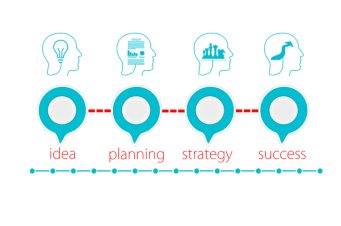 So, you have your own business and you want to promote it – get your product or services out there. How do you go about it? Where do you start? It’s really important to have a content strategy….as this will help you structure exactly what the needs of your business are and what exactly is the right content for your business.
 If you don’t send content out at the right time, then you are wasting your time. You need to firstly understand your audience or intended audience – what do your customers want? Do your customers or potential customers have questions that you can answer? Do you have solutions to your customers’ problems? If you are aware of these things, you can plan to put content out at the right time.
 December and January is the ideal time for you to look at planning for next year. It’s time to take stock and look back over the last year – what worked well for your business and what didn’t work so well? Which way are you going next year?
 If you haven’t asked for feedback, then why not do it now? Why not send out a short survey asking some questions to help you decide which way to go next year – get your current customers’ opinions and ideas – their input could open a whole new market to you.

 The Write Way