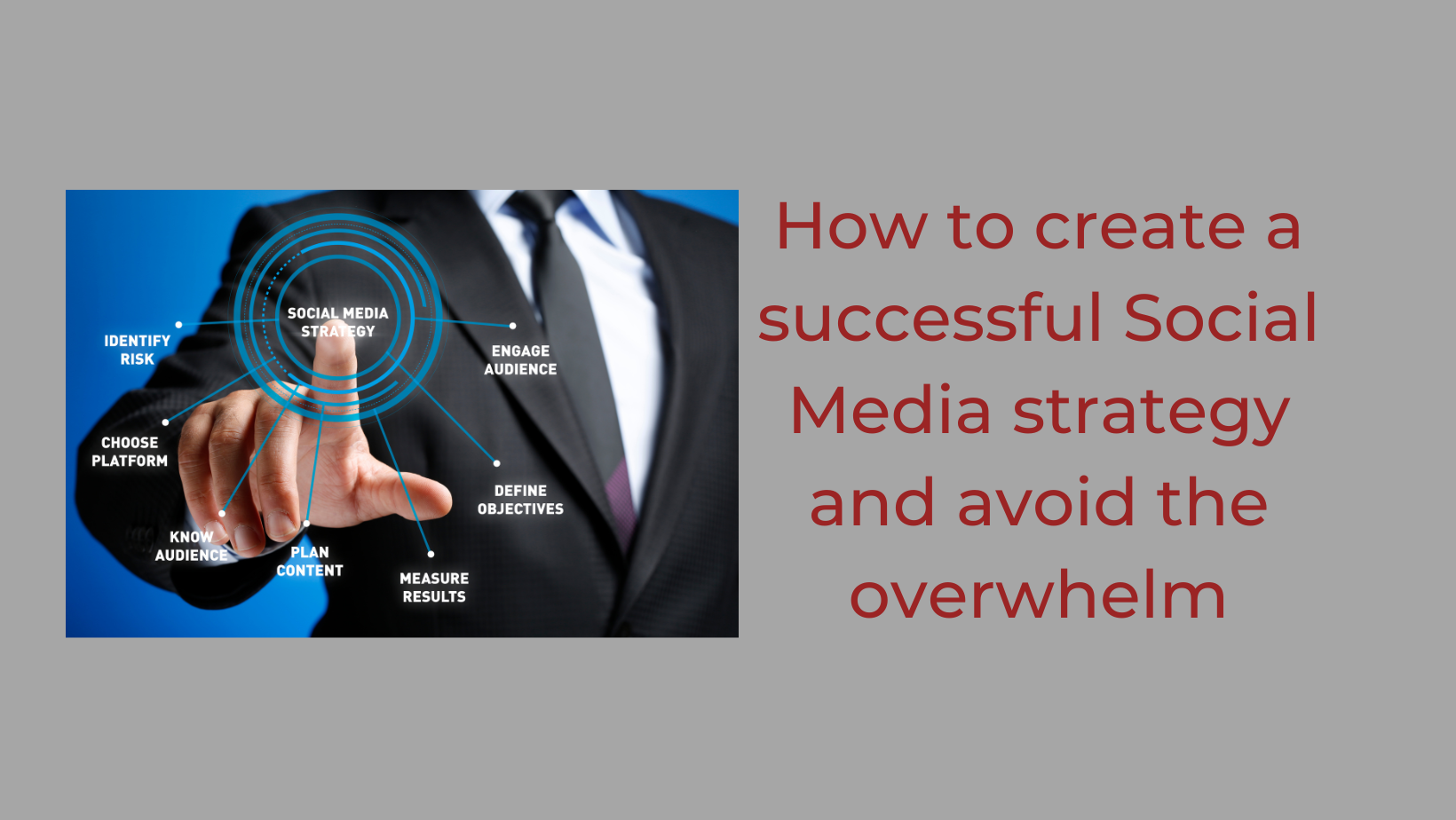
What is social media marketing and how does it work?

In this ‘back to basics’ article, I’m looking at social media marketing and how it can work for small businesses.

In a nutshell, social media marketing (SMM) is the use of social media platforms to:

  • build social networks and share information.
  • build your brand.
  • increase your sales.
  • drive website traffic.

It also gives small businesses a way to engage with existing customers and attract new ones.

Social media platforms all have their own data analytic tools that allow you, the business owner, or your marketer, to track the success of your postings and help you identify new ways to engage. As of April 2025, there were 5.31 billion social media identities across the world (DataReportal and Kepios), so SMM has the potential to have incredible reach.  

To ensure your content appeals to your audience, it’s important to post a variety of different posts, including text and image updates, carousels, videos and sharing other content, such as blog posts.

How can I make my SMM work?

To ensure your SMM efforts work and do what they’re supposed to do, it’s important to have the three core processes in place:
Strategy

I know – I hear groans! But the first crucial step to ensure your SMM words is to have a strategy. This is just about defining some goals that you want to achieve with your social media, ensuring you’re on the right platforms for your audience and determining the type of content that will resonate with your target audience. And of course, you need to know who your target audience is.

Your goals might be as simple as driving website traffic or increasing your brand awareness. But knowing these goals means you have something to focus on and aim for.

I’ve written a whole blog post on strategy, so pop over if you want more in-depth information. In the meantime, here’s a brief overview of what your strategy needs to include:

  • Clear goals linked to your business objectives or goals.
  • Know your target audience.
  • Conduct analysis on your competitors – look at their successes and failures.
  • Look at your own successes and failures – where can you improve or do better than your competitors.
  • Create a calendar so you know what you’re going to post and when.
  • Create fabulous, engaging content!
  • Track the performance of your posts and change things as you need to

Content creation and engagement

I’ve talked about this a lot on my social media pages, but creating engaging content is the key to your SMM. Content should be relevant to your business, and to the platform you’re posting on…and of course, to your audience.

Content can include blog posts, infographics, videos, images, and a host of other types of content.

I always recommend the 80/20 rule – 80% of content to be engaging, entertaining, educating, or inspiring. Only the remaining 20% should be focused on sales.

WHY?

I hear you!

If you only concentrate on what you’re selling, people will get bored as they know every time they land on your page, they’re going to be ‘sold to.’ And they won’t find this engaging. If you can find ways to be engaging with selling your products or services, it could work, but you need to be able to make your audience feel valued and that you are pleased they’re on your page, so engagement on sales posts is crucial.
Examples of posts for each category

Engaging – the best way to engage your audience is to have them join in. This might be a post that asks a question or an opinion; or simply a post that encourages people to chat about what you’ve posted.

Entertaining – This could be anything from sharing a funny story or joke to sharing an article you’ve seen and asking what they think. Storytelling comes into this part of your content, so introducing yourself or sharing how you got started, why your business has its name, or talk about a hobby you have. It’s anything that will keep your audience on your page for longer than the quick scroll.

Educating – this is an obvious one, but often one that is overlooked. As a small business owner, you have a wealth of knowledge in your area of expertise. So, share some of it, by creating an online tutorial, a checklist, or a step-by-step guide on something you do. You don’t want to give too much away, but just enough to pique their interest and keep them on your page to read more. A lot of my posts (as a service provider) fall under this category.

Under education would also come posts about your products from a ‘benefits’ point of view. You might have described the features of your product, (what it is, what it looks like and what it’s made from) but focus on the benefits – what does it do for your customer and you can make it sound like they don’t know how they lived without it for so long! Just be careful to be truthful and not rely on AI for your descriptions as they can be hilariously OTT!

Inspiring – Inspiring content covers quite a big area – it might be that you inspire people through motivational posts, wellbeing posts or posts about how to feel better/look better. Quotes are often inspirational so they would come under this category, and storytelling, especially if you have an inspirational story to tell, such as how you overcome all the odds to do XXXXX..

Planning and scheduling

This is very simple – ensure you plan your content, so you know what you’re going to post at least a week ahead. This helps you save time and effort, and you don’t have to react or think of something to post on the spot. Planning also means you can divide your posts into themes – it might be that one week you do a ‘Christmas in July’ week, or a week dedicated to a particular collection you create and the next week, have a different theme.

Once you have your plan and have created a week’s worth of posts/stories, then use a scheduling tool to schedule them to go out. I just use Meta, which I find works well, but there are other host sites out there who will do this too. Once your content is scheduled, you can get on with other tasks in your business.

Engaging with your audience

We all talk about this all the time. When you post content you will get responses, and these must be replied to in a timely manner. This can often trigger conversations that you sometimes take offline, and it may lead to a sale or consultation.

Schedule time to engage with your audience as this is where you can show your personality and have a good old chat. I try to engage this way in the morning for an hour – whenever I can find some time at lunchtime and then again for a couple of hours in the evening.

It’s not just about replying to comments on your content either, you also need to visit other peoples’ accounts and comment on their posts. The only thing I would say is to PLEASE do it in a genuine way – there are too many people just copying and pasting ‘Have a great day’ or ‘Happy Monday’ (or whatever day it is. These comments will not help the algorithm as these short, sharp sentences are noticed, so they may actually be more harmful to your page. I try and reply with a question in the hope I can get that person to engage, but it doesn’t always work.

So, visit and leave genuine comments – read the post properly and answer any questions.

You also need to make time to find new people to follow – this can be very time consuming as you don’t want to just follow anyone – they must be someone you’re genuinely interested in, or who you think may be your target market. 

Paid ads

I’ll admit, I don’t do this. I am lucky in that I find I don’t have to advertise as my business ticks along nicely for what I want it for.

But some businesses do find that paid ads work well for them. Paid ads can amplify your reach an engagement. You can target specific demographics, such as age, location, interests, and behaviours. And it can contribute to driving traffic to your website, boost your engagement and increase your sales. But you need to have a really good strategy and patience to get it exactly right…unless you want to pay a marketer to do it for you, then you’ll have an expert on board. Obviously, this option needs to have a marketing budget, and you’d need to have enough for more than just a one-off ad.

Measurement

The last point in this article about the basics of SMM, is measurement. This is something that so many small businesses don’t think about – or don’t know about.

If you use FB or IG, you can see your insights. This gives you details of your reach, how many people have engaged with a post, who is commenting and how many new followers you have. I wouldn’t get too hung up on the number of followers, but it’s important to look at your engagement. Which posts are the most popular? Have a look at those posts and the comments to find out why – then you can replicate this and get your engagement up with more popular posts.  Similarly, what’s NOT working? Again, see if you can find out why. Then you can either bin that type of post or change it slightly and try again with a different tactic.

Conclusion

Even if you’ve had your business for a while, sometimes a trip to the basics can point out something that you need to do but have simply overlooked due to more pressing issues!

I hope this has helped and if you have any questions or would like help with your social media marketing, just contact me.  
Social Media Posting With Purpose

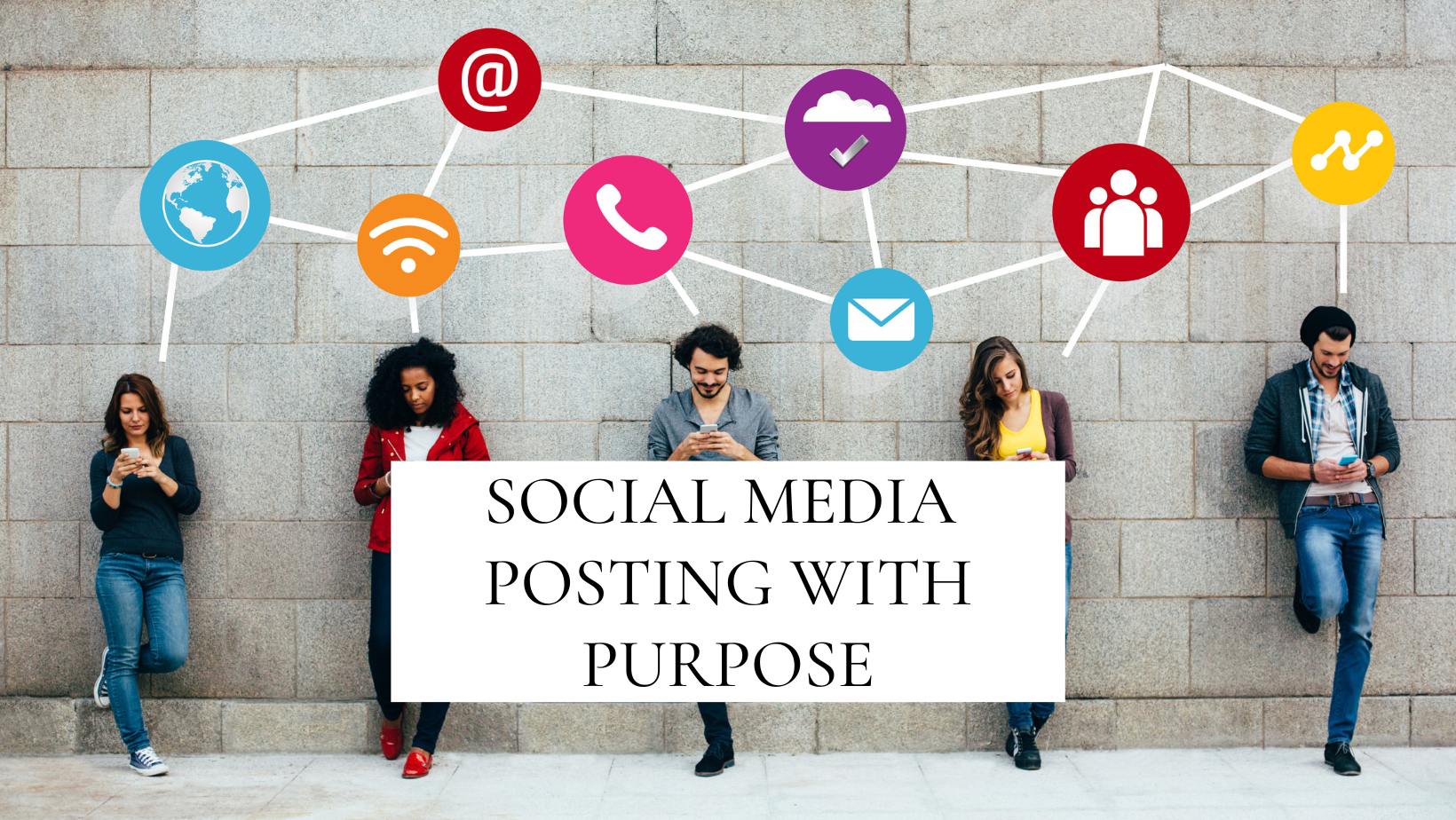
Posting on social media is an important part of any small business, and we all know the importance of having engaging content. It helps build a relationship and rapport with your followers, can drive traffic to your website, blog, or shop, and can convert followers into customers.

But what if you’re unsure of what to publish, or have just simply run out of engaging ideas? You’re definitely not alone and having a social media content strategy can help you get right back on track. This article will help you understand how that works.

Posting effective posts

How do you know if your posts are going to be effective? You can look at your insights to find out what has been popular before – and this does help you see what kind of post your audience likes to see. But there are also ways to help your post appeal to your audience.

Your caption – describe what your audience are seeing in the image you publish. Draw attention to it by using a question or a headline. Apparently, 150 characters or around 15 words gets the most clicks.

Emoji – you can add an emoji to add a bit more interest to your post – it has been found that emojis attract the eye and, if you use relevant ones, can make you more relatable to your audience. And you can use the arrow or pointing finger to point the eye to your links.

Call to action – this is important as it tells your audience what to do next. For example, if you are publishing a post about a particular blog or article, tell them they can read more by clicking on your link.  

Mention or tag other businesses – or other accounts you have (if you’re posting on FB, mention your IG account for example). Add links – this helps for added visibility and reach. Mentioning other businesses is a great way to promote engagement, not just with those businesses you tag, but encourages others to look at those businesses. It also helps to increase your exposure, as the business you mention might share your post, or do one of their own mentioning you.

Hashtags – add relevant hashtags, (ones that relate to the topic of your post) as well as hashtags related to your business. Use a variety of hashtags and don’t always use the same ones.  

Images or videos – always use high quality photos, GIFs or video clips that will resonate with your target audience.

Repurpose your existing content.

Have you thought about repurposing content you’ve used before? You can simply reuse a post you’ve published in the past or repurpose it into something else. For example, if you have written a blog post, you can take some information from that and write new posts; you can make a video from a post you’ve done before or make posts from video you’ve done before.

You can also share posts that resonate with your business from other people’s posts.

Know your social media channels.

We all have our favourite social media channels. Different people use different channels to achieve their different goals and behaviour can vary greatly between the channels.

Facebook – has the largest and most diverse audience. Because Facebook shows a huge range of content to its users, including ads, news, entertainment, and anything you may have previously shown an interest in, Facebook users tend to scroll a lot. By typically, will only spend a few seconds viewing a post, so it’s crucial to have posts that capture their attention. Facebook is also one of the best channels to put links to your website, blog, or shop.

It’s advised to post at least once a day – twice if possible, for maximum coverage and using just a couple of hashtags.

66% of the UK population and more than 70% of the US population use Facebook. Although the highest number of users are between 18-34, the numbers of older people using Facebook is growing fast.

Instagram – is a very visual channel. Colourful posts with graphics and short video are the most popular, but not as good in getting people to your website, blog, or shop. But a tip is to have your own branded hashtag and to use that as that will help your engagement…and could encourage others to use your hashtag.

More than 60% of Instagram users are between the ages of 18-34, so it’s a younger demographic than Facebook, so worth bearing that in mind when posting. It’s advised to post 3-7 times a week when you’re establishing your brand and more once you get a solid audience. And you can use up to 30 hashtags, but most advise between 5-10 as being the best number.   

TikTok – is about using short video and having fun. There is a huge number of influencers on TikTok, so your brand is more likely to be picked up by one of them on TikTok than on other channels. Sound is also a huge feature of TikTok, and users are more likely to engage with and remember your brand if they like the music you’ve selected.

Posting 1-4 times a day is recommended, and using 3-5 hashtags or more, so long as they are relevant to your post.

Twitter – is about short, sharp posts, as you can only use up to 280 characters, so message need to be clear, concise and to the point. You can post video, but it should also be clear, short and to the point.

Hashtags should be kept to the bare minimum – 1-2 per post. It is recommended to post 1-2 times a day and no more than 3-5 per day.  

LinkedIn – LinkedIn is a more professional channel, and your brand should be more business-like. Keep posts brief and use bullet points and line breaks to get your information across. Visuals and video get more engagement. It’s the norm to share links to articles you’ve written, websites you may have contributed to, or links to your own website or blog site.

LinkedIn has a targeting tool, where you can target people based on language, location, company size, industry, and a lot more.

There’s no hard and fast rule about posting, but it is recommended to post no more than 1-5 times a day (but only if you have quality content) and no less than once a month. Hashtags should be restricted to 1-2 per post.

Threads – is a brand-new channel, that only launched in July 2023. Posts are mainly text based, but you can post reels and stories. It offers a space for real time updates and public conversations.

There’s not enough data at the moment but recommended that posts are 3-5 times a week minimum. Threads doesn’t support hashtags at the moment.  


What type of content should you publish?

I always advise having a variety of content to keep your followers engaged. 80% of posts engaging, educating, entertaining and inspiring, with only 20% of posts selling or promoting your business.

You can achieve this by posting things like tips in your niche, FAQs, ‘did you know’ posts, behind the scenes, your story, personal posts, before and after photos, photos of your products or services, case studies, blog posts, links to website or shop, inspirational quotes or educational quotes, funny memes/jokes. The list is endless…and don’t forget you can promote events you’re going to be attending and any promotions, contests, giveaways, or specials you may have going on in your business.

You can also look at the special days each month, (which I have published on my Facebook page) to see if anything is relevant to your business – or that you can be creative with and make it relevant.

You can also use days of the week through hashtags – such as #ThrowbackThursday and do posts around those.  

Variety is the key to posting. That’s why it is a good idea to have a content strategy and content calendar, so you can plan exactly what you want to do and when to coincide with anything important happening in your business, niche, or industry.

When to post

Despite what you may read on the internet, when to post is linked to your own personal business and how you like to run your business. Most small businesses tend to post first thing in the morning – and I find I get more engagement if I post early.

But it largely depends on your audience. If you are UK based, and you have a lot of followers in the US, posting early won’t necessarily catch their attention as they’re in a different time zone, so it might be worth posting again later in the day to coincide with their morning.

You can look at your insights on each of your social media channels to find out when is the best time to post for your business – and it shows you when you’re likely to get the most engagement.

Batch create posts and schedule.

A big time saver for small businesses is to batch create your posts. That simply means creating a week’s worth of posts in one go – this helps you to be more consistent and you can choose to theme each week if you want to.

Scheduling posts is also a big time saver, as once it’s done, you don’t have to worry about it, (although I would advise checking that your scheduled posts have published as this sometimes doesn’t happen)!

Even if you do batch create posts and schedule them, I’d always advise leaving space for reacting to something, or adding in an extra post or two during the week in real time.

Reply to comments!

This is obvious, but it’s really important to reply to the comments you get on your social media posts. Social media is about being social – and engaging with your audience, so what better way to engage with them than replying to comments and getting a conversation going.

If a post of yours is shared, it’s also a good idea to go to that share and leave a comment to say ‘thank you’ for sharing.

I hope this post has been useful and has made you think about your social media posts. There’s a lot more to it than just making and pressing that ‘post’ button.

If you struggle with posting and want some help with a content strategy for your particular business, I can help you get yours up and running. Just drop me a message on my FB or IG, or email me at cindymobey@outlook.com and we can arrange a free 30 minute call to talk about your business and how I can help.