Review your business goals

8
ID-100178828
At the beginning of the year, I’m always raring to go, setting my business goals for the year and getting my business and marketing plan up to date. I try to review my goals every three months, but it doesn’t always work out that way. Sometimes family crises or just life in general gets in the way. So it’s time to take a look at those goals I set and see how I’m shaping up. How about you?

Take a look

Reviewing your business goals is a good habit to get into and can really help you focus your efforts in the right place for the next quarter, or for the rest of the year. It’s also a fabulous feeling when you look at your goals and realise that you’ve achieved one or more and you can put a big, fat tick next to it!

What has worked well?

You may have achieved all your goals already – if you have, it’s time to set some more challenging goals, something a little harder to get to.

ID-10065956Of course, when you achieve any of your goals, you should feel proud of yourself and it’s always good to celebrate the wins, whether they are big or small. I find that celebrating the little things is highly motivational and spurs me on to want to achieve more.

If your business involves sales, then you may find that you have achieved a certain level, but would like to go further – brainstorm ideas to help you get more sales – would an end of year campaign help? Now is the time to think about setting a competition or challenge to customers to encourage them to buy more with you. Customers always like an incentive and competitions are popular, particularly if there’s a good prize. Alternatively you could set a challenge. For example, invite your customers to introduce five new people who buy a product from you by Christmas…in return they get a voucher for 20% off if they spend 100€. Some of the big stores do this in the UK and it works very well for them.

What isn’t working so well?

Is there anything that just isn’t working for you? Sometimes there is no answer other than to bin it for now…or put the goal on the back burner for next year. But before you do that, is there another approach you could take to achieve what you want? You may simply have been a little over-ambitious. If this is the case, could you break down that goal into smaller, bite-sized chunks? The goal will take longer to achieve, but giving yourself a little flexibility will help make the long term aim much more attainable.

ID-100375898 (1)Sometimes a goal can’t be achieved because of other influences. For example, if you decide you’d like to learn more about a particular subject, your goal might be to go on a specific course. But if your business is very busy and other family commitments get in the way of actually getting on the course, it won’t be achieved. This doesn’t mean you’ve failed, it just means you may have to postpone that particular goal…maybe for a few months, maybe for a year. Don’t be too hard on yourself.

Finally, if you do decide to change or set new goals for the rest of the year, make sure that you aren’t setting yourself an impossible task. Good luck with your reviews – let me know how you get on!

Images courtesy of Stuart Miles and David Castillo Domenici and Lekkyjustdoit at FreeDigitalPhotos.net

8 ways to get organised

11
When I worked for a large company in the UK, I was mega organised. When I first moved to rural France and started as a freelancer, I become the opposite. There always seemed to be so much to do, it was difficult to focus on one thing at a time. I soon realised that if I was going to be more successful and work well from home, I needed to be more organised. I always have a list of things going around in my head, and my partner says I constantly ‘narrate my life’, saying out loud what I need to do next. I think that this is because I have so much to remember that I try and organise myself out loud!

So, after putting on my thinking cap, it seemed the obvious way forward was to go back to what worked well for me in a company environment – not all would work, but these are the areas I came up with that would work for me….I hope it helps you too!

To do list

ID-100211895When I worked for a large company in the UK, I always worked from a ‘to do’ list. It is what it says on the tin. Make a list of all the jobs you need to do, either on a weekly or daily basis. Don’t write it on a scrap of paper – get an exercise book, put the date at the top and write your list, ticking off each one as you do it. It’s a great feeling of achievement to put a tick against an activity that’s been done.

Set a deadline  

ID-100259578For each task you have to do, set a deadline. Look at your to do list and give each item a realistic deadline – the key here is about being realistic. Try not to be too optimistic as you want to be sure that what you estimate is achievable.

Prioritise your work

Once you have your to do list and have deadlines set against each task, the next thing to look at is what is most important or urgent. Prioritise your list so you keep on top of things.

One step at a time

ID-100272144Do you have a big project with a looming deadline? Sometimes, this can feel overwhelming. If this is you, try chopping the project into bite sized chunks. This makes everything seem more manageable and you feel much more in control.

Set your hours

Working from home, it’s a good idea to set the number of hours you want to work every day. If you don’t do this, you will constantly be distracted by ‘Oh, I’ll just put the washing on’, or you’ll go to get a coffee and think, ‘whilst I’m here I’ll just wash up’. All these ‘I’ll just…..’ stop you from getting on with your work.

Decide on the number of hours you will work every day and try to stick to it. The number of hours and how you decide when to start and stop will depend on what you do for a living. I know that I have to feed and sort out the chickens and the cat, wash up breakfast things and have a quick tidy up before I can start work. I also like to shower and get dressed – I just can’t work in my PJs! So I rarely start work before 9.30am – 10am…and that’s OK as that’s what I need to do. Everyone is different, so do what is best for you and your situation.

Multi-tasking

ID-100261047If you start a number of jobs, you’ll probably find you don’t get any of them done. Prioritising tasks will help with this, as will having a list. Try and complete a job before going onto something else. As I write for a living, I will write one piece from start to finish, including the research. Then I’ll save it and come back to review it the following day. It’s easy to look at that to do list and do all the quick and easy stuff and leave the more involved stuff for another time. This works for some – for me, I’ll try and mix it up a bit. I know that I’m more focussed in the morning, so I tend to do the more complicated things then. Later on, I will do some of the easier things and will often revisit something I’ve written the day before.

Interruptions and distractions

It doesn’t matter how organised you are, you are always going to get interruptions, especially if you work from home. The phone might ring or a friend might turn up unexpectedly. If you need to get a particular ID-10013560piece of work done urgently, put your answer machine on and if you don’t have one, ignore the phone ringing. If I have something urgent to do, I let my friends know, so they don’t disturb me. However, the things I find most distracting are Facebook and email. If my Facebook is switched on in the background, it continuously pings and alerts me to messages or notifications …. I just can’t leave it – I HAVE to look! So, when working to a deadline or on something that needs all of my concentration, I log out, then the distraction is taken away. The same applies to emails. If I know I have new emails, I just HAVE to look!

So, I work for a couple of hours, then have a cuppa and check emails and Facebook, or ring back anyone who might need me on the phone. Then it’s back to work again and everything is switched off once again.

Review your work  

No matter what kind of work you do and how busy you are, you need to book a meeting with yourself to review how things are going! How often you do this will depend on what you do, but make sure you set ID-100294530aside a half day, at least once a month, to look at your to do list. What have you achieved? What went well and what didn’t go so well? What still needs to be done? Is there something you keep putting to the bottom of the pile? It could be something you are not confident with, something you are struggling to start or just that you don’t want to do it. If this is the case, it might be worth looking to outsource this…let someone else take the strain, someone who is more of an expert than you are.

By reviewing your work you will learn what kind of work you find easier and what needs more concentration, so in future you can prioritise more effectively.

Managing your workload will alleviate some of the anxiety and you’ll know exactly where you are and what you’re doing. I hope this blog has given you some ideas and pointers to being more organised. If you work from home, I’d be very interested to know how you organise your day.


Images courtesy of 1 – 3) Stuart Miles 4) iosphere 5) Danilo Rizzuti 6) Stuart Miles at FreeDigitalPhotos.net

Attracting new customers versus retaining existing customers

12


When we think of marketing our businesses, most of us focus our attention on getting new customers. It always feels more constructive and is more financially appealing to gain new customers, but unless your business is a new one, it is worth looking at how to gain more value out of your existing customers too.

New customers

ID-10058851

Who are they? You may want to attract new customers to build your customer base. In order to find those elusive ‘first time buyers’, you need to think about who you are trying to attract. What kind of customer does your business appeal to? Is it men, women, families, people who like sport? Think about who you need to target.

Where are they? Once you know who you are targeting, you can look at where they are and how you can contact them – are they online or offline? Are they in a particular area? If you are selling sports items for example, you know that you could find your potential customers at the gym or at health clubs.

How do you contact new customers? If your customers are online, you could target them through social media, blogs and forums. You can advertise online in business directories or online publications.

For offline customers, you could advertise in local free papers, put out flyers in places you know they will be, such as gyms, health clubs, hairdressers or beauty salons, for example. You could also attend networking meetings or conventions where you can meet new people face to face. Always carry your business cards, so you can give them out or leave a small stock wherever you go.

Solve a problem

ID-10018705

You need to be seen as an expert in your field, so try and solve a problem for potential customers. Think of something that your products can do for them – this gives them a reason to try your products. It might be that you sell beauty products and you have the latest ‘big thing’ that makes wrinkles disappear! Sell your product as a solution to a problem and people will want to try it. This could be done face to face, or you could write a specific blog on a particular product or service you offer.

Collaboration

ID-10086506

It might be that your products or services work well alongside another product or service. So, team up with another business and sell your products or services together. For example, if you sell beauty products and you know a hairdresser, you could team up as a full beauty package. Link to each other on your websites and mention each other in your blogs.

Obtaining new customers is all about building new relationships, so take every opportunity to do just that.

Retaining existing customers

We all want to grow our customer base, but if you focus on growing your existing customers, you are more likely to keep them. If you have lost customers, have you ever taken a step backwards to work out why? We all spend a lot of time and effort trying to get new customers, but we must never lose sight of keeping a relationship with our existing customers.

Repeat sales

ID-100283685

Once the initial sale has been made, it’s important to build on that relationship….thank them for their custom and remind them why it was such a good decision to buy from you in the first place. Getting to know your customers and giving them what they want will create loyalty and they will return to you again and again. I once employed a general builder to lay a patio…whilst laying the patio, he mentioned that he was Corgi registered, so I promptly booked him to service my gas boiler. He always arrived on time, cleared up after himself and was chatty and friendly and made me feel that my custom really mattered to him. So, when the massive wall that surrounded my property partially came down in very high winds, he was the first person I called. My point is that from doing a small job, he ensured I knew what else he could do, left a card, and was so friendly, I remembered him. I knew he could solve the problem I had and trusted him to do the work well.

Bringing back old customers

ID-100148914

Do you have customers that you haven’t heard from for a while? These customers know you and your products already, so it’s a matter of getting back in touch and reminding them that you’re still here. You could ask them why they’re no longer buying from you, endeavour to overcome any problems, and show them that you still value their business. Sometimes, all it takes is to reintroduce yourself – a customer may just have forgotten that they had bought from you in the first place and immediately be interested in other or new products you have to offer. If you sell gift items, contact them in plenty of time to buy gifts for Christmas…and of course, that can be your opening gambit!

Customer Service

ID-100245378

I know that I bang on about customer service in most of my blogs, but it is so important to every aspect of your business. If your customers have an exceptional experience, they will come back for more. Helpful, friendly, go the extra mile – all these things, along with an excellent product that solves their problems, will keep your customers happy…. and happy customers are loyal customers.


8 reasons why every business needs a website

13
If I want to find out how to do something or where to buy something, the first thing I do is look online. Most transactions these days take place online and therefore some of the traditional marketing techniques have been replaced with online strategies. However, a surprising number of small businesses do not have a website.

Every second, more than 20 million people are looking on the internet, on their mobile devices or PCs, buying everything you can think of….from books to houses, from kitchen gadgets to garden tools. If you, as a business owner don’t have a website, you are missing a trick as your business won’t be found, so you are missing out on potential sales.

I did it myself and I hear many people saying, “I don’t have a website, I’ve been meaning to sort it out, but just haven’t had the time,” or “It’s too expensive to have a website.” Unless you do it yourself, of course there is a cost involved. So, if you are still hesitating, here are 8 good reasons why you should go for it in 2016…

Promote your business 24/7

ID-100213463As the title suggests, having an online presence means that your business is ‘open’ 24 hours a day, 7 days a week….even when you are asleep. Information about your business, your services, what you sell, are there at your customers’ and potential customers’ fingertips. People are always looking online – they research products before they buy and if you have an online presence, and you happen to sell what they want, you could make a sale. If you don’t have a website, you are invisible….and in this day and age, you can’t afford to be.

Building reputation and credibility

A website gives you the chance to showcase your abilities, your products and services for the world to see – they can see the quality and price, and if you have an online shop, they can buy directly from you. If you don’t have a website, your potential customers will go to a competitor.

ID-100302355Through your website, you can be seen as an expert in your field, and through the recommendations and comments from satisfied customers, you can be seen to be reliable, trustworthy and that your products are top notch.

When you give out your business card, it will tell potential customers a little about your business. If you’ve given them your card because they’ve seen your stall at a local market, they will assume that they can log onto your website when they get home and see more of your products. Imagine their disappointment if they get home to find no website details…and of course, this will lose potential sales.

First impression

ID-100178914Not only does having a website make you more credible, it also shows that your business is established and that you are experienced at what you do. Even if your competitors are stronger than you, a well-built, mobile friendly website can entice customers to choose you instead. You might operate your business from the tiniest desk space in the corner of your dining room, or make your products in your tiny spare bedroom, but when you have a website, your customers don’t see this. All they see is the power of your brand – size doesn’t matter!

Advertise your business

Your website is your ultimate advertising tool. For a relatively small investment in the cost of setting up your website, you can reach millions of people. It is that one brochure that the whole world has access to – no printing and re-printing when you have new ID-100360651products – you just add them online at the click of a button. You can include tons more information and images than you could afford to put into a brochure.
Of course, there is a place in business for brochures and flyers and also advertising in local magazines or newspapers, but your online presence is always available, not just for the limited time that you can afford, or until your product set changes. It’s a fantastic marketing tool that is constantly relevant and up to date.

Save you time

Your website can tell people who you are, where you are and what you do. Without a ID-100291979website, you may spend endless wasted time on the telephone or email giving people directions to where you are, giving details of the products you sell or the services you offer. Your website gives all these details in one, easy to access space, available 24/7. Not only does it give these basic details, it also gives more detailed information about your products. Then, when people do contact you, it’s generally about something more specific or to actually buy from you or use your services.

Reach a wider audience

ID-10080142Advertising in your local paper, putting out your business cards and attending markets, conventions and networking events, are all brilliant ways of getting your products and brand out to a wider audience. However, with a website you literally have a worldwide audience. Business often comes from word of mouth and this is a great way to get local business, but in order to expand and reach customers that don’t know you, the internet is the way forward.

Beat your competition

If you have a business, you only have to look on Facebook or on the internet to know that you have hundreds of competitors who do the same as you. If your competitors have a ID-100160542website, then why shouldn’t you have one? The joy of having a website is that it doesn’t matter how big or how small your business is, it will help you reach more people and increase your sales. Through your website, you can gather information about your customers. You can use your website to host an online survey to find out what your customers want and online forms can be used to easily contact you to request a quote or ask for further information. When you know what your customers want, you can develop products or services to solve their problems or meet their needs.

Customer Service

Your customers are the most important part of your business. You can improve the service you give them by including FAQs and a Contact Us page. Customers can not only leave comments and recommendations, they can also ask questions. You can collect your ID-10069301customers email addresses, and with their permission, can send them regular updates about new products. This makes them feel valued and valued customers will come back to you time after time.

I hope that I have helped you to see the benefits of having a website. You may have thought that a website is a waste of money, but it is the exact opposite. You may have to invest a little to get your website written and built professionally, but you will soon get your investment back when new customers find you and start buying from you.


Images courtesy of  1) 2) 3) 4) Stuart Miles, 5) hywards, 6) Danilo Razzuti, 7) mapichai 8) Stuart Miles at FreeDigitalPhotos.net


How to use surveys and polls to grow your business

Using a survey or a poll is great way to understand what your customer wants. The answers you get can give you an insight into what your customers think of you and your business; what kind of service they want; and it gives them a chance to share their perspectives with you. If your survey or poll is engaging, then your customers are more likely to participate and spread the word about you.

The way I see it, surveys/polls have three main objectives…

  1. Getting feedback from existing customers about products or services that you have provided. Ask them if the product or service could be improved or if there was a way it would work better for them. You can use this to improve your services or extend your product line.
  2. You can use a survey to get testimonials from your customers. What worked well for them and why? You can then ask them if you can use their comment in your advertising or on your website/social media page.
  3. To find out what your customers want – is there an issue that needs solving…one that they’d be willing to pay for? If you know exactly what your customers want, you can develop products or services to fit their needs. This shows that not only do you listen to what they say, you act on it.

What questions do you ask?

There are many you could ask and I’ve listed some areas you might want to think about. However, I would advise no more than five to ten questions or your customers will get bored.

When you are creating your questions, think about what you want to achieve…are you looking for ideas for new products or services? Are you wanting to know what needs to be improved? Here are some ideas and pointers that might help you… 

  • If you’re doing a poll, you might want to just stick to one question. You could do a series of polls over a number of weeks on your social media pages.
  • If you are a blogger, you could ask your customers what subjects they might be interested in…for example if you are a beauty blogger, you might find that several of your customers have the same problem that you could address with a blog, such as ‘how to apply mascara properly’ or ‘what are the best products for sensitive skin?’ Answering questions helps set you up as an expert in your field.
  • Segmenting your customers will help you reach the right audience with the right message. A simple example…if you run a garden centre and you send out a regular newsletter, you could ask what plants your audience are interested in. Some may be interested in herbs and fruit – another in climbing plants – someone else in vegetables and flowers. You can then use this information to better target your marketing and communications.
  • Are you thinking of setting up an event? Events take up a huge amount of time and effort from planning to execution, so before you invest your time and money, you could create a poll or survey to find out what kind of event they’d like. Make sure you give some options, so you are steering them in the direction you want them to go in!
  • Competitions – you can use a survey to host a competition. For example if you make cakes, you could put several pictures of cakes you have made and ask, ‘Which cake do you think deserves Cake of the Month’? This also serves to show potential customers what you can do and gives you the chance to show several different kinds of cakes you do.
  • Finally – get a fun aspect in there! Polls and surveys don’t have to be serious – if you just want to engage with your customers, ask a question about something current, such as ‘What do you think of the dancing TikTok trend – did you join in?’ You might spark a discussion which could lead to anything!

Once you have your survey or poll, post it on your Facebook/Instagram page or put it on your website. If you want specific information from your existing customers, you could include the survey or poll in your newsletter or on email.

Final Hot Tip!

Everyone likes a reward, so offer some kind of incentive for your customers if they complete your survey. Give a free report or an e-book, or offer them a small discount on the next purchase they make from you. Offer a further discount, or a free item, if they recommend three people, who then buy from you!

10 steps to a successful business

15
In order to succeed in business, planning and good organisation are key. When starting up in business, most people are full of enthusiasm and it can be such a disappointment to find that simply by switching on your computer and opening your doors for business, that business will automatically come your way. It would be fantastic if it worked that way, but sadly, we all have to work a whole lot harder than that to attract business and be successful.

Here are 10 ways that might help make your business more of a success in 2016.

  1. Make a plan. Plan your business goals and how you are going to ID-10070652achieve them. Having a good business plan forces you to look at the feasibility of your business – what will work and what won’t work. It makes you focus on the important and essential parts of your business, your next steps, tactics and strategies
  2. Be organised. Complete a ‘to do’ list every day. This will help you keep on top of things that need to be done now. As you complete each task, tick it off – not only does this give you a sense of achievement, it ensures you don’t forget anything
  3. Analyse your competition. Look at what your competitors do. Why are they successful? Look at the price, quality and customer service that your competitors offer – why will potential customers choose your products or services over those of your competitors? Are there any barriers in place that may prevent potential customers from choosing your products or services?
  4. Know what your customers want…not what you think they want. ID-100282581What do you your customers like about your products? What do they currently buy from you, why do they buy from you and do they give you repeat business? If you’re not sure of the answers to these questions, it might be worth conducting a short survey to your customers and asking them. Give an incentive to reply, such as 10% off their first order of 2016. And a further 10% off if they recommend a new customer who buys from you. The more you know about your customers, your competitors and the business you’re in, the more likely you are to be successful

  5. Provide great service – delight your customers! There have been oodles of books written about customer service and delighting your customers. Some of them advise that you delight them no matter what – I even read somewhere that one company gave a refund to a customer who complained about their tyres….and they didn’t even sell tyres! That’s taking it a bit too far. In order to satisfy your customers, you must deliver exactly what you promised to….to delight them, service must exceed expectations. It really is that simple. Do what you say you will, give your customers what they want (solve a problem they have), and thank them for their custom, inviting them to contact you if you can help them further
  6. Measure everything you do. Whatever action you take as a result of planning your business goals, ensure that you factor in a way to ID-10099989measure whether that particular goal and actions have been successful. By measuring as you go along, if you find something that is not quite working, you can tweak it so it works well. List what needs to be measured, for example, how many people read your Facebook posts or how many comment on a post. Then look at ways to improve this – it might be you monitor your posts and see what kind of post is the most successful and then figure out why. If you have success, shout about it! Your customers will feel reassured they are dealing with the right person
  7. Market and advertise. Marketing your business is about planning the future of your business. What tools will you use to promote your business? For example you could…
    -Join a business networking group and talk to people at every opportunity, giving out business cards
    -Direct marketing – brochures, flyers, sales letters
    -Online – website, blogs, articles (give advice, become known as an expert)
    -Social media – Facebook, LinkedIn, Twitter, Pinterest etc.
    -Advertising – print media, business directories, ads in magazine and online
    -Trade shows/markets/craft fayres
  8. Budget. I guess that this one is pretty obvious. You need to know ID-100263887what you can and can’t afford to do and plan accordingly. At the very least, it’s a good idea to have business cards – maybe flyers and definitely think about Social Media and your online presence, such as a website.
    Can you do some of the promotion yourself or do you need to outsource it? And look at what kind of advertising you can afford.
  9. Learn from your mistakes. We all make mistakes and when you are running your own business, you will undoubtedly make several, especially when you first start up. The trick is to learn from your mistakes. If you make a mistake, own up to it – this creates a culture of openness and honesty in your business. Find out why and how the mistake happened and correct it. If you find you can’t correct it, put plans in place to ensure it doesn’t happen again. If you can’t work out why or how the mistake happened, google it – chances are someone else would have made that mistake in the past and they might have published a solution! Once it’s sorted, move on – don’t continue to dwell on it
  10. Stand out in the crowd. Starting a business is easy, but staying in business is harder as you have so much competition these days. To stand out in the crowd, you need to do all of the above! Create a great ID-10037281experience for your customers; know what your customers want and give it to them; find solutions to your customers’ problems; position yourself as an expert; be different from your competitors and shout about how you are different; shout about your success; give excellent customer service; give special offers to customers who recommend someone new who buys something or uses your service….and above all, be yourself, smile and enjoy running your business – it will show!

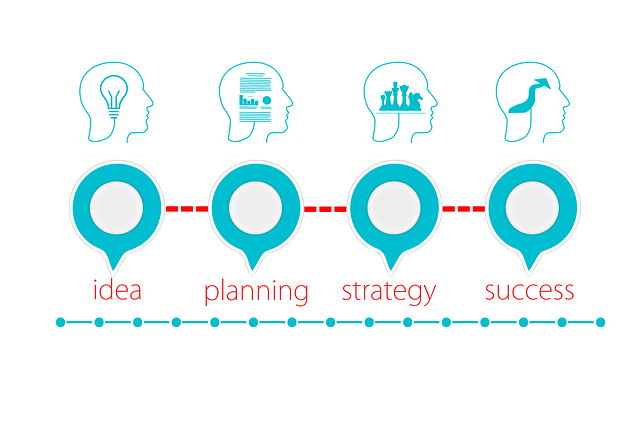
I hope these points will help you in your quest to make 2016 a successful year for your business. If you have any more tips, please share them, I’d love to hear from you.

One final tip, if you can’t do everything you want to do yourself, don’t give up, get help.


Images courtesy of 1) Ambro 2) David Castillo Domenici 3) Stuart Miles 4) Metrue 5)Stuart Miles 6)jscreations at FreeDigitalPhotos.net

“I can and I will” – motivate yourself for business in 2016


I always try to stay motivated, especially with my freelance work, but there comes a time in all our lives when we seem to lose our mojo for a while, when motivation evades us. How do you deal with that? What can you do to get your mojo back?

How do you start the New Year?

  • With bounding enthusiasm….having planned everything for your business down to the smallest point?
  • Indifference…I’ll deal with whatever comes up when it does. You have a kind of plan but not set in stone
  • Reluctantly….I know I’ve got to get up and get on with it, but I’d rather still be sitting on the sofa watching TV and eating chocolate!
  • Confident….you have a plan, but know that it will probably change and that it’s not perfect, but you’re getting there

There’s no wrong or right way, different things work for different people. For me, I always remember ‘I can and I will’ – it’s a saying I use a lot. When I was working in India a few years ago, it’s the saying that caught on with the team I was coaching about communications. They ended up adopting it for their team when I left…I was quite touched!

So, if you’re feeling like your get up and go, has got up and gone, what can you do to motivate yourself for 2016? Here are some ideas that might help…

Focus

  • Define your goals and how you’re going to keep them (this might be work related or personal goals)
  • If you have too many things on your ‘to do’ list, it will be too daunting, so try and stick to just a few. It makes them more manageable.
  • Research and read about what you want to achieve. Sometimes, typing in what you want into a search engine brings up some great ideas, and sometimes, things you hadn’t thought of.
  • Reward yourself when you achieve each goal – no matter how small – it always feels good to get something in return for your hard work.

Confidence

  • Be positive – surround yourself with positivity. Smile more, even when you’re on the telephone – it shows! Negative people see problems – positive people look for solutions. Try and find simple answers to achieving what you want to achieve.
  • Visualisation – this can work very well – I do this a lot. Close your eyes and visualise what success to you will look and feel like. Visualise how you will get there. This can have a very calming effect.

Maintain your direction

  • Refine your plan – look at your goals and make a list of the activities you’ve been doing to reach those goals. Which ones are working and which ones aren’t? Focus your attention on the ones that are working, tweak them to make them work even better…or break them down into manageable chunks and they won’t seem so daunting.
  • Don’t make a mountain out of a mole hill. We all make mistakes and sometimes we see our problems or setbacks as HUGE. Take a step back – is it really that bad? Acknowledge that it’s there, sulk about it for a minute or have a coffee and a biscuit and feel sorry for yourself for a few minutes. Then STOP! Tomorrow is another day, today’s setback will not stop you getting on with the job in hand tomorrow.
  • Most importantly, stay excited! This links in with positivity – print off some motivational quotes and stick them around your desk. Don’t let yourself get bored – if you are losing interest in an aspect of your business, do something about it to make it more interesting. Chart your progress so you know if you are on track – it can be very motivational to see the progress you’re making, no matter how small.

ID-100372599

Image courtesy of Sira Anamwong at FreeDigitalPhotos.net


And, above all, love what you do. No goal is unachievable if you plan it well.

Why not share what you do to keep motivated? I’d love to hear from you.


Right person, right time, right reasons…RIGHT CONTENT!

brainstorm-4222728_640

business-3189797_640.pngSo, you have your own business and you want to promote it – get your product or services out there. How do you go about it? Where do you start? It’s really important to have a content strategy….as this will help you structure exactly what the needs of your business are and what exactly is the right content for your business.

Anything you put out about your business needs to go to the right people at the right time and for the right reasons….and of course, the right content is crucial.

If the content is NOT right, then the people you are hoping to reach won’t read it. Whatever content you put out needs to be valuable to your potential reader, so make sure your content is useful and relevant – what’s in it for your reader? Does it solve a problem for them? Does it give them a solution that they need?

If you DON’T target the right people, then your content won’t be read and definitely won’t be acted upon. You need to ensure that you know who your audience are – just sending content to ‘people’ in general won’t cut the mustard, you need to be specific.

thought-2123971_640If you don’t send content out at the right time, then you are wasting your time. You need to firstly understand your audience or intended audience – what do your customers want? Do your customers or potential customers have questions that you can answer? Do you have solutions to your customers’ problems? If you are aware of these things, you can plan to put content out at the right time.

If you’re NOT putting content out for the right reasons, you are also wasting your time. When you are writing your business plan for the year, you will include measurable business goals. These goals are usually a reason for sharing some kind of promotional content to pull in more customers, or address an issue that your customers may have. The content you publish won’t necessarily sell your wares, but can help to set yourself up as an expert in your field. This, in turn inspires confidence in your abilities and business, which can lead to those all-important recommendations.

Plan your content for 2016

computer-1185626_640December and January is the ideal time for you to look at planning for next year. It’s time to take stock and look back over the last year – what worked well for your business and what didn’t work so well? Which way are you going next year?

Take the time to look at last year’s business or marketing plan (or both) and decide what you need to change to make next year more successful.

Have you ever asked your customers for feedback? Amongst that feedback, is there anything you can address to make your business more attractive? Do your customers have any problems you can solve? If you can pinpoint what it is that your customers want, that you are not currently giving them, you have the greatest opportunity to truly delight them in solving those problems.

future-2372183_640.jpgIf you haven’t asked for feedback, then why not do it now? Why not send out a short survey asking some questions to help you decide which way to go next year – get your current customers’ opinions and ideas – their input could open a whole new market to you.

Once you know what your customers want and have a new plan for next year, with new goals, you are ready to plan your content strategy and will be one step closer to a successful 2016!


Customer Engagement – Newsletters

news-634808_640 (1)
It has been said that marketing your business with the use of newsletters are a bit ‘old hat’ and are losing their value, but I don’t agree. With other forms of marketing, such as adverts, people will see your advert and look at it if they’re interested in the subject, but it will bypass lots of people. But a newsletter is a powerful tool and goes right to the heart of your business, reaching all your customers. You know they are interested in what you do as they’ve bought your products or services. As well as keeping your customers informed about what’s going on in your business, you can include special offers and highlight some of your products.

calendar-1990453_640Whether you choose to send your newsletter out in print format, or as an online version on e-mail, it’s important to decide the frequency. Most of my clients send out newsletters by email on a monthly basis, so they can be a bit longer than if you are sending out something each week. The most important thing is that the content is timely and relevant, adding some sort of value to your customer. For example, I send out a monthly newsletter for a garden centre – as well as including any news about new stock and special offers, we also include monthly hints and tips on jobs that need doing in the garden that month. We’ve also run a series of articles over a few months on planning the garden for 2014 – this encourages customers to take a good look at their garden, decide what worked well last year and what didn’t, and gives advice on plants and shrubs without doing the ‘hard sell’.

Goals of your newsletter

So you’ve decided you want to send out a newsletter for your business – now you need to think about what you want to achieve. Is the purpose of your newsletter to send traffic to person-1245959_640your website; increase engagement to your brand; create a buzz for a new product or service? The type of goals you have will help you create a more effective newsletter. For example, if you want to send more traffic to your website, you could include an excerpt from an article that will generate interest in your products and then direct them to the full article on your website, or you could just send an introductory paragraph from the newsletter, but keep the full newsletter on your website, so customers have to go to your website to read the full article. Similarly, you could give them a taster of a special offer, but point customers to your website for full details.

Content

The content of your newsletter needs to be engaging – if you don’t keep the attention of your customers and make the content relevant to them and add value, they will either hit the ‘delete’ button or will unsubscribe. A good headline will pull your customers in, so try and make it interesting – not just ‘January’s newsletter’. It’s crucial that you use good grammar and that there are no spelling mistakes and that it is easy to read so ensure that, if you do the newsletter yourself, that it is thoroughly proofread.

question-mark-1751308_640Of course, a newsletter is only one of the marketing tools you can use and it’s always best to use a variety of tools to engage your customers. I’d be interested to hear your thoughts on the role of newsletters. Do you use them for your business?

Be SMART with your business goals

goals-2691265_640
And so we’re into another year – can’t believe that it’s 2014 already. At this time of year, I review my business and marketing plan from last year; look at what worked well and what didn’t and decide on new objectives and goals for the coming year. But where do you start?

When I worked for a big company in the UK, business planning was all around SMART objectives and this translates well to the small business too. So, what is SMART?

  • S – Specific
  • M – Measurable
  • A – Attainable
  • R – Realistic
  • T – Timely

It’s a good idea to use the measures above to think about your goals – so let’s have a look at them all in turn.

Specific – if your goals are general, you are less likely to achieve them – for example, my New Year’s Resolution usually includes something around losing weight! But as everyone who’s ever tried to lose weight knows, if you just say ‘this year I want to lose weight’, it’s unlikely to happen. However if you make the goals more specific, you are more likely to be successful – for example, goals could be ‘I’m going to join a gym and go three times a week’ and ‘I’m going to join a slimming club and follow a structured diet’. So, in order to be specific, think about:

  • Who is involved?
  • What do I want to achieve?
  • Where – Identify a location
  • When – Establish a time frame
  • Which – Identify requirements and constraints
  • Why – Specific reasons, purpose or benefits of accomplishing the goal

carpenter-3509492_640Measurable – to ensure that you attain your goals, they need to be measurable; then you can keep an eye on your progress and you will stay on track and reach your target dates. If you have a website for your business, one goal may be to push it further up search engines, so your business can be more easily found by potential customers.   Questions you could ask yourself could be:

  • How will I know when I’ve achieved a goal?
  • What does success in a particular goal look like?
  • How will you measure the success?

Attainable – Once you have your list of goals, you can start to think about how you can achieve them. Look at each of them in turn and make sure that they are attainable. In the TV programme, ‘Only Fools and Horses’ Del-boy was always saying ‘this time next year – we’ll be millionaires’ – a great goal, but not necessarily attainable…and too generalised!

Think about how you can turn your goals into reality – by writing them down, being specific, may give you further ideas or may highlight opportunities that you may have previously missed.

Realistic – it’s really important that all your goals are realistic. You must be both able and willing to work towards them. You are the only one who can decide what is realistic and achievable for you – some people like to set high targets and goals and get more satisfaction out of the challenge; others prefer to set several smaller goals that will work towards the higher target. It’s up to you which approach you take…but make sure your goals are realistic for you.

time-3222267_640 (1)Timely – Goals always need to have a timeframe – if you don’t have a timeframe, then there’s no sense of urgency and it’s easy to keep saying ‘I’ll start that tomorrow’…and we all know that tomorrow never comes! If we go back to the weight loss scenario, if you say ‘I want to lose a stone’, but don’t put a time limit on it,  it’ll never happen. But, if you give yourself a date (a realistic and attainable date), for example, ‘I want to lose a stone in three  months’ – it’s more likely that you’ll succeed.

By keeping your objectives/goals SMART, you’ll be able to keep a tight rein on how your business is progressing and achieving what you want it to achieve.

Good luck and if you have any further ideas on the subject, please let me know!