Why a simple ‘thank you’ is so good for business

As a parent, I always taught my children that manners cost nothing. If someone gave them a gift, or opened a door for them, saved them a space in a queue, gave them a lift home or did anything for them, they always said ‘thank you’. I was often praised for the well-mannered, polite children I had….and believe me, at home they weren’t always well-behaved, but they always remembered their manners. As adults, I’ve heard them use the ‘manners cost nothing’ statement to their children. It always make me smile.

At some point in our lives, we all work in some capacity. No matter what job you have or have had in the past, it’s always a good feeling to be appreciated for what you do. When your employer thanks you for your hard work, or tells you you’ve done a great job on a particular project, it gives you what one of the teachers at my kid’s school called, ‘a warm fuzzy’ feeling. And how did that feel? Did it motivate you to try even harder? Did it make you feel proud of your achievement and make you want to do more? In one way or another, the answer is usually ‘yes’ to these questions.

The same applies to your customers – if you thank them for buying from you, or using a service you provide, it will make them feel valued and, nine times out of ten, a customer who feels valued will return with more custom, or recommend you to their friends. Either way, it’s a win, win situation for you.

These are some of the benefits of saying thank you…

  • Customers remember who thanks them (and who doesn’t)!
  • Customers feel valued and appreciated
  • Customers feel respected and cared for
  • Customers like to be acknowledged – it’s important to them

It’s crucial that when you say thank you, make sure you mean it – don’t just say it as a matter of course, or as a way to get something from someone. It must be sincere.

So, how can you thank a customer?

There are several different ways to thank your customers.

You should always thank them for their order and for choosing to shop with you, or use your service. You could also take the opportunity to say that if there is anything else you can help with, please feel free to contact you. It’s also a good idea to put a link to your website and invite them to leave a positive comment.

  • Include a note with their order
  • Send an email
  • Send a card in the post, or an e-card
  • By telephone
  • By text message
  • Via messenger or Whatsapp

Finally, the most important thing about thanking a customer is that it is timely….it’s no good saying thank you weeks after the event, it needs to be immediate.

According to Chris Philippi, President of Philippi Marketing and Associates, writing for zeromillion.com, the top Entrepreneurship Resource Online….

  • It costs anywhere from 5 to 8 times more to gain a new customer as opposed to retaining your customers. When you consider the cost of sales people, advertising, Internet marketing, etc. to attract new customers this becomes obvious
  • 68% of customers will stop using your services or fail to return if they feel unappreciated. This is the number one reason businesses lose customers. 

What do you do to make your customers feel appreciated and valued?

Last minute Christmas marketing ideas for small businesses

This year has flown by so quickly and once again we are nearing December and hopefully sales are ramping up as we get nearer to the big day.

If things are slower than you’d like or you just want to do that final big push, here are some last-minute marketing ideas for small businesses.

Website

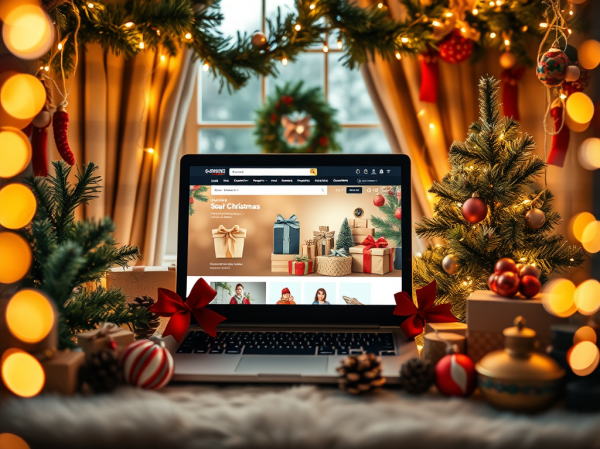
  • Optimise your website for Christmas – think about making your homepage instantly festive. Christmassy themed images are great for attracting attention to your page and gives your customers a more magical experience, putting them in that emotional Christmas mood.
  • If you have any special deals, add a festive banner advertising that on your page. Give cut off dates for orders and where you can, dates that orders are likely to be delivered. This gives customers confidence in your brand and customer service.
  • Make sure that your website can manage the extra traffic, so it doesn’t slow down or freeze.
  • Ensure your website is easy to navigate and that the checkout process is quick and easy.
  • Maybe include a gift guide to make things even more easy for potential customers.

Do you have Christmas bundles available?

If you do, make sure they are very well publicised. You can use social media, using video or eye-catching images to draw customers in. And if you do a bundle as an offer, with a discount for buying things together, highlight the saving – everyone loves a bargain!

If you have a website, think about using a pop-up box highlighting your special offers or bundles.

Don’t forget the upsell or cross-sell. For example, if someone chooses a particular product, have a ‘other people that bought this, also bought this. Or ‘if you like this product, you might also be interested in this complementary product.’

Gift guide

Make a festive video showcasing your gift ideas in one place, or have a gift guide on your website, so people can see immediately what you have on offer.

You could include examples of how your products are packaged, or you could show a packing or unpacking excerpt.

Online Christmas markets

If you add your products to online Christmas markets, don’t forget to advertise this on your social media or email marketing.

Christmas market events

The same applies to events you are going to attend with your products. Make sure you advertise that you’ll be there, share a poster on your social media, or give a sneaky peek at some of the products you’ll be showing.

You can set up an event on Facebook to advertise and if you have a Google business profile, don’t forget to put a post and photos there too, as this is aimed at your local target market.

Collaborate

Christmas is the ideal time to do collaborations with other businesses that sell complementary products. You can team up to produce a bundle, which will benefit both of you. You will also both advertise it, so you’ll reach not just your audience, but also theirs!

Gift cards

Gift cards are perfect for some last-minute shoppers. They can simply buy a gift card for your products and give to a friend or family member, so they can choose what they’d like for themselves.

Out of stock

If you have popular items that go out of stock, then create more, make sure you advertise this, so those who have seen they’re out of stock can now buy them. This is often overlooked!

Gift suggestions by price range

This can be very popular. People like to be given ideas and if you categorise your products into price range, it can make it easier for those who have a specific budget in mind. For example, ‘Under a tenner,’ £10-£25 etc. Anything you can do to make the choosing process easier is a winner.

Pay in instalments

If you offer the service where customers can pay over three payments or similar, it may encourage them to spend more as they can spread the cost. It’s worth thinking about and advertising.

Finally, ensure that your customers know when you’re open, so share your Christmas opening hours. Be clear on the last date to order to get in time for Christmas and wherever possible, an idea of when your product will be delivered.

I hope this has helped and remember, buying at Christmas is all about the customer experience, so make sure that your customers get the best experience possible.

Spread the festive cheer and enjoy these last few weeks before the big day!

5 reasons why it’s important to share your story

This past year seems to have been the hardest for small businesses with every changing rules and regulations about where you can sell your products and who you are ‘allowed’ to sell them to. A lot of businesses are struggling to keep going. Whether this applies to you or not, we are all struggling with one thing or another. But there aren’t many people who stand up and speak about their struggles.

I think it’s because of that age-old thing of ‘stiff upper lip’ – you just don’t talk about it. It could be that we are afraid of being judged, or afraid of rejection…or just simply feel ashamed.

However, I don’t know anyone who doesn’t enjoy a good story, be it personal, emotional, funny, or otherwise. I loved listening to my dad tell me stories of when he was a young soldier in World War II – he used to tell us more about the funny side when we were young, but as we grew up, we heard some of the harder side of his experiences. Telling a story helps our audience to put themselves in our shoes – it appeals to our emotions and our sense of empathy.

We all know about pitching our products and we can do that until we’re blue in the face, but your audience won’t really care unless you give them a good reason to listen. Placing your product at the centre of a story, showing them how it can benefit their lives, not only helps your audience understand more about your product, but it also gives you an extra layer of emotion that makes you stand out more on social media.

Social Media

Most of us are on our phones or devices the minute we wake up, checking messages, emails or just scrolling through posts. It’s often the first thing we do when we wake up and the last thing we do before we go to bed. For those of us in business, our social media account posts are carefully planned and crafted to appeal to our target audience. And even that can be daunting – we worry whether our posts are good enough – will they appeal to the right people? Will people think that they’re rubbish? We compare ourselves to others and fear and doubt can even creep in with our businesses.

We also tend to only share the good things, such as cheery pictures of nights out, a lovely meal, family time – all smiling, date night with our partners etc. etc. But we don’t share our back stories – the stories that make us, US!

This, along with everyone else, gives out a message that we are only allowed to share the good things; things that go well. Having said that, I have noticed that some people are starting to share some of the more private parts of their lives. Now, I’m not saying go out there and share every intimate detail of your life – not at all. But share things that can help your audience.

Share a problem that you’ve solved, share that you’re feeling crap today, or that you feel you’re not doing a good job on something. Sharing this kind of information makes you real…people can empathise – some will have had the same experience, and it can help to build more meaningful relationships.

Telling your story is showing the authentic you – an essential part of who you are.

5 reasons why we need storytelling

  • You CONNECT with your audience. You’ll find people who have been through the same thing or feel the same way. You’ll find those who totally get where you’re coming from and who you are. They will share their experiences with you and so it’s a way to start building trust with your audience. When you share your stories, it pushes you to step outside of your comfort zones and to reflect on where you’ve been and how far you’ve come.
  • Sharing your story defines your identity to your audience. Sharing your interests, be it political, emotional, funny, or serious issues, it shows you. You can also share your hobbies, as you may find others that have the same interests as you.
  • By sharing your own stories, you are helping others to have the space to share theirs. For example, if you share a particularly painful experience, such as miscarriage or mental illness, you’re letting others know that this is safe place to talk about it, that you understand and that there is space for healing. You’ll be helping others by telling your story.
  • Sharing a story also heightens the awareness of that subject. It might be something as simple as sharing your weight loss journey, or how you came back from an addiction or homelessness. These things are powerful, and if you can show how you overcame these issues, you are going to be helping someone who is still going through that same thing, and give them hope for their future. This also starts to create a community of likeminded people, who will feel less alone with their problems, and feel they have someone they can share with.
  • This can also be applied to business. Sharing a story of how a particular product helped you to overcome your problems. For example, if you sell weight loss products that you have used yourself and had success with, tell your story. If you have a product that has changed your life in some way, shout about it and how it helped. If you’ve used a business to provide a service that has seriously changed the way you do business, or has helped you get more clients, talk about it. If you provide that service and have testimonials that show that, share them as well as your story.   

How storytelling helps your small business

  • Storytelling help you build a connection with your audience. By sharing experiences, struggles and successes you are creating an emotional connection with your followers, which in turn, help guild trust and empathy, which can lead to a stronger relationship and customer loyalty.
  • It help you to convey a specific message. Storytelling can help you explain and convey complex messages or ideas that your audience understand and remember.
  • It makes your brand more memorable – if you create a story that speaks to your audience and resonates with them, it can make your business stand out in the crowd. A memorable story, will help your audience remember you and your business.
  • Stand out from your competitors – By sharing your unique story and experiences, something that your readers will remember, helps to differentiate yourself from your competitors. By telling memorable stories, you can stand out in the crowd.

Every single person in the world has a story to tell. It might be a personal story; it might be a business story. But if you get out there and tell it, you’ll be surprised at how much engagement you will get.

If you want to find out more about storytelling for your particular business, I offer one-to-one coaching so you can learn how to use storytelling to make your business stand out from the crowd.

Just message me on social media or contact me via my blog site.

Navigating the pressure of social media – the need for constant engagement

In today’s digital world, social media has become a crucial tool for small businesses as we all strive to reach a wider audience and build our brands. Although social media gives us several benefits, the pressure to maintain that all important presence can be overwhelming. As a small business, you’ll find yourself wearing many different hats and juggling loads of different roles and the pressures of keeping your business in the spotlight on social media is so demanding, it can exacerbate the overwhelm.

Are you feeling the pressure of social media?

Does it make you feel anxious – and then when you do post or show up in a ‘live,’ do you compare yourself to others and think you could do better?

Unsurprisingly – IT IS NORMAL TO FEEL LIKE THIS! We all do!

So, how can you navigate the pressure of social media and help relieve those feelings? Hopefully, this article will help…

The Need for Constant Engagement

One of the main pressures faced is the expectation to constantly engage with your audience. This is very time consuming and at the same time, you’re trying to balance the demands of running a small business with the need to maintain this active, engaging social media presence. At the same time, you’re aware you need to comment on other posts, reply to your comments, post content that will attract attention etc. etc. and it all becomes a bit too much and can lead to unnecessary stress. So, how can you manage this while keeping a healthy balance?

The potential impact of social media

Before looking at some simple strategies to help, it’s important to understand the impact social media can have, so if you have any of these symptoms, you can recognise them.

Psychological – Studies have shown that excessive use of social media can cause feelings of anxiety, depression, and loneliness. Constantly comparing yourself to others can affect your self-esteem.

Distraction from real life – social media can become a way to escape from reality rather than engage with it – distracting you from real life responsibilities, relationships, and experiences.

Time consuming – It’s so easy to get lost in social media and hours can pass without you realising it, which can affect other parts of your life.

Strategies to help you manage your social media

Let’s have a look at what you can do to alleviate some of that overwhelm and get things into perspective.

Set boundaries

Set yourself some clear boundaries for using social media. Decide specific times of day when you will check your accounts and stick within those limits. This helps prevent mindless scrolling and helps make sure you stick to your other important tasks – business or personal.

Use technology wisely

Your devices are going to constantly ‘ping’ to let you know you’ve had a new notification – these are so difficult to ignore – after all it might be important! It never is! So, when your social media allotted time is over, switch your devices to silent or even switch them off (you may need to keep your phone on for personal reasons, but other devices can be turned off.

You can use a ‘do not disturb’ mode during work hours or personal time.  

Set Realistic Goals

Some small businesses are so hung up on their results. How many followers, reach and wanting immediate results. But the reality is, not every post will go viral (if any) and not every campaign will give you immediate results.

Define what success looks like for you and your business (ignore all other businesses – they’re not yours!). It might be that success means increasing brand awareness, driving traffic to your website, or boosting sales. Setting realistic, measurable goals and expectations, will help you focus your efforts. It’ll also help to assess your progress with very little stress.

Plan and Schedule Content

Creating and posting content can be time-consuming – and extremely stressful if you just go with the flow and do it when you feel like it, with no plan.

To alleviate the stress around creating and posting content, it’s a good idea to develop a content calendar that shows what you will post and when. This sounds complicated, but it’s not. I’ll share how I do mine. I usually plan and create my content for the whole of the following month.

See the box below – I simply write down the month and all the dates straight down the page, with the day of the week next to them. Then I fill in the days I know what content to create – like my Wordy Wednesday and Tuesday Blog – then look at what posts I can do to link information from my blog, or something from the special days of the month list I produce and post. I also think about personal posts, for example introduction to myself and business, a post about one of my digital products, a general marketing post about something I’ve seen, learnt about or in response to a question I’ve seen in my comments or online.

30 JuneMondayWorld social media day – taken from special days list
1 JulyTuesdayBlog post – insert title
2 JulyWednesdayWordy Wednesday – insert word
3 JulyThursdayPost linked to blog
4 JulyFridayGeneral marketing post/personal/ promotion of digital products/introducing next week’s theme
5 JulySaturdaySaturday shoutout – insert business
6 JulySundaySilly Sunday – joke

This gives me my content plan for the month. I then create my posts one week in advance and schedule them as this saves so much time and effort. I do sometimes go in and tweak posts by adding something I’m going to be doing or something that’s happened to keep it more personal.

I just use Meta to schedule my posts, but you can use other tools such as Later, Buffer or Hootsuite (to name a few) to automate your posts.

This helps avoid the overwhelm of having to react or think of posts on the spur of the moment.  

Make real life interactions a priority!

Spend quality time with your family and friends and take part in community events, or hobbies. Real life interactions with other people are way better than online ones and provide you with meaningful engagement that social media can’t replicate.

Practice mindfulness   

This is just about looking before you leap! Before logging into your social media accounts, ask yourself why you’re doing it and what you hope you achieve. I don’t mean when you’re posting or doing your intentional engagement at your allotted time, but when you just mindlessly go on because you’re bored – being intentional can prevent it from becoming a mindless habit.  

Keep an eye on your feed

Unfollow or mute accounts that don’t add value to your life or those that make you feel negative. Follow accounts that bring joy to your life, or accounts that inspire, educate, or entertain you.

Track your insights or analytics

Keep an eye on the performance of your posts etc. by regularly checking your analytics or insights. I don’t mean every day – I look on average once a week, sometimes less. This gives you exactly what it says on the tin – insights into what your audience likes and their behaviours. You can see what works and what doesn’t and clearly see which posts/stories resonate with your audience. Knowing that you’re on the right track helps alleviate that overwhelm and pressure.  

Look after yourself!

This seems obvious but oh so easy to overlook!

  • By setting boundaries and taking regular breaks throughout the day when you need to will help.
  • Step outside and get some fresh air and make sure you stay hydrated and eat properly. This is so easy to forget when you get absorbed in social media.
  • If you have a marketing budget or can afford it, think about hiring a social media manager to create posts and schedule them for you, or to help with some of the tasks you hate to do. This helps alleviate pressure.

Taking care of yourself is just as important as taking care of your business.

Sometimes, the only way to manage your use of social media and the negative impact it’s having on you, is to step away from it for a while. I’ve seen loads of people do this – even if it’s only for a couple of days or a week or two. Stepping back allows you to breathe, rest and re-evaluate your relationship with social media and how it’s affecting your life.

Conclusion

While social media gives great opportunities for small businesses, it also introduces a host of pressures that can be challenging to manage.

Recognising these pressures and developing strategies to tackle them can help you and your business thrive in a healthier and happier environment.

What are your thoughts on this?

If you need any help with your social media, contact me and we can have a no-obligation chat.

Effective Hook Marketing Strategies to Capture Attention

Hook marketing is a way of immediately attracting the attention of your audience, by appealing to their emotions, interests or needs.

If you’re fishing, your hook will be a literal hook that will catch a fish. In marketing, it’s a virtual hook that reels in consumers to buy your product or service or look at something you’re offering. 

The hook can be many things, such as a phrase, a video, an image, or anything that instantly attracts the attention of your reader.

It’s one of the most effective strategies. If you think about it, when you are scrolling through social media, you’ll see hundreds of posts and stories, but there will be some that will make you stop and look – what is it that captures your attention? It’s the hook that the person or business uses that stops you in your tracks, so you click to see more.

To better explain, here are a few examples of phrase hooks:

  • What happens next will shock you!
  • Want to know the secret?
  • The one thing you’re missing.
  • This is what everyone’s been talking about

These kinds of hooks call out to your natural curiosity. You’re not necessarily interested, but you click anyway! 

Why is so effective?

In today’s world, most people have a very limited attention span, as they are exposed to hundreds, if not thousands of advertising messages every day. When you’re on social media, and you’re aimlessly scrolling, how many posts do you actually remember? The chances are it’s very few. That’s why it’s so hard to attract attention to your particular brand – there is just so much competition. But if you CAN capture that attention, you are onto a winning streak. A good hook can help you stand out from the crowd and gives you the opportunity to connect with potential buyers or followers. And, as you saw with the example hooks, driving curiosity automatically makes the reader want to know more.

Types of hook

There are various types of hooks, so let’s delve a little deeper:

Emotional

If you use emotion as a hook, you’ll be evoking feelings of happiness, sadness, nostalgia, fear, hope, anger etc. The emotion you decide to evoke will depend on what you’re trying to achieve with the content you want attention drawn to.

An example would be Coca-Cola. They have used several different hooks:

  • The diet coke break – we all remember the muscly man stripping off his shirt as it’s soooo hot, then downing a coke. All the women in the nearby office are swooning at the sight of a semi-clad man drinking coke. You don’t necessarily get hooked intentionally, but you’ll remember it!
  • They also use the ‘holidays are coming’ slogan with the big red lorry near Christmas, advertising their coke. This evokes feelings of nostalgia, excitement, and happiness as Christmas is coming!

Another example, for me, would be the Go Compare ads with the opera singer. I found this ad extremely irritating and annoying, but I remember it!

If you want to use an emotional hook, you need to first identify what emotion is relevant to your products or services. Then use stories, images, or videos to convey that emotion to your audience. Just ensure that the emotion you are trying to evoke is relevant to your brand.

Curiosity

I’ve already talked a bit about this one. Curiosity is probably one of the strongest hooks you can use. Everyone is naturally curious and if you can use this in your hook, you will be able to drive your audience to want to find out more about your products or services.

Examples could include books and films.

  • An author will write a short paragraph on the back of a book to describe the story in brief. It doesn’t give away the plot but gives just enough information to pull the reader in to want to know more…so they buy the book to read it.
  • When a film is about to released, there is usually a trailer. You’ll have been in the cinema and seen trailers for films ‘coming soon’ or seen trailers on sites like Netflix. These give an exciting part of the film, be it scary, sad, fast moving etc – this is designed to pull you in and make you want to watch the film. It’s a hook that piques your curiosity.

If you want to use a curiosity hook, you’ll need to think of something that your products or services do to solve a challenge or a problem, or a product that has a quirky or unusual benefit. Then create content that tells them a little and gives some of the answer, leaving the most important part unanswered or unsolved. This compels your audience to want to know more, so they will read your article, or go explore your website or your products/services. You’d need to use an eye-catching title or heading to get them in!

Fear Factor

This kind of hook uses fear in two ways.

  • The first is fear of personal safety, to highlight a potential threat or risk. We see this all the time on TV ads and programmes. How many of you have a ring camera? Ads are constantly telling us that we need one of these so we can feel safer in our own homes. You can see who is at the door before you open it and you can even talk to people on your phone who are at the door, when you’re not home. The camera is an added bonus in that it can deter criminals and if it doesn’t, it can capture their image on camera.

    It also uses fear from your online perspective – you need this software and that software to protect your PC, phone, iPad, data etc. If you ignore it, it could cost you much more than you think.
  • The second is fear of missing out – FOMO – an example of this would be getting the latest phone from a particular brand. You don’t need the new iPhone, but it’s got SO MANY NEW AND AMAZING FEATURES, if you don’t, you’ll be hugely missing out. It’s likely that the phone you got three or four years ago – or longer in my case (!) – is perfectly adequate, but you’re persuaded by the very clever advertising that you’re going to be left behind in technology if you don’t upgrade.

This is quite a difficult hook to use for a small business, and you’d need to absolutely deliver what you’re promising in your hook, so not one I’d advise!

Storytelling

I’ve said this before, but everyone loves a good story. We’ve grown up with stories, be it from books, our parents or grandparents telling us stories about when they were young. Storytelling is an immensely powerful way to capture the attention of your audience and one that is highly effective for small businesses.

A story can be anything you want it to be. It can be sad, happy, informative, or entertaining. Above all, it must be relevant to your business. But if you can find a way to tell a story around one of your products or services, you will capture the attention of your audience, which will make that product or service very appealing.

That’s why a lot of big brands use celebrities to advertise their products – they show a celebrity at home doing ‘normal’ things with their families and oops there’s an accident and something gets spilt on a dress or shirt.

Oh no! Will the stain come out?

Of course, it will – with the new super duper stain removing product!

Cut to celebrity pulling previously mentioned item out of the washing machine and hey presto – it’s white again!

And all this happens in just a few seconds, but this captures your attention, and you’ll subconsciously remember that product.

The key here is to keep your story short and simple and relevant, so your audience can easily identify with it – something that has impact but is memorable.

Scarcity

This kind of hook works on the basis that people in general want things that are in short supply – and it links into FOMO (fear of missing out).

If you buy online from some of the big sellers, such as Amazon, you’ll often see a message saying, ‘only 1 left in stock’, or it might say ‘limited offer only’. This creates a sense of urgency encouraging buyers to make their decision quickly!  

Anyone can use this hook, whether you’re a small or large business, but the only caveat I would include is that only do it if the offer is genuine. I often see ads for something that only has 2 days left to make my mind up to buy – only to find it a week or two later still saying the same thing. If you have a limited time offer, state the limited time date, and stick to it, or you might find you lose the trust of your customers. The same applies to ‘only one left in stock’ – only say that if it’s genuine.

Personally, this is my least favourite hook, but it is popular and does work well.

Problem/Solution   

This is exactly what it says on the tin. You have identified a specific problem that your customers have – and your product or service is the solution to that problem. This is an effective hook if advertised properly, as you can clearly show the value of your products/services and prove that they work. A case study or previous customer review can help with the proof and then you have a good hook.

To use it for your business, you must identify your customers’ problems or pain points – present that problem and show how your product or service is the answer!

Visual

Visual hooks reel your audience in with a striking image or a brilliant video – both will capture their attention. Visual hooks notoriously provoke an emotional response and are used to spark curiosity.  

Ensure that any images or videos you use are your own, wherever possible; play with colours and shapes to make them really eye catching and use them sparingly, so they don’t become wallpaper to your brand. The visual hook must align with your brand and messaging, so once you have that sorted, you’re good to go!

I hope this has helped you understand a bit more about hooks and how they work.

If you need any help with your marketing or talking through or brainstorming ideas for hooks for your business, get in touch and we can have a call.   

How to promote your customer loyalty programme

In one of my previous blog posts, I covered the pros and cons of having a customer loyalty programme. So, if you have decided that it is the way to go, how do you go about promoting it to your target audience? This blog looks at the strategy for loyalty marketing and how you can get the best out of it for your small business.

What is loyalty marketing?

Loyalty marketing is about encouraging your customers to buy from you over and over again…it’s keeping them coming back for more.

It can apply to both existing, active customers and past customers, as well as new ones. Your strategy is to incentivise them to buy from you more frequently. The obvious example is a coffee shop. They give you a card, which you get stamped every time you buy a coffee. When your ten stamps have been completed, you get a free coffee. Everyone loves a freebie, even if they have to work for it.

Why is loyalty marketing so important?

We all like to feel that we’re appreciated…I know that I do. It’s even nicer if the business you buy from shows their appreciation by giving you something in return. You are being rewarded for your loyalty, which feels great.

The first step to achieving this is to make your customers feel valued and acknowledge them for their continued support. However, this isn’t easy; customers are not tied to you or your business and can jump ship for another brand at the drop of a hat. Another brand may be more accessible, may be a local business or friend. Sometimes customers just feel like a change and want to try something new. But there are some marketing strategies that can help you keep your customers for as long as possible.

Make it simple  

Keep your customer loyalty programme as simple as possible. You could add a sign up at your website checkout and give an immediate benefit of some kind. It could be a small discount off their next purchase.

Also make sure that it doesn’t matter what your customer spends, they can still join the loyalty programme. So, whether they spend big bucks or small change, they are all treated equally.

Add value 

Take your time to decide what customer rewards you want to give. You still need to think about your profit margins, so don’t go mad! You might go with ‘buy one, get one free’ on certain items, or a straight-forward 5% off their next purchase. Or, like the coffee house example I gave earlier, your customers have a physical card that they get stamped every time they buy an item. Then they get one free after the tenth item is bought. Obviously the coffee shop idea wouldn’t be appropriate for most businesses – only those who sell something fairly cheap in the first place…coffee is ideal, so this idea is great for cafes and restaurants, juice bars and sandwich shops.   

Give new members a gift

When someone joins the loyalty programme, give them a small gift as a welcome. This will reinforce the value of the programme, and hopefully they will pass this on to their friends and family.

Give an incentive to introduce a friend

If a customer refers a friend, who goes on to buy from you, you could give them an incentive gift.

Personalise the programme

If you are sending out details of the programme, use the customer’s first name and thank them for being a loyal customer. Personalising the email, phone call, or however you choose to do it, makes your customer feel special and it also makes your email feel bespoke if it has their name on it.

Remember your customers’ birthdays and send them an e-card or an email to wish them a good day.

Don’t forget to say ‘thank you’ to customers for their continued support.  

Let your customers know that you listen 

There is nothing more frustrating, as a consumer, than sending off an email, or sending a message on social media, and your comments are ignored. So don’t do this! Make sure you reply to everything in a positive and friendly manner.

Get customer feedback

This goes hand in hand with listening. Providing your customers with a way to leave feedback is imperative to finding out why they stay loyal to your brand and also, why they leave to go elsewhere. Make sure there is somewhere on your social media sites for them to leave feedback and also on your website.

Listening to what your customers have to say can be a very positive experience, but inevitably you will also get some negative comments. However, so long as you answer them straight away, you can often turn that around. Sometimes feedback will give you new ideas, or ideas on how you can improve your current products or services.

Most customers tend to only leave feedback if there is a problem, so it’s about encouraging them to leave it when they’re happy! If you do get a negative review, don’t try and hide it or delete it – work on the problem with your customer and hopefully they will leave another one stating how you solved their problem.

Feedback can be obtained via a customer satisfaction survey. With this, you are in control of the questions, and it is a straight forward and easy way to gain opinions on your products and services…and the overall customer experience they receive with your brand. If you do opt for this, keep it short and sweet – they won’t want to take more than a couple of minutes to complete it, so just ask a few questions and if possible, opt for multiple choice answers as that makes it even easier.

You could offer an incentive to complete your survey or to leave a review. The most important thing to think about is the timing of your survey or the asking for a review. You need to give your customer time to use your product or service. So just be aware of that.

Promote at every opportunity

This means at every single customer touch point.

  • Website
  • Phone calls
  • Text message
  • At the till if you have physical premises
  • When you send out an order, put details in the order with the invoice
  • Blog about it
  • Put your programme on your social media sites – ask your followers to share your post
  • Tell customers about it in email or newsletter
  • Promote it in adverts about your business
  • Consider a paid ad on Social Media
  • Mention it in podcasts and videos
  • Maybe have a partnership with another business that compliments yours and share the running costs

Talk about your customer loyalty programme to anyone and everyone who will listen.  

Conclusion

Always remember that customer loyalty goes way beyond giving out a loyalty programme or rewards…or even engagement with them on social media.

It’s about you letting your customers know that you really value their custom, and appreciate the support they give to your business.

Finally, make sure that you use the same images and tone of voice in all interactions about your customer loyalty programme, so your particular, branded programme stands out and is easily recognisable.

If you want a customer loyalty programme for your business and don’t know where to start, I can help, so just drop me an email or message on my Facebook or Intagram page.

Quick wins to get more customers


If you work for yourself, you will always be looking for new ways to get more customers, and this seems to be getting harder and harder, year on year. But there are a few quick wins that could help you on your way to getting more…

Make yourself or your business the answer to a problem. Is there a problem out there that you can solve with your products or services? Do some research online and find out…then market yourself/your business, letting people know that you have the solution to their problem.

Follow up on previous sales. Once you make a sale to someone or provide them with a service, don’t forget to follow up with them a month or so down the line. Just dropping them a simple email to say ‘Hi, hope everything is OK ‘and ask if you can be of further service to them. If you sell a product, or range of products, perhaps you can suggest one to them that they haven’t tried before. If you provide a service, perhaps there’s another service you provide which they hadn’t thought of…you just need to point out that they need it and why!

Know your audience. It’s much easier to sell your products and services if you know who you are targeting. Do you know who your target market is? Take a few minutes to think about what makes those people tick…what makes them happy, sad, relieved … how can you address any issues to make their life easier? There’s a workbook on my website, which can help you with this.

Hang out online. Answer your comments on your social media pages and hang out for a while! Get a conversation going and just generally chat with your audience. If you belong to groups, answer questions in comments and be genuinely helpful – don’t try to sell anything – if people like you, they’ll look for your page, where they can engage with you on a more regular basis. Be helpful, be friendly, share tips and stories!

Back to basics. Take a fresh look at your website and social media pages. Update your profile picture so it’s current, and make sure you are posting regularly. Make sure your website is up to date and that all the links work. Is your logo and online persona still relevant to what you do? If not, think about a re-brand. Make sure you have plenty of business cards and that they have all your up to date information on them. Distribute them to places where your target market may be….and think about getting flyers done to advertise your business…remember, that although we live in a technological world, not everyone is online, so there is still a need for hard copy advertising.

Be easily found! This isn’t necessarily an obvious one, but are you easy to find and contact? Make sure your contact details on your social media and website pages are up to date and easy to navigate. Give people options on how to contact you. For example, you might have a contact page on your website, but also give your email address, or a contact number – or tell them to message you on social media. It all helps!

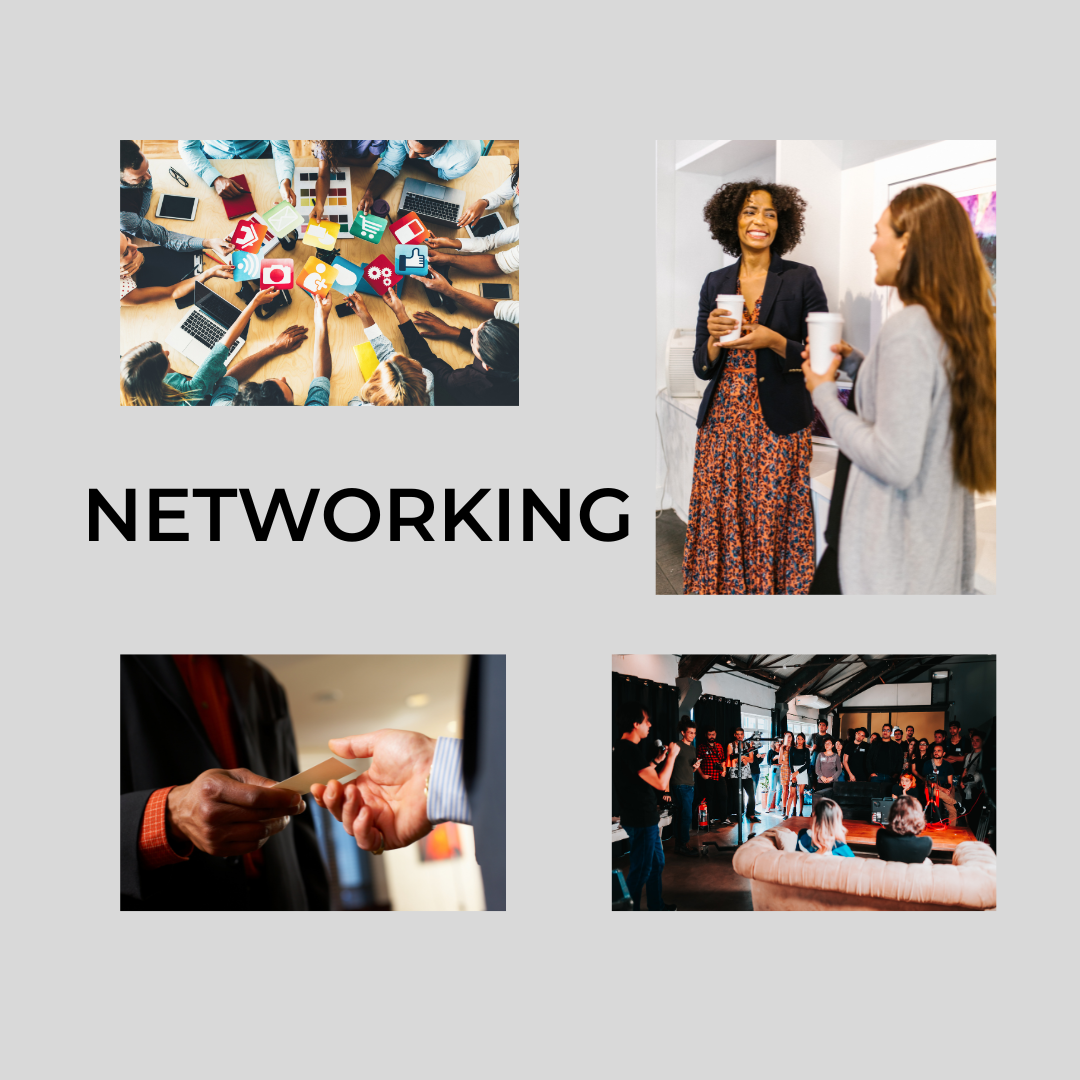
Network with others. Find local groups or networking events, where you can meet like-minded people and exchange business cards and details. If you have a product and there’s a local trade fayre, go along and give out flyers and talk to as many people as you can. Don’t forget to also network online too on socials and in groups or forums.

Get yourself interviewed. Approach a local newspaper or radio station and try and get yourself interviewed about your business. You can take the tack of putting yourself forward as an expert in your particular field.

Are you selling online? If you sell a product at markets and trade fayres, let your customers know that you also have an online presence. If they don’t have enough cash or can’t afford your product at the moment in time, they’ll know where they can find you. If you have an email newsletter, get them to sign up to it so that they receive the latest news and information about your business.

Interview someone and post online. Arrange to interview an influential person in your niche – or soeone who does something complementary to your business. You can have a chat about what you both offer and how it works, both together or separately. You can then both post the interview in the form of a video post, podcast or use it for your blogs – you then get twice the coverage and reach not just your own audience but your interviewee’s audience too. Make sure you give details of both your businesses at the end, with details of where they can find you and/or contact you.

Offer a free trial of your product. Everyone loves a freebie and giving something away is a great way to get new customers. Make the free trial available for a limited time only, so instilling the idea that if they want a bargain, they need to do it ‘now’. Once they have the free trial, ask them for feedback so you can make improvements if necessary. and ask them to share their feedback in the form of a review.

If they love your product, they will look at what else you sell…you can also point them in the right direction, for example, “If you liked XXXX, you should try XXXX – I’m sure you’ll love it!”

Think about setting up a face to face event. Although this might not necessarily be a quick win, face to face events work well to get yourself known, either online or in your local community.

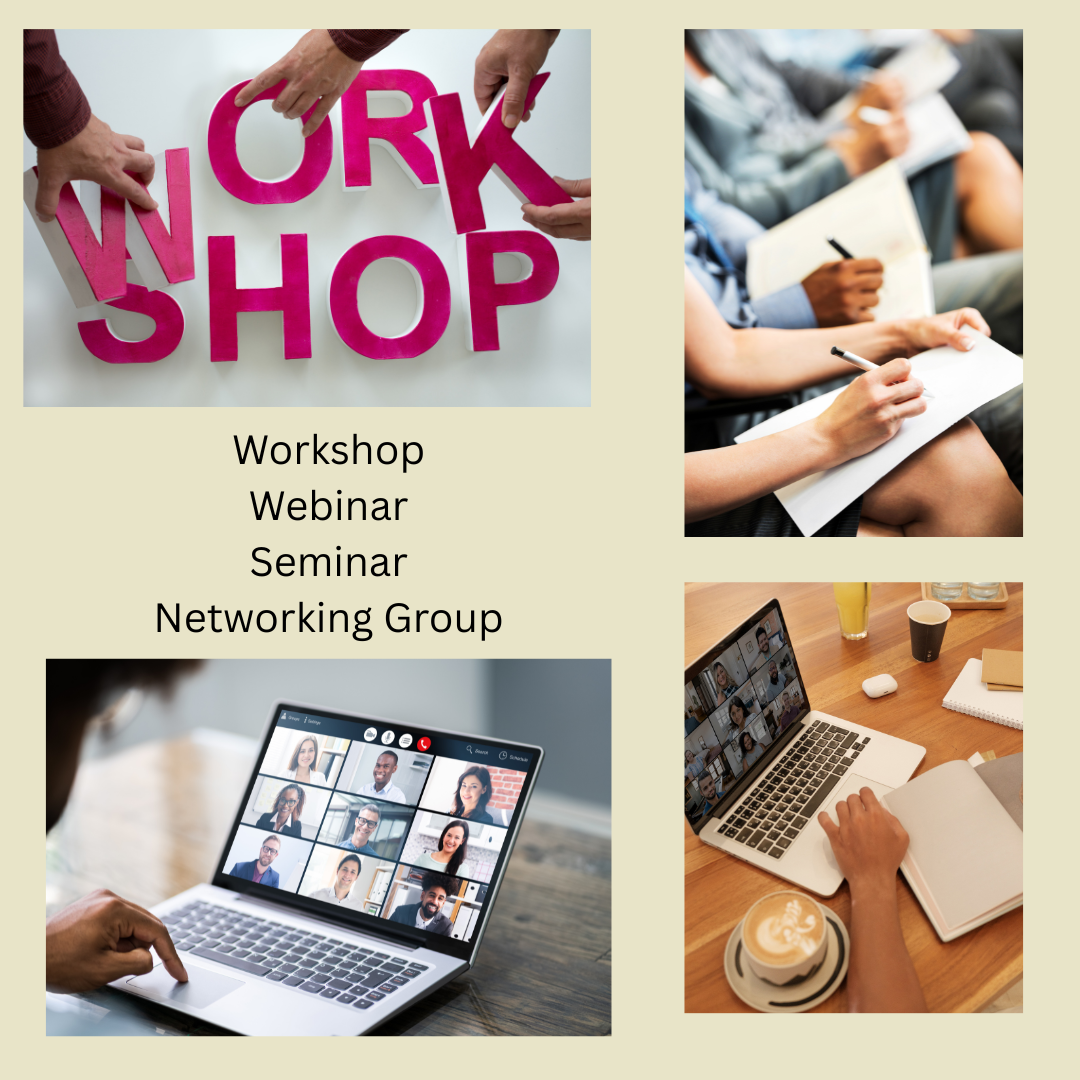
If you do something that you could teach in a workshop, think about setting this up, so people can pay to come along and leave with something they’ve made themselves. You can advertise them for groups of friends, or you may know local groups of people who get together regularly – ask them if they’d be interested to do something fun as a group.

If you’re not comfortable doing a face to face, in person event, you could arrange a webinar, where you teach something online through video. You have the choice of showing your face or not.

You can also set up a networking group for people who do similar things to you to get together and brainstorm ideas, whilst having coffee and cake! Or, you could set up a Facebook networking group online – although be aware that this requires a lot of time to manage, so definitely not a quick win!

When you have gained new customers, which strategies have you employed? And what did you find was the most successful? It would be great to hear from you.

And you can always contact me for more help – I run several 1:1 coaching sessions that help you get clarity in where your business is going and how to do it.

How to reach your target audience

Once you have identified who your target audience is, the next thing to do is to find them! How do you do that?

Hopefully this article will answer those questions and fulfil the main goal of marketing…get the right message to the right audience, at the right time!

Here are a few ways that will help you decide how you can best connect with your target audience.

  • Any marketing you do needs to speak directly to that audience you have defined. This does sound pretty obvious, but so many people think that their products are universally appealing so are targeting everybody. It’s nice to think that is possible, but it is seldom true and that mind-set can get in the way of talking to the right people.
  • The next thing to do is to put yourself in the shoes of your target audience. It is most likely that they won’t know much about your brand, products or services as well as you do, so by seeing what you offer through different eyes, you can look for potential weaknesses or misunderstanding. Then the right messaging can be crafted.
  • Now you need to identify the best channels that will speak to your target audience. Now, there is not just one answer here, it will all depend on who your target audience are. So, when you did the research into your target market, what do they turn to for information?

    Do they read local magazines or newspapers? If they do, a local ad might do the trick.
    Do they listen to local radio? Could you get an ad on the radio or get in touch with the radio station and ask to be interviewed?
    Do they use social media and if so, what sites do they use? It’s no good putting everything on Twitter and Instagram, if they mainly use Facebook, for example.     

Building a communication/PR strategy  

Once you know who your audience are and where they like to get their information, now you need to get that information out to them. This does mean having some kind of strategy…I don’t mean another long and arduous document that you’ll do and never look at again, but a more pointed plan. So, let’s look at the strategies you could use…

Social Media

This pretty much goes without saying – most target audiences these days are on social media in one form or another. Social Media is a great way to engage people in conversations with your business. You can encourage people to follow your page by creating ‘follow’ buttons on your website that link to your social media pages. If you send out a regular email to your customers, add a follow button on that to get them engaged with your social media pages. You can also use ads on social media to attract followers.

Post content that you know will interest them and they’ll find value in. Ask questions in your posts and remember the 80/20 rule. 80% engagement and building a following and only 20% actually selling a particular product. If you only ever post details of your products and cost, people will lose interest. They like to get to know the person behind the brand, so engage with video content, podcasts, inspirational quotes, funny quotes, ask questions that may be related loosely to your product or service, do a ‘this or that’ – do you prefer coffee or tea for example.

Get into publications they read

If you know that your target audience like reading hard copy material, like magazines, trade publications or newspapers, you could put a small ad in it. You could also contact the publication direct and ask if your business could be featured. If it’s a newspaper, pitch a story idea to a journalist who writes for the newspaper, or ask if you can be interviewed. Alternatively, you could write an article and then submit it with a pitch to the relevant publication. This isn’t easy, but there are a few free courses and articles online about how to pitch to this type of media.

If you know that your audience read certain blogs, contact the blog owner and ask if you could write a guest blog article. Make sure that your SEO is on point with this, and also check the SEO on your website. It needs to be good to appear high in search engines, so take a look at your website and make sure it hits the mark, so it will be seen by your target audience.

Networking events

Join local networking events, as this is a great way to meet your target audience and talk about your business. Even better, if you can get a speaking spot to talk about a particular area of your expertise. You’ll not only be speaking about something that is relevant to your business and your target audience, you’ll also get the chance to mingle with your target audience afterwards. If you get a spot as a speaker, the event will be advertised with your name and subject, so you know that people interested in what you have to say will be in the audience.

Creative Content

OK, so now you know where and how to connect with your audience and how, let’s look at the content you share in more detail. This can be written content, video or podcast. It’s good to try out all the different forms of communication.

Appeal to emotions

People in general, are more easily moved to take action by their emotions than by anything else. Sometimes even good old logic goes out the window when emotions are involved.

For example, some of the big cat food manufacturers advertise on TV. Although the ads do focus on ingredients and how good it is, the product is mainly sold by the cute kitten talking to itself, or running around playing…or just sat there looking cute. There’s one brand of cat food that is described as ‘gourmet’ food. The cat in that ad is a pampered, long haired pedigree that looks a cut above the rest. This kind of advertising, using the right kind of images or video is what helps sell that product.

Solve a problem

If you have done your research on your ideal customer, you will know what problems they have…and how you can solve them. You just need to let them know that you can fulfil their needs and solve their problems. And, whilst it’s important to give the features of your product or service, all your customers really want to know is ‘what is in it for me?’ So, solve a problem they have and you are more than halfway there.

The time factor

Time, or the lack of it, is also a great marketing ploy. If you can communicate that your product or service saves people time, whilst also giving them what they want, for a price they can afford, you’ll be onto a winner. It’s a very busy world and people are constantly looking for ways to save time, so they are happy to listen to anyone who can help them save some of that precious time…and solve a problem for them at the same time!

DON’T push the sales angle

As I said earlier, use the 80/20 rule. I absolutely hate it when I sign up for something online – it might be a freebie, it might be something I pay for and in order to get it, I give my email address. I’ve not got a problem with that, but if I then get bombarded with emails in my inbox, I not only find it irritating, it’s usually about selling the same thing, something better, something bigger. OK, I get it, I’m happy to be asked once or twice, but some people send several emails a day over several weeks. In my mind, that’s just unprofessional and pushy. So I’ll unsubscribe…and might actually miss out on something I would have liked a few weeks down the line. I just can’t stand the hard sell. So it’s definitely about the getting the right balance on pitching products/services and engagement and building a loyal audience.

Ask questions

In order to connect fully with your target audience, you need to really know them. Ask existing customers and potential customers for feedback, so you can gain more information about their needs and wants. This could be via a poll on social media, or a survey to their inbox. There is no better way to get information about your audience than to ask that audience itself. You will gain great insight into what makes them tick and find out what they need, or what problems they might have. Then you can work to provide that need or solve that problem.  

Share and improve your Brand

Talk about your brand values in your content. This will engage people with the same values as you and will help you identify with your audience and to connect with them on a deeper level.  

Stand back and take a good, long look at your brand image. Read your website and social media pages through the eyes of your target audience. Does it speak to them in the way you thought it did? What could you do differently to improve it? Is your brand warm and inviting, or cool and aloof? Does it connect with your target audience? The way people perceive your brand goes a long way to deciding whether or not they will become a paying customer.   

Publish a case study

Whether you provide a product or a service, you will have a case study to share…a happy customer, someone whose life you made easier, or whose problem your product or service solved for them. What better way to advertise your business, than to interview a happy customer and ask them how your business helped them and why it is so good. This makes your business more real to your audience. It also gives your target audience the reasons why buying from you is such a great idea.

In today’s fast-paced world, it’s crucial to have a connection or a two-way conversation between your business and your target audience. It’s also really important to realise that, just because you have identified your target audience and identified how to get to them, that your job is done. Far from it I’m afraid. Every post you make, every campaign you run will show you how to do a better job next time around. And if you continue to ask for feedback and are willing to take criticism and ideas on board, tweaking what you do, you will get more and more effective results.

If you need help in identifying your target audience, there is a workbook on my online shop which takes you through the process step-by-step. Alternatively, you can contact me for a chat as I also offer coaching in this area.

Why is it important to understand your target audience?

You have a small business, you write beautifully crafted content, you engage on social media – but you’re still not selling. Why?

When you have a business, the ultimate decision about whether they are going to buy from you or not lies with your customers or potential customers. You can do as much as you possibly can to persuade people to buy your products or services, but without a strategy that provides personalised experiences for your ideal customer, you’re not likely to make many sales.

When you know who your target audience is and have a comprehensive understanding of who you’re talking to, you can create the right kind of content to attract that target audience. By having your own small business, you are competing with hundreds of other businesses who do the same as you, so having a marketing strategy is imperative to stopping your messages falling on deaf ears!

Why does your target audience matter?

I’d say that knowing your target audience is the most important part of your marketing strategy, for these reasons:

  • If you’re talking to everyone, you’re talking to no one. You don’t want to appeal generally to everyone out there, you need to appeal strongly to a specific group of people who are likely to want to do business with you…people you have a connection with.
  • If you know exactly who your audience are, you know what their pain points, or problems are. You can see their problems from their perspective and what obstacles they need to overcome to solve those problems. Then you can think about how your business can provide those solutions with your products or services.
  • Knowing your audience’s problems, you can work out how to market the solutions you have to their problems. You can show them how the features and benefits of your products/services can help them and why you are best suited to do that.
  • When you are creating content and forming new relationships with potential customers, you need to be able to speak their language. By this, I mean using the same terms and phrases that they use to describe their problems. Then you can build relationships by using that language to show that your business can solve those problems.
  • You target audience can also teach you how you can create better products and services that suit them best. You can use the understanding you have of their problems, along with any feedback

How do you identify your target audience?

Identifying your target market is all about three things: Demographics, Geographics and Psychographics. 

Demographics

  • What is their age and gender?
  • Are they married or living together?
  • Do they have children?
  • What do they do for a living?
  • If you know what they do for a living, what is their rough income?
  • Do they own their own home?


You can usually gain demographic information from your existing customers by simply talking to them. Social media accounts can also give you relevant demographic information. If your customers are on Facebook, for example, you can usually see information like date of birth, relationship status – people seem to love to share about their lives on social media, so you will probably see if they have children or grandchildren, what they do for a living etc.

  • You could also get this information from feedback you get. For example, if you make and produce quality rag dolls, you may have feedback that says, “Love your product, my daughter/grand-daughter loves her doll and hasn’t put it down since she received it.”  This tells you that your customer is a Mum and Grandma and that she likes buying things for her grandchildren.
  • Knowing the demographics of your existing customers makes it easier to tailor your marketing accordingly.
  • If you’re not sure who your target market it, go to Google and research some of your competitors, people who do the same as you, and look at their marketing techniques. Who are they targeting and how? What are the messages they are sending out? What images do they use? What media do they use to advertise? You will then have an idea of what direction you should be aiming for with your business. 

Geographics

This is the simplest – where do your target market live? Are they local to you? Just in a particular region? In the same country, but miles away – nationwide? Or international – in other countries?

Psychographics – why customers buy what they do

If demographics look at who your customers are, psychographics take you a bit further into their lives to find out why they buy the things they do. What motivates them and what makes them tick.

Psychographics include things like:

  • Interests
  • Activities
  • Religious beliefs
  • Attitudes
  • Personality
  • Spending habits
  • Lifestyle choices

If you combine the data you collect on the demographic and psychographics of your customers, you can paint a picture of what your potential buyer (or your buyer persona) will look like and who they are. Let’s have a look at one example …

Buyer persona 

Let’s say you’ve done your research, and this is what you have discovered…

Demographic data

  • Female, aged 40 – 55
  • Married with children
  • Household income around £45,000
  • Stay at home Mum who works part-time

Psychographic data

  • Interested in health and fitness
  • Likes to be eco-friendly
  • Is an active member on Facebook and Pinterest
  • Likes socialising with her small group of friends
  • Loves cooking

This demonstrates the difference between the two sets of data and why it’s important to gain both – you have more insight into what your customers might like. Then you can look at your products to see what would interest this kind of customer.

How do you make this relate to your business…and therefore your marketing? I’ll share some examples…

If you have a crafting business, for example, and your crafting activities were soap making or candle making, you’d know that this customer likes natural ingredients that are environmentally friendly and safe for children, so that could be part of your marketing angle.

If you are in the catering industry, making cakes or preserves, she might be interested in special birthday cakes for her family or in your preserves and pickles that use natural ingredients.

Her children are likely to have birthday parties and her friends are likely to have children of a similar age, so anything you make from a crafting perspective may be of interest – bunting for parties, toys, jewellery, etc. And as she enjoys socialising with her small group of friends, she may be interested in hosting an at-home party to buy your craft products.

Where to find her

Once you have this data, you’ll also know where to find her and this is especially important. She may attend local fitness clubs or gyms; she may visit a local spa; she will enjoy lunches out at restaurants or bars with her group of friends. This is where you could leave your flyers and business cards.

Now you know what your customer looks like and what she’s interested in, you can tailor blogs to suit her, you can make products you know she’ll like, and you can find out if she has any particular problem that your products can solve. 

How do your customers like to buy their products?

These days, I would hazard a guess that most of your customers will want to look at products/services online before they buy. They have such a wide choice that it’s important you make yours stand out. People spend their commute to work, breaks, lunch hour, evenings and weekends online, usually browsing through social media sites or looking for something specific. If you are not on these platforms then your products/services will not be found.

Selling online

Social Media is a great way to promote your products or services and to advertise what you do. But you also must bear in mind that not everyone is on social media. If your target market is in the older age bracket, they may prefer not to be on social media, so you will have to reach them another way.

Even though they don’t do social media, your target audience probably still uses the internet to search for things they want. You could set up an online shop.

A website is a crucial business tool – you can link it to your Social Media sites and vice versa. A website can help you reach a wider audience – it gives you a shop front that is open 24/7 – you can even sell when you are sleeping, and you can sell to anyone in the world!

You can put more information about yourself and your business and products or services that you can on social media and, if you have an online shop, you can point your customers to that site. Whatever you choose to do, there is always a marketing technique to support it. If you have a website, you can also choose to add a blog, which could also be a fabulous tool to write about your individual products or services … just another way to get your name/business out there.

I hope this article has given you the inspiration and information to dig deep into your target audience in more detail. I know that once you have all the relevant information, you’ll stand a much better chance of marketing your products or services in the right way…and get those sales.

Share this post to help other small businesses just like you. And if you would like help in identifying your target audience, you can always have a chat with me – or you can find a very helpful workbook on my website shop, which is a step-by-step guide – https://cindymobeymarketing.com/product/how-to-identify-your-target-audience-workbook/

Marketing your business with little to no budget

When you run your own small business, there is often little money left for a marketing budget, which can make marketing a bit of a challenge. But there are many ways that you can market your business to your target market without spending any money.

Having read a lot recently on social media about small businesses really feeling the pinch at the moment, I thought I’d have a look around to see what free marketing ideas there are out there.

I hope that these help you…

  • Create a free Google Business Profile. This is free to set up and you can add photos and updates with links to your blog posts or social media pages. It’s more of a local tool, so helps your business get found locally pinpointing you on Google Maps, as well as allowing a link to your website.  Your customers can also add reviews to your Google Business Profile.
  • Social media – Most of us have business accounts on Facebook and Instagram, and some of your will also have TikTok accounts, LinkedIn, Pinterest, X or one of the many other sites. Facebook still seems to be the most popular go-to place for people to search businesses. This is a great way to showcase your products and services, engage with your target market and find new communities to join and network with.
    Post regularly and consistently (it doesn’t have to be every day, so long as you are consistent). Share your human side, articles of interest, inspirational quotes, hobbies etc and as always my advice is the 80/20 rule. Share 80% entertaining, engaging, educational or inspirational posts and 20% selling.
  • Use hashtags – yes, these still work, so long as you don’t overdo it. The recommended number of hashtags used to be 30 per post, but these days it is advised to use around five. Use your own personal hashtag is you have one (or set one up) and use a variety of local and more general hashtags. Don’t go for hashtags that have millions of followers, or you won’t be seen – choose a variety between low and high figures. I personally wouldn’t recommend using those with over a million followers.
  • LinkedIn – this is one we often overlook and I’m just as guilty as the next person, but something I am going to try and do more of for the rest of this year. LinkedIn is a huge social media site – most use it to just add network connections, but you can share your blog posts and offers, talk about your business, have a conversation with the connections you make and join relevant forums and contribute to them – and you can share other businesses’ content.
  • Email marketing – this is a great way to get customers and potential customers engaged with your business. It’s a great place to build and maintain relationships. It’s not a new thing, but it is still one of THE MOST reliable ways to achieve new customers and maintain existing ones.
    There are free plans out there on hosting sites, but most want a small monthly subscription, but it is worth it if you use it correctly. When someone signs up to your email, give them an incentive, such as a money off voucher or a free checklist, e-Book etc. It’s a good idea to ensure that your email has an offer that encourages your readers to take the next step – that might be with a special offer you are running, a new product or service you’re promoting or perhaps a webinar or podcast you’re hosting. Your email is your direct link to your customers and potential customers, so ensure that the content is worth reading and that you show them the real value of your business and that you care about them. 
  • Ask your existing customers to refer you to their friends and family – you could also offer an incentive, such as ‘for every three customers that they refer who buy something from you, they will receive a 10% discount off their next order’.
  • Survey your customers – this is a great way to find out more about how your customers feel about the products or services they have bought from you. Ask them what they like best, what they like least etc. This gains you valuable information for future products or services. You can also ask for permission to publish their comments on your website or social media. 
  • Case studies – Use a real example of a problem you’ve solved for a customer, with a quote from them about how wonderful you and your service are. Turn this into a blog post, add it to your email marketing or post about it on your social media pages.
  • Have a website – this is a great place for you to give more details about you and your business. You can add an online shop, a blog, and a sign-up opt-in to your newsletter. Ensure your website is clear and easy to navigate, loads quickly (so keep image sizes small) and that it is engaging and gives plenty of useful information. Ensure that each page has a link to another page on your website to encourage visitors to stay a bit longer – this helps your ranking figures.

  • Write a blog – If you have a website, it’s a no brainer to have a blog. The reason? When you publish your latest blog post on social media, you point people to your blog post (and therefore your website0 where they may be tempted to have a browse. As with any other piece of content, a blog needs to be relevant to your audience and engaging. The good thing about a blog is that you can also repurpose the content to make other pieces of content for social media, email, podcast, webinar, YouTube video – the possibilities are endless!  
  • Free directories – as well as directories that you pay for, there are loads of free directories out there. Search for ones in your local area – this helps you get found more easily.
  • Attend networking events – if there is a regular networking event near you, they are well worth paying the small fee to join. You’ll meet other like-minded businesses and often pick up customers from those businesses over time once they get to know you. You can also join online networking events, which mostly don’t cost anything. If there isn’t a physical local networking event, why not think about starting one at a local café – coffee and networking always goes down well!  
  • Enter a business award competition – there’s nothing better than being able to say that you’ve won an award or a competition. Even if you don’t win but are shortlisted it’s still something to shout about. And either way, you can shout about it on your social media, website, in your newsletter etc.

I hope that this article has given you ideas on how you can promote your small business with little to no money. If you have any other ideas, put them in the comments – I’d love to hear from you!

If you need any help with any of the ideas above, you can always contact me for free 30-minute call.