
Brand Storytelling – how to tell yours!

Storytelling is nothing new, and something most of us do every single day without realising it. When you talk to your partner about your day, you’re telling a story – you read stories to your kids or tell them about what life was like when you were young (or as mine used to say ‘in the olden days’) …cheeky little beggars! So, it makes sense to tell stories about your business, so people get to know you and your brand. Stories help you capture your audience’s attention, build loyalty, and get sales. 

What’s different about Brand Storytelling – is it the same as your Brand?

The simple answer is ‘no,’

Your brand is an essential part of your business strategy.  Branding is the broader marketing and communications plan, such as content, your mission and vision and all the things that make your business ‘you.’ Branding includes the image you want to portray as well as your reputation.

Read ‘Get a better brand identity,’ one of my other blog posts, for more in-depth information. 

Brand Storytelling is a part of your brand strategy. It shows your human side and builds that engagement between you and your customers. It’s about sharing stories that your audience can identify with, weaving in the core messages of your business. It’s emotion-evoking, creates empathy, holds their attention so your audience feels the experience, and so helps build trust and loyalty, compelling them to take action.   

Seth Godin, an American author, and marketing strategist, (with a great sense of the humour by the way!), once said,

“Marketing is no longer about the stuff that you make, but about the stories you tell.”

Seth Godin

You may not recognise his name, but I’m sure you will have seen this quote before. In today’s climate, where competition is stiff, you have unlimited choice on everything you buy, and you’re constantly being bombarded with ads, not just on TV, but on social media, you need to find a way to make your business stand out from the rest. 

Storytelling is the answer.
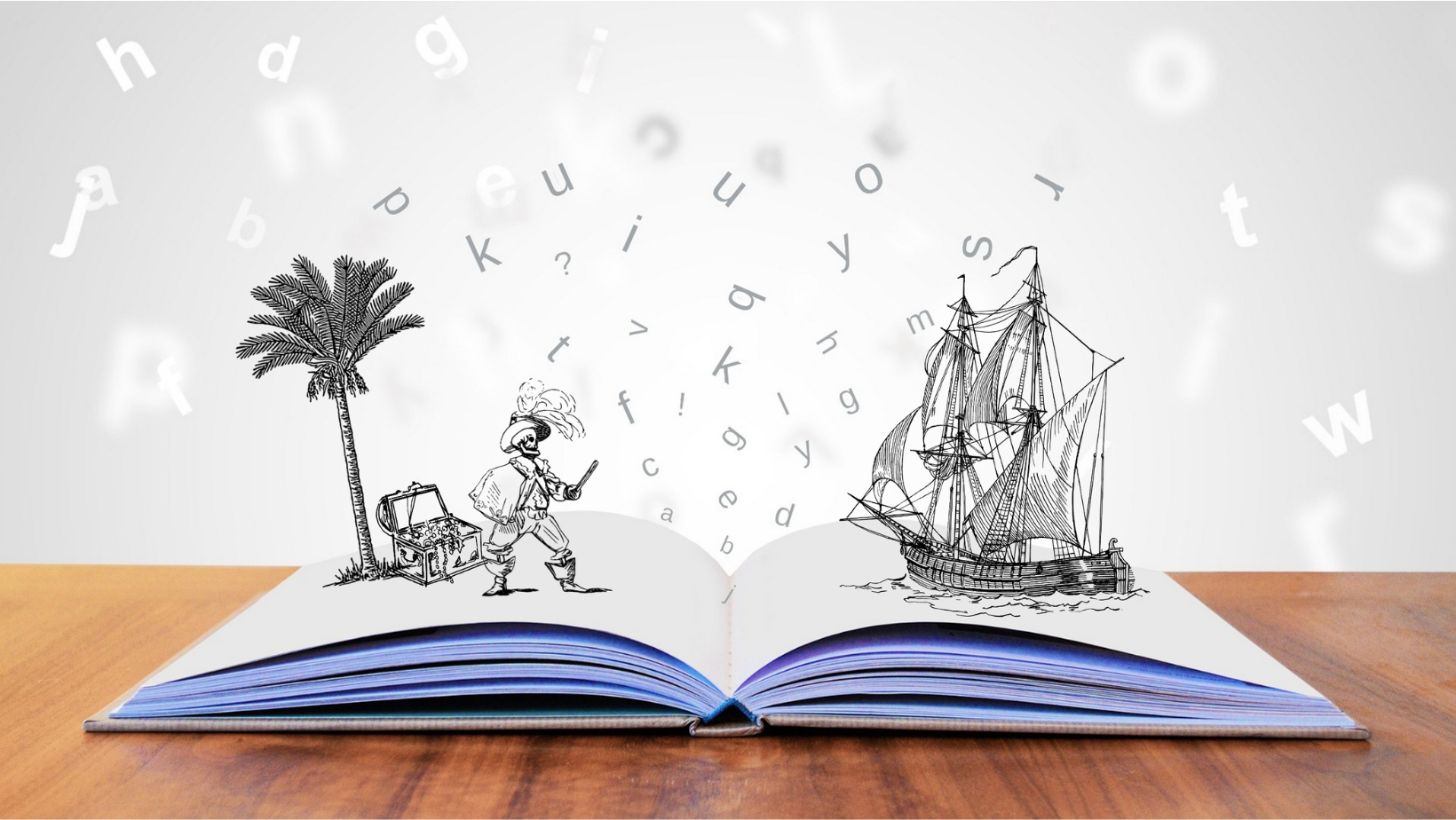
The power of storytelling – what people want!

If I could use just one word to describe the power of storytelling, that word would be EMPATHY. People want to feel like they belong, they’re tired of being ‘talked at’ and being inundated with ads to sell to them. I know that I get fed up with it – it’s constant if you work online like I do.

What people want, what I want and I’m sure you do, is to feel a connection with a particular business – have that feeling that ‘they’re just like me.’ Telling stories is what makes your brand more human, you can communicate exactly who you are, what your values are, what you do and how you can help people. The more you do this, the more you will stand out.

When you have a small business, your main focus will be selling your products or services, and I see a lot of businesses churning out post after post just selling their products/services – using the quantity over quality mindset. And whilst, of course, if you bombard people with loads of content with what you sell, something may catch their eye, it doesn’t really connect with them on a personal level.   

Think about the big well-known brands. L’Oréal is a great example. Their tagline that we all know is ‘because you’re worth it.’ Originally this was ‘we’re worth it,’ talking specifically to women. It’s not just their tagline, it’s their brand mission, telling women that taking their beauty into their own hands is empowering and believing that it’s something no one else can control. When you hear that tagline, what do you think? Most of us would probably agree, that of course we’re worth it, we never doubted that!  Its aim is to resonate with women everywhere, no matter what age, colour, race, religion, sexual orientation – it’s just about inspiring us to have confidence in ourselves. 

A quote from their website reads,

“The inspirational and culturally diverse women who front the brand worldwide make the phrase relevant not just for their generation and their mother’s generation, but for generations to come.
Since its inception, “Because You’re Worth It” has been translated into 40 languages and has become the militant tagline uniting women around the world, encouraging them to fearlessly embrace their ambitions and believe in their self-worth every day.”

The point I’m making is that they are telling a story. So, how can you incorporate this kind of storytelling into your brand?

How to tell your brand story

  • Who are you? What is your story – who you are, what you do, what you care about and why it matters. Know what your brand mission and vision are for your business. As a small business, you are not a huge faceless organisation, you can show who you are etc with posts showing your workspace, talk about your hobbies, what you like to do outside of work, your family – show your personality – this is what helps give you your brand story.
  • What do you want people to associate with you? What do you want your customers to think of you? If you were going to buy your products/services, what would you look for?
  • Your natural style – this is about how you portray yourself. Are you enthusiastic about what you do? Do you show your passion for your product or services? Research other businesses who offer the same or similar products or services as you – how do they put their personal style across to their potential customers? I’m not saying you should copy someone else’s style, but it will give you ideas.
  • Be an expert at what you do. Show potential customers that you’re good at what you do. When you do a good job for your current customers, ask them for feedback and recommendations. This helps you have social proof – I always look at reviews when I buy something for example. You could use those reviews to build case studies – the story behind why they bought that product, or if they commissioned a particular product or service, (with their permission of course!)
  • Who do you do it for? This is an important one. Think about the people you want to help or whose custom you’re trying to win. You need to know who your target market or ideal customer is. Show them how you can help them, solve a problem, and let them know why you care. How does what you do improve their day-to-day life? What’s in it for them?
  • 80/20 rule – this is something I often bang on about, but it is relevant to your brand storytelling. Don’t make all your posts about selling. 80% should be content that educates your audience, entertains them, inspires them, and engages them with what you do. Only 20% should be about selling.
  • Don’t forget your call to action – at the end of every story should be a call to action. Tell your audience what you want them to do next. It might be ‘Check out my website/shop,’ it might be ‘sign up to my newsletter’ or something as simple as ‘follow me for more inspiration.’    

Conclusion

Brand storytelling is about getting into the minds of your audience. Humans are naturally programmed to create and listen to stories. They can affect us both physically and mentally, make us feel an empathy to a certain person or a certain business. Something resonates in our brains.

When you watch a film or read a book, how many times do you feel embroiled in the story, so that you see and feel what the characters do? Your brand story will have this effect on your audience when they really engage with your content- and if they feel engaged they will remember you.

Storytelling should be at the centre of all marketing in one way or another. And they will help you stand out from the crowd. Great stories will help your audience understand who you are, what you do and why you do it. 

Share this blog post or tag someone if you think this content will benefit them. And don’t forget, I’m only an email or message away if you’d like to find out more or have some 1:1 coaching on your brand story.
How to reach your target audience

Once you have identified who your target audience is, the next thing to do is to find them! How do you do that?

Hopefully this article will answer those questions and fulfil the main goal of marketing…get the right message to the right audience, at the right time!

Here are a few ways that will help you decide how you can best connect with your target audience.

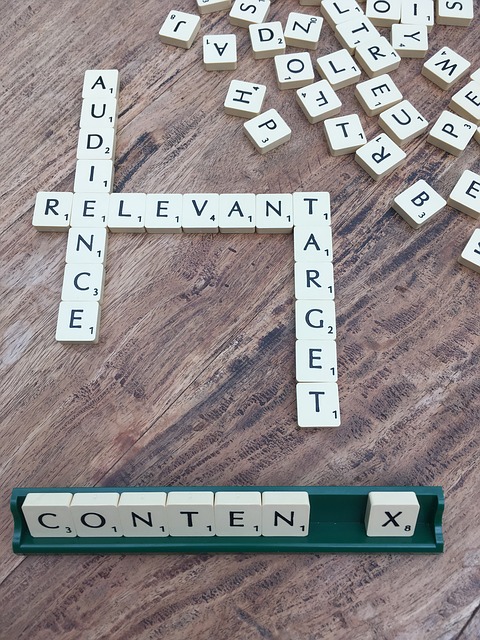
  • Any marketing you do needs to speak directly to that audience you have defined. This does sound pretty obvious, but so many people think that their products are universally appealing so are targeting everybody. It’s nice to think that is possible, but it is seldom true and that mind-set can get in the way of talking to the right people.
  • The next thing to do is to put yourself in the shoes of your target audience. It is most likely that they won’t know much about your brand, products or services as well as you do, so by seeing what you offer through different eyes, you can look for potential weaknesses or misunderstanding. Then the right messaging can be crafted.
  • Now you need to identify the best channels that will speak to your target audience. Now, there is not just one answer here, it will all depend on who your target audience are. So, when you did the research into your target market, what do they turn to for information?

    Do they read local magazines or newspapers? If they do, a local ad might do the trick.
    Do they listen to local radio? Could you get an ad on the radio or get in touch with the radio station and ask to be interviewed?
    Do they use social media and if so, what sites do they use? It’s no good putting everything on Twitter and Instagram, if they mainly use Facebook, for example.     

Building a communication/PR strategy  

Once you know who your audience are and where they like to get their information, now you need to get that information out to them. This does mean having some kind of strategy…I don’t mean another long and arduous document that you’ll do and never look at again, but a more pointed plan. So, let’s look at the strategies you could use…

Social Media

This pretty much goes without saying – most target audiences these days are on social media in one form or another. Social Media is a great way to engage people in conversations with your business. You can encourage people to follow your page by creating ‘follow’ buttons on your website that link to your social media pages. If you send out a regular email to your customers, add a follow button on that to get them engaged with your social media pages. You can also use ads on social media to attract followers.

Post content that you know will interest them and they’ll find value in. Ask questions in your posts and remember the 80/20 rule. 80% engagement and building a following and only 20% actually selling a particular product. If you only ever post details of your products and cost, people will lose interest. They like to get to know the person behind the brand, so engage with video content, podcasts, inspirational quotes, funny quotes, ask questions that may be related loosely to your product or service, do a ‘this or that’ – do you prefer coffee or tea for example.

Get into publications they read

If you know that your target audience like reading hard copy material, like magazines, trade publications or newspapers, you could put a small ad in it. You could also contact the publication direct and ask if your business could be featured. If it’s a newspaper, pitch a story idea to a journalist who writes for the newspaper, or ask if you can be interviewed. Alternatively, you could write an article and then submit it with a pitch to the relevant publication. This isn’t easy, but there are a few free courses and articles online about how to pitch to this type of media.

If you know that your audience read certain blogs, contact the blog owner and ask if you could write a guest blog article. Make sure that your SEO is on point with this, and also check the SEO on your website. It needs to be good to appear high in search engines, so take a look at your website and make sure it hits the mark, so it will be seen by your target audience.

Networking events

Join local networking events, as this is a great way to meet your target audience and talk about your business. Even better, if you can get a speaking spot to talk about a particular area of your expertise. You’ll not only be speaking about something that is relevant to your business and your target audience, you’ll also get the chance to mingle with your target audience afterwards. If you get a spot as a speaker, the event will be advertised with your name and subject, so you know that people interested in what you have to say will be in the audience.

Creative Content

OK, so now you know where and how to connect with your audience and how, let’s look at the content you share in more detail. This can be written content, video or podcast. It’s good to try out all the different forms of communication.

Appeal to emotions

People in general, are more easily moved to take action by their emotions than by anything else. Sometimes even good old logic goes out the window when emotions are involved.

For example, some of the big cat food manufacturers advertise on TV. Although the ads do focus on ingredients and how good it is, the product is mainly sold by the cute kitten talking to itself, or running around playing…or just sat there looking cute. There’s one brand of cat food that is described as ‘gourmet’ food. The cat in that ad is a pampered, long haired pedigree that looks a cut above the rest. This kind of advertising, using the right kind of images or video is what helps sell that product.

Solve a problem

If you have done your research on your ideal customer, you will know what problems they have…and how you can solve them. You just need to let them know that you can fulfil their needs and solve their problems. And, whilst it’s important to give the features of your product or service, all your customers really want to know is ‘what is in it for me?’ So, solve a problem they have and you are more than halfway there.

The time factor

Time, or the lack of it, is also a great marketing ploy. If you can communicate that your product or service saves people time, whilst also giving them what they want, for a price they can afford, you’ll be onto a winner. It’s a very busy world and people are constantly looking for ways to save time, so they are happy to listen to anyone who can help them save some of that precious time…and solve a problem for them at the same time!

DON’T push the sales angle

As I said earlier, use the 80/20 rule. I absolutely hate it when I sign up for something online – it might be a freebie, it might be something I pay for and in order to get it, I give my email address. I’ve not got a problem with that, but if I then get bombarded with emails in my inbox, I not only find it irritating, it’s usually about selling the same thing, something better, something bigger. OK, I get it, I’m happy to be asked once or twice, but some people send several emails a day over several weeks. In my mind, that’s just unprofessional and pushy. So I’ll unsubscribe…and might actually miss out on something I would have liked a few weeks down the line. I just can’t stand the hard sell. So it’s definitely about the getting the right balance on pitching products/services and engagement and building a loyal audience.

Ask questions

In order to connect fully with your target audience, you need to really know them. Ask existing customers and potential customers for feedback, so you can gain more information about their needs and wants. This could be via a poll on social media, or a survey to their inbox. There is no better way to get information about your audience than to ask that audience itself. You will gain great insight into what makes them tick and find out what they need, or what problems they might have. Then you can work to provide that need or solve that problem.  

Share and improve your Brand

Talk about your brand values in your content. This will engage people with the same values as you and will help you identify with your audience and to connect with them on a deeper level.  

Stand back and take a good, long look at your brand image. Read your website and social media pages through the eyes of your target audience. Does it speak to them in the way you thought it did? What could you do differently to improve it? Is your brand warm and inviting, or cool and aloof? Does it connect with your target audience? The way people perceive your brand goes a long way to deciding whether or not they will become a paying customer.   

Publish a case study

Whether you provide a product or a service, you will have a case study to share…a happy customer, someone whose life you made easier, or whose problem your product or service solved for them. What better way to advertise your business, than to interview a happy customer and ask them how your business helped them and why it is so good. This makes your business more real to your audience. It also gives your target audience the reasons why buying from you is such a great idea.

In today’s fast-paced world, it’s crucial to have a connection or a two-way conversation between your business and your target audience. It’s also really important to realise that, just because you have identified your target audience and identified how to get to them, that your job is done. Far from it I’m afraid. Every post you make, every campaign you run will show you how to do a better job next time around. And if you continue to ask for feedback and are willing to take criticism and ideas on board, tweaking what you do, you will get more and more effective results.

If you need help in identifying your target audience, there is a workbook on my online shop which takes you through the process step-by-step. Alternatively, you can contact me for a chat as I also offer coaching in this area.

Get a better brand identity

We all want our businesses to stand out from the crowd. Although it takes some time and effort, it’s worth it to have a unique identity that is instantly recognisable. Your brand identity is what tells everyone who you are and what you do, as well as what they can expect when they interact with your business. It’s what helps you gain loyalty from your customers, get referrals, and build that all-important trust.

There are several things that help make up your brand identity – it’s not just about your logo, slogan, and design scheme, but also about the experience your customers get at every touch point with you.

Mission and vision for your business

The first thing to do is to think about a mission statement for your business, which is a short sentence about what your purpose is. We all know Nike’s tagline, ‘Just Do It’ but did you know that their mission statement is ‘To bring inspiration and innovation to every athlete in the world.’ So, their mission statement encapsulates everything that the company is about and wants to achieve in one short sentence. This is no mean feat, but achievable for your business with a bit of thought. You could always get a few friends round and have a ‘get my mission statement’ party…but make sure you work on the statement before you start drinking…or you could have some very interesting stuff!

It can be easier if you think of your brand as a person – what does it like or do? How does it help people? What do you want customers to remember about your business? It’s important to be consistent across everything you do and give the same high-quality service and friendly attitude to every customer, so they all have the same or similar experience. This is especially important if you’re dealing with a complaint – be consistent; apologise; find out what went wrong and why and then try and put it right, keeping the customer informed. By doing this you can often turn a complaint around into something positive and turn the complainant into a loyal future customer. I think that the main thing to remember is to always consider your branding with every interaction with a customer.

So, now that we’ve looked at the experience you want your branding to give you customer, it’s time to look at the more practical stuff – business name, logo, colours and design – these are important and help shape your brand, but you need to know what the mission statement of your business is first before you begin, as this helps everything else fall into place.

What’s in a name?

The name you choose will depend on what you do. I chose to incorporate my name in my business name. The reason for this is because with a service business like mine, people will often remember my name, but wouldn’t necessarily remember a random name I came up with. If anyone puts my name into a Google Search, they will find pages about all that I do.

You might want to use a name that incorporates what you do. For example, if I made handmade chocolates I might call my business ‘Cindy’s handmade chocolates,’ keeping it simple, or maybe ‘Cindy’s tantalising treats.’ It needs to be catchy and capture the nature of what you do. Take time to think about it as once it’s out there, that is how people will see your business.


Logo – Once you have your name, you could incorporate that into a logo – again to make your business recognisable. As well as an overall logo, you could also have smaller logos for individual product lines.


Brand Colours – The colours you choose are more important than you might think – according to research by web design and marketing company, WebPageFX, people make a subconscious judgement about a product in less than 90 seconds of viewing, and most of these people base that assessment on colour alone. In fact, almost 85% of consumers cite colour as the primary reason they buy a particular product and 80% believe that colour increases brand recognition. Wow! That’s quite powerful.


Tagline – The most important thing with producing a tagline is to be succinct. Your tagline captures what your business does and its values in one, short sentence. For example, Nike use ‘Just do it’ – L’Oréal use ‘..because you’re worth it’ – both very powerful brands with quite simple, catchy taglines that tell you what they want you to remember about them.

To help you produce your tagline, concentrate on the features of your business, how your products make people feel. Make a list of all the good things about your business …do your products enhance someone’s life?…make them feel more beautiful?…provide solutions to your customer’s problems?

Then brainstorm words that describe those things – it might be worth getting a few friends together to help you brainstorm. Once you have a few words, you can think about a tagline.


Fonts – When looking at your brand for the first time, people will notice the colours and the font – the way the brand name is written. There are so many different fonts, so try and choose one or two that enhance your business name…for example if you sell vintage jewellery, look at a vintage font.

Remember that the font you choose needs to be legible, so don’t pick something that is difficult to read. 


Tone of voice – Most big companies go for straight forward language or the ‘plain English’ approach. This helps customers easily understand what you’re saying without having to wrestle with big words, long sentences, or jargon. Keep the language simple and friendly and you can’t go far wrong!

Brand Personality

Brand personality is the overarching name that refers to a set of human characteristics that can be attributed to a brand name. It’s kind of personality traits that your customers can relate to, in that they see something they can identify with that meets some parts of their own personality. 

Finally, a brand personality evokes a positive emotional response from consumers.

So, how does brand personality work?

If consumers identify with certain personality traits of a brand, what are they? The five main types of brand personality are:

  • Excitement – carefree, spirited, playful, modern, trendy, and youthful.
  • Sincerity – Kindness, thoughtfulness and an orientation towards family values, environmental sustainability, or care for workers or communities
  • Ruggedness – Rough, tough, outdoorsy, unfussy, and athletic
  • Competence – Successful, accomplished, and influential, which is highlighted by leadership.
  • Sophistication – Elegant, prestigious, exclusive, luxurious, and sometimes even pretentious

Even though we are very much in an online age, where automation and AI (artificial intelligence) is growing, people still want to have that personal interaction or direct customer service. And research has shown that customers are more likely to buy from a brand with a similar personality to their own.

Your business’s brand personality should shine out of your posts and in everything you do. It can also influence the type of imagery you use and the way you word posts or share your marketing. It’s definitely food for thought.

Examples

Let’s take a couple I used earlier – L’Oréal tells us ‘You’re worth it.’ Their brand is about empowering women of all ages and backgrounds to believe in themselves.  They believe in the quality, efficacy, and safety of their products, and are world leaders in beauty, hair, skin, and perfume. They now target both men and women, but the tagline most remember is ‘because you’re worth it’.

Nike, on the other hand, with its ‘just do it’ tagline, targets sports people driven to achieve their goals. It’s an energetic and modern brand.

A business’s brand should appeal to its target audience and strive to have brand attributes that attract that particular audience.

This has been a very simple way to look at your brand identity and there is a lot more to it, but these are the basics that should help you on your way.

If you need any help, please feel free to contact me.

Ace your ‘About me’ page!

Do you have a website or blog? If you do, you’re likely to have an ‘About me’ page. If you sell products or services, it’s an important page as it is likely to be your most popular page.

Why?

It’s where new visitors to your site go first to find out about you and what you can offer – what you can do for them. So, it needs to be relevant and grab their attention.

Click on your page now with the eyes of someone looking at your site for the first time…does it immediately ‘grab’ you and make you want to read more? If it does…fabulous! 

If it doesn’t, read on…

About me page essentials 

The purpose of this page is so people can get to know you, but it’s not good enough to just throw together a quick biography, upload a blurry photo from your phone and hope that works.

Let’s face it, not many people out there like writing about themselves, it’s an uncomfortable experience. But if you have a formula to work from, with a structure that works, you can capture the absolute essence of what you do. You can give your readers the opportunity to get to know you, trust you and see exactly what you can offer them.

man-1718099_640 (1)

I’m going to share that formula with you, so you can ace your ‘about me’ page and stand out from the crowd.

  1. WHAT VALUE DO PEOPLE GET BY READING YOUR PAGE?

    The most important part of your page is letting your readers know what value your business gives them. After all, they’ve come to your page because they’re interested in your products or services. They didn’t come to your page to find out how many pets you have or what hobbies you do (although that has its place…just not the first thing you share!)
    Make it very clear who your blog is aimed at (your target audience) and how you can help them.

  2. WHO IS YOUR SITE AIMED AT?

    This is where you really need to know your customers and your ideal customers. If you are writing for your customers, they will instantly relate to you and your business – they will recognise that this content is for them, about them and will help them. They will then read on.

  3. WHAT IS THE PURPOSE OF YOUR SITE?

    banner-1090830_640
    Or in other words, your site’s biography. You’ve already got your reader’s attention, they know how your site is going to benefit them. Now give them a bit more information – your personal biography comes later!
    >Include information on why readers should care about what you have to say. There are so many websites out there who offer you help for your business, when really, they’re after you paying them shed loads of money for something that probably won’t help them. Show your readers that you mean business, you are genuine. Do you have any recommendations from current customers that say exactly how you’ve helped them? Include one here. This will help you build credibility for what you do.
    >What will your readers get from your posts? Is it financial advice/beauty advice/business advice – you get the picture? It’s about telling them what they can expect from your posts.
    >What do you write about? Keep this short and sweet and to the point and don’t waffle.
    >Is your blog reliable, credible and believable? You need to know your niche very well and be able to answer any questions people may have…and if you can’t, you find out and get back to them. If you’ve written for big well-known sites you can add this here. You can also say how long you’ve been writing for or where you got your experience in your subject. If you’re still learning, you can also say that and say that you will share things as you learn about them. This is where you tell the story of your blog or website – how did your site get started? What inspired you to write your blog? Where did your passion for your subject come from? This is a good sized paragraph, but try and keep it concise and don’t waffle!

  4. YOUR PERSONAL BIOGRAPHY

    Now it’s time to talk about yourself. BUT, keep it relevant to your blog or business. How did you get where you are today? How does your business fit into your life? What inspires you to keep going? Why do you love your business so much?
    Of course, it’s important that you come across as a real person, with a life outside of work, so it’s also OK to include some personal things…if you have a passion for your pets, you run marathons, you love the cinema and films etc. You can connect with your audience on a human level by sharing a few titbits of information about yourself, such as the town and country you live in…anything that shouts ‘YOU’. But just don’t fill the whole page with it!

  5. CALL TO ACTION

    This is the bit most people forget about…a call to action or CTA. It is what it says on the tin – you are telling your readers what to do next…what action they need to take. You might ask them to follow you on Facebook, Twitter, Instagram or other social media sites. You could ask them to subscribe to your newsletter.

    smartphone-1701096_640The CTA is really important as it’s your opportunity to get your reader to stay in touch with you, stick around, and come back to your site again. So you need to give them a reason to do this. Asking them to subscribe to something ensures that you can keep in touch with them. If you send out a newsletter, this is a great way to let them know about your business on a regular basis, tell them about new blogs, new products or services, special offers etc. etc. But please don’t do what a lot of people do and bug your readers with emails two or three times a day. When I subscribe to a website, I’ll soon unsubscribe if they bombard my inbox with the same email over and over again. I don’t mind having an email trying to sell me a course that is relevant to me, of course I don’t, but to have the same course being pushed day after day, with just slightly different wording, really irritates me. Maybe an email once a week for the first few weeks, then I’m happy with once a month. I find that if I get something once a month, I’m more likely to read it and click on any links. If someone bombards me every day, they become wallpaper and I end up just deleting them without even reading them.

    Your CTA can be put anywhere in your blog/website ‘about me’ page. It’s obviously good to put it at the end, but you could also put a CTA at the beginning or halfway through if you have something that could help your reader. For example, if you’re talking about what you can offer and you have an information sheet, clothes pattern, beauty tips pdf, you could put a box with ‘CLICK HERE’ to receive XXX or ‘SIGN UP TO RECEIVE YOUR XXXX’.

  6. A HIGH RESOLUTION PHOTO OF YOURSELF

    There aren’t many of us who actually enjoy having our photos taken, but it’s very important that your readers know who you are, what you look like – they can then more easily relate to you…so make sure you are smiling!

HOW YOU CAN BE CONTACTED


You don’t necessarily have to add this to the page, but make sure you have your contact details in a prominent place on the page – telephone number and email address. Alternatively, add a link in your CTA, to your contact page.

FINALLY, re-visit your ‘about me’ page every now and again and update it – give it a bit more pizazz!

I’m off to have another look at mine now!

Build a positive brand identity

Build a positive brand identity (2)We all want our businesses to stand out from the crowd. Although it takes some time and effort, it’s worth it to have a unique identity that is instantly recognisable. Here are a few ideas that can help you along your way to having your own brand identity.

You may not think it important for a small business to have a brand, but having a brand is one of your greatest assets. Lots of big companies try to look like small businesses in order to appeal to customers who prefer to support smaller, independent brands. Your brand isn’t just about your logo, slogan and design scheme, but also about the experience your customers get at every touch point with you.

Stuart Miles (6)The first thing to do is to think about a mission statement for your business, which is a short sentence about what your purpose is. We all know Nike’s tagline, ‘Just Do It’ but did you know that their mission statement is ‘To bring inspiration and innovation to every athlete in the world’. So their mission statement encapsulates everything that the company is about and wants to achieve in one short sentence. This is no mean feat, but achievable for your business with a bit of thought. You could always get a few friends round and have a ‘get my mission statement’ party…but make sure you work on the statement before you start drinking…or you could have some very interesting stuff!

It can be easier to think of your brand as a person – what does it like or do? How does it help people? What do you want customers to remember about your business? It’s important to be consistent across everything you do and give the same high quality service and friendly attitude to every customer, so they all have the same or similar experience. This is especially important if you’re dealing with a complaint – be consistent; apologise; find out what went wrong and why and then try and put it right, keeping the customer informed. By doing this you can often turn a complaint around into something positive and turn the complainant into a loyal future customer. I think that the main thing to remember is to always consider your branding with every interaction with a customer.

So, now that we’ve looked at the experience you want your branding to give you customer, it’s time to look at the more practical stuff – business name, logo, colours and design – these are important and help shape your brand, but you need to know what the mission statement of your business is first before you begin, as this helps everything else fall into place.

Choose a business name – what name you choose will depend on what you do. I chose to use my name, coupled with what I do ‘Cindy Mobey Freelance Writer’ – does what it says on the tin. But you might want something that is catchy and captures the nature of your business. Think long and hard as once it’s out there, that is how people will see your business.
Logo – Once you have your name, you could incorporate that into a logo – again to make your business recognisable. As well as an overall logo, you could also have smaller logos for individual product lines.
KeeratiBrand Colours – The colours you choose are more important than you might think – according to research by web design and marketing company, WebPageFX, people make a subconscious judgement about a product in less than 90 seconds of viewing, and a majority of these people base that assessment on colour alone. In fact almost 85% of consumers cite colour as the primary reason they buy a particular product and 80% believe that colour increases brand recognition. Wow! That’s quite powerful.
Tagline – The most important thing with producing a tagline is to be succinct. Your tagline captures what your business does and its values in one, very short sentence. For example, Nike use ‘Just do it’ – L’Oréal use ‘..because you’re worth it’ – both very powerful brands with very simple, catchy taglines that tell you what they want you to remember about them. In order to help you come up with your tagline, concentrate on the features of your business, how your products make people feel. Make a list of all the good things about your business …do your products enhance someone’s life?…make them feel more beautiful?…provide solutions to your customer’s problems? Then brainstorm words that describe those things – it might be worth getting a few friends together to help you brainstorm. Once you have a few words, you can come up with a tagline.
boulemonademoonFonts – When looking at your brand for the first time, people will notice the colours and also the font – the way the brand name is written. There are so many different fonts, so try and choose one or two that enhance your business name…for example if you sell vintage jewellery, look at a vintage font.
Tone of voice – Most big companies go for straight forward language or the ‘plain English’ approach. This helps customers easily understand what you’re saying without having to wrestle with big words, long sentences or jargon. Keep the language simple and friendly and you can’t go far wrong!

I hope this has helped you think about what you might like your brand identity to be – let me know if you have any other ideas, or if you need help to set the brand identity for your business.

Images courtesy of 1 & 2) Stuart Miles, 3) Keerati 4) boulemonademoon at FreeDigitalPhotos.net