How can I be more consistent?

I’m always seeing quotes or posts telling people in business to be consistent:

“To be successful, you have to be consistent” Unknown

“Consistency is the key. If you can’t be consistent, then you can’t be anything” Tony Gaskins

“If you want to be successful, you need consistency and if you don’t have it, you’ve got no chance.” Paul Merson

That’s great then, just be consistent and you’ll be a success, you’ll be able to do anything you like, and you’ll have a chance! But what does it mean to be consistent? How can you be consistent?

This week’s blog post takes this fabulous ‘buzz word’ that we see everywhere – and finds out about it in a bit more detail…

What is consistency?

The Cambridge Dictionary defines consistency as ‘the quality of always behaving or performing in a similar way, or of always happening in a similar way.’

That sounds straight forward, right? But to be consistent in business takes time and effort. To be consistent you must constantly replicate positive behaviour or performance every day, until it becomes second nature – until it becomes a habit.

How to be consistent?

Being consistent in business isn’t just about posting every day on social media, it’s the whole performance of your business. It’s about being organised and working on things that work best for you and your business.

Here are some ideas to get you started:

Use a planner

  • Use an online planner, a diary, or a notebook to plan your day. Write down the times of meetings
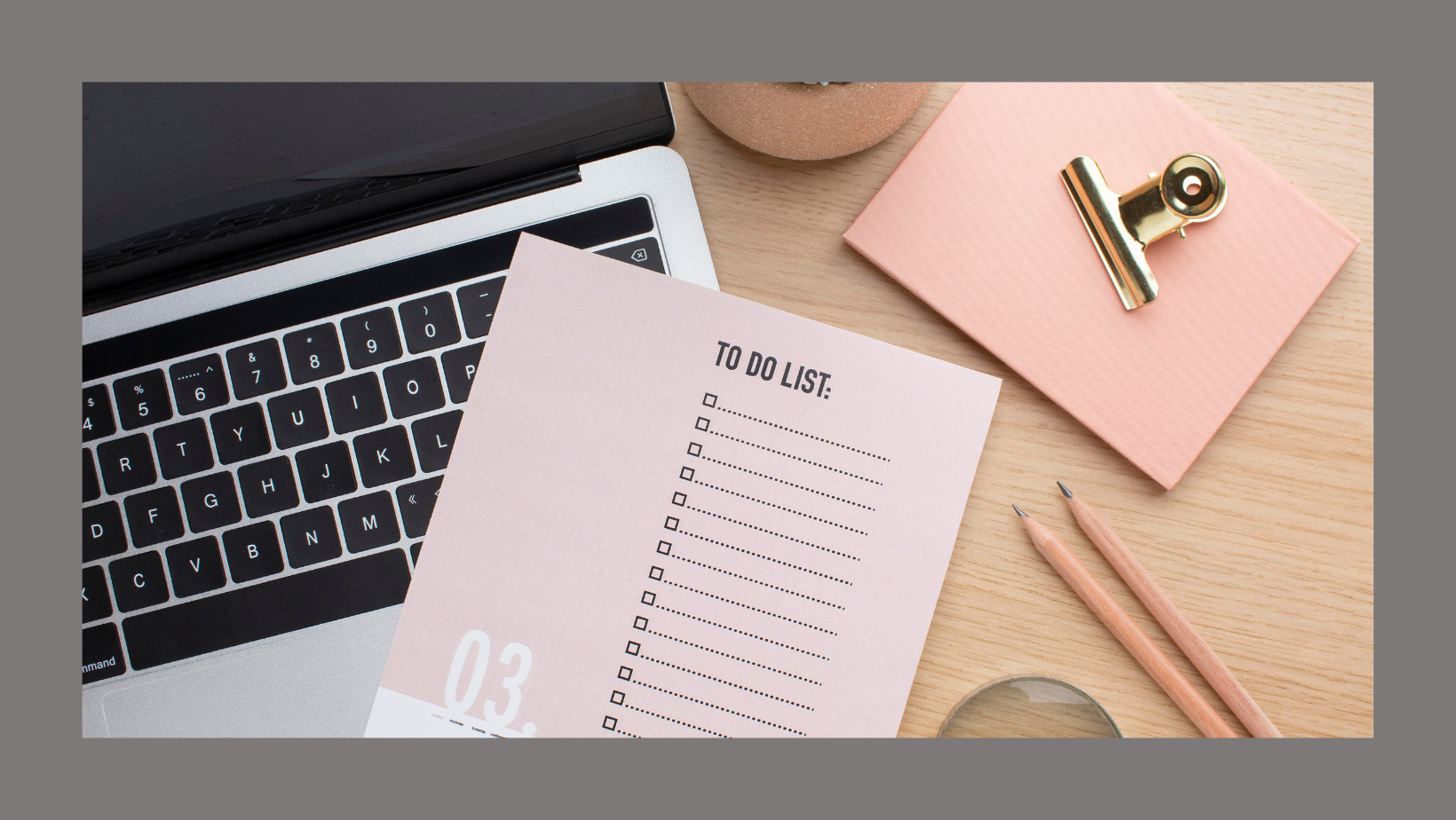
  • Keep a to-do list – things you MUST do today, and things that it would be good to do today. Work through them one task at a time. Multi-tasking can be distracting and time consuming, and very often, none of the tasks get completed.
  • Jot down any ideas that spring to mind during the day
  • Include time to eat and time to do something for you – it might be a short walk at lunchtime, or yoga or meditation time before you start work. Whatever you choose factor this into your day.
  • At the end of the day, write down the most important tasks that you must complete the following day. Put them in order of importance/urgency, so when you work through your list, you are doing the most important task first.
  • I have gotten into the habit of planning my content (roughly) a month in advance. I then know what blogs I will write and what posts I will want to do to compliment the blog.

Have a schedule

When you work for someone else, your day has structure, and you work to a schedule. If you get into the habit of doing this when you work from home, you will get more done and be more consistent.

Have a set time to work and a set time to have lunch or rest. And always try to have a cut off time, so you’re not working stupid hours into the evening or at weekends.

Many of us want to work from home for ourselves so that we get more work/life balance. Often you will find you have less of this, and more stress, so it’s important to keep to a routine that works for you.

Ensure your goals are SMART

When you are setting goals for your business, make sure that they are SMART.

SPECIFIC – MEASURABLE – ACHIEVEABLE – RELEVANT – TIMELY

You can find out more about this in one of my previous blogs – click here.

Focus on one thing at a time

I’ve mentioned this briefly already but try to focus on one task or goal at a time. Don’t make things harder for yourself by trying to do too much at once. If the goal you’re working on is too much or too overwhelming, cut it down into smaller, more manageable chunks and work on those, one at a time.

Get rid of distractions

When you’re trying to concentrate on one task, particularly if the task is really needed but a bit dull, it’s easy to be distracted. If you recognise that you are easily distracted, try to remove those distractions.

For me, email and social media are my biggest distractions. If I can see that someone has messaged me or that I’ve received an email, I can’t resist ‘just’ looking at it to make sure it’s not important. So, when I’m writing or working on something that needs a lot of concentration, I switch off my emails on my desktop (which is where I work) and put my phone/iPad on silent and put it away from where I’m working so I can’t see it…or I just switch them off. I also unplug my landline as I get too many cold calls and find them so irritating, they become a distraction.

Now I can concentrate as I won’t hear the ‘ping’ of a new message, nor will I see one.

Personally, I like silence when I’m writing or doing something that needs me to really concentrate, but when I’m doing the more regular stuff that I’m used to, or something that is almost second nature, I like to have music in the background. You may be different and may need noise to concentrate. Just do whatever works best for you.

Be comfortable

You might think that this is strange one if we’re talking about consistency, but if you’re hungry, thirsty, or uncomfortable, you won’t be able to concentrate on your work.

  • Choose a comfortable, light space to work in.
  • Eat at regular times so you’re not hungry.
  • Have a bottle of water handy, or your favourite drink, so you can just reach for it if you need it.

Automate when you can

I’m talking mainly about social media here…and for me, blog writing. I tend to batch create my posts (and those of my clients), for the following week. I usually do this towards the end of the week. It takes me a couple of hours to plan the following week’s messages and posts, decide what I’m going to post on what platform and what day, then create the posts.

Then I spend some time scheduling the posts, so I don’t have to worry too much about them during the week. I only schedule one a day, but sometimes I think of something else during the day and I’ll post that manually.

I do the same for blog writing – I tend to write a couple at a time, and I always have one in reserve in case something happens, and I need to post something quickly or change the blog post I’d planned.

Celebrate every win!

No matter how big or how small, celebrate those wins. Celebrating your achievements will make you feel good about yourself and your business and give you a well-earned boost. And shout about it – share those wins with your followers. Happiness and enthusiasm are contagious and you’re sure to brighten up someone’s day – as well as your own.

Along with this comes….

Forgive your failures

We’re all human and none of us is perfect. Being consistent isn’t easy and does require time and effort. If you fall off the wagon from time to time, don’t fret about it. You will get tired, you will sometimes feel like you can’t be bothered, but that’s OK. It’s normal to feel like this.

However, what WILL keep you consistent is recognising this, taking a deep breath, and getting back on track as quickly as possible. Forgive yourself and move on!

Conclusion

These are just some ideas to help you become more consistent and stay that way. Consistency breeds trust: people recognise that you are dependable and to some extent, predictable (in a good way!)

Above all, look after yourself. Make sure you eat and drink regularly – and take a break to get some fresh air every day.

If you need help with any aspect I’ve talked about in this post, feel free to message or email me. I offer a free 30-minute consultation.

Features vs Benefits of your products/services explained

When you think about marketing your product or service, most people think about marketing the features, as opposed to the benefits. But it’s the features that sell whatever you have for sale. This week’s blog post looks at features versus benefits, why both are important and how to market these things separately.

One of them looks at what your product or service does and includes everything that you’ve worked hard to develop and bring to market. The other looks at HOW your product or service will improve your audiences’ lives.

What is a feature?

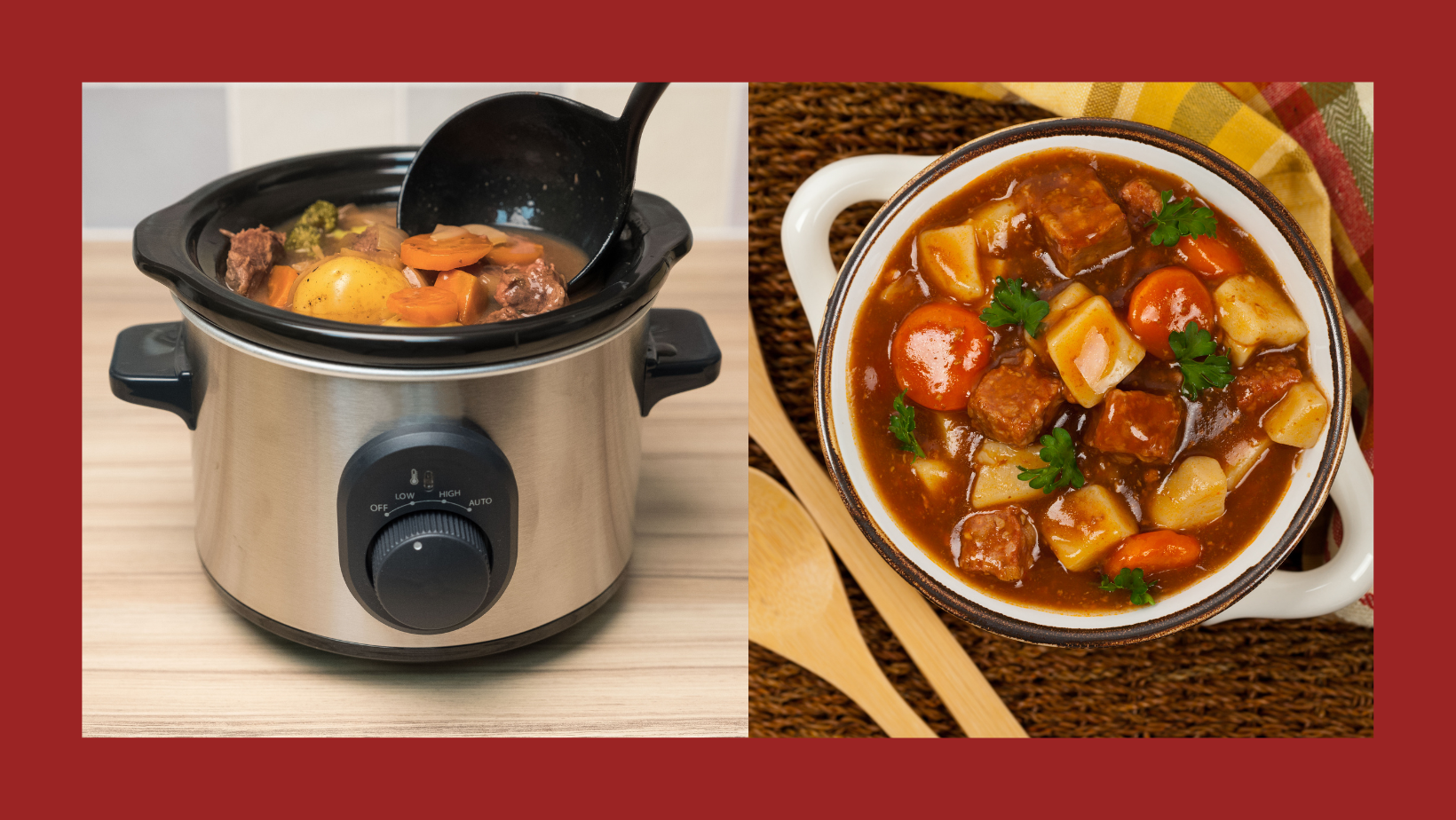
Let’s look at a very simple example…a slow cooker. So, you’ve decided you want to buy a slow cooker. The first thing you’ll look at is the features – this is the description that you will find about the product. For a slow cooker, this could be:

  • A choice of sizes and capacity to suit your family
  • Glass bowl or ceramic bowl
  • Oval or circular shape bowl? This will depend on what you want to cook in it.
  • Digital settings with a timer
  • What are the settings – usually low, medium, and high, but some only have low or high.
  • Easy to clean
  • Sturdy handle 
  • Versatile – can cook a huge range of foods

All these things describe what your slow cooker can do, what it looks like and how it works.

What is a benefit?

Again, let’s look at the slow cooker as an example. The benefits are the outcomes that slow cooker users will experience.

  • It saves you money
  • It saves time in the kitchen
  • Less preparation time – you can get it ready and leave it to do its thing
  • If you set it in the morning, you have a hot meal to come home to in the evening
  • Less clearing up, you only have one pot to wash, not several
  • Less chance of burning food
  • A slow cooker gives off less heat than a conventional oven, so not so hot in the kitchen
  • As food cooks slowly, meat falls off the bone and the food has more time to infuse with herbs and spices, so can be tastier
  • Ideal for the busy person who doesn’t have time to spend hours preparing and cooking in the evening
  • If there are several of you in your household, you don’t have to all eat at once – you can leave it on low and people can eat when they want to
  • It’s not just for soups and stews – you can cook a variety of dishes – even bake bread or make jacket potatoes, cook cakes, and even rice pudding!

Marketing your features and benefits

When you set out the features and benefits of a product or service, as I did with the slow cooker, it seems obvious, but it can take ages to think about this when you have your own product or service you want to sell.

Marketing is hard; just because you know why your product or service will make your ideal customer’s life better, doesn’t mean that they will. You need to carefully examine what your features are and what your benefits are.

Let’s face it, when we’re trawling the internet looking for that special something we want to buy, we don’t care about the business, how long it took to make or produce; we don’t necessarily think about the person behind the business who must make the trip to the post office to post the item. All consumers really care about is what’s in it for them? Why should they buy your product or service compared to others on the market?

When you are pulling together your marketing strategy for your business, its products, or services, you need to keep in mind ‘what’s in it for your customer?’ This should be the question you continually ask yourself.

Try using a feature/benefit matrix

A feature/benefit matrix is a great way to address these things and make you think seriously about each of the features your product or service has – then produce three things that are benefits of that feature.

Once you have these set up, you can think about the messaging you will use to illustrate those features and benefits to your target audience. And what call to action you will use to help you get your message across.

FeatureBenefit 1Benefit 2Benefit 3MessageCall to action
Feature 1       
Feature 2       
Feature 3       
Feature 4       

Below is a couple of examples using this matrix for our slow cooker.

Feature  Benefit 1Benefit 2Benefit 3MessageCall to action
Digital timerYou and your family can eat when they want toYour meal will be ready when you get home from workSaves time on preparation and cleaning upGreat for busy households. You never have to worry about making sure all your family are home at the same time ‘or their meal will be cold or burnt’Buy now – check out our different slow cookers
Easy to cleanFood doesn’t burnDishwasher safeDigital touchpad easier to clean than knobsSaves you time and effort. Just one pot to clean, not loads of washing up.Buy now – link to website
VersatileCook soups and stewsBake cakes and dessertsBake breadAll in one option. It’s not just for soups and stews. You can make cakes and desserts, perfect for entertaining.Download your eBook with over 100 recipe ideas

You get the idea! There are lots of phrases I’ve heard that illustrate that from a selling perspective, it’s best to focus on benefits:

  • Features tell and benefits sell
  • Sell the sizzle, not the steak

This really tells you it all. Whilst the features tell people about the product or service itself, the benefits are what people are really interested in – the ‘what’s in it for me’ part.

Whilst the steak is important, it’s the sizzle that will sell – what it smells like, tastes like – evoking that emotion in the buyer to entice them to buy. It’s the description of what it’s like to eat the steak that will sell it – not just the picture of a steak on a plate.

Conclusion

I hope this has helped you to distinguish between the features and benefits of your products/services. Now it’s your turn! Take one of your products or services and think about the features – then make a list of the benefits that feature brings to your ideal audience – and use that in your marketing to sell your item.

If you need help with your marketing strategy, and how to best sell your products or services, using the feature/benefit matrix, or just don’t know where to start with your messaging, give me a shout. I can help you see things clearer, so you can focus on your target audiences’ what’s in it for me question.

Email me at cindymobey@outlook.com

How to spark a conversation with your customers

Whether you’re new to your business, or have been going for a while, it can be difficult to know how to spark a conversation with your customers…and conversation is the skill you need for networking and building relationships.

Conversations you have with customers will be slightly different from those you have with your family and friends but are vital to build valuable relationships and build that all-important rapport.

Starting a conversation

This is sometimes the hardest part. But a good way to start is to ask for information. It’s the most effective and natural way to start building that rapport. Ask them about themselves or ask about their business.

  • Do they have a family? If they have their own business, how do they work that around their family?
  • How did they get started?
  • What made them choose their particular business?
  • What is their ‘why’ – why do they do what they do?
  • How are they hoping their business will evolve in the future?
  • What problems do they encounter in their line of work?
  • What inspires them?

These are just a few things you could ask, but you get the picture!

Introduce yourself

Probably the most obvious way to start a conversation is to introduce yourself. But be brief! No one wants to hear someone rambling on about themselves. Tell them a little bit about yourself and what you do, then you can go on to the other conversation starters I mentioned above.

Pay them a compliment

The most important thing about this one is to be genuine – if you can’t think of anything, don’t use this one as it is easy to see through someone who isn’t genuine!

If you love something that they do, or something they’ve made, or have seen a social media post that you particularly like – tell them. And say why you love it.

Comment on something you have in common

This could be anything, from something that’s happening in the world that they’ve commented about, the weather, an event that’s happening, or a situation that you’ve both experienced. Usually, you can pick up on something like this from social media posts.

Offer help

Sometimes conversations can be started because you find yourself in a position to be able to help someone. Offering your assistance can help you earn trust and show you as a likeable person, especially if the concern or help you offer is genuine. As in everything when meeting and talking to new people, the key word here is ‘genuine.’ Don’t offer to help if it will be difficult for you to manage or you don’t really have the time, as this can cause more damage than good.

Ask for help yourself

Asking someone for their advice or help is a highly effective conversation starter. It works well because it makes the other person feel like they’re being helpful and useful. You could always offer them help in return, which will really help build a relationship. We often find we do this without thinking, it’s a natural human behaviour to ask for advice or help.

Talk about a shared experience  

Shared experiences are great to talk about. It might be that you are a crafter or artist and have attended the same market or gallery to show your products. It could be that you attended the same conference, or even went to see the same concert. It doesn’t have to be work-related.

This kind of conversation is great, as you’ve both done the same thing, so conversation flows more easily.

Ask for an opinion

I see people doing this a lot in social media networking groups. You may have a new product or service and would like an opinion on it. It’s a great way to start conversations. People naturally like to help, so if you post your question on social media, you will get plenty of answers…some of those you will be able to message to find out more about what they think.

Show genuine interest

Primarily, and I know I’ve said this several times, be genuinely interested in what people have to say. Actively listen to them, which is focusing completely on the person you’re talking to. Repeat back what they say, so you confirm your understanding.

If you’re talking to someone face to face, for example at a networking event, respect their personal space and don’t get too close. Make eye contact, and smile! But be aware that not everyone likes eye contact, so it could make them uncomfortable. If it’s obvious that they are not interested in talking to you, move on and don’t get offended – you can’t please everyone!

Conclusion

I’m sure that you can come up with loads of ways to strike up a conversation with customers or new contacts…if you have any other suggestions, please put them in the comments. I’d love to hear from you.

Top tips for effective communication with your customers

Communication is key to nurturing and keeping long-lasting relationships with your customers.

For your communication to really work well, you need to know everything about your products or services better than anyone else. Skills such as patience and active listening can make a huge difference, as well as having a very attentive mindset. It’s important to ensure that you respond to all messages, comments on social media, phone calls, live chat, and emails promptly, as a delayed response could make them turn to your competitors.

Why is communication important?

In today’s online world, with so much competition for every single business out there, no matter how big or small, the way you communicate with your customers can make or break your brand.

There are lots of ways you can communicate with your customers, and factors such as 24/7 availability and multiple channels that they can contact you on, are important for customer satisfaction.

You need to be able to help them in real time, give them any updates to your business or products/services, market new products to them and keep them happy.

The four most popular ways to communicate are:

By phone – this is the best way to resolve any issues with your customers that can’t be solve in other ways. Sometimes, when you try to email or message an unhappy customer, the feeling behind your message gets lost and it can come over as abrupt. So, phone is better as nothing is more reassuring than to hear a real human voice, who is calm and can explain any issues. Customers will like that you’ve taken the time to speak to them – it helps to make them feel like they are valued.

By email – This is good for giving information, for example, newsletters. Email is cost-effective and you have an email thread to keep track of the conversation. I speak to my clients by phone once a month to talk about how things are going – and always follow up with email to confirm our conversation and anything we’ve agreed.

Live Chat – you can put live chat on your website, but for me most live chat comes via messenger, where I can talk to my clients in real time. Sometimes, when doing this, it becomes obvious that you need to have a chat by phone, and other times you will find that you can confirm a date or delivery etc this way.

Social Media – social media is great for sharing regular updates with your customers, talking about new products or services, educating them about something you do or your business, and entertaining or inspiring them with quotes or funny stories/memes. Social media is also brilliant for engaging with your customers in a way you can’t do via other communication channels.

Tips to improve communication with your customers

Here are a few tips to help improve the experience your customers have with your business.

The right message

Conveying the right messages or information is crucial for any business. It is your responsibility to ensure that any information about your business, be it around shipping, info on a particular product and its use, turnaround times, pricing etc needs to be accurate, so that you can set realistic expectations from the start.

If you have a website, shop, and social media channels, make sure that the information you give is consistent across the board, as this leads to a positive customer experience with your brand and business. Any information that differs can cause confusion and ultimately, could lose you customers.

Be proactive in your communication

Inevitably, there will be times when a customer is not happy with the service you offer. They might hassle you to get their problem solved and might keep hassling you if it’s taking longer than they expected.

The best way to solve this, and to avoid it, is to be proactive with your communication. Let them know how things are going every step of the way.

Let me give you an example. I used to work for a global insurance company, and at one time was in their call centre. I worked solely on complaints, which could be quite difficult at times. I found the best way to make the customer experience a good one – even though I was dealing with a complaint – was to be transparent, open, and honest, and above all, keep them informed. When a complaint was first made, I always apologised and said that I would investigate it and get back to them. Now, people hear this all the time and often don’t get a call back – this is where I made a difference. I gave them a time and date that I would ring them back…and I made sure I rang them, even if I didn’t yet have an answer. I’d ring and tell them that I didn’t yet know the answer but was hoping to find out by ‘whatever date.’ I’d then agree another date and time when I would ring them to update or give them an answer. Nine times out of ten, customers were happy with this because I’d still taken the time to ring them in person.

This is what I mean by managing a customer’s expectations. That call makes all the difference. The customer knows that you care and that you are doing your best to sort things out for them. They also know that you will keep your promise to ring and update them.

Active listening    

Active listening is about paying attention to what your customers are saying to you. Listen to everything they have to say and repeat back to them anything that is important to remember or know. This proves that you are listening and ensures that you have understood correctly.

Keep a pen and paper handy in case you have to make notes and don’t interrupt them. Don’t be afraid to ask them to repeat something or clarify something, so you fully understand. You don’t want to miss any vital information or details that are important to them.

Whilst you are speaking to your customer, get rid of any other distractions – turn off anything that is likely to interrupt you. If you are speaking on a landline, switch off your mobile, and if you are on your mobile, switch off your landline or put it on answer phone. If possible, take the call in another room. Don’t have any background noise on such as music or TV.

Earlier I said to avoid interrupting your customer. However, there are times when you may have to – for example, if the line is bad and you can’t hear them properly, or you may have to ask them to repeat something if there is a language barrier.

Know your product or services  

This sounds obvious, but your customers will ask you all sorts of things about your products or services, and you need to be prepared.

Know everything inside-out, so you can answer questions with confidence. If there is something you’re not sure about, or something you’d not thought about, be honest and say that you don’t have enough information about it but will find out and get back to them…and make sure you get back to them in a timely manner! Don’t forget!

Try to avoid words such as “I think’’, “it might be, or it could be,” or “maybe it’s xxx.” This doesn’t instil confidence and makes you sound confused or that you don’t know what you’re talking about.

Take your time

It’s normal to feel some frustration when a call is taking a long time, or you are speaking to the twentieth customer that morning. However, for your customer, it is the first time they have spoken to you that day, so they deserve the same polite, helpful treatment that your first customer received.

Take your time to understand queries and give as much information to help solve any queries or complaints.

The call you receive may not be negative – it might be someone phoning to say, ‘thank you,’ or to give a compliment!

Give your customers what they want

All customers are different and have different needs and wants. Whilst one customer will be happy with an email or messenger response, you will have those that prefer to speak to you directly.

If a customer is asking you lots of questions, ask them what they would prefer. Ask questions such as “What is the best way to contact you?” or “Are you happy for me to email or message you, or would you prefer a call?”

In my experience with my business, I get different requests, and some prefer both. I find it easier to explain something complicated over the phone, and then follow up in email. Part of my business is coaching, so that is always face to face via Zoom or video call, but even then, I’ve had someone say they prefer phone and not face to face. So, each customer is different and it’s up to you to find out what they like best and work to that.

Keep a record of what your customers have bought from you before, be it a product or a service, so you have something you can talk about and show them that you remember them. Call them by name, so that it is more personal. And, put yourself in your customers’ shoes and treat them how you’d like to be treated.

Encourage your customer to ask questions

Communication is a two-way process, so encourage your customers to ask you questions. When they ask a question, it gives you the perfect opportunity to, not only answer but to give them information about the various benefits or features of your product/service.

At the end of any conversation, whether by phone, email, or messenger, always ask your customer if they have any questions.

Encouraging questions can lead to more interest in other products or services and could lead to more sales.

Conclusion

Communicating effectively with your customers breeds loyalty. When your customers know that they can contact you easily and that you genuinely care about them, this builds trust. Trust in you and trust in your brand.

Happy customers will refer you to their friends and family and they are the best form of marketing you can have. Communicating them using the channel they prefer helps build that trust and loyalty – in no time at all, you’ll have your own army of marketers, promoting your business for you!

If you need any help with customer communication or would like help with your marketing, please get in touch. I offer a free 30-minute consultation.

Email me at cindymobey@outlook.com or call me 0033 (0) 545 31 13 86.

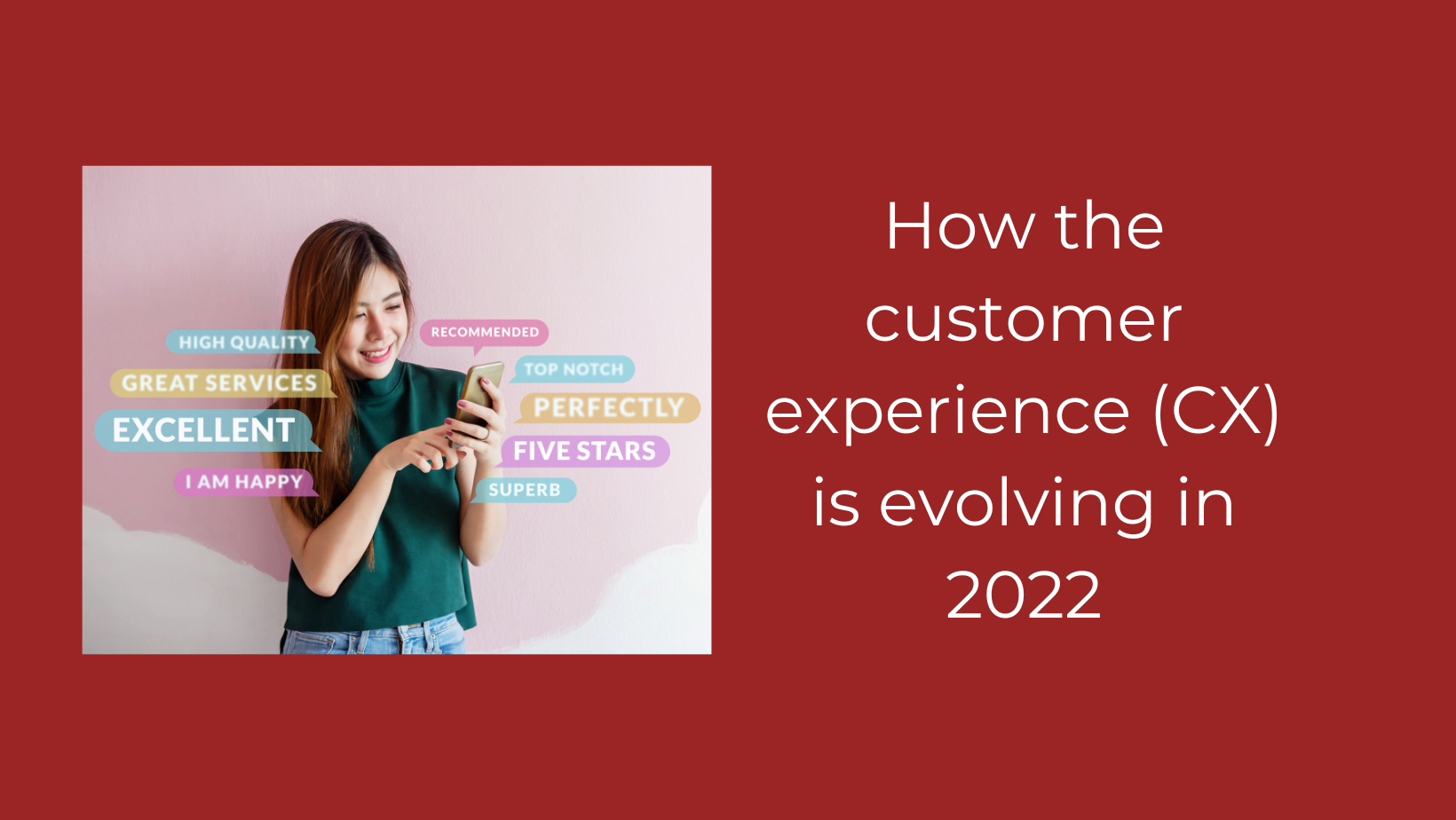
How the customer experience (CX) is evolving in 2022

The customer experience is every interaction that a customer has with your business, from the very first time they find your website, shop, or social media pages, to every time they comment or like what you do, right up to making a purchase or working with you.

It’s something that continually evolves, and since the start of the Covid 19 pandemic, it’s developed faster than every before. During the various lockdowns, we all had to adapt our businesses to cope with being more visible online…and customers have found that they like the services that businesses started to offer during this time and want it to continue.

For the rest of 2022 and into 2023, there are several things you can do to ensure that your business evolves to match those new customer experience trends.

The Digital Experience

These days people use technology more than ever to find what they want – most of us reach for our phones to look at things we want to buy. We can see what the best products are, compare prices and look at reviews to see which is the best to buy. If you’re a small business and not online in several places, you’re missing a trick.

The obvious one is to have a website. I know that many small businesses have online shops, such as Etsy, to sell their products, but at the end of the day, you don’t own that shop. You must pay high fees and the owners of Etsy could shut you down whenever they want.

Whereas, if you have your own website, you own it. No one can take it away from you and you can put so much more information about your business on it – you’re not just restricted to a shop. As well as being able to tell your backstory through your ‘About’ page, you can also set up an email subscription to communicate regularly with your customers and set up a blog to share information with them. It’s more personal.

Your social media accounts are also useful to gain a following and promote your products or services. You can also promote your website, blog, or email subscription, with links to your website.

Consumers expect you to be on these channels and they are the best way to engage and interact with your customers and potential customers.

Be personal

Another positive for the customer experience is personalisation. They like personalised experiences when they engage with a business. And not just greeting them by name in emails etc, or remembering birthdays, they want more than that. They expect to be able to contact businesses on their terms – using email, chat, voice calls, messaging etc. They want their enquiry answered in a timely way and don’t want to waste their time waiting or having to repeat themselves.

Customer expectations

As things have evolved to a more digital world, customer expectations have grown. And if you make any kind of promise to a customer, they will expect it to happen quickly.

How do you find out what their expectations are? Ask them! Put questions on your social media pages to find out what they like and don’t like.

You could send out a link to a survey…and offer a discount in exchange for completing it.

It also helps to look at your competition to see what they’re doing and how they interact with their customers. If you run the same, or a similar business to that of your competitors, your customers will have similar problems.

Identify customers’ pain points

To turn your customers into fans and advocates for your business, you must exceed expectations. Look at the pain points that your customers have and find out how you can address them with what you do.

Some common pain points include shipping, returns, sizing and being able to easily contact you. By looking at these and other pain points, you can exceed expectations and create very happy customers, who will recommend you.

Your customers put positive experiences above everything else, as you can see from some of the latest statistics below.

The Omnichannel experience

Omnichannel simply means lots of different channels – social media, website, email, chat etc.

To maximise this experience for your customers, ensure that you are consistent across all channels – that branding and the way you speak and interact is the same. And that your customer service is excellent and exceeds expectations on all channels.

Data Security and privacy

Another thing that customers are very aware of these days is data security and privacy. There is so much on the news and online about this that most people know they have certain rights.

The emphasis on data security and privacy is only going to increase over the coming months and years. As your customers share more personal data, businesses must adhere to the General Data Protection Regulations, (GDPR) relevant to the country you trade in, as well as the countries you sell to.

You should ensure that you have a privacy policy and clearly you’re your data practices in that policy. You need to ensure that you are clear about your purpose and processes for collecting and storing customer data.

You need to have your customers’ consent to email them – most email subscriptions include an opt-in, where customers willingly give their name and email address, so they are consenting to you sending emails.

Never share your customers’ data with third parties or sell lists of customers email addresses.

You can find out more about GDPR online for your country, but here are a couple of useful links.

GDPR UK

GDPR EU 

Top tips for a great customer experience

Businesses with great customer experiences have higher customer referral rates and higher rates of customer satisfaction. This means you’re more likely to keep those customers’ loyalty and they’re more likely to come back for more. Word of mouth is one of the most powerful marketing tools you can have – your customers do the marketing for you, saving you time and money.

In today’s market, you not only need to compete on price, but you also need to compete on experiences, that is, your customers want to feel emotionally connected to you and your business.

Here are some of my top tips for creating that great customer experience:

  • Every business should have a mission statement and set goals. Make the customer experience part of your mission statement and have specific goals to enhance that experience.
  • Be friendly – whether you are talking to customers face to face, or via video call or phone, SMILE! Believe it or not, you can hear that friendly smile. If you’re face to face, make eye contact. And always use warm, friendly language and tone of voice.
  • Have empathy for your customers. Do your best to understand them and what they want. Make the experience they have with your business, the best!
  • Provide value – by this I don’t mean that your products should be cheaper than everyone else’s. I mean deliver the best value you can, at the right price for your customers. Make sure your prices are easy to find and are visible – people don’t have to go looking – they’ll just log out. Make the sales process as quick, efficient, and easy as you can.
    Make sure that your shop or website is easy to navigate and doesn’t take ages to load – or you will lose customers.
  • Be easy to contact. This speaks for itself. Make sure that your contact details are on every channel you use…be that your phone number, email address or chat box.
  • Be consistent with everything you do and never stop looking for ways to improve. Listen to your customers, take note of any feedback you get and act on it.
  • Finally, show your appreciation for your customers. Sometimes a simple ‘thank you’ is enough, whether that is face to face or via email.

I hope that this article has been helpful – if you have any further suggestions or have any questions, please feel free to comment below. Alternatively, you can email me at cindymobey@outlook.com or contact me via my website.

Take your marketing from mediocre to marvellous

The one thing that most small business owners have in common is the dream about what their business has the potential to grow into. They want it to be a success and know they can do it if they work hard.

However, sometimes it’s hard to focus on what is important and you sometimes lose the focus on the future and how to keep moving forward. How many times do you find yourself wondering if it’s all worthwhile? How often do you feel like just jacking it all in and doing something else?

You know that in this digital age, especially since Covid raised its ugly head and everyone had to find more innovative ways to reach their customers, that having quality content online that engages your audience is crucial. But that really is only half the picture. You also need to ensure your audience is exposed to this content, and that means building a successful content strategy beyond social media posts.

This week’s blog looks at how you can work ON your business, NOT IN your business, and take it from mediocre to marvellous.

Resolve your mediocre marketing

Mediocre is quite a depressing place to be in marketing. Lots of businesses pay more attention to how they look than what they’re saying, or how they’re saying it. I’m not saying everyone does this, of course, but instead of focusing on what makes us unique, we are all guilty at some time or other of saying what people expect us to say or do.

So, what can you do to resolve your mediocre marketing?

All small businesses have lots of balls in the air. Not only do lots of you have a family to look after, but you also have everyday things to keep on top of too. Some of you are running your small business as a side hustle, as well as holding down a full-time job, and you can find yourself being pulled in all directions. This can lead to a mindset of ‘hoping for the best,’ which in turn can lead to you being unproductive – and it’s exhausting!

One of the answers is to work smarter instead of harder. Here are some things to think about:

Have a plan

If you read my blog regularly, you will know what I’m going to say; you need a marketing plan.

At this point, you might just switch off. Is it because you find the thought of having to plan a bit overwhelming? It’s probably the last thing you want to hear…again!

But not having a marketing plan makes your job harder and juggling all the harder to handle.

If you have a marketing plan, you can focus on the things that are necessary. In ‘The Trend Report: Marketing Strategy 2022, reported by CoSchedule, it was found that people who have a plan to market their business are 313% more likely to report success than those who don’t.

And, although it may seem very overwhelming, it really isn’t.

What should a marketing plan contain?

For starters, it doesn’t have to be 100 pages long – that won’t help you at all. It needs to be clear and short, realistic, and repeatable, as well as easy to understand so you can tweak it as you see fit in future months.

It needs to show:

  • Your Vision/Mission statement
  • The four Ps – products, pricing, place (where you’re going to sell what you do), and promotion (how you’re going to sell your products or services).
  • Market analysis – look at your competitors
  • Target market – who you are aiming your products/services at
  • Your goals or objectives
  • Your promotion strategies
  • What budget you have if any
  • How you’re going to measure the success of your plan

If you would like a simple to follow marketing plan, sign up to my email and receive your free ‘Marketing your small business workbook.’ This will help you get on the right track.

Don’t try to do too much

Trying to do too much can also cause you to do less. For example, I know businesses that are on five or six social media channels. It’s good if you have the time to manage them all, but my experience is that you’re likely to lose your motivation and abandon them one by one.

Trying to be seen everywhere is not easy to maintain long term, especially if your business is just you. So, I would always advise to focus on just a couple of social media, or online channels and do them well.

Be consistent, add plenty of value to your customers and have a goal – what you expect to achieve from your social media activity.

One of those online channels doesn’t have to be social media – it could be email marketing. To build a lucrative email list, it’s advised to have a lead magnet that entices people into subscribing to your email. I realise that email isn’t for everyone, but if your business is steadily growing, you engage with your audience regularly online, (and may be finding this is taking up too much of your time), the next option is to create an email subscription, where you can talk directly to your customers every week or month.  


Not everyone is your audience

I know I’ve posted about this recently on my social media pages, but one mistake that lots of small businesses make is to try to sell to everyone. Not everyone is your target audience, and by trying to target everyone, you risk selling to no one.

You need to know your audience, build a couple of buyer personas and tailor everything to them.

Don’t spend too much money

The word ‘budget’ is something guaranteed to send fear into most small businesses hearts. It’s not one of our favourite words, but it is important. Having a budget, no matter how small, can help your business.

There are so many digital marketing apps it is all too easy to keep subscribing to new apps. But while they might be individually cheap, they add up.

Look very carefully at what you spend your money on. Do you spend a lot on app or analytics tools? I do subscribe to Canva, and it’s worth every penny as I use it every day, but I have recently stopped subscribing to a few, as they were just a waste of money.

It is worth spending money on things you will use and will help you make your business more successful.

Here are a few ideas on what you can spend your marketing budget on:

  • A website (some people prefer to spend on things like Etsy or Shopify rather than a website as lots of the marketing can be done for you, but I feel it’s better to have your own website with built-in e-commerce, as you own it yourself
  • A registered domain
  • Training – so you learn more about things associated with your business
  • Paid ads – this needs very careful consideration to get the right kind of ad
  • If you are service based, you might want to invest in scheduling and measurement tools
  • Hire some professional help, such as a marketing coach, someone to help you with your business/marketing/social media strategy, or someone who can build your website, write blog posts, or set up your email marketing.

Don’t forget about your existing customers

Did you know that your existing customers are your biggest sales opportunity? Happy customers are loyal customers and are five times more likely to buy from again, and four times more likely to act as referrals.

Looking after your existing customers is worth the effort as losing customers who are no longer engaged or hear from you, are more costly. It’s harder to find new customers than it is to keep existing ones.

Keep your customers engaged with your business by offering them gifts, or discounts, listen to their feedback and act on it, or maybe think about creating some sort of loyalty programme.

Stay up to date with technology

This is a hard one, but most of what you do as a small business will be routine. There will be some daily tasks that need to be done to keep your business running smoothly. The more effective you become in completing these tasks, the more time you must work more on your business. For example, instead of physically posting on social media every day, batch make your content for the week and schedule it. You then only have to do this once a week.

Keeping up with the latest tools you can use to help you can ultimately save you time and money.

Mix up your marketing activity

Check out your insights on social media to find out what kind of posts work best for you and what doesn’t. Change the type of posts you do, try, and include things like reels and video, as well as short and long posts. Post your blog articles, and remember to use posts that entertain, educate, engage, and inspire your target audience, as well as selling posts.

Take a step back

In this article, I’m not telling you what to do, but what I am trying to encourage is to take a step back and look at the bigger picture. It gives you time to assess what works and what doesn’t work for you.

It’s very easy to fall into the trap of doing the same things, just because that’s the way you’ve always done it, or because that’s what everyone else does. But in business, time is precious and it’s good to remember to:

  • Create a clear marketing plan so you can focus on essential activities
  • Only concentrate on the social media platform that you love and that you enjoy
  • Sell to a targeted audience rather than trying to sell to everyone
  • Make your budget work for you in the most efficient way
  • Make your existing customers your priority. They will be the ones to buy more, give reviews, and are more likely to refer you to their friends and family

This is basically what a marketing strategy is all about and will help your business go from mediocre to marvellous! If you need help in pulling together your strategy, please feel free to take advantage of my free 30-minute discovery call, where I can give you some tips to help your business

Tracking your 2022 small business progress

I can’t quite believe that I’m writing about your 6-monthly business review already – it doesn’t seem like that long ago, we were talking about Christmas and New Year! And yet here we are in July and thinking about how that first 6 months has panned out. Did you achieve your goals? Are things going as well as you hoped it would?

Contrary to some peoples’ beliefs, the 6-month review isn’t about beating yourself up for not achieving what you hoped you would, it’s more about standing back, looking at what went well, and looking for opportunities to take your business forward to success in the next 6 months.

In December, I published a post ‘How to conduct your small business annual review,’ and this post follows on from that, talking more about analysing how you’re doing.

Let’s look at the money!

OK, first things first, let’s get this bit done first. 2022 has not been a good financial year for anyone – inflation is through the roof, there is a war in the Ukraine, which has influenced fuel prices, and food prices are at an all-time high. Add to that, Covid is still raging away in the background. The world is in turmoil and most families are having to tighten their belts to survive. Small businesses have struggled, and still are, struggling to sell as much as they hoped.

Oh dear, this does paint a rather gloomy picture doesn’t it? I’m sounding a bit like Eeyore from the Winnie the Pooh stories! I do apologise, but the point I am making is that if your business hasn’t done as well as you had hoped back in December/January, there are reasons for this.

The first thing to do is to look at your predicted sales at the beginning of the year and compare with your actual sales. If you have hit your goal, brilliant, that’s great news. Have a look at why you made the sales when you did:

  • What did you do to get those sales?
  • Did you have any special offers running?
  • Look at where each sale came from – how did they find your business? What made them buy your product? Did they give you a review? If yes, look at your reviews to see if anything needs to change, or if their review suggests a new product.

If you didn’t hit your goals, don’t panic! As I said earlier, it’s been a tough year for all businesses this year, small or large. Have a look at what you’ve done and try to find out why it didn’t work. What can you do more of, or do better, to raise your sales figures for the end of the year?

Analysing your small business marketing

The next thing to look at is your marketing. I know, I can hear you groaning from here! I adore marketing and love getting down to the nitty gritty, but it’s my job and my passion and I realise that not all small businesses share my enthusiasm!

So, let’s keep it short and simple:

  • Look at the goals you set at the beginning of the year. What have you achieved and what still needs more work? Have any of your priorities changed over the past 6 months? Do any of your goals need to change, become more challenging, or do you need to get rid of any that just aren’t now workable?
  • Look at your website analytics. You will have highs and lows on your figures. Look at the dates of the highs and see if they correspond with any particular campaign you may have been running at that time. Do the same for the low points. Then you’ll have an idea of what marketing activity gets people to your website. For example, if things were a bit quiet and you decided to do a Tenner Tuesday, for example, what impact did that have on your website stats?
  • Now look at your social media pages – look at the insights page. Most only go back over the past 3 months. Look at what posts were popular, and why they were popular. What made people engage with them? If you look at your top six posts and stories, you should see what draws people in. It could be that you published an educational video, or you went ‘live’ or published something amusing or inspiring. It always amazes me – what I think will be popular isn’t usually among my top four posts.

    Also, be honest with yourself – if you have more than one social media account, are you using them to the best of your ability and using your marketing tactics for all channels? If you find that one particular channel is not hitting the mark for you, you don’t get much engagement etc, you might want to ‘call time’ on that account. There is no point flogging yourself on a channel that just doesn’t work for you and your business. I tried Twitter and just didn’t like it, and it didn’t work well for me. No matter how much I read about using it properly, it just didn’t resonate with me, so I started to ignore it. In the end, I just binned it – it wasn’t for me – end of!
  • What else helped you with your marketing? Are you a member of any networking groups? These hugely help small businesses in my experience. Or maybe you attend networking groups or meetings in person. If you do, think about how the networking helps your business. Did you get more sales through networking?
  • Similarly, if you have attended any fayres or markets, were they worth the investment to go? Did they work for you and your business? They don’t work for everyone, so don’t feel despondent if you feel that they are not for you.

The next 6 months

Finally, it’s time to look forward. You now have the benefit of hindsight – I always say that hindsight is a wonderful thing!

From the goals you have, or have reset, how are you going to achieve them? What marketing tactics are you going to use to get to where you want to be by the end of the year?

If your business relies heavily on sales at Christmas, now is the time to start advertising, creating ads and campaigns that will see you through to the New Year. In general, people start planning for Christmas much earlier these days, so they can spread the inevitable cost. Once winter is here, with the cost of fuel, bills, and food set to rise in the Autumn, now is the time to hit the market with your wares, or at least be prepared to get your marketing tactics in place for the end of the summer.

We know that there is a huge lull in business during the early part of the year, so now is the time to plan whatever buzz you want to create to keep your business ticking over.

With all this in mind, planning is your best friend. Get that notebook out or set up a spreadsheet – however you like to do things. Plan your goals for the rest of the year, and how you will achieve them.

Celebrate!

And lastly, DON’T FORGET TO CELEBRATE! Celebrate all you have achieved so far – pat yourself on the back, give yourself a round of applause and shout about your successes on your social media pages. Any win, no matter how big or small, is a win. Take the chance to be proud of yourself and your small business. It’s all yours and you are the one who works hard to keep it going.

Good luck to each and every one of you.

If you need any help with your marketing, or with reviewing what you’ve done, or are just feeling generally overwhelmed and don’t know which way to turn, give me a shout. I’m happy to help.

cindymobey@outlook.com       

What makes your customers buy from you?

Understanding consumer behaviour

Have you ever wondered what makes some people choose one type of product and another person choose another? For example, why someone would prefer to buy a designer handbag, whereas someone else is happy with one she bought from a local small business. What drives our choices?

Studying consumer behaviour is fascinating, as I’ve found by researching this article. So, what is consumer behaviour?

It’s the study of how people buy, use, acquire and dispose of goods and services. It’s not just about buying either, it could be they acquire goods through bartering, lending or leasing. Behaviour can be affected by how much they use the goods they buy. For example, if someone buys a can of drink, it is consumed just the once, but if they buy a laptop or tablet, it would be used over a period of time. Buying behaviour depends on how much that product is used.

Consumers are also influenced by others, through reviews. If a product has great reviews, or if a consumer’s friends are raving about how good a product is, they are likely to buy it. But, if their friends are really slating a product, or it gets negative reviews, they probably wouldn’t buy it.  

There are several factors that influence how consumers make their buying choices. In this blog post, I’m going to talk about five of them…

  • Psychological
  • Social
  • Cultural
  • Personal
  • Economic

All of these factors can be split down further.

Psychological factors

How someone feels about a particular product when they are presented with it will depend on their state of mind. Their state of mind will determine not just how they feel about the item itself, but also about the brand as a whole.

Social factors

Most of us want to be accepted socially, and this can affect buying habits. In order to be socially accepted, some people will mimic others, including copying what they buy.

Family, friends, work colleagues or other groups will play an important part in the way people see different products or services. These groups all help to influence buying behaviours.

Cultural factors  

Culture is not just defined by a person’s nationality. It can also be defined by who they associate with, religious beliefs or even people living in the same geographical location.

Personal factors

Personal factors include age, occupation, marital status, budget, personal beliefs, values and morals.

Economic factors

Consumers are affected by the economic condition of a country. This is evident at the moment with inflation at an all time high – people can’t afford to buy too many luxuries, as they have to concentrate on paying the bills, putting fuel in the car and buying food.

Economic factors include personal income and how much disposable income is left after everything has been paid each month. It also includes family income – again, what’s left over that the family can enjoy.

Consumer credit is another factor. People have credit cards so can buy goods when they want to. Consumers are more likely to buy luxury and comfort goods if they have access to higher credit, or can pay through a credit card, easy instalments or bank loans. I’m not saying this is good – it’s just a factor.


The Five stages of the consumer buying process

Now you understand the factors that influence the buying process, lets look at the five stages people go through when deciding to buy.

  1. The problem. A consumer notices they have a problem they want to solve. This could be anything from needing to get a new outfit for a special event, to buying a new tap for their sink.
  2. Research – the next stage is to research how to fix their problem. This might be trawling the internet for recommendations, or to look at various sites that sell what they’re after. It might be talking to a friend or family member for their advice.
  3. Find a solution – once they have all the information they need, they can start comparing brands and looking at reviews to help them decide on a solution.
  4. Buy a product – the consumer makes a decision and decides to spend their money on the solution they’ve chosen.
  5. Review the product – some consumers will leave a review about the product they’ve bought – some won’t. Either way, they will still personally review the product and decide whether they would recommend it to others…and whether they’d buy from that brand again.    

The four types of buyers

It’s also worth knowing about the four different types of buyers, so you can market your products or services accordingly. The four types are different, based on what motivates them to buy.

  1. The analytical buyer – this person is motivated by logic and needs to have lots of information. They want to look at all the data on the different brands and different types of products available before making an informed decision.
  2. The amiable buyer – this person is warm and friendly and just wants everyone to be happy. They can often be stumped by having to make big decisions, especially if there is a perception of a win/lose outcome.
  3. The driver buyer – this type of buyer is really concerned with how others view them, and whether they should follow the trend setters. Drivers are most concerned with their appearance rather than the relationships that are formed during a transaction.
  4. The expressive buyer – this buyer is driven by relationships. They hate the feeling of isolation and don’t like being ignored during a transaction. They like to feel as though they are your most important asset.

This being said about the four types of buyer, it’s difficult to put everyone into one category – people will often fall into a combination of the four.

Conclusion

As you can see, consumer behaviour is influenced by many things; psychological, social, cultural, personal and economic.

It’s also worth knowing the buying process and the types of buyers – this can help you figure out how you can reach and influence the people that are most likely to buy your products.

If you’d like to take a more in-depth look at your customers and target market, get in touch for a free discovery call.

Is Mr. Procrastination knocking on your door?

What is procrastination and how can you deal with it?

Procrastination is where you delay or postpone something…not necessarily because you don’t want to do it, but you just keep putting it off. It can show itself in a simple way – such as keep pressing the snooze button on your alarm to avoid getting up. But when it starts to interfere with your work, you need to take action.
It can occur for several reasons: poor time management, lack of organisation, low motivation, inability to concentrate, unrealistic expectations of yourself or your business, personal problems, negative beliefs about your capability, low self-confidence, perfectionism, or anxiety and fear related to failure and success.
Everyone who has a business will have experienced procrastination at some point, but it can become very debilitating if you lose control of it. So, what can you do? You need to know why you procrastinate before you can address it.

Reasons why you may be prone to procrastination

Your business may not be making progress as quickly as you’d like

When you first start your business, you are full of enthusiasm, it’s exciting and you are positive about where you’re going and how you’re going to get there. Your body releases dopamine when it experiences excitement…and that feeling is what fires you up and keeps you going in the beginning.
But after a while, as with any business, you will hit a few lows, and this can have the knock-on effect of making you feel things aren’t as good as they were. Negative thoughts can start to creep in…
• Are you going to get rewarded for all the hard work you’ve done?
• Is all this work worth it?
• Will you ever make it really successful?
And so, Mr. Procrastination knocks the door, and it’s very easy to open the door and let him in.

You just don’t know where to begin

Procrastination can also rear its ugly head when you start to feel overwhelmed by your business. You have seemingly endless to-do lists, your goals seem to be slipping away, and it all seems just too much of a mountain to climb.
You may notice that you start to only concentrate on the things you like doing, rather than the things that are urgent and important. By doing this you are in danger of not focussing on what will move your business forward…instead you stay smack bang in the middle of your comfort zone. But then your business starts to stagnate, and this is where procrastinating can be a danger to the future of, what was, an exciting prospect.


You’re scared you’ll make the wrong decisions

This is a very common reason. After all, we are only human, and we all live in fear of making a wrong choice. Some of you may feel that if you do make the wrong decision, you could ruin what you have already, so you either do nothing, or do things in a very haphazard way, which can be more damaging to your business…and to your mental health.
You may have heard the phrase, ‘you don’t fail, you learn.’ I know I have used this myself, and it’s true, but it’s better to try and avoid that feeling of failure as much as you can. It’s inevitable that you’ll make mistakes – everyone does, and some spectacularly (!), but it’s the fear of failing that is more debilitating that the actual failure!
It might be that you really worry what other people might think, and you care about other peoples’ opinions. It’s great to aim high, so long as you can remember that none of us is perfect.


You just hate a particular task

When you run your own small business, there are loads of tasks to get done. You only have yourself to rely on and this can lead to stress, especially if some of the tasks are dull or just plain boring.

Now, if you can afford it, you could outsource those irritating tasks to someone who does them for a living – get yourself an online assistant.

However, when you have a small business, especially if you’ve not been going for long, it’s unlikely you’ll have the money to invest in this kind of help straight away.

How can you overcome procrastination?

First, ask yourself some questions. Most of the time we know why we are letting Mr. P in. If you don’t know where you are with your business, you won’t be able to get to where you want to be.
• Are you setting yourself unrealistic goals?
• Are you putting unnecessary pressure on yourself?
• What are the consequences of NOT getting this done? (Whatever it is)
• What are the benefits of getting it done?
• What is getting in the way?
If you can answer these questions, you can start to plan what to do to stop the procrastination.

Here are a few tips

• First, forgive yourself. It’s happened and you need to let it go and move on.
• Secondly, look at your working environment. Is your desk a mess, with paper all over the place? Tidy up before you start, make sure you have a glass of water and that you’re comfortable.
• It might seem that everything is urgent or important, but the truth is, many things can be adjusted, or deadlines moved back. A good strategy to coping is something called The Eisenhower Matrix.

This is where you break down your tasks into Urgent/Important, Urgent/Less Important, Less Urgent/Important, and Less Urgent/Less Important. If you can categorise your tasks into these different areas, you can see where you need to focus your time and energy.
• One you have all your tasks categorised – take one of the tasks you hate and break it down into the steps you need to follow to complete it. Write it down.

Then break each step into a smaller task and give yourself a timeframe to complete it. Write it down! For example, you could set your alarm for immediately before lunch – when your alarm goes off, switch off all distractions and just do that first step. Then reward yourself with a nice lunch. Breaking a task down into more manageable chunks really helps you to concentrate and just get the job done. And you have a reward to look forward to.
• One of the most important things to remember to avoid procrastination is to remove distractions. For example, I work from a desktop. I know that if I leave Facebook on, I’ll see it flashing if I get a message. I can’t ignore it – I just can’t! I must open it – then I’m distracted and can easily lose an hour as I’ll start scrolling. The same applies to email or any other social media site. Switch off your distractions, so you can totally focus on the task in hand.
• For each task you decide to do, look at it and decide how long it’s going to take you. Give yourself a challenge, for example, I’m going to complete this task in 1 hour and 20 minutes. Then next time you must do this task, challenge yourself to knock off 10 minutes from that time. You’ll feel more of a sense of achievement if you deliver ‘on time’ – even if it’s your own set time!
• Think about what time of the day you are more effective. I know that I work better, harder, and more quickly in the morning. As soon as I stop and have lunch, I seem to relax and can find it hard to concentrate. So, I do the things that are the hardest, or that I hate doing most in the morning. I know I’m more likely to get it done before lunch than I am afterwards.

Conclusion

Procrastination can be a tough cookie to crumble, so be prepared. You will have the odd relapse, but it’s about learning to recognise the signs that procrastination is near. If you can learn to manage your procrastination, you will be able to reduce your stress, build your confidence and build your business.

If you need help to get your business organised, or don’t know where to start to sort out your priorities, drop me an email or message.

cindymobey@outlook.com or click here to send a message.