

I’ve decided to look at the issues we can face when just using any image we happen to find on Google images for our blogs, Facebook pages, Instagram or on our websites. This has been brought to my attention by a friend who has had this problem recently and been fined. You could also find yourself with a fine if you don’t know about the rules surrounding use of images you might find on Google, for example.


When I first started blogging, I thought I could just log into Google images and use anything that came up…anything that caught my eye. Luckily I learned before I published my first blog that this isn’t the case and you can get into serious trouble if you just use anything. And there are some great sites out there where you can get free images without the worry of being fined….and they have fab images.
Copyright
 Have a go yourself, just log into Google and type in ‘Images of cats’ for example…then click on one of the images. Yes, you can copy and paste the image…it doesn’t stop you from doing so, but it is illegal. If you look at the image you have clicked on, there is a caption under it saying, “Images may be subject to copyright.” It is up to you to check before you use anyone’s photo. However I found this was a bit of a hassle, because it can take a lot of research, going to page to page, until you find the information you are after.
The Wikipedia definition of ‘copyright’ is this:
“Copyright is a law that gives the owner of a work (like a book, movie, picture, song or website) the right to say how other people can use it. Copyright laws make it easier for authors to make money by selling their works. … If someone copies a work without permission, the owner can say they infringed their copyright.”
The Simple English Wikipedia goes into a bit more detail…
“With copyright, a work can only be copied if the owner gives permission. If someone copies a work without permission, the owner can say they infringed their copyright. When this happens, the owner may sue for the amount that should have been paid. Most cases are handled by civil law. In more serious cases, a person who copies a work that is protected under copyright could be arrested, fined, or even go to prison.”
Royalty-Free Images
Another thing you may see is that an image you want to use is ‘Royalty-free’, so does this mean it’s OK to use this one then? Actually no! The term, ‘Royalty Free’ is a type of license used by stock photography agencies to sell stock images. It’s usually just a one-off fee and you can use photos under a certain set of restrictions.
Again, Wikipedia gives the definition:
“Royalty–Free Images. … The “free” in royalty–free does not mean there is no cost for the license, but instead refers to being able to freely use the image without paying additional royalties. A small-business owner, for example, may opt to pay a one-time fee for RF images for his website.”
Public Domain Images
 These are the kind of images I now use on my blog and for some of my website images.
Good old Wikipedia describes these kind of images as:
“A public domain image is defined as a photo, clip art or vector whose copyright has expired or never existed in the first place. These images can be used by almost anyone for personal and commercial purposes.”
There are lots of public domain images sites on the internet. I use www.pixabay.com a lot, as there is a good range of photos and cartoon images that I like. I also use www.unsplash.com too, which is similar.
When you go into these sites, you can search for any subject matter in the search line. When you click into the image, there is a ‘free download’ button to press. And underneath this button is the Pixabay License details. It usually says ‘Free for commercial use’ and ‘No attribution required’. I always check that this is written about the image I want to use, then I can just go ahead and download and use.
Other sites to consider are:
- 1 Million Free Pictures – there are no copyright or other issues with this company as they make their own images and put them on their site and offer them free of charge to the public. Great if you want to get your logo up and running and can’t find an appropriate image.
- The British Library is another site that has no copyright issues. According to the site, there are over a million images available for personal or commercial use – free of charge.
- Public Domain Archive is a site managed by a professional photographer. There are thousands of images, both contemporary and vintage, on a range of topics, such as sport, animals, architecture etc. Photos are free to use for personal or commercial use and new photos are downloaded every week.
- Negative Space is a great site for free high-resolution images, so perfect for using on your website or blog.
These are just a few of the sites available, and ones that I am familiar with, but there are loads more out there to choose from.
If you have a favourite site you use, please share with me so my readers can take advantage of the site.
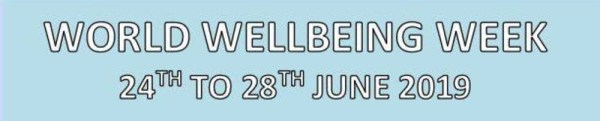
 doesn’t necessarily mean work/life balance, although I’m sure that is part of it, but also focuses on mental health, the community and the environment.
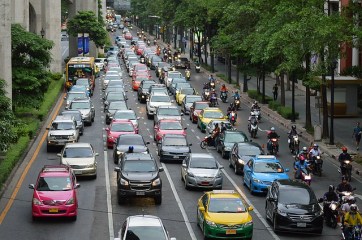 holidays; you don’t have to sit on a motorway, or get stuck in traffic every morning/evening; the world is your oyster, you can do what you want, when you want. But…well…it doesn’t always work out that way. These things are definitely a plus and whoever you work for might get increased productivity, a lower turnover and lower overall costs if you work from home, but there are some downsides. And it’s vitally important to maintain a work/life balance, as when you are working from home, with little distraction, it’s all too easy to work much longer hours than you would if you were employed.
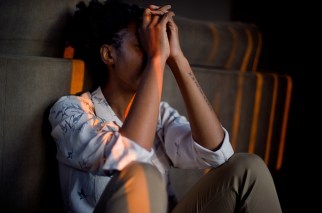 Most of the time, you will be alone…little interaction with other co-workers, no team to talk to, no one to bounce your ideas around with. In fact, a
 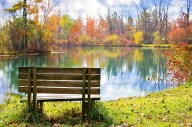 You can work anywhere, so long as there is Wi-Fi. We all tend to huddle in our home offices, but it is just as easy to go to a local café, or even take a break away to a different town…and still work. It is a distraction to be isolated from others, so working from a café or other location, you will meet other people or just be around other people.
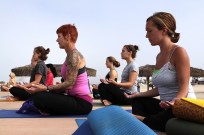 Plan a break into your day. Try and get out of the house and your office space once a day. Maybe take a yoga class…you just have to plan it into your day, so you could start a bit earlier on that day, or work a bit later. You could go shopping for meet a friend for a coffee during your break. It will definitely make a difference and a change from the same four walls.
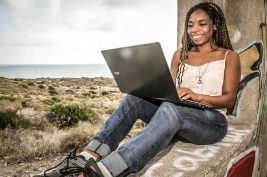 Have a working break. Arrange to have a few days away. Sometimes a change of scenery is invigorating and brings out your creative side. Go to a nice B&B or hotel and enjoy working in a different environment. You could even take a working break in another country, factor in some holiday time whilst you’re there and have the best of both worlds.
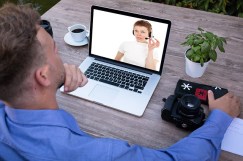 Have a virtual meeting. If you work as part of a virtual team, or work for a particular person, it’s usual for any interaction to be via email or online chat. So why not arrange a Skype or Face-time meeting. These are great as you can interact with the person on video and it’s like being in the same room.
  For me, yes…it can be lonely at times, but I make time every couple of weeks to meet with friends for coffee during the day, or a friend comes to me to lunch or vice versa. I also sing in a band, so I have the weekly evening rehearsal to look forward to and gigs some weekends, so that kind of takes care of my social life. I’d be lying if I said I never wonder what it would be like to go back to a 9-5 office job and, for some it might be an option to do a part time job and work from home too. It’s got to be right for you and your well-being and it’s so important for your mental health to have a work/life balance.
 The Write Way