
When you run a business, be it a large corporation or a small home-based business, we all know that at some point we have to dig into our pockets and spend some of our hard earned cash on marketing. But if you’re feeling the pinch, or are just starting out, here are a few tips on how to market your small business with little or no money.
 Social Media – Facebook, Twitter, Pinterest, LinkedIn, Google + are all social media sites that can help you market your business for free. Set up an account and get going. Not only can you share details of your products and services, but you can also personalise to show your human self…what you like, what your interests are. Share articles of interest and inspirational quotes, pictures…anything that you think people will like to see.
Email – in order to use email, which is free, you need to collect email addresses of current and potential customers. How do you get email addresses? Give away something for free – people love free stuff. It doesn’t have to be a physical thing; you could give away free information. For example if you are a crafter, you could give away a free information sheet on how to crochet, sew a simple item. The only proviso is that people sign up for your monthly/quarterly newsletter – then send them your newsletter, which is packed full of information about your business, special offers and details of your products or services.
Ask existing customers to refer you to friends and family – offer an incentive for them to do this. For example, you could say that for every five customers that they refer who buy something from you, they will receive a 10% discount.
True stories – Use a real example of a problem you’ve solved for a customer, with a quote from them about how great you are! Turn this into a blog post, an article on your website or add it to your newsletter.
 Survey your customers – Send your existing customers a survey. Ask them about the products or services they have bought from you. Ask them what they like best about your products/services and use the information you gain to improve your offering or to promote your business. At the end of the survey, ask if it is ok for you to publish any of their comments….if they say ‘yes’ you have more recommendations and possible stories. And report your survey results in a blog or an article.
Write a blog – Keep in the forefront of your customers and potential customers’ minds by writing a regular blog. There are lots of free hosting sites out there – it just takes your time to get it up and running and to blog on a regular basis.
Have a website – It’s always good to have a website, where people can easily find you and see all your products and services in one place. Make sure it is easy to navigate and engaging.
Free directories –As well as all the directories that you can pay to be in, there are loads of free directories out there. Get your business listed in all the free ones you can find.
Attend networking events – Sometimes these events are free and sometimes you have to pay a small fee to join in. Attending these events is important as you’ll meet other people with small businesses. The purpose is usually to share information and experiences. If there are none near you, how about setting up one in a local community centre or pub?
 Enter a business award competition – There’s nothing better than being able to say that you’ve won an award in a specific competition. Even if you don’t win, but are shortlisted in the top ten, it’s still something to shout about. If you do happen to win, you can advertise the fact on your social media pages, on your website, in your newsletter etc. You could also put it in your signature.
These are just some of the ways you can market your business. If you have other free or very cheap ideas on how to market a small business, please feel free to share…
Images courtesy of 1) Master isolated images 2) fantasista 3) nuttakit at FreeDigitalPhotos.net
 achieve them. Having a
  What do you your customers like about your products? What do they currently buy from you, why do they buy from you and do they give you repeat business? If you’re not sure of the answers to these questions, it might be worth conducting a short survey to your customers and asking them. Give an incentive to reply, such as 10% off their first order of 2016. And a further 10% off if they recommend a new customer who buys from you. The more you know about your customers, your competitors and the business you’re in, the more likely you are to be successful
 measure whether that particular goal and actions have been successful. By measuring as you go along, if you find something that is not quite working, you can tweak it so it works well. List what needs to be measured, for example, how many people read your Facebook posts or how many comment on a post. Then look at ways to improve this – it might be you monitor your posts and see what kind of post is the most successful and then figure out why. If you have success, shout about it! Your customers will feel reassured they are dealing with the right person
 what you can and can’t afford to do and plan accordingly. At the very least, it’s a good idea to have business cards – maybe flyers and definitely think about Social Media and your online presence, such as a website.
 experience for your customers; know what your customers want and give it to them; find solutions to your customers’ problems; position yourself as an expert; be different from your competitors and shout about how you are different; shout about your success; give excellent customer service; give special offers to customers who recommend someone new who buys something or uses your service….and above all, be yourself, smile and enjoy running your business – it will show!
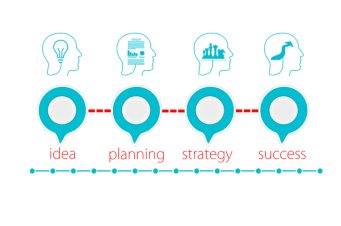 So, you have your own business and you want to promote it – get your product or services out there. How do you go about it? Where do you start? It’s really important to have a content strategy….as this will help you structure exactly what the needs of your business are and what exactly is the right content for your business.
 If you don’t send content out at the right time, then you are wasting your time. You need to firstly understand your audience or intended audience – what do your customers want? Do your customers or potential customers have questions that you can answer? Do you have solutions to your customers’ problems? If you are aware of these things, you can plan to put content out at the right time.
 December and January is the ideal time for you to look at planning for next year. It’s time to take stock and look back over the last year – what worked well for your business and what didn’t work so well? Which way are you going next year?
 If you haven’t asked for feedback, then why not do it now? Why not send out a short survey asking some questions to help you decide which way to go next year – get your current customers’ opinions and ideas – their input could open a whole new market to you.
 Whether you choose to send your newsletter out in print format, or as an online version on e-mail, it’s important to decide the frequency. Most of my clients send out newsletters by email on a monthly basis, so they can be a bit longer than if you are sending out something each week. The most important thing is that the content is timely and relevant, adding some sort of value to your customer. For example, I send out a monthly newsletter for a garden centre – as well as including any news about new stock and special offers, we also include monthly hints and tips on jobs that need doing in the garden that month. We’ve also run a series of articles over a few months on planning the garden for 2014 – this encourages customers to take a good look at their garden, decide what worked well last year and what didn’t, and gives advice on plants and shrubs without doing the ‘hard sell’.
 your website; increase engagement to your brand; create a buzz for a new product or service? The type of goals you have will help you create a more effective newsletter. For example, if you want to send more traffic to your website, you could include an excerpt from an article that will generate interest in your products and then direct them to the full article on your website, or you could just send an introductory paragraph from the newsletter, but keep the full newsletter on your website, so customers have to go to your website to read the full article. Similarly, you could give them a taster of a special offer, but point customers to your website for full details.
 Of course, a newsletter is only one of the marketing tools you can use and it’s always best to use a variety of tools to engage your customers. I’d be interested to hear your thoughts on the role of newsletters. Do you use them for your business?
 The Write Way