

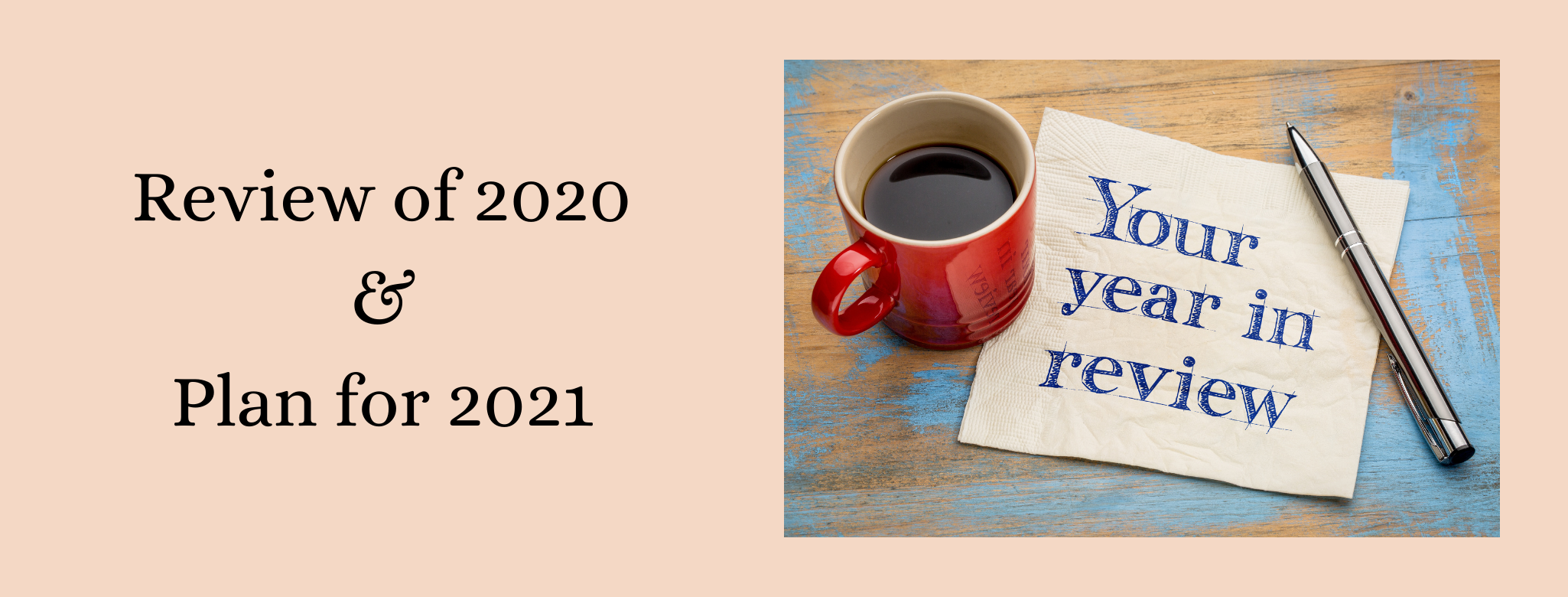
If you haven’t already thought about what you want your business to achieve in 2026, now is the time to review the past year, so you can plan for next year.
It’s a bit like having your annual performance review when you work for an employer, only you conduct it on your small business. When you run your own business, you need to keep track of so many things, it’s normal for things to sometimes slide. With 2026 clearly in view, it’s important to be thinking about what your goals will be for next year and how you’re going to achieve that. But you can’t do that until you know how you’ve done this year.
Your business performance review should cover everything your business has been through over the past 12 months and include your successes as well as those not so successful moments.
Look at your 2025 goals
Did you write down your goals last year? If you did, did you achieve what you set out to do?
This is the time to look at both your short term goals for last year – and the more long-term goals to see where you are. You could ask questions such as:
- What went well in 2025?
- What challenges did you face?
- What didn’t go so well?
- What did you learn from the things that didn’t go so well?
- Did you learn any new skills or take any courses?
- How can you repeat the successes you had for next year?
- How can you avoid any mistakes you made this year?
If you employ anyone, such as VA, it’s time to have a conversation with them and ask them the same questions. You can brainstorm ideas, give, and receive constructive criticism for improvements and come up with a few good goals for 2026.
Look at your business practices
All of us small business owners offer either a service or products to our customers. This is the time to look at how your business practices are working…and if you are aiming all your sales/content etc. to the right audience.
- Look at your customers. Do you know what your customers’ pain points are? Do you know what your customers’ needs are?
Once you know this, you can identify how your business is going to provide solutions. - Are you giving your customers a good service? If you set your standards high at the beginning of the year, are you still delivering the same standard of service at the end of the year?
- Are your products or services good value for money?
- Look at feedback and reviews from your customers so you can identify what products or services were most popular and why.
If you can identify why a particular product or service is so popular, you can look at how you can replicate that in 2026.

Look at the financials
We all hate looking at our figures, but it’s important to make financial evaluations to determine where you are…if you’re making a profit etc.
Cash flow is the obvious one. You take money in; you pay money out. Sales and expenses are important to understand how you’ve done this year. Compare your sales and expenses to the previous year and see where there are improvements, or losses. Doing this, you’ll be able to have an idea of what you might be able to do next year.
What do you pay out? All businesses must pay out to buy materials, stock, stationery etc. Are you getting the best deals for those items? Have they increased in price this year? Do you need to take that into account for next year? You might need to raise or lower your prices to compensate.
Look at your business insurance. This is often overlooked. Does it cover you for everything you need to be covered for or do you need to have a conversation with your financial adviser?
Are all your relevant licenses and safety certificates up to date?
Expansion – As your business grows, you may have to think about expansion. Do you need to take on an assistant? Do you need bigger premises? Do you need to have a larger stock to cover your increasing client base?
If you are expanding quickly, now is the time to be thinking about employing an accountant ready for those all important, but pain in the wotsit tax returns.

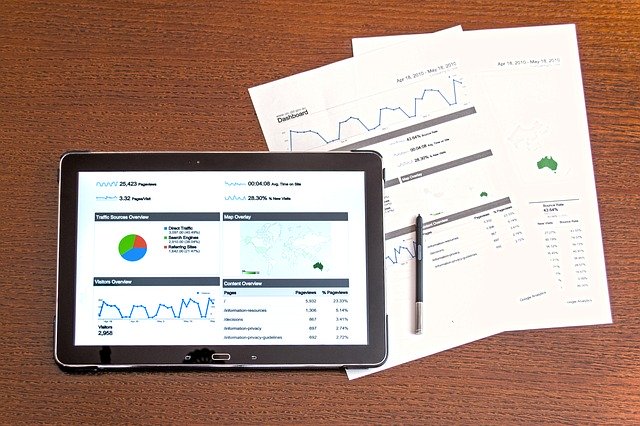
Look at all your social media data
This might seem obvious, but if you’re on social media, it’s really important to look at all your insights for the year. Here are the areas that are worth looking at:
Engagement – yes, you might be getting loads of ‘likes’ on your content, but does it actually get followers to click on your website, or your profile. And do you get sales from those clicks?
You can use this information to help you look at your marketing strategy for next year.
Location – you can see where your followers are from in your insights. We often assume our most engaged followers are local and buy from us. You might be surprised…and if you find you have a following from another country or area, you can customise your content accordingly.
Feedback/Reviews – You will be able to see if any customers have left reviews or feedback on social media, but what about all the other people you’ve sold to this year. If you haven’t had complaints from them, you can assume that they must have been happy with your product or services. You could send out a survey to ask questions about your products or services. If a customer has bought a specific item, ask them what they liked about it. If you put a clause in the survey to say that you can use comments on your website or for promotion – any complimentary reviews you get, you can use. (I still always check if it’s OK to use anyway, but worth including the wording.)
You could offer an incentive to reply, such a 10% off voucher to use in January. This is a brilliant way to get more replies as people just love getting something for nothing – a freebie or money-off voucher.
Take note of any feedback you get and act upon it. If there is a criticism, ask more questions so you can understand what a problem might be – you may be able to solve it simply and quickly with a tweak to your products or services.
Visibility – Where did your customers find you? Did they discover your business on social media? Did they come across you on a Google Search? Was it a personal referral or something else?
This is useful data as you know which areas to work on and you can see which area works best. Every business is different, so what works well for one, won’t work well for another.
Market analysis
When you first started in business, did you do a business plan or marketing plan? If you did, you will have conducted research into your ideal market. However, this can change so quickly, so it’s always worth including this in your review.
- This is where you’ll look at your customers’ needs and how you can best serve them. Have your customers’ needs changed since the last time you looked?
- Look at your existing customers – what do they like/dislike. Is there something they need that you can supply – or do they have a problem that you can solve?
Check out your competitors
This is always worth doing to see what they are up to and how you can compete.
- Can you offer something unique, that they don’t offer?
- Is your customer service up to scratch?
- Look at why your customers choose you over your competitors and make sure you include something around this advantage in your marketing plan for next year.

Celebrate your successes
The point of doing a review is to find out how your business has done against the plans and goals you set. But it’s also important to celebrate all your hard work. Shout about any wins you’ve had and let your customers know how successful your business has been.
You could share the highlights of your year in a social media post for example. Then also give your audience a little teaser about what’s to come in the New Year.
Your 2026 strategy
Once you have completed your 2025 review and have all the data, you’ll be in a better position to know what works well for your business and what doesn’t.
With this in mind, you can now go on to plan your business and marketing strategy for 2026.
If you have some big or challenging goals you want to aim for, why not think about breaking them down into more manageable chunks?
Good luck with your marketing planning and strategy. If you would like coaching on setting up your strategy for next year, feel free to contact me.



 As more and more people rely on their mobiles for everything, from ordering fast food, the supermarket shop, to clothes, shoes and gifts, it makes sense to make sure that your small business is online and easy to find.
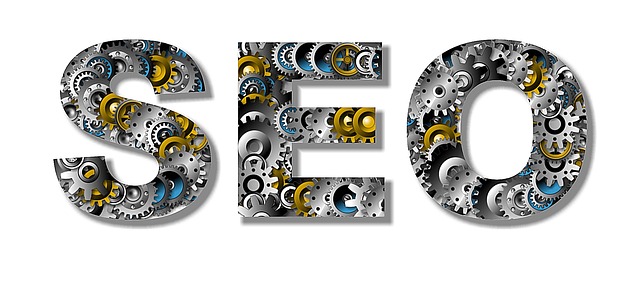 Search engine optimization (SEO) continues to be important in order to ensure your business ranks highly in search engines, so it is easier for customers to find you. Content marketing is more important than ever – the Google search engine looks for new and original content for their ranking, so it’s vital to keep your website up to date, ensure that blogs are posted regularly with fresh and engaging articles. For example, customers love to hear a real-life story, so writing about how you have helped someone by solving a problem they had, is a great way to show that you care and value your customers, and it promotes trust and loyalty to your brand.
 You will have noticed how much more video you now see on your social media sites, especially on Facebook and Instagram. According to research conducted by livestream.com 80% of audiences would rather watch live video from a brand than read a blog and 82% prefer live video from a brand to social posts. This tells us a lot about where marketing is going in the future, customers are no longer happy with faceless marketing, they want to see real people giving them real information. So, it’s going to be very important in 2018 to incorporate video into your marketing strategies, whether it’s for a product launch, running a webinar or talking about product reviews or your services, it’s a fantastic opportunity that none of us can choose to ignore. You can use Facebook ads and YouTube to help you or just go ‘live’ on Facebook in real time. You may make some mistakes or stumble over a few words, but your customers will be able to relate to you much more easily.
 demographic and gender. It’s not ridiculously expensive and has proved to be very worthwhile – definitely worth thinking about. Facebook has a
  If you can’t afford to use someone for all of your marketing, you could just outsource your blogs and get someone to write one or two a week for you – this will keep your business publishing new and fresh content, which will bring more customers to your website or highlight your brand…and it’s a much more affordable option.
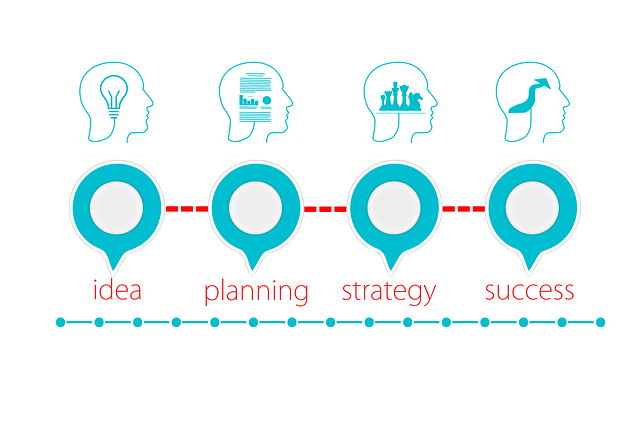 So, you have your own business and you want to promote it – get your product or services out there. How do you go about it? Where do you start? It’s really important to have a content strategy….as this will help you structure exactly what the needs of your business are and what exactly is the right content for your business.
 If you don’t send content out at the right time, then you are wasting your time. You need to firstly understand your audience or intended audience – what do your customers want? Do your customers or potential customers have questions that you can answer? Do you have solutions to your customers’ problems? If you are aware of these things, you can plan to put content out at the right time.
 December and January is the ideal time for you to look at planning for next year. It’s time to take stock and look back over the last year – what worked well for your business and what didn’t work so well? Which way are you going next year?
 If you haven’t asked for feedback, then why not do it now? Why not send out a short survey asking some questions to help you decide which way to go next year – get your current customers’ opinions and ideas – their input could open a whole new market to you.
 Whether you choose to send your newsletter out in print format, or as an online version on e-mail, it’s important to decide the frequency. Most of my clients send out newsletters by email on a monthly basis, so they can be a bit longer than if you are sending out something each week. The most important thing is that the content is timely and relevant, adding some sort of value to your customer. For example, I send out a monthly newsletter for a garden centre – as well as including any news about new stock and special offers, we also include monthly hints and tips on jobs that need doing in the garden that month. We’ve also run a series of articles over a few months on planning the garden for 2014 – this encourages customers to take a good look at their garden, decide what worked well last year and what didn’t, and gives advice on plants and shrubs without doing the ‘hard sell’.
 your website; increase engagement to your brand; create a buzz for a new product or service? The type of goals you have will help you create a more effective newsletter. For example, if you want to send more traffic to your website, you could include an excerpt from an article that will generate interest in your products and then direct them to the full article on your website, or you could just send an introductory paragraph from the newsletter, but keep the full newsletter on your website, so customers have to go to your website to read the full article. Similarly, you could give them a taster of a special offer, but point customers to your website for full details.
 Of course, a newsletter is only one of the marketing tools you can use and it’s always best to use a variety of tools to engage your customers. I’d be interested to hear your thoughts on the role of newsletters. Do you use them for your business?
 Measurable – to ensure that you attain your goals, they need to be measurable; then you can keep an eye on your progress and you will stay on track and reach your target dates. If you have a website for your business, one goal may be to push it further up search engines, so your business can be more easily found by potential customers. Questions you could ask yourself could be:
 Timely – Goals always need to have a timeframe – if you don’t have a timeframe, then there’s no sense of urgency and it’s easy to keep saying ‘I’ll start that tomorrow’…and we all know that tomorrow never comes! If we go back to the weight loss scenario, if you say ‘I want to lose a stone’, but don’t put a time limit on it, it’ll never happen. But, if you give yourself a date (a realistic and attainable date), for example, ‘I want to lose a stone in three months’ – it’s more likely that you’ll succeed.
 The Write Way