How to reach your target audience

Once you have identified who your target audience is, the next thing to do is to find them! How do you do that?

Hopefully this article will answer those questions and fulfil the main goal of marketing…get the right message to the right audience, at the right time!

Here are a few ways that will help you decide how you can best connect with your target audience.

  • Any marketing you do needs to speak directly to that audience you have defined. This does sound pretty obvious, but so many people think that their products are universally appealing so are targeting everybody. It’s nice to think that is possible, but it is seldom true and that mind-set can get in the way of talking to the right people.
  • The next thing to do is to put yourself in the shoes of your target audience. It is most likely that they won’t know much about your brand, products or services as well as you do, so by seeing what you offer through different eyes, you can look for potential weaknesses or misunderstanding. Then the right messaging can be crafted.
  • Now you need to identify the best channels that will speak to your target audience. Now, there is not just one answer here, it will all depend on who your target audience are. So, when you did the research into your target market, what do they turn to for information?

    Do they read local magazines or newspapers? If they do, a local ad might do the trick.
    Do they listen to local radio? Could you get an ad on the radio or get in touch with the radio station and ask to be interviewed?
    Do they use social media and if so, what sites do they use? It’s no good putting everything on Twitter and Instagram, if they mainly use Facebook, for example.     

Building a communication/PR strategy  
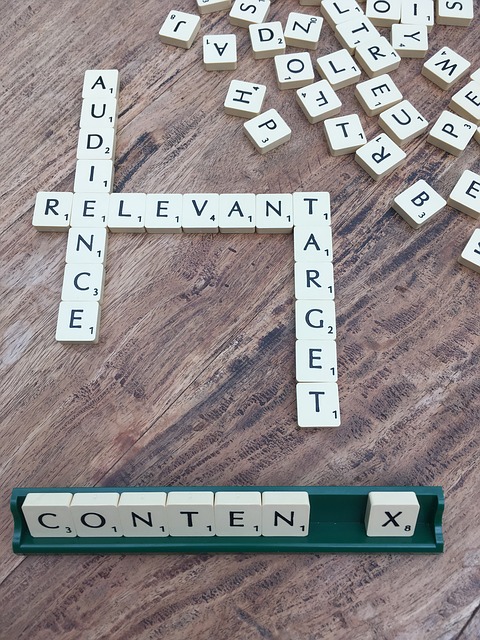
Once you know who your audience are and where they like to get their information, now you need to get that information out to them. This does mean having some kind of strategy…I don’t mean another long and arduous document that you’ll do and never look at again, but a more pointed plan. So, let’s look at the strategies you could use…

Social Media

This pretty much goes without saying – most target audiences these days are on social media in one form or another. Social Media is a great way to engage people in conversations with your business. You can encourage people to follow your page by creating ‘follow’ buttons on your website that link to your social media pages. If you send out a regular email to your customers, add a follow button on that to get them engaged with your social media pages. You can also use ads on social media to attract followers.

Post content that you know will interest them and they’ll find value in. Ask questions in your posts and remember the 80/20 rule. 80% engagement and building a following and only 20% actually selling a particular product. If you only ever post details of your products and cost, people will lose interest. They like to get to know the person behind the brand, so engage with video content, podcasts, inspirational quotes, funny quotes, ask questions that may be related loosely to your product or service, do a ‘this or that’ – do you prefer coffee or tea for example.

Get into publications they read

If you know that your target audience like reading hard copy material, like magazines, trade publications or newspapers, you could put a small ad in it. You could also contact the publication direct and ask if your business could be featured. If it’s a newspaper, pitch a story idea to a journalist who writes for the newspaper, or ask if you can be interviewed. Alternatively, you could write an article and then submit it with a pitch to the relevant publication. This isn’t easy, but there are a few free courses and articles online about how to pitch to this type of media.

If you know that your audience read certain blogs, contact the blog owner and ask if you could write a guest blog article. Make sure that your SEO is on point with this, and also check the SEO on your website. It needs to be good to appear high in search engines, so take a look at your website and make sure it hits the mark, so it will be seen by your target audience.

Networking events

Join local networking events, as this is a great way to meet your target audience and talk about your business. Even better, if you can get a speaking spot to talk about a particular area of your expertise. You’ll not only be speaking about something that is relevant to your business and your target audience, you’ll also get the chance to mingle with your target audience afterwards. If you get a spot as a speaker, the event will be advertised with your name and subject, so you know that people interested in what you have to say will be in the audience.

Creative Content

OK, so now you know where and how to connect with your audience and how, let’s look at the content you share in more detail. This can be written content, video or podcast. It’s good to try out all the different forms of communication.

Appeal to emotions

People in general, are more easily moved to take action by their emotions than by anything else. Sometimes even good old logic goes out the window when emotions are involved.

For example, some of the big cat food manufacturers advertise on TV. Although the ads do focus on ingredients and how good it is, the product is mainly sold by the cute kitten talking to itself, or running around playing…or just sat there looking cute. There’s one brand of cat food that is described as ‘gourmet’ food. The cat in that ad is a pampered, long haired pedigree that looks a cut above the rest. This kind of advertising, using the right kind of images or video is what helps sell that product.

Solve a problem

If you have done your research on your ideal customer, you will know what problems they have…and how you can solve them. You just need to let them know that you can fulfil their needs and solve their problems. And, whilst it’s important to give the features of your product or service, all your customers really want to know is ‘what is in it for me?’ So, solve a problem they have and you are more than halfway there.

The time factor

Time, or the lack of it, is also a great marketing ploy. If you can communicate that your product or service saves people time, whilst also giving them what they want, for a price they can afford, you’ll be onto a winner. It’s a very busy world and people are constantly looking for ways to save time, so they are happy to listen to anyone who can help them save some of that precious time…and solve a problem for them at the same time!

DON’T push the sales angle

As I said earlier, use the 80/20 rule. I absolutely hate it when I sign up for something online – it might be a freebie, it might be something I pay for and in order to get it, I give my email address. I’ve not got a problem with that, but if I then get bombarded with emails in my inbox, I not only find it irritating, it’s usually about selling the same thing, something better, something bigger. OK, I get it, I’m happy to be asked once or twice, but some people send several emails a day over several weeks. In my mind, that’s just unprofessional and pushy. So I’ll unsubscribe…and might actually miss out on something I would have liked a few weeks down the line. I just can’t stand the hard sell. So it’s definitely about the getting the right balance on pitching products/services and engagement and building a loyal audience.

Ask questions

In order to connect fully with your target audience, you need to really know them. Ask existing customers and potential customers for feedback, so you can gain more information about their needs and wants. This could be via a poll on social media, or a survey to their inbox. There is no better way to get information about your audience than to ask that audience itself. You will gain great insight into what makes them tick and find out what they need, or what problems they might have. Then you can work to provide that need or solve that problem.  

Share and improve your Brand

Talk about your brand values in your content. This will engage people with the same values as you and will help you identify with your audience and to connect with them on a deeper level.  

Stand back and take a good, long look at your brand image. Read your website and social media pages through the eyes of your target audience. Does it speak to them in the way you thought it did? What could you do differently to improve it? Is your brand warm and inviting, or cool and aloof? Does it connect with your target audience? The way people perceive your brand goes a long way to deciding whether or not they will become a paying customer.   

Publish a case study

Whether you provide a product or a service, you will have a case study to share…a happy customer, someone whose life you made easier, or whose problem your product or service solved for them. What better way to advertise your business, than to interview a happy customer and ask them how your business helped them and why it is so good. This makes your business more real to your audience. It also gives your target audience the reasons why buying from you is such a great idea.

In today’s fast-paced world, it’s crucial to have a connection or a two-way conversation between your business and your target audience. It’s also really important to realise that, just because you have identified your target audience and identified how to get to them, that your job is done. Far from it I’m afraid. Every post you make, every campaign you run will show you how to do a better job next time around. And if you continue to ask for feedback and are willing to take criticism and ideas on board, tweaking what you do, you will get more and more effective results.

If you need help in identifying your target audience, there is a workbook on my online shop which takes you through the process step-by-step. Alternatively, you can contact me for a chat as I also offer coaching in this area.

How to conduct your small business annual review

If you haven’t already thought about what you want your business to achieve in 2025, now is the time to review the past year, so you can plan for next year.

It’s a bit like having your annual performance review when you work for an employer, only you conduct it on your small business. When you run your own business, you need to keep track of so many things, it’s normal for things to sometimes slide. But as we are getting close to the end of 2024, it’s important to be thinking about what your goals will be for next year and how you’re going to achieve that. But you can’t do that until you know how you’ve done this year.

Your business performance review should cover everything your business has been through over the past 12 months and include your successes as well as those not so successful moments.

Look at your 2024 goals

Did you write down your goals last year? If you did, did you achieve what you set out to do?

This is the time to look at both your short term goals for last year – and the more long-term goals to see where you are. You could ask questions such as:

  • What went well in 2024?
  • What challenges did you face?
  • What didn’t go so well?
  • What did you learn from the things that didn’t go so well?
  • Did you learn any new skills or take any courses?
  • How can you repeat the successes you had for next year?
  • How can you avoid any mistakes you made this year?

If you employ anyone, such as VA, it’s time to have a conversation with them and ask them the same questions. You can brainstorm ideas, give, and receive constructive criticism for improvements and come up with a few good goals for 2025.

Look at your business practices

All of us small business owners offer either a service or products to our customers. This is the time to look at how your business practices are working…and if you are aiming all your sales/content etc. to the right audience.

  • Look at your customers. Do you know what your customers’ pain points are? Do you know what your customers’ needs are?
    Once you know this, you can identify how your business is going to provide solutions.
  • Are you giving your customers a good service? If you set your standards high at the beginning of the year, are you still delivering the same standard of service at the end of the year?
  • Are your products or services good value for money?
  • Look at feedback and reviews from your customers so you can identify what products or services were most popular and why.
    If you can identify why a particular product or service is so popular, you can look at how you can replicate that in 2025.

Look at the financials

We all hate looking at our figures, but it’s important to make financial evaluations to determine where you are…if you’re making a profit etc.

Cash flow is the obvious one. You take money in; you pay money out. Sales and expenses are important to understand how you’ve done this year. Compare your sales and expenses to the previous year and see where there are improvements, or losses. Doing this, you’ll be able to have an idea of what you might be able to do next year.

What do you pay out? All businesses must pay out to buy materials, stock, stationery etc. Are you getting the best deals for those items? Have they increased in price this year? Do you need to take that into account for next year? You might need to raise or lower your prices to compensate.

Look at your business insurance. This is often overlooked. Does it cover you for everything you need to be covered for or do you need to have a conversation with your financial adviser?

Are all your relevant licenses and safety certificates up to date?

Expansion – As your business grows, you may have to think about expansion. Do you need to take on an assistant? Do you need bigger premises? Do you need to have a larger stock to cover your increasing client base?

If you are expanding quickly, now is the time to be thinking about employing an accountant ready for those all important, but pain in the wotsit tax returns.

Look at all your social media data

This might seem obvious, but if you’re on social media, it’s really important to look at all your insights for the year. Here are the areas that are worth looking at:

Engagement – yes, you might be getting loads of ‘likes’ on your content, but does it actually get followers to click on your website, or your profile. And do you get sales from those clicks?

You can use this information to help you look at your marketing strategy for next year.

Location – you can see where your followers are from in your insights. We often assume our most engaged followers are local and buy from us. You might be surprised…and if you find you have a following from another country or area, you can customise your content accordingly.

Feedback/Reviews – You will be able to see if any customers have left reviews or feedback on social media, but what about all the other people you’ve sold to this year. If you haven’t had complaints from them, you can assume that they must have been happy with your product or services. You could send out a survey to ask questions about your products or services. If a customer has bought a specific item, ask them what they liked about it. If you put a clause in the survey to say that you can use comments on your website or for promotion – any complimentary reviews you get, you can use. (I still always check if it’s OK to use anyway, but worth including the wording.)

You could offer an incentive to reply, such a 10% off voucher to use in January. This is a brilliant way to get more replies as people just love getting something for nothing – a freebie or money-off voucher.

Take note of any feedback you get and act upon it. If there is a criticism, ask more questions so you can understand what a problem might be – you may be able to solve it simply and quickly with a tweak to your products or services.

Visibility – Where did your customers find you? Did they discover your business on social media? Did they come across you on a Google Search? Was it a personal referral or something else?

This is useful data as you know which areas to work on and you can see which area works best. Every business is different, so what works well for one, won’t work well for another.

Market analysis   

When you first started in business, did you do a business plan or marketing plan? If you did, you will have conducted research into your ideal market. However, this can change so quickly, so it’s always worth including this in your review.

  • This is where you’ll look at your customers’ needs and how you can best serve them. Have your customers’ needs changed since the last time you looked?
  • Look at your existing customers – what do they like/dislike. Is there something they need that you can supply – or do they have a problem that you can solve?

Check out your competitors

This is always worth doing to see what they are up to and how you can compete.

  • Can you offer something unique, that they don’t offer?
  • Is your customer service up to scratch?
  • Look at why your customers choose you over your competitors and make sure you include something around this advantage in your marketing plan for next year.

Celebrate your successes

The point of doing a review is to find out how your business has done against the plans and goals you set. But it’s also important to celebrate all your hard work. Shout about any wins you’ve had and let your customers know how successful your business has been.

You could share the highlights of your year in a social media post for example. Then also give your audience a little teaser about what’s to come in the New Year.

Your 2025 strategy

Once you have completed your 2024 review and have all the data, you’ll be in a better position to know what works well for your business and what doesn’t.

With this in mind, you can now go on to plan your business and marketing strategy for 2025.

If you have some big or challenging goals you want to aim for, why not think about breaking them down into more manageable chunks?

Good luck with your marketing planning and strategy. If you would like coaching on setting up your strategy for next year, feel free to contact me.

How to tell a good story for your business

We see stories wherever we look, and the bigger corporates have understood the benefits of telling their story for years, as part of their marketing strategy. As a small business, we often forget about this little gem. But it really helps us connect with our audiences and instill trust.

Stories help us understand the world around us. They are a way to help your audience understand more about you, without being overwhelmed by the details about your products. They help show the ‘authentic you,’ so that your customers will be more interested in what you have to say about your products.

Why should you tell your story?

By nature, people are nosy and curious – they like to know about the person they are buying from.

Marketing your business is a real challenge in today’s online world, and there is so much competition, so you need to be able to stand out in the crowd.

Storytelling creates a fabulous connection with your audience. Sharing your experiences helps to encourage and help others and brings your brand to life. It conveys the purpose of your business and what you stand for and helps make your products more appealing.

Content marketing

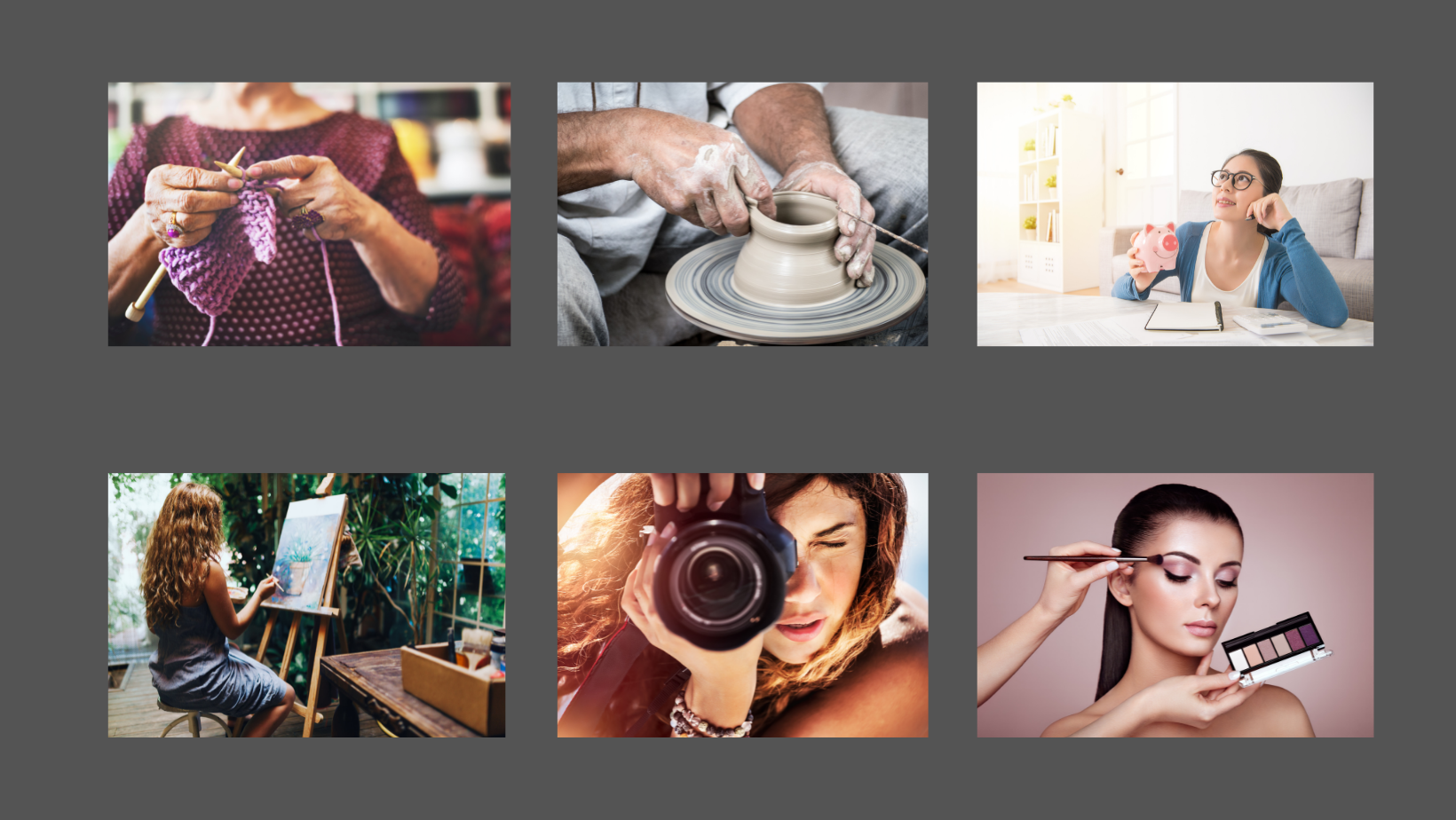
Content marketing is what helps you to sell your products. You need to release the magic that you put into your products, be it artwork, crafts, photography etc. You are creating a story around you and around your work.

It’s an incredibly competitive out there, so your unique storytelling is what will set you apart from your peers. You might think, if your products are very visual (such as paintings or photography) that your pictures will sell themselves – surely, if people like what you do, they will buy it. Of course, this may be true for a small percentage of your audience. They will see something that resonates with them, or you may sell something that they are particularly looking for and have searched for. But sadly, when people are looking online, it’s easy to scroll past something that would actually resonate with them if they knew more about it…and about you. This is where the importance of storytelling comes in. People remember stories, you want to convince them to love your work as much as you do. They need to feel your passion and understand the reasons why you do what you do – this creates a real connection between you and your audience.

Know your audience

The first thing to think about is your audience. Do you know who your target audience are? I’m not going to go into detail about how to identify your target audience and building a buyer persona, but if you click on these links, you can see previous blog posts where I have gone into detail about this.

How to identify your target audience

How to create your buyer persona

It’s really important to know your audience, so you know how to approach them and what kind of content will make them look at your products.

How to tell your story – the monomyth

There are lots of ways to tell your story. In this blog, I’m going to look at the Monomyth, which is just one concept.

Joseph Campbell, an American author, who worked on mythology produced the idea of the Monomyth.

He said that most myths contain some common elements – heroes start out as lowly mortals; they receive some sort of call to adventure and divine assistance to get started. They encounter obstacles along the way, go through a transformation and return to where they started as a hero, changed for the better in most cases.

An example

I’m going to use Tolkien’s ‘The Hobbit’ as an example.

Bilbo Baggins was just a normal hobbit, with a peaceful life, living in the rural Shire. One day, the wizard, Gandalf, calls on him to persuade him to join Thorin and his twelve dwarves to recover their stolen treasure, which is being guarded by the dragon, Smaug.

So, although he initially resisted, Bilbo embarks on a fantastic adventure, where he stares death in the face and returns a stronger, wiser hobbit, and is the hero of the story.

When you are telling your story, the Monomyth is a great way to structure it. If you do this well, you will get and keep your audience’s attention. There are lots of people who have different concepts about the Monomyth, but I like the remarkably simple version and its structure.

The Monomyth

Let’s start at the beginning…your calling

Like Bilbo Baggins, at some point you felt the calling to do what you do. It might have been a slow realisation that your hobby could be more than just a passing interest. It might be that it’s been a lifelong passion that you felt you could no longer ignore. It could be that you express your beliefs and interests through your work and that you’re getting a message out there.

Whatever it is that brought you to where you are today – these are the things you should use to introduce yourself to your audience.

Talk about what inspires you…is there a meaning or reason behind what you do?

The idea for this part of the Monomyth is to excite and enthuse your audience. You might feel that your reasoning behind what you do is quite mundane, but to your followers, it will be interesting.

The obstacles

The next part of the Monomyth is the obstacles.

  • People love to hear how you overcome obstacles or opposition
  • Your audience what to talk to you and hear about your processes – for example, if you make something or paint, how do you start on a new piece? People love to see a work in progress too, so showing the process in a step-by-step series of posts is a great idea to engage your audience.
  • Talk about the difficulties and how you overcame them.

Good old Bilbo faced danger and adversity to fulfil his mission. What were the obstacles that you faced? You may not have had a great tragedy in your life, (I hope you haven’t), but everyone, no matter what they do, meets adversity or resistance at some point when creating their work.

Some ideas might be…

  • Dealing with health issues
  • Figuring out how to make or do something that was very technically challenging
  • Coming up with funding – how do you fund what you do?
  • Struggling to communicate what is really happening behind what you do
  • Struggling against a system that puts you at a financial disadvantage

For example, we’ve been experiencing one of the worst global pandemics in years and the world basically shut down. How did that affect you and your business? I know it had an affect on my business and on the businesses of several friends.

Did anything you have experienced during lockdown, or during the pandemic, that inspired you and your work?

You might have a story about going into a dark place, where you really struggled to do anything. How did you cope with that? What did you do to pull yourself out of the abyss? I know this sounds a bit dramatic…but you get the picture.

Emerging triumphant

At some time or other, when you are in a creative mode, frantically getting everything down or done that you can, you emerge from your whirl of creativity. This is where you want to sell your products.

It could be that you have an online shop, a physical location, or sell on social media. However, you do it, this is the time to start asking for a sale, via advertising or posting about your actual products.

Make sure that you use a good product description to help your sales.

The returning hero/heroine

Finally, you have success, and like Bilbo Baggins, you are the hero/heroine of the story. When you sell something, share your victories with your friends and family – no matter how big or small. Celebrate your wins! Write about it on social media, on your website or in your blog or email. Be proud of what you’ve achieved…and don’t forget to thank your audience.

You’ve worked hard to get that achievement and you need to show your passion and excitement for your success.

Conclusion

That’s the Monomyth – in a nutshell! It is just one way to tell your story, but it works well as a structure and can give you something to aim for. Put yourself at the centre of your story and share your journey.

Your audience will love to see you progress and will enjoy celebrating your wins with you. Storytelling is a great way to develop your personal brand and to portray the ‘real you’ to your audience. Good luck!

If you’d like to get more marketing tips delivered to your inbox, please sign up to my email subscription. It’s completely free and you get a 102 post ideas for social media as a thank you for signing up. You also get ‘member only’ access to a restricted area of my website, where you will find lots of free resources to help you market your small business.

Is your business suffering from the summer slump?

Although the summer is great weather-wise, well….normally (!) and we all look forward to those long lazy days and BBQs, the summer can have an adverse effect on small businesses. You very often see that summer slump in sales, or those wanting to take you up on your services.

The summer slump is a real problem for some businesses, and usually this simply means that time in summer when business seems to drop off. You don’t get so much engagement on your social media pages, sales disappear, and generally, everything seems to grind to a blinding halt. Know that you’re not alone!

The main reason for this is that in general, people just stop paying attention to the things they normally do. The children are off school and need to be entertained, the weather is nicer so they’re thinking about BBQs and social gatherings with family and friends. They are also thinking about going away on holiday, or visiting family for a few days. Add to that the rising cost of living, which is horrendous this year, and you’ll realise the summer slump has been more of a pain than usual!

This year, I’m seeing that small businesses are telling me that they are experiencing a real slump in their sales and really struggling to get engagement on social media.

So, do you just wait for things to pick up by themselves? And they will, once the summer holidays are over, people start thinking about Halloween and Christmas and will start buying again and engaging on social media as the nights draw in. There are still some things you can do to ensure that your business is still being seen.

Here are some things that might help:

Don’t stop doing what you normally do

This seems obvious, but it’s important to still have your business out there. If you post once or twice a day on social media, continue doing that. Be consistent, just like you always have. you can always repurpose that content again later in the year when things pick up.

If you publish a weekly or monthly blog, do it, even if you don’t get much engagement – again, you can always repurpose it later.

If you send out an email newsletter, absolutely still do this. The tips that follow will help you with the sort of things you can talk about. And people still tend to open their emails, even if they let social media slip a bit, so it’s more likely that your newsletter will get read.

Get those updates done!

This is something most of us try to put off, but during a slump, this is the time to get them done. It might be you want to update your logo, or update your website content or shop. You could take some time to plan some future content – maybe your autumn or winter sales and organise your Christmas products or services.

If you have sales material, presentations, case studies, welcome pack, an automated email newsletter, or a website, now is the time to review them and update them, so they are all current and nothing is out of date.

When you have done that, you can do a couple of launch posts to show your new-look website or landing page.

Update your Facebook cover and your profile photo. And spend some time thinking about your brand and how you can better show your brand in your social media posts.

Look at starting a new inbound marketing campaign

What do I mean by this?

Create a new campaign on your social media or email, to attract customers. You do this by tailoring your content to what they need, problems they need to solve, and forms relationships with your followers.

The old way of mass marketing just doesn’t seem to be as effective anymore. Things like pop-up ads and the hard sell are more likely to put people off these days. So, it’s a softer approach you’re after.

Get going with educating your current and potential customers about your products or services. Use email, direct mail, and social media posts/stories/reels/video to teach your audience more about your products or services and how you can help solve some of their problems.

Go ‘live’

Hold a live event or a series of events highlighting what you do best. Include details of your best sellers, and don’t forget to include testimonials or case studies to help you. Success stories always sell.

Focus on your customers

This is a good way to look at how you can serve your existing customers better. Look at whether your customers use your product or service to its full capacity. Look at feedback to find out if there are any needs that your product isn’t meeting that could be tweaked in future. You can do this simply by messaging your customers and asking for their opinion. People like to be involved, so ask if there’s anything you can improve on, or if there is anything you don’t yet provide that you could provide in future.

Ask for referrals

This speaks for itself, but whilst you’re quiet, you can ask for a referral – and maybe offer a discount if the person they recommend buys from you.

Ask for testimonials. You may get regular testimonials, but some people just don’t think to give them, so there’s no harm in asking.

Join a networking group

There are so many groups on social media that you can join. It just takes a little bit of time to engage with the other businesses in the group. Look at other businesses, engage with their posts by commenting. You might find something you’d like to buy. This is a great way to build genuine relationships with other like-minded people.

If you have any local in-person networking events, try to get along and introduce yourself. Face-to-face events are great for networking in real time. Make sure you are armed with a stock of business cards to give out and ensure that you listen to other businesses and what they have to say, as well as talking about your own!

Share your schedule

If you are going on holiday in the summer, tell your clients about it beforehand. Encourage them to place orders before you go, so they get their orders in good time. Scarcity sells, so don’t miss out on this one.

If you know that you have customers who buy Autumn items from you, such as Halloween products, contact them early and show them your range, asking if they’d like to order early to beat the rush.

Invest in you

When your business is quiet, it’s a good time to learn new things or develop new skills. Or, just to brush up on what you already know. Book a coaching session to help you with a specific part of your business, sign up to a few webinars, or look at a short course that will help you grow your business further.

There are lots of free courses out there that you can sign up to – https://www.udemy.com/ is a great place to find free or very reasonably priced online courses.

Conclusion

These are just a few ideas to help you beat that summer slump. Doing some of these things will make you feel more proactive, and you’ll be raring to go once the summer is over and we are into autumn.

I hope that you have a great summer and that the weather improves and stays sunny, so we can enjoy it!

If you have any questions, or would like to speak to me about anything marketing related, you can contact me using the contact form or email me direct at cindymobey@outlook.com

Building your SEO strategy – Part 2 – Creating Content

Creating your SEO content

Following on from my last blog post, Part 1 – Preparing your content, you’ll know about keywords and how to research them and how to research your competitors and the keywords they use.

Now it’s time to put this into practice. By content, I mean anything from website pages to blog posts and even social media posts. In fact, anything that can be found online that someone out there could be searching for. And you’ll be using some of those keywords that you have researched.

  • You can either create something along the same lines as your competitor that is better than they’ve created.
  • Or you can create something completely different.

I prefer the latter and create something completely different – mainly because I know this will make me stand out more, and because I know my audience and know they like the kind of content I writer – in that I try to keep it as straightforward and easy to understand as I can. I write SPECIFICALLY for you – my readers!

How do I know what to write? Because you tell me! I take notice of comments and posts that you put on social media or listen to what you tell me when I speak to you face to face or via messenger. I try and notice the marketing things you’re struggling with, and I ask questions to find out, and often give options, so I know that what I write about will be interesting or helpful to you.

So, let’s make a start with yours…

What is SEO friendly content?

SEO (Search Engine Optimization) friendly content is created so that it helps the search engines, such as Google, rank it higher. This doesn’t mean stuffing it to the brim with keywords, it just needs to help search engines find, understand, and connect your content to the right users for the content you’ve written. 

Although keywords are important, you’ve guessed it, there’s much more to it than that! If your content is optimized well, it helps with the user experience and encourages the user to stay on your website or blog for longer, so giving you higher browsing times and engagement rates – and so helping you rank higher on search engines!

How to make your content SEO friendly

Let’s look at some of these in turn…

Create valuable content

This is not necessarily creating what you want to, but creating content that speaks to your reader, content that is valuable to them and caters to their specific needs or questions they’ve asked you.

You may have seen the odd post from me and from others you follow, where a post will simply say – ‘Ask me anything.’ If you post something like this, you will get many random questions, such as ‘what’s your favourite colour?,’ or ‘what music is on your playlist?’

But, you will also get valuable questions about your business, which will give you ideas for social media posts and blog posts – and new ideas for your business, which you will then need to add to your website.

I digress – Google’s algorithms favour this high quality, valuable content, so the more value you provide, the longer people will stay on your website or content.

Example

For example, say you are interested in baking and want to share a recipe for spaghetti bolognaise. The title you’ve chosen is ‘How to make tasty spaghetti bolognaise.’ Now, you will get some people who will click on this but try going for a slightly different angle ‘How to cook authentic Italian spaghetti bolognaise.’

This not only more appealing, but it also gives you options. You could write about the history of that dish, and you may know someone who is Italian who loves to cook, and who would be happy to be interviewed about their particular recipe and how it came to be in existence – it might be an old family recipe they’d be willing to share. This gives a story to your content, which is much more engaging.

Headlines and sub-headers

Headlines and sub-headers are great for SEO optimization. It not only enables your reader to skim your article or webpage, but the sub-headers also help them find what they’re looking for and makes it easier to read. And people tend to share things that are easy to read.

It also helps the search engine bots to recognise headlines and helps them understand more clearly what your content is about.

Having your keyword(s) in your heading or sub-heading also helps – just make sure you don’t stuff so many in that your headings or content becomes less easy to understand or messy.  

The Hook

Whilst I’m on the subject of headings and sub-headings, you also need to think about the ‘hook’ that will draw people into your article.  Using engaging words or numbers in headings has been proven to pull people into an article. So, if you had a title such as, ‘Facts about pasta,’ you could use ‘5 facts about pasta that you didn’t know’. This grabs the attention of the reader and they’re curious about those 5 facts they didn’t know! Just be sure to keep a keyword in there too.

Readability and the format of your content  

SEO is also about keeping the attention of your readers for as long as possible, so make sure the format of your content is easy on the eye. Use images, short paragraphs, bullet-points, and sub-headings so their eyes are drawn to different things. Or, if you’re writing something instructional, set it out in steps to make it easier to follow.

If you use images, optimize them by adding alt text or describe the image. This help with SEO, but also helps people who are sight impaired to understand what your images are. Use a keyword if you can, but it needs to make sense!

Add CTA Buttons

It’s always good to add a CTA (call to action) button too, so your readers know what to do next. This could be in the form of ‘Buy now,’ ‘Learn more,’ or ‘Pop over to my website.’ This makes it easier for readers to take the next step.

Add links

There are different kinds of links you can add to your content – more so for blog posts or webpages.

Backlinks – these are links that send your reader to another article or page on your website that is relevant to the content they’re reading.

External links – these are links to other peoples’ website or content, which is really helpful to ranking your content higher, especially if the links are to high-quality, reputable sites.  

If you quote stats, state where readers can find the source for those stats – usually a link to the relevant research website.

All links give your content credibility with SEO and the better your links, the higher your page will rank in search results.  

Length of your content

Advice about the ‘right’ length of content is something that changes frequently. It used to be that articles of 300 words or less were best, and that the more posts you publish, the more traffic you’d get.

These days, search engines give a higher priority to article that are longer with more quality. So, the latest advice is articles of 1,500+ words and published less often. Apparently, the reason for this is that Google tries to give priority to posts that provide more thorough answers to the questions and searches they get from their users.

You can find out which of your articles get most engagement from your analytics – which are visited the most and which are read for the longest period of time. And you can also see which generate the highest conversions – for example sign ups to your newsletter. This is how you find out what works best for you.

AND finally…

  • Make sure your website is mobile friendly and that the format looks good across all devices.
  • Ensure that your pages load quickly – when people click on your website or blog content, they won’t hang around waiting for it all to load, it needs to be there asap. A good web hosting provider will sort this out.

I hope you’ve found this article useful and not too involved – I’ve tried to keep it as easy to understand as I can.

Good luck with making sure everything you write on your blog or website is SEO friendly and if you need any help, feel free to contact me.

You can also sign up to my newsletter, where you will receive more great marketing tips and get 102 ideas for social media posts.

Pricing for small businesses

Whenever I talk to a small business, pricing is one of the things that most struggle with. But just as you have a strategy for your business, and spend time marketing what you do, having a pricing strategy is just as important.

Pricing can be difficult to get your head around – for example, why are some products worth so much more than others, when they basically offer the same thing?

Settling on a pricing strategy

There are different ways to settle on a pricing strategy that will work for you – and lots of things to take into consideration, such as:

  • Your customer – how much are they willing to pay for your products or services?
  • Your competition – what is your competition charging?
  • Costs – you need to know all your costs in order to be able to fix a price which makes you a profit.

 So, you need to find a pricing strategy that offers good value to your customers, competes with your competitors, and gives you a profit. This isn’t an easy concept to grasp.

Pricing strategies for small businesses

There are loads of pricing strategies out there, but these are just a few that I think are more relevant to the smaller businesses that I interact and work with.

Competitor strategy

If your products are competing with lots of other businesses who do the same as you, competitor pricing or strategy might be the best way to go. First, you need to research your competitors to find out what they charge for similar products to yours, and then monitoring their prices to ensure that your prices are the same or slightly lower.

This is a strategy that is most commonly used by supermarkets.

Penetration pricing

If you’re just starting up, or you have new products that are like your competitors, this is a popular choice. You start by offering a low introductory price for your new product, (or products if you’re just starting) and then gradually increase the price as the market gets used to your brand.

Economy pricing

If you offer low cost, budget products, this is a good pricing strategy. But you MUST ensure that you’re able to produce bulk quantities for a low manufacturing cost and still be able to turn a profit.

Price anchoring

If you sell both premium and budget products, then this may work well for you. You can put your lower-priced alternative next to a similar premium product – customers are more likely to buy the cheaper model. This gives them an immediate comparison without having to look at other brands or businesses.

Psychology pricing

It probably won’t surprise you to know that emotion influences a lot of the things we buy. Psychology pricing is the way that businesses set their prices to influence how customers perceive the value of a product or service.

The typical way of doing this is pricing just below round numbers or choosing prices that make products seem more affordable or attractive. If something is priced at £300 for example, and the same thing is priced by another business at £299, it’s more likely to be bought at the lower cost – although there is only a penny difference in reality.

You also see this in advertising, when you see for example, ‘8 out of 10 cat owners agree that this cat food is the best’. If they said ‘80% of cat owners agree….’, consumers are more likely to think – mmm, well 20% of cat owners didn’t agree, so that’s not good. Saying 8 out of 10 is exactly the same – it just sounds better psychologically.

Another example, and this is a clever one! Two companies are putting out offers on their products. One offers ‘25% off’ and the other company is offering ‘buy one, get the other half price.’

Which would you go for?

In fact, they are both exactly the same. The only difference is that the second offer saves us having to work it out in our heads. And mentioning the word ‘half’ creates an illusion that we are receiving 50% off the original price, but you’re actually getting 25% off each product.

How do I work out the cost of each of my products or services?

Deciding which pricing strategy to go with is all very well, but you also need to ensure that you make a profit on the things you are selling. If you buy products in bulk at a cheaper price and then add what you want to make on top, that’s easy to calculate. But if you make your own products or offer a service it can be a little more complicated.

Products

You need to understand what costs you have.

  • Materials – how much does it cost you to buy the raw materials to make your products?
  • How many products can you make with those raw materials?
  • Utilities – does it cost you money to produce your products (such as electricity to run machines, or maybe you use a lot of printer ink)?
  • Time – how much time does it take you to make one product? This is something small businesses often forget. To price your time, you need to set yourself an hourly rate that you want to earn from your business, and you can then divide that hour into how many products you can make in that time.
  • Packaging and postage – you need to also take this into consideration.  

Once you have all the costs above you can work out the cost of each product.  

I appreciate, as a small business myself, that the price you choose must be what your customers will pay on a consistent basis.

Services

Charging for your services is definitely challenging and one that I’ve struggled with a lot over the years. If your prices are too high, customers won’t come to you – and if your prices are too low, potential clients will think you are cheap or inexperienced. You must find the fine balance between the two.

As with a product business, your costs need to include admin and overhead expenses, as well as any materials you need to provide your service. There is no magic formula! As a service provider, you’ll probably find yourself changing your pricing from time to time, just as you’ll have to change your services to keep up with the latest trends.

  • As a service provider, you MUST know your competition. As well as looking at what they’re charging, it’s important to know exactly what they provide for that cost. You’ll find some that are cheaper than you want to be (but do they have the same experience and skills as you)? You’ll also find those that charge much more than you are expecting, (do they have more experience and skills than you do)? Once you have this info, you’ll have a broad price range to start with.
  • You also need to decide whether you will charge a flat rate or whether you will charge by the hour. This will depend on what services you offer. For example, I charge per hour for the coaching I offer, but for email set-up or social media content creation, I charge a flat rate, which has already considered the amount of time it takes me, plus overheads.  
  • You still need to know how much you expect to earn per hour – that is, how much is an hour of your time worth?

Finally, as a service provider, especially if you’re freelance, it’s worth remembering that you won’t be working a straight 8 –10-hour day and nor will you get paid for all the hours you do. Most freelancers find that only 50% of their time is billable. The other 50% is spent marketing their own business, finding new clients, and doing admin!  

Conclusion

I hope this has helped you see pricing a little more clearly, although I realise it is always going to be a bit of a grey area!

So, to recap, do your research so you know what your competitors do. Take all your costs into account, including your time. Then decide what you’d like to earn per hour and go from there.

If you need any help, as always you can drop me a message. I’m happy to help.

Don’t underestimate the value of Word of Mouth Marketing

What is Word of Mouth Marketing?

Word of Mouth Marketing seems like a pretty obvious one, but it is absolutely crucial to your business. It’s when your customer’s interest in your products or services is spoken about in their daily lives. In simple terms, it is free advertising generated by the experiences that your customers have with your business. This can be anything from a great customer service experience, where you have gone the ‘extra mile’ to help them with a problem, or maybe solved a problem they didn’t realise they had. Something extraordinary, or just a product or service that they are really pleased with and want to tell their friends and family all about it.

It really is one of the most powerful forms of advertising as 92% of consumers trust their friends over traditional media, according to The Nielsen Global Survey of Trust in Advertising.

Word of Mouth Marketing (or WOM Marketing) includes viral, blogs, emotional and social media marketing.

Example of WOMM

WOMM is all about creating a buzz around your business – your products or services. The more you interact with your potential target market and with your existing customers, the more the name and reputation of your business will spread. It kind of creates a snowball effect. For example, say you own a restaurant. You create a comfortable atmosphere, the food is great, the service is exemplary, BUT, not only do you do that, you make every single customer feel special. Their dining experience is perfect because you have gone above and beyond to exceed their expectations. When they leave the restaurant, they will leave a review on your social media site talking about the fabulous service they received, about what a great place it is to eat and what a wonderful time they had. That’s great, but the snowball effect is that they will not only leave a review , they’re also likely talk to their friends and family about what a great night out they had, and tell them they ought to try out your restaurant. This is part of the ‘creating a buzz’ scenario. And this can be followed up by you…

ALWAYS reply to reviews and feedback; thank customers for their comments and say how pleased you are that they enjoyed their meal at your restaurant. If you have a website, point them to the website to sign up to your newsletter, so they will be informed when you have special events on, (you might have live music nights, for example or do a special ‘Curry night’ or ‘Chinese night’). And advertise these events on your social media pages for those that don’t choose to sign up to a newsletter, (they’re not for everyone)!

Ask your customer who has left a glowing review if you can use it for your marketing. Share the review on your other social media sites, website and in your newsletter as ‘proof’ that your place is the best! If you get some really glowing reviews, you could ask the customer a few questions about why they enjoyed that particular evening – what made it special for them? Then you could turn this into a mini case study as to why your customers enjoy your restaurant…and give your customer their five minutes of fame, whilst at the same time making him feel very valued and that his opinion really does matter to you.

It’s all about TRUST

If a customer feels that they are listened to and valued, they will start to have an emotional bond to a particular business. This is the reason that most large Corporates have a whole team of people, who talk to their regular customers to discuss products, either with a personal visiting service, via a review of products the customer has (insurance products for example), or on the telephone. This works well as the customer feels that the company cares about them and is interested in what they are likely to do next in their lives. Let’s face it, this kind of interaction is not only to make sure that customer has the right insurance products, it’s also a fact finding mission to find out if there is anything else that could be sold to them in the future. But the point is that the customer feels that the company they have chosen cares about them.

No matter how big or how small your business is, TRUST is a huge issue and one that needs to be nurtured with every customer you have. If they trust that you have their best interests at heart, that you genuinely care about them and value their opinions, they will be loyal to you and will always be willing to try out new products or services that you offer. And, they’ll tell their friends that you have a new offer going on!

Can’t I just make up some great reviews?   

Yes, of course you can, but this wouldn’t really achieve very much as you won’t have that real person going around telling their friends all about you. It may help you attract new business, but you’re starting off from a deception. There is an official body in the USA that has crafted a code of ethics for the industry.

“The Word of Mouth Marketing Association (WOMMA) is the official trade association dedicated to word of mouth and social media marketing. Founded in 2004, WOMMA is the leader in ethical work of mouth marketing practices through its education, such as WOMMA Summit, professional development opportunities, and knowledge sharing with top industry marketers. WOMMA’s membership is made up of the most innovative companies committed to progressing the word of mouth marketing industry through advocacy, education and ethics.”

https://expertfile.com/organizations/WOMMA-Word-of-Mouth-Marketing-Association

The word of mouth marketing strategies they promote are “credible, social, repeatable, measurable and respectful” and there is no tolerance for dishonesty.

How is WOMM different to referral marketing?

Word of Mouth Marketing is about creating that buzz, no matter what kind of business you have, how big or how small you are, or the kinds of products or services you offer. The more you engage with people, the more the name of your business and your business ethics will spread. It’s all about the snowball effect.

Referral marketing, on the other hand, is a more focused and targeted marketing media. It focuses your attention on a specific person to actively encourage that one person to refer their friends. It is a segment of WOMM, but it’s a more proactive way of generating new customers. You have control over the whole referral process to convert a particular customer to buy your products or services. This could be through the use of funnels, for example.

How to do WOM Marketing

Engage with your customers and potential customers, not just collect them. You might have hundreds, or even thousands of followers on your social media account, but are they all interested in what you do or sell? Or are they just there, not really interested, but more of a ‘follow for follow’ basis? Do they interact with what you post? Do they feel that connection with you? It’s about building engagement, building a relationship with followers that are genuinely interested in what you do and feel a connection to your business. The more passionate they are about you, your business, your products, your services, the more likely they are to share what you do, share your posts and tell people about their experiences.  


If you set yourself up a strategy, there are things you can do to increase the WOM around your business…things like a partner programme, affiliate marketing and using reviews.   

Your biggest marketing asset is your existing customer base, so create something worth talking about and encourage your existing customers to talk about it too.

  • People trust their friends and what they have to say. Ask customers to refer a friend…you can give incentives to encourage that. For example, refer a friend and get 5-10% off their next order or get a free gift.  
  • When a customer has bought something from you, or used your services, ask them to leave a review.
  • From the reviews that you get, identify something about your brand that has the possibility to generate a buzz or create something new that will generate that buzz.
  • Get your existing customers on board – you could create a competition, with the winner receiving your new product or service.  

Word of Mouth Marketing is a free and easy way to promote your business, but does take a bit of time and hard work. Gaining trust and engagement with your business is a two-way street, but when it works, you will have meaningful relationships with people who will become your best brand ambassadors.

Writing great product descriptions

A well thought out and written product description can be very powerful. It can move your customers to buy from you, or at least make them sit up and take notice of your products. Having a great product description is as important as having fabulous images or an amazing website. Your descriptions contribute to your customers’ experience and also contributes to the credibility of your online shop or products.

The most common mistake that most people make is that they simply describe their products, as in what it is. This leaves your audience a bit flat – they can see what it is you’re selling. They want to understand the unique value proposition of your product, or how it gives a solution to a problem they have.

What makes a good product description?

An effective description describes the features and benefits of your product to your customer. The aim of your description is to provide the customer with information that compels them to want to buy it immediately.

This involves writing persuasive copy and answering these questions…

  • What problem does your product solve?
  • What do your customers gain from using your product?
  • What separates your products from others on the market?

You also need to think about SEO, (search engine optimisation), such as relevant keywords that you think your customers will use when searching for products like yours. If you get the right keywords, you’ll get more visitors …and more sales. Google will then recognise that you’re getting lots of visitors and so your online shop or website will rank higher.

The three rules to selling online

There are three basic rules to selling online…

People don’t like to be ‘sold to,’ they like to buy. If they are being sold to, then the seller is in control – if they choose to buy, they are in control. So, what you need to do is tempt your audience by solving a problem or helping them achieve a goal.

Appeal to their emotions, so they WANT to buy your products. I’m sure you’ll have heard the acronym, FOMO – the fear of missing out. This is a good example of appealing to people’s emotions. It’s not one that I’m particularly comfortable with – a good example is phone companies – they use this tactic to encourage us to buy the latest mobile phone, with all the latest technology and gadgets. The truth is, the phone you have is probably good enough for what you want, but they make you WANT to have the newer version.

You don’t have to use this hard-hitting tactic. You can use your copy to highlight the problems that your audience faces and how your product solves that. Make them feel good about the solution.

Your customers will want to have a logical reason or a rationale for buying your product – not just the emotional one. This is where your product specifications or good customer service comes in. This alone won’t sell your product, but it helps your customer feel good about the decision to buy from you.

If you think about the ads you see on TV…for fast food delivery for example. They tempt their audience in with the kind of food they know their target audience likes. They tell them that whenever they fancy a particular meal, they can get it immediately. They don’t have to go out in the cold, drive to the shop, queue for ages whilst their food is prepared, then get it home without the food getting cold. NO, you can order and have it delivered, hot and ready to eat – in your own home, on your sofa, in front of your TV.

We all know that this is more expensive, but we do it anyway, because the adverts make you WANT to.

Once they’ve set the scene, you have the specifications – what food is available, what side orders you can have, what drinks you can order, and even desserts. And you’re given the website address to order it from.

OK, I’ll give you some examples for the smaller businesses.

Jane is an artist. She sells her artwork in the form of one-off original paintings.

What will tempt her target audience? What problem is she solving for them?

Buying original artwork is an emotional buy. Your audience need to feel a connection to it – it needs to speak to them. Whether you sell landscapes or wild seascapes, wildlife, or flowers, you need to know your audience and what makes them tick.

If your artwork is one of a kind, your audience may be drawn to that because no one else will own that same painting. It makes them feel unique and valued, especially if you do commissions, so they can ask for what they want.

If you do pet or family portraits, emotion plays a big part in the decision to buy an original.

It might be that you have regular buyers who just love your work and are building a collection. They will want your latest creation as it will complete their collection.

If you paint pictures of a particular place, such as a beach that has a popular feature, or a castle that people can book for a wedding, the emotion to sell here is that they can have a little piece of a memory they have of that place hanging on their wall. They may have childhood memories of that beach that they want to capture forever in their home.

Once you know what the emotional part is, you can connect with your potential buyers by selling the benefits, for example, the feeling the painting evokes, such as joy from a memory of childhood.

The features would be the size of the painting and the materials you use to create it. You need to weave these together.

Burnham-on-Sea lighthouse

Let’s take the beach example – the feature in the painting is a lighthouse. I come from Burnham-on-Sea in Somerset, where there is a lighthouse on nine legs, so I’m going to use that – it reminds me of my childhood and walking the family dog with my Mum, come rain or shine.

Example 1

Burnham on Sea beach with lighthouse.

38cm X 55cm

£50

Example 2

Burnham on Sea beach, featuring the famous lighthouse.

If you have ever holidayed in this popular West Country seaside resort, you couldn’t fail to notice the iconic 36 feet high, white wooden lighthouse, which stands on nine vertical pillars.

If you’ve walked the short distance from the pier to the lighthouse, this painting will bring back many peaceful memories of this regal, yet tranquil setting; the slight breeze with the taste of salt in the air, the sea rolling gently in, and the soft, yellow sand underfoot.

This oil on canvas, is just £50 and measures 38cm X 55cm.

OK, so I know I’ve gone a bit over the top with my description, but you get the idea – paint a picture of your painting with words to entice your buyers in. Spark their imagination – help stimulate their senses.

Let’s have a look at a different example…

Alice makes jewellery. She uses silver wire to make her pieces and incorporates gemstones with the silver.

Example 1

Silver and amethyst gemstone ring.

£25.00 plus postage.

Select your size from the dropdown box.

Example 2

Hand crafted delicate, silver ring, adorned with a stunning purple amethyst quartz gemstone. The spiritual meaning of amethyst is healing, tranquillity and calm. Amethyst has been used throughout history to expel feelings of anger, frustration, or fury from your body.

It is also the traditional gift for the 33rd wedding anniversary. The colour purple has been linked with nobility and is a regal colour, so it has that certain luxurious quality.

Available in many different sizes, this ring is £25.00 plus postage. A little bit of luxury without breaking the bank.

Again, I may have over-exaggerated the description to get my point across, but I hope you now have a better understanding and I hope this article has given you some clarity about how to write a good product description.

As well as describing your product on your online shop or website, you should also use social media to point your audience to your website. On social media, you could talk more about your journey or story. How did you come to paint or make jewellery? What inspired you to start? Why do you use the material you use? This kills two birds with one stone. You’re describing your product and telling a story at the same time!

As always, if you have any questions, please feel free to drop me an email or message on social media.

You can also subscribe to my monthly email, which gives you valuable tips for marketing your small business, as well as ‘member only’ access to lots of free marketing resources to help you with your marketing.

How can I be more consistent?

I’m always seeing quotes or posts telling people in business to be consistent:

“To be successful, you have to be consistent” Unknown

“Consistency is the key. If you can’t be consistent, then you can’t be anything” Tony Gaskins

“If you want to be successful, you need consistency and if you don’t have it, you’ve got no chance.” Paul Merson

That’s great then, just be consistent and you’ll be a success, you’ll be able to do anything you like, and you’ll have a chance! But what does it mean to be consistent? How can you be consistent?

This week’s blog post takes this fabulous ‘buzz word’ that we see everywhere – and finds out about it in a bit more detail…

What is consistency?

The Cambridge Dictionary defines consistency as ‘the quality of always behaving or performing in a similar way, or of always happening in a similar way.’

That sounds straight forward, right? But to be consistent in business takes time and effort. To be consistent you must constantly replicate positive behaviour or performance every day, until it becomes second nature – until it becomes a habit.

How to be consistent?

Being consistent in business isn’t just about posting every day on social media, it’s the whole performance of your business. It’s about being organised and working on things that work best for you and your business.

Here are some ideas to get you started:

Use a planner

  • Use an online planner, a diary, or a notebook to plan your day. Write down the times of meetings
  • Keep a to-do list – things you MUST do today, and things that it would be good to do today. Work through them one task at a time. Multi-tasking can be distracting and time consuming, and very often, none of the tasks get completed.
  • Jot down any ideas that spring to mind during the day
  • Include time to eat and time to do something for you – it might be a short walk at lunchtime, or yoga or meditation time before you start work. Whatever you choose factor this into your day.
  • At the end of the day, write down the most important tasks that you must complete the following day. Put them in order of importance/urgency, so when you work through your list, you are doing the most important task first.
  • I have gotten into the habit of planning my content (roughly) a month in advance. I then know what blogs I will write and what posts I will want to do to compliment the blog.

Have a schedule

When you work for someone else, your day has structure, and you work to a schedule. If you get into the habit of doing this when you work from home, you will get more done and be more consistent.

Have a set time to work and a set time to have lunch or rest. And always try to have a cut off time, so you’re not working stupid hours into the evening or at weekends.

Many of us want to work from home for ourselves so that we get more work/life balance. Often you will find you have less of this, and more stress, so it’s important to keep to a routine that works for you.

Ensure your goals are SMART

When you are setting goals for your business, make sure that they are SMART.

SPECIFIC – MEASURABLE – ACHIEVEABLE – RELEVANT – TIMELY

You can find out more about this in one of my previous blogs – click here.

Focus on one thing at a time

I’ve mentioned this briefly already but try to focus on one task or goal at a time. Don’t make things harder for yourself by trying to do too much at once. If the goal you’re working on is too much or too overwhelming, cut it down into smaller, more manageable chunks and work on those, one at a time.

Get rid of distractions

When you’re trying to concentrate on one task, particularly if the task is really needed but a bit dull, it’s easy to be distracted. If you recognise that you are easily distracted, try to remove those distractions.

For me, email and social media are my biggest distractions. If I can see that someone has messaged me or that I’ve received an email, I can’t resist ‘just’ looking at it to make sure it’s not important. So, when I’m writing or working on something that needs a lot of concentration, I switch off my emails on my desktop (which is where I work) and put my phone/iPad on silent and put it away from where I’m working so I can’t see it…or I just switch them off. I also unplug my landline as I get too many cold calls and find them so irritating, they become a distraction.

Now I can concentrate as I won’t hear the ‘ping’ of a new message, nor will I see one.

Personally, I like silence when I’m writing or doing something that needs me to really concentrate, but when I’m doing the more regular stuff that I’m used to, or something that is almost second nature, I like to have music in the background. You may be different and may need noise to concentrate. Just do whatever works best for you.

Be comfortable

You might think that this is strange one if we’re talking about consistency, but if you’re hungry, thirsty, or uncomfortable, you won’t be able to concentrate on your work.

  • Choose a comfortable, light space to work in.
  • Eat at regular times so you’re not hungry.
  • Have a bottle of water handy, or your favourite drink, so you can just reach for it if you need it.

Automate when you can

I’m talking mainly about social media here…and for me, blog writing. I tend to batch create my posts (and those of my clients), for the following week. I usually do this towards the end of the week. It takes me a couple of hours to plan the following week’s messages and posts, decide what I’m going to post on what platform and what day, then create the posts.

Then I spend some time scheduling the posts, so I don’t have to worry too much about them during the week. I only schedule one a day, but sometimes I think of something else during the day and I’ll post that manually.

I do the same for blog writing – I tend to write a couple at a time, and I always have one in reserve in case something happens, and I need to post something quickly or change the blog post I’d planned.

Celebrate every win!

No matter how big or how small, celebrate those wins. Celebrating your achievements will make you feel good about yourself and your business and give you a well-earned boost. And shout about it – share those wins with your followers. Happiness and enthusiasm are contagious and you’re sure to brighten up someone’s day – as well as your own.

Along with this comes….

Forgive your failures

We’re all human and none of us is perfect. Being consistent isn’t easy and does require time and effort. If you fall off the wagon from time to time, don’t fret about it. You will get tired, you will sometimes feel like you can’t be bothered, but that’s OK. It’s normal to feel like this.

However, what WILL keep you consistent is recognising this, taking a deep breath, and getting back on track as quickly as possible. Forgive yourself and move on!

Conclusion

These are just some ideas to help you become more consistent and stay that way. Consistency breeds trust: people recognise that you are dependable and to some extent, predictable (in a good way!)

Above all, look after yourself. Make sure you eat and drink regularly – and take a break to get some fresh air every day.

If you need help with any aspect I’ve talked about in this post, feel free to message or email me. I offer a free 30-minute consultation.

How to finish what you start!

How many times do you think of a great idea and launch with gusto, thinking ‘this is it, the greatest thing since sliced bread’, only for it never to get finished? We all do this from time to time. Sometimes you might even find yourself completing all the planning and detail, but just find that you lose interest in it and then the end seems further and further away. Procrastination starts to creep in, and before you know it, you’ve stuck your project on the back burner to ‘come back to later’. Inevitably, later never comes, so how can you be sure that whatever you start is going to be finished?

Here are a few tips to help you…

Be choosy about what you start on

Make sure that whatever it is you want to do, that it is something that you are passionate about, something you really WANT to achieve. If you start on something with a half-hearted attitude, you won’t see it through. For example, I once decided I was going to make myself a skirt…now I absolutely hate sewing, but I thought it would be a good idea to help me save money etc. That skirt was started when I was in my 20s and I finally threw it away in my 40s when I realised it was never going to be finished. Why didn’t I finish it? Because I hate sewing and it was a chore to even get started on it.

Be more cautious about what kind of thing you embark on. If it’s something you are passionate about, you are more likely to be interested in the planning and actioning stages and won’t be wasting your time.

Another tip would be to try it out first – for example if you want to start a business, read up on it first. Find out as much as you can about it and see if it’s for you. You might want to volunteer somewhere in that sector or offer to help a similar business you know to find out if it’s something you’d really like to do. Then if you do decide to go ahead, you’ll know more about it.

Check out what resources you’ll need

Big companies and corporates always look at resource planning, so they have a rough idea of what is going to be needed for their project. They also look at how long it is likely to take and how much it is likely to cost. Planning out a quick overview of these things could save you lots of time and energy later, and you’ll immediately know if your project is viable. And you can use your initial planning to help you when you go into more detail.

For example, I recently published my first e-book on Amazon Kindle. It took me ages to write it as I didn’t plan it properly to start with. By the time I’d written several chapters, which took months as I did no planning, I realised that to really do it justice, I needed to start again…and start with the planning. So, I…

  • Created a rough outline of the book and what it would contain
  • Found relevant quotes and statistics and listed resources for those quotes and stats
  • Wrote bullet points of each of the chapters and then put them into some sort of order
  • Write the material properly
  • Designed the front and back cover
  • Wrote a brief bio
  • Created the sales page and any graphics I wanted to use for that
  • Made notes about how I would market the book
  • And gave time to edit, edit, edit!

This gave me an overall view of the book and what it would cover and look like. Which brings me nicely onto the next point…

Time management

Once you have the plan in place, as I did with my book, you will now have a more realistic idea of how much time it is going to take you to complete your project.

Now, for me, lists work extremely well – I am a list person! As I work online, I needed to factor in the time to do all the things in my plan. You will need to do the same. Plan out your tasks and resources, put them into manageable chunks of time and make a to-do list. Then plan on your calendar when you will do those tasks and book that time in.  

I think the thing that puts a lot of us off when we are thinking about something we really want to do is that we don’t think about how much time and effort it’s going to take to make that dream come true or bring that project to a successful close.

My book took me 2 years to write because of procrastination and another year to think about publishing it. I had planned everything, but life kept getting in the way and other work deadlines, so I kept putting it back, despite all the planning. So, deadlines are important to keep you on track – be realistic about the time you can give.     

Don’t be a perfectionist

Now, I struggle with this as I like things to be just right. However, I did so many edits on my book that in the end, I had to say to myself, ‘STOP’ and just go with what you’ve got…because every time you review something, you change it! Instead, if you are working on a project and find you are revisiting part of it repeatedly, STOP! Move on to the next part and return much later to review again. You’ll probably find that what you thought was not good enough, suddenly sounds or looks great…or that whatever you thought was a massive no-no, suddenly really isn’t that big a deal at all.

If you find that you are being so anal about every single little detail, you will never finish, so try to break down each of the tasks into smaller, more manageable chunks and put your energy into completing each small part.   

Make a commitment

If you are going to go ahead with whatever your project is, then make a definite commitment to it. Whatever you put in your to-do list, commit to it, give yourself the time to do it and DO IT! If you find yourself going off on a tangent, try and get back on track. If, along the way, you come across something you hadn’t planned, but it’s needed, go back to your plan, and add it in – and make sure you plan the time to add it!

It’s also about committing to yourself. It might be that if you start to fall behind your schedule, you might need to give up other things in order to achieve your goal. If that means saying no to a couple of nights out or weekends away, so be it. You can do that any time, but your project is now! Once you commit…really commit to it. Once you have finished your project, those nights out and weekends away will still be there and you’ll have achieved your goal, so will enjoy them all the more. If you do them whilst you know you should be working on your project, you’ll be feeling guilty and when you do get back to it, you’ll be annoyed with yourself for not being further ahead.

Keep your energy up – visualise the end result

At the beginning of any project, we’re all the same – full of enthusiasm and energy for what we’re about to achieve. But that seriously wanes as time goes on. You know you still want to do it and you’re still excited about it, but you’re not quite so energetic about it as you were in the beginning.

It’s usually because you’ve lost sight of the end result. You need to be able to close your eyes and visualise that end result – what does it look and feel like? Maybe have a mood board with what it will look like – try and imagine how you’re going to feel when you get there. If your goal is to earn enough money from your project to buy a dream house or car, have photos of what that looks like on your desk, or on your wall in your workspace.   

Be flexible

This is really important. If you’ve planned everything out and then try and do it in a certain order, you might hit a task you’re not too enamoured with. This then makes it easy to procrastinate. So, be flexible! If you’ve got your tasks down in order, and you don’t feel like doing task number 3, or start task number 3 and aren’t really enjoying it, don’t feel you have to stick with it. Move on to another task and come back to it later. If you don’t you could find yourself at a complete standstill. For example, one day when I was writing my book, I was bored with it and didn’t feel like writing, and I was allowing myself to become distracted by social media or email. So, I stopped what I was doing and started working on designing the cover of the book. Over the course of writing it, I changed the cover about ten times, but I enjoyed every minute!

Keep a record of where you are

Tracking where you are is crucial, so you know what you’re doing and when, how things are progressing and if you need to amend anything to keep on track. Every week, keep a record of what you’ve done and how it went – what went right and what went wrong. Then you can amend what you need to do the following week.  

Celebrate your achievements

When you plan how you’re going to achieve your goal and finish your project, put in little milestones along the way. Then, when you reach those milestones, have a little celebration. This really helps you stay on track and to stay with your project. Each milestone brings you that little bit closer to the finish line.

Don’t feel guilty if you do give up

Finally, not every single project you start out to do will get finished. No matter how much planning you do, if you really lose interest in it, or find that something is not viable after all, don’t flog a dead horse. It might be that by working on one project, you get an even better idea for something completely different – and then that initial project becomes a chore because your heart really isn’t in it anymore.

I don’t mean just give up as soon as it feels a bit hard, or your interest wanes a bit – that’s normal. If you’re almost there and just need to find the energy for that final push, then go for it and push yourself

But, if it’s really not working out, then stop. Go away and do something else and then come back to it after a couple of weeks. If you still can’t get going with it, it’s time to call it a day. And don’t feel guilty about that – sometimes, despite all your best intentions, something just won’t work. At the end of the day, it’s up to you to weigh up the pros and cons.

Conclusion

I hope these tips will help you with your planning process and help you overcome some of the natural procrastination that comes with all projects.

If you found this article useful, please feel free to comment below or to share. And if you’d like to take a look at my book, it can be found on Amazon.