Creating problem solving content for product-based businesses

Over the past few weeks, I’ve had a lot of people ask about how to create problem solving content. And why would you need to do that, especially if you’re a product-based business? There is a lot of information out there about problem solving for service-based businesses, so this article is for all my product-selling followers! And by writing this and creating social media content around this subject, I’m creating problem solving content!

What is problem solving content and why do you need it?

The first thing I want to say is that you need to address your customers’ problems or pain points, without them feeling you’re giving them the hard sell. This is a real turn-off!

With social media being such a popular medium, it makes sense to have some engaging content that makes them think. Everyone loves to read a story and people love to be able to express their opinions or join in with a debate, so let’s look at how you can address this.

Problem solving content captures your followers’ attention by giving them an answer to a particular question or concern they might have. And provides tangible examples to illustrate your points.

Why do you need it? It helps your customers and potential customers imagine how they can use your product and that it is something they NEED in their life! Being able to picture themselves using your product and the benefits it brings is half the battle to getting a sale.

Understand your audience’s problems.  

I know I bang on about this all the time, but the first step to creating the content is understanding what problems your customers may have. This once again boils down to knowing your target audience and what challenges they face, what they might be interested in and any obstacles they might have (or excuses) for not being interested in what you have to offer.

One of the ways to obtain this information is to ask questions or conduct polls on social media, asking for feedback from your audience. For example, you may have a very popular product – ask WHY your customers like this particular product.

And ask what else they would like to see from you.

Give your audience solutions they understand and can relate to.

Once you understand the problems or worries your audience has, it’s time to think of ways to show them the solution – one they will understand and be able to relate to.

Don’t just tell them how to solve a problem, show them. You can use case studies, examples from reviews or recommendations, or an online tutorial or short video to illustrate how your product can solve a problem. This helps make your content interesting, engaging and gives them ideas as to how your products can be used.

Let me give you a few examples for different kinds of products:

You sell jewellery – it’s always exciting to show images and maybe slide shows of your jewellery, but if you have a customer who has bought something from you for a particular occasion, ask them to send you a photo of themselves wearing your jewellery. You can then use their review with a photo – it packs more punch.

Give ideas as to how a particular piece of jewellery could work. You might sell earring and necklace sets that would be perfect for a bride to wear on her wedding day. Photograph those sets with a wedding inspired background – if you use Canva, there are wedding inspired backgrounds you can use. Then, instead of just focusing on the bride, why not show other sets that may be in different colours that could be gifted to bridesmaids? If you do jewellery with different length chains, you can say that in your content.

If you make your own jewellery, show the process in step-by-step photos or be brave and do a time lapse video, stating that you offer a bespoke service for those special pieces or gifts.  

You make hair accessories – you can use all the same ideas as for jewellery, but also you can include children in your marketing. Children love hair accessories for many different occasions, such as going to school (could you offer scrunchies or hairbands in school colours for example?), or the same with a bit of bling for parties.

When you are advertising your products, show or give ideas as to how they can be used. If you do adult accessories, (as someone with long hair that gets in my way), you could push the angle of headbands/scrunchies are not only stylish and pretty but keep your hair out of your face when you’re gardening or at the gym.

You sell gift items – this is a broad category. You might sell soft toys, handmade items or personalised items, or a host of other things. But the principle is still the same. Give potential customers ideas on how they can be used and what events they could be used for. This could be birthday’s, Christmas, Easter, Valentine’s Day, Mother’s Day, Father’s Day, birth of a baby, christening, wedding – the list is endless. But if you have products that could be adapted to all these special dates, you have a bigger market for your products.

If you have safety features or must have safety certificates for your products, mention this, so people are happy that a product is safe to gift to children for example.

You sell beauty products, personal products, or home cleaning products – there are lots of ways to show and tell that these products solve problems. For skin products or personal products, it could be that it will make your skin glow, help with skin problems, is an effective deodorant, softens your skin after shaving – the list is endless. The key here is to do videos of you using the products or having lots of before and after photos from customers, or photos of customers using your products. Reviews about how it helped solve a particular beauty or personal problem will also give you social proof that your products work and are worth investing in. Tell customers that they don’t contain any nasty chemicals and if they are allergy friendly.

The same applies to cleaning products – are they eco-friendly and don’t contain harsh chemicals?  Do they work? Create videos showing you using the products, for example on a sink – before and after. Use customer reviews to give you social proof.

I could go on with all the different types of business out there, but the principles are the same, no matter what business you are in.

Be honest with your audience.

This goes without saying, but transparency is really important. Be honest about what customers can expect from your products and their solutions. Don’t promise something you can’t deliver or you’re not sure is correct.

Always set realistic expectations.

Engage with your audience.

This is more important than a lot of people realise. Talk to your audience. When they make a comment on your post, always reply to it and if necessary ask questions and engage in a conversation. If someone asks a specific question, answer it or if you think it might be more personal, reply that you will send them a private message – and ensure that you do!

Ask for feedback on your products, your content, your videos and ask if there is anything else your audience would like to see.  

Do you write a blog or have your own newsletter?

If you write a blog, you can use it to go into more detail about a particular product. A post on social media shouldn’t be too long or people won’t read it, but if they read your blog or have signed up to your newsletter, you have a captive audience, who WANT to know more or find out more about you and your business, including your products.

So, if you create a post that you could give a lot more detail about, write a blog post about it and advertise that on your social media account. And if you have a newsletter, include a paragraph every time about one of your products and how it solves a problem. Again, you can advertise this on your social media posts. This not only offers a more in-depth service, but it also directs traffic to your website or blog.  

Final thoughts

You need to know your target audience and what they want. You must understand what kind of problems they have that your products can solve.

If you feel you are struggling with how to create problem solving content for your business, I can help. Sometimes it’s a case of ‘two heads are better than one.’ I offer an hour’s brainstorming session, where we can discuss your business, find out more about your target audience and set a plan in place to create that problem solving content that will speak to your customers and ultimately get more sales. Either message me or drop me an email to make an appointment – cindymobey@outlook.com

Now, put your thinking cap on and get creative!

Find your niche and market, market, market

If you’re going to make a success of marketing your business, you need to hone in on what is the best niche for you to be in. What will sell well? What will make you the most money?

What is a niche market?

A business niche is a focused area of a broader market that your business specifically deals with. It doesn’t matter whether your business is in a unique industry or a saturated market, it’s really important to differentiate yourself from your competition, as this is what helps you to win your audience.

You might like everything you do, but in order to be a successful business, you need to be able to distinguish your brand from your competitors, find what you are really good at and establish yourself as a dominant leader in that area. Even the biggest names can’t be everything to everyone; there are always going to be those small groups of people who need a particular product or service not met by the bigger companies…which is where the small business can step in.

What are you good at? 

This first question is probably the most important. It’s not ‘what would you like to be good at?’ You need to be really honest with yourself – where do your talents really lie? What skills do you have? What do you enjoy doing? Once you have decided what you are good at, make a list of your skills and talent in that area. For example, if you love knitting, crocheting and sewing, which one do you excel in?

Once you know which you are best at…let’s say knitting for example, then you need to look at what skills and talent you have. So, it might be knitting baby clothes, knitting adult clothes, knitting toys – put the things you enjoy making most at the top of the list and so on, down to the ones you least enjoy.

What do potential customers need from your list? 

This is where you need to do some research. Of the things you are best at making, what is popular? You can look on Etsy, eBay, Shopify and Amazon – are the products you are good at making doing well? Make a list of the things people need from your list of what you do well…then look at these questions and do some research.

  • Do you solve a particular problem for customers?
  • Is your product(s) something that people will come back for time and time again? This is important for repeat business.
  • If there are other people selling the same as you, can you offer something unique that they don’t?
  • Who does your product appeal to? Can you expand that to include other groups? For example, if your product appeals to an older age group, can you make it more appealing to a younger audience. The bigger your product appeal, the more you will sell.

What will people pay for?

Now you know what is marketable, which do you think people will pay the most money for…put your products in order of price…from high to low. You now have your niche – your list of the products you like to make, that you’re good at making, that have a potential audience and that are sellable.

Market, market, market

Now you have your niche and know what is marketable, it’s time to actually market it. If you are a small business, marketing is all the more important as you won’t necessarily have a huge brand following, nor the money to spend on expensive and extensive advertising. So, part of your marketing strategy will be to stand out in the crowd. I wrote this article a while ago, but it is still relevant and will give you some tips on standing out in the crowd.

How to make your business stand out in the crowd!

Hopefully you will pick up some great tips!

You should try to spend at least an hour a day promoting your business…and some things are much easier than others – here are some quick-win tips to help you promote your business that don’t cost the earth.

  • Always remember that YOU are your business. No matter what you do or where you are, everywhere is a business promotion opportunity. Your image largely reflects on your business. Although we all try not to, most of us do judge people on our first impression of them…so make sure that you always give a great first impression.
  • Your social media pages are the obvious choice for this list – they don’t cost anything and you can reach your target audience by publishing the right kind of content that will appeal to them.
  • Always carry business cards as you never know who you might meet and if you don’t carry them, you could be missing an opportunity to get someone to contact you.
  • Can you leave flyers or business cards at places where your potential customers are likely to be…at the gym, hairdressers, beauty salon – places you know that your target market hangs out!
  • Talk to people wherever you go – if you’re in the Doctor’s surgery waiting room, strike up a conversation with someone…too many of us sit in silence in these places…do you take your children to sport events? If you do, you’re likely to be hanging around with other parents…talk to them. There are always opportunities to strike up conversations and promote your business.
  • Attend networking events…again, this puts you in front of potential customers face to face…sell yourself and your business.
  • Sponsor a local event or charity – or run a small event for charity in your own home or garden.
  • Host a seminar or training event and share your skills – a great way to get your business name out there.
  • Collaborate with another business which complements yours and vice versa. For example, if you do hair for weddings, you could collaborate with someone who does make up or flowers. Promote each other’s business on social media and on your websites.
  • Give your website/social media pages a facelift to keep it fresh and don’t forget to regularly change your cover photo and profile pics so they are up to date.

There are many other small ways you can promote your business and, as I said earlier, it doesn’t have to cost the earth – the most valuable thing you can invest in your business is your time.

If you have any questions, or would like to have a chat about your niche and target audience, contact me or message me on social media. Alternatively you can email me – cindymobey@outlook.com

Personal vs Business Facebook page for networking?

Is it better to use my personal profile, or my business profile on social media for networking? This is a question that seems to be out there a lot lately, and there is plenty of conflicting information. Some seem to be on the side of using your personal profile and others talk about the benefits of using your business profile. So, in this article, I’m going to try and unravel the various opinions, then you can make up your own mind as to what would be best for your small business.

According to Facebook itself, your personal page should NOT be used exclusively for business purposes – you should set up a business page. If you do promote your business on your personal page, make sure you read Facebook’s terms of service to make sure you don’t go against their rules – if you do, your account could be shut down.

That being said, you can use your personal page to indirectly promote awareness of your business. So, what does that mean?

What is the difference between a personal page and a business page?  

Personal page  

When you decide to have a Facebook profile, you must set up a personal page as you sign up as an individual. The purpose of your personal page is to stay connected with family and friends – that is, people that you already know. You can connect with ‘friends of friends,’ and with people you meet inside Facebook groups.

You can join groups via your personal page, which means that you do start to accumulate ‘friendships’ with people you don’t personally know. You can also join groups from your business page, but only if the admins of that group allow members to join from their business page – which in my experience is very few, so I tend to join groups from my personal page.

Your personal page will also show you with your family, and maybe out with friends at parties etc. This kind of content, especially if it shows you doing things that would be inappropriate or harmful to your business, wouldn’t be the kind of thing you’d necessarily want your business associates and customers seeing. For example, family members may not want their wedding or family photos in the public eye.

However, you can adjust your personal page to make it more professional, for those times when you do want to share something about your business, such as making your posts public. Just remember, if there is a post you only want friends and family to see, you will need to adjust this setting each time you post something personal.

There is value in using your personal page to help your business’s visibility. The connections you have with people on your personal page can be stronger than with business pages – people may be more likely to trust your business as they know you and personal pages tend to have a greater reach than business pages.

Your friends on your personal page are more likely to see an update from your personal page, than from following your business page, and if you share some of your updates about your business on your personal page, you have the potential of reaching a completely different network of people. But you do have to be careful that your content is not all about business, or you risk violating Facebook rules and regulations. It is a bit of a minefield.

So, what kind of content can you share?

  • Share news about winning an award or if your business gets into local or national news.
  • Share details of charity events that you support.
  • Blog posts
  • Photos from a conference you attend, or a networking event. Or, if you have a team, you could share about a company picnic or outing.
  • Client stories
  • Business tips

But as Facebook rules state that you cannot use your personal page solely for business, you have to be sensible and pick and choose what you share – and not bombard your personal page with content. It’s about getting the balance right.

Business page

Your business page is all about your brand and your business – or about a cause that is close to your heart. It’s a no-brainer to use a business page as the benefits are huge.

You can set up ads, promote your products and services every day through posts and stories.

The good bits about a business page are that you can:

  • See insights, which is data about your followers – when they’re online, which posts or stories were the most popular and a host of other useful data.
  • Advertise – pay to reach a specific target audience, which helps with targeted campaigns.
  • You can plan and schedule posts for weeks ahead.
  • You can also outsource your business page to a social media manager, so they can post and manage your page for you.
  • Tagging – you can tag other businesses and they can tag you in posts using your business name.
  • Collect and share reviews – social proof is a must for every small business.
  • Set up an event and invite followers.

Your business page is the place where your customers know where to find you – as it uses your business name. You can communicate directly with your customers to answer their questions, asking them questions and getting feedback.

Your business posts help you grow your community, giving your customers the opportunity to share your posts with their friends and family and so creating a digital ‘word of mouth’ as such!

You can also choose to boost a post to a specific audience by their geographic location, age, interests, and lots more. This can work well if you do your research well and know exactly who you want to target.

You can add website or online shop details so your followers can click directly from your page from their mobile devices, so don’t have to do a separate google search.

The downside to a business page is that Facebook’s algorithm tends to prioritise content from personal pages over business pages. They want you to advertise or use boosted posts to help you increase your visibility, so it takes more effort to get your page established.

Talking of effort, managing a business page takes a lot of time and effort to create and post content, respond to messages and posts, and maintain a consistent strategy to stay active and keep your audience engaged, but once you get it right and get organised, it is very rewarding and brings in the business.   

Networking Conclusion

Networking on Facebook is about building professional relationships with other businesses or group members and about creating a good reputation for your business.

Growing your network and followers will increase your visibility and will help establish yourself as an expert in your line of business.  

And we’re back to that original question – Is it better to use your personal page or your business page to network?

My conclusion is to use BOTH! I know (!), but after all the research I’ve done, I’ve come to the conclusion that both have their merits and by using both, you will reach a larger audience.

So, use them together, engage with your audience using one united voice. Interact in groups from both (some groups will only allow you to interact with groups from your personal page) and publish your content on your business page, but still share the odd post/blog with your personal page, and definitely share good news about your business on both, as it’s relevant to you both personally and professionally.  

It’s about striking the right balance and not overdoing the promotional business stuff on your personal page, as you’ll risk violating FB rules.   

I really hope this has helped you see the differences between the pages and help with your decision on how to network effectively – use both! It makes sense!

If you’d like any help with your business page or don’t have the time to consistently post or create posts, drop me a message, and we can have a chat about how I can support you through content help or coaching.

Alternatively, check out my website for more information.

Don’t underestimate the value of Word of Mouth Marketing

What is Word of Mouth Marketing?

Word of Mouth Marketing seems like a pretty obvious one, but it is absolutely crucial to your business. It’s when your customer’s interest in your products or services is spoken about in their daily lives. In simple terms, it is free advertising generated by the experiences that your customers have with your business. This can be anything from a great customer service experience, where you have gone the ‘extra mile’ to help them with a problem, or maybe solved a problem they didn’t realise they had. Something extraordinary, or just a product or service that they are really pleased with and want to tell their friends and family all about it.

It really is one of the most powerful forms of advertising as 92% of consumers trust their friends over traditional media, according to The Nielsen Global Survey of Trust in Advertising.

Word of Mouth Marketing (or WOM Marketing) includes viral, blogs, emotional and social media marketing.

Example of WOMM

WOMM is all about creating a buzz around your business – your products or services. The more you interact with your potential target market and with your existing customers, the more the name and reputation of your business will spread. It kind of creates a snowball effect. For example, say you own a restaurant. You create a comfortable atmosphere, the food is great, the service is exemplary, BUT, not only do you do that, you make every single customer feel special. Their dining experience is perfect because you have gone above and beyond to exceed their expectations. When they leave the restaurant, they will leave a review on your social media site talking about the fabulous service they received, about what a great place it is to eat and what a wonderful time they had. That’s great, but the snowball effect is that they will not only leave a review , they’re also likely talk to their friends and family about what a great night out they had, and tell them they ought to try out your restaurant. This is part of the ‘creating a buzz’ scenario. And this can be followed up by you…

ALWAYS reply to reviews and feedback; thank customers for their comments and say how pleased you are that they enjoyed their meal at your restaurant. If you have a website, point them to the website to sign up to your newsletter, so they will be informed when you have special events on, (you might have live music nights, for example or do a special ‘Curry night’ or ‘Chinese night’). And advertise these events on your social media pages for those that don’t choose to sign up to a newsletter, (they’re not for everyone)!

Ask your customer who has left a glowing review if you can use it for your marketing. Share the review on your other social media sites, website and in your newsletter as ‘proof’ that your place is the best! If you get some really glowing reviews, you could ask the customer a few questions about why they enjoyed that particular evening – what made it special for them? Then you could turn this into a mini case study as to why your customers enjoy your restaurant…and give your customer their five minutes of fame, whilst at the same time making him feel very valued and that his opinion really does matter to you.

It’s all about TRUST

If a customer feels that they are listened to and valued, they will start to have an emotional bond to a particular business. This is the reason that most large Corporates have a whole team of people, who talk to their regular customers to discuss products, either with a personal visiting service, via a review of products the customer has (insurance products for example), or on the telephone. This works well as the customer feels that the company cares about them and is interested in what they are likely to do next in their lives. Let’s face it, this kind of interaction is not only to make sure that customer has the right insurance products, it’s also a fact finding mission to find out if there is anything else that could be sold to them in the future. But the point is that the customer feels that the company they have chosen cares about them.

No matter how big or how small your business is, TRUST is a huge issue and one that needs to be nurtured with every customer you have. If they trust that you have their best interests at heart, that you genuinely care about them and value their opinions, they will be loyal to you and will always be willing to try out new products or services that you offer. And, they’ll tell their friends that you have a new offer going on!

Can’t I just make up some great reviews?   

Yes, of course you can, but this wouldn’t really achieve very much as you won’t have that real person going around telling their friends all about you. It may help you attract new business, but you’re starting off from a deception. There is an official body in the USA that has crafted a code of ethics for the industry.

“The Word of Mouth Marketing Association (WOMMA) is the official trade association dedicated to word of mouth and social media marketing. Founded in 2004, WOMMA is the leader in ethical work of mouth marketing practices through its education, such as WOMMA Summit, professional development opportunities, and knowledge sharing with top industry marketers. WOMMA’s membership is made up of the most innovative companies committed to progressing the word of mouth marketing industry through advocacy, education and ethics.”

https://expertfile.com/organizations/WOMMA-Word-of-Mouth-Marketing-Association

The word of mouth marketing strategies they promote are “credible, social, repeatable, measurable and respectful” and there is no tolerance for dishonesty.

How is WOMM different to referral marketing?

Word of Mouth Marketing is about creating that buzz, no matter what kind of business you have, how big or how small you are, or the kinds of products or services you offer. The more you engage with people, the more the name of your business and your business ethics will spread. It’s all about the snowball effect.

Referral marketing, on the other hand, is a more focused and targeted marketing media. It focuses your attention on a specific person to actively encourage that one person to refer their friends. It is a segment of WOMM, but it’s a more proactive way of generating new customers. You have control over the whole referral process to convert a particular customer to buy your products or services. This could be through the use of funnels, for example.

How to do WOM Marketing

Engage with your customers and potential customers, not just collect them. You might have hundreds, or even thousands of followers on your social media account, but are they all interested in what you do or sell? Or are they just there, not really interested, but more of a ‘follow for follow’ basis? Do they interact with what you post? Do they feel that connection with you? It’s about building engagement, building a relationship with followers that are genuinely interested in what you do and feel a connection to your business. The more passionate they are about you, your business, your products, your services, the more likely they are to share what you do, share your posts and tell people about their experiences.  


If you set yourself up a strategy, there are things you can do to increase the WOM around your business…things like a partner programme, affiliate marketing and using reviews.   

Your biggest marketing asset is your existing customer base, so create something worth talking about and encourage your existing customers to talk about it too.

  • People trust their friends and what they have to say. Ask customers to refer a friend…you can give incentives to encourage that. For example, refer a friend and get 5-10% off their next order or get a free gift.  
  • When a customer has bought something from you, or used your services, ask them to leave a review.
  • From the reviews that you get, identify something about your brand that has the possibility to generate a buzz or create something new that will generate that buzz.
  • Get your existing customers on board – you could create a competition, with the winner receiving your new product or service.  

Word of Mouth Marketing is a free and easy way to promote your business, but does take a bit of time and hard work. Gaining trust and engagement with your business is a two-way street, but when it works, you will have meaningful relationships with people who will become your best brand ambassadors.

Writing great product descriptions

A well thought out and written product description can be very powerful. It can move your customers to buy from you, or at least make them sit up and take notice of your products. Having a great product description is as important as having fabulous images or an amazing website. Your descriptions contribute to your customers’ experience and also contributes to the credibility of your online shop or products.

The most common mistake that most people make is that they simply describe their products, as in what it is. This leaves your audience a bit flat – they can see what it is you’re selling. They want to understand the unique value proposition of your product, or how it gives a solution to a problem they have.

What makes a good product description?

An effective description describes the features and benefits of your product to your customer. The aim of your description is to provide the customer with information that compels them to want to buy it immediately.

This involves writing persuasive copy and answering these questions…

  • What problem does your product solve?
  • What do your customers gain from using your product?
  • What separates your products from others on the market?

You also need to think about SEO, (search engine optimisation), such as relevant keywords that you think your customers will use when searching for products like yours. If you get the right keywords, you’ll get more visitors …and more sales. Google will then recognise that you’re getting lots of visitors and so your online shop or website will rank higher.

The three rules to selling online

There are three basic rules to selling online…

People don’t like to be ‘sold to,’ they like to buy. If they are being sold to, then the seller is in control – if they choose to buy, they are in control. So, what you need to do is tempt your audience by solving a problem or helping them achieve a goal.

Appeal to their emotions, so they WANT to buy your products. I’m sure you’ll have heard the acronym, FOMO – the fear of missing out. This is a good example of appealing to people’s emotions. It’s not one that I’m particularly comfortable with – a good example is phone companies – they use this tactic to encourage us to buy the latest mobile phone, with all the latest technology and gadgets. The truth is, the phone you have is probably good enough for what you want, but they make you WANT to have the newer version.

You don’t have to use this hard-hitting tactic. You can use your copy to highlight the problems that your audience faces and how your product solves that. Make them feel good about the solution.

Your customers will want to have a logical reason or a rationale for buying your product – not just the emotional one. This is where your product specifications or good customer service comes in. This alone won’t sell your product, but it helps your customer feel good about the decision to buy from you.

If you think about the ads you see on TV…for fast food delivery for example. They tempt their audience in with the kind of food they know their target audience likes. They tell them that whenever they fancy a particular meal, they can get it immediately. They don’t have to go out in the cold, drive to the shop, queue for ages whilst their food is prepared, then get it home without the food getting cold. NO, you can order and have it delivered, hot and ready to eat – in your own home, on your sofa, in front of your TV.

We all know that this is more expensive, but we do it anyway, because the adverts make you WANT to.

Once they’ve set the scene, you have the specifications – what food is available, what side orders you can have, what drinks you can order, and even desserts. And you’re given the website address to order it from.

OK, I’ll give you some examples for the smaller businesses.

Jane is an artist. She sells her artwork in the form of one-off original paintings.

What will tempt her target audience? What problem is she solving for them?

Buying original artwork is an emotional buy. Your audience need to feel a connection to it – it needs to speak to them. Whether you sell landscapes or wild seascapes, wildlife, or flowers, you need to know your audience and what makes them tick.

If your artwork is one of a kind, your audience may be drawn to that because no one else will own that same painting. It makes them feel unique and valued, especially if you do commissions, so they can ask for what they want.

If you do pet or family portraits, emotion plays a big part in the decision to buy an original.

It might be that you have regular buyers who just love your work and are building a collection. They will want your latest creation as it will complete their collection.

If you paint pictures of a particular place, such as a beach that has a popular feature, or a castle that people can book for a wedding, the emotion to sell here is that they can have a little piece of a memory they have of that place hanging on their wall. They may have childhood memories of that beach that they want to capture forever in their home.

Once you know what the emotional part is, you can connect with your potential buyers by selling the benefits, for example, the feeling the painting evokes, such as joy from a memory of childhood.

The features would be the size of the painting and the materials you use to create it. You need to weave these together.

Burnham-on-Sea lighthouse

Let’s take the beach example – the feature in the painting is a lighthouse. I come from Burnham-on-Sea in Somerset, where there is a lighthouse on nine legs, so I’m going to use that – it reminds me of my childhood and walking the family dog with my Mum, come rain or shine.

Example 1

Burnham on Sea beach with lighthouse.

38cm X 55cm

£50

Example 2

Burnham on Sea beach, featuring the famous lighthouse.

If you have ever holidayed in this popular West Country seaside resort, you couldn’t fail to notice the iconic 36 feet high, white wooden lighthouse, which stands on nine vertical pillars.

If you’ve walked the short distance from the pier to the lighthouse, this painting will bring back many peaceful memories of this regal, yet tranquil setting; the slight breeze with the taste of salt in the air, the sea rolling gently in, and the soft, yellow sand underfoot.

This oil on canvas, is just £50 and measures 38cm X 55cm.

OK, so I know I’ve gone a bit over the top with my description, but you get the idea – paint a picture of your painting with words to entice your buyers in. Spark their imagination – help stimulate their senses.

Let’s have a look at a different example…

Alice makes jewellery. She uses silver wire to make her pieces and incorporates gemstones with the silver.

Example 1

Silver and amethyst gemstone ring.

£25.00 plus postage.

Select your size from the dropdown box.

Example 2

Hand crafted delicate, silver ring, adorned with a stunning purple amethyst quartz gemstone. The spiritual meaning of amethyst is healing, tranquillity and calm. Amethyst has been used throughout history to expel feelings of anger, frustration, or fury from your body.

It is also the traditional gift for the 33rd wedding anniversary. The colour purple has been linked with nobility and is a regal colour, so it has that certain luxurious quality.

Available in many different sizes, this ring is £25.00 plus postage. A little bit of luxury without breaking the bank.

Again, I may have over-exaggerated the description to get my point across, but I hope you now have a better understanding and I hope this article has given you some clarity about how to write a good product description.

As well as describing your product on your online shop or website, you should also use social media to point your audience to your website. On social media, you could talk more about your journey or story. How did you come to paint or make jewellery? What inspired you to start? Why do you use the material you use? This kills two birds with one stone. You’re describing your product and telling a story at the same time!

As always, if you have any questions, please feel free to drop me an email or message on social media.

You can also subscribe to my monthly email, which gives you valuable tips for marketing your small business, as well as ‘member only’ access to lots of free marketing resources to help you with your marketing.

Understanding Consumer Behaviour

You make decisions every day without even being aware of it. What shall I make for dinner? What jumper should I wear today? Which shoes go with my outfit? You get the idea.

And when you go out, it carries on from deciding which cake to have with your coffee, which coffee to have to go with the cake! You make these decisions without giving it too much thought.

For those who study consumer behaviour, it’s all about what makes people make these decisions and something that marketers are fascinated by – including me! We need to understand consumer behaviour to be able to sell our products and services.

Have you ever wondered what makes some people choose one type of product and another person choose another? For example, why someone would prefer to buy a designer handbag, whereas someone else is happy with one she bought from a local small business. What drives our choices?

What is consumer behaviour?

It’s the study of how people buy, use, obtain and dispose of goods and services. It’s not just about buying either, it could be they obtain things through bartering, lending, or leasing. Behaviour can be affected by how much they use the goods they buy. For example, if someone buys a can of drink, it is consumed just the once, but if they buy a laptop or tablet, it would be used repeatedly. Buying behaviour depends on how much that product is used.

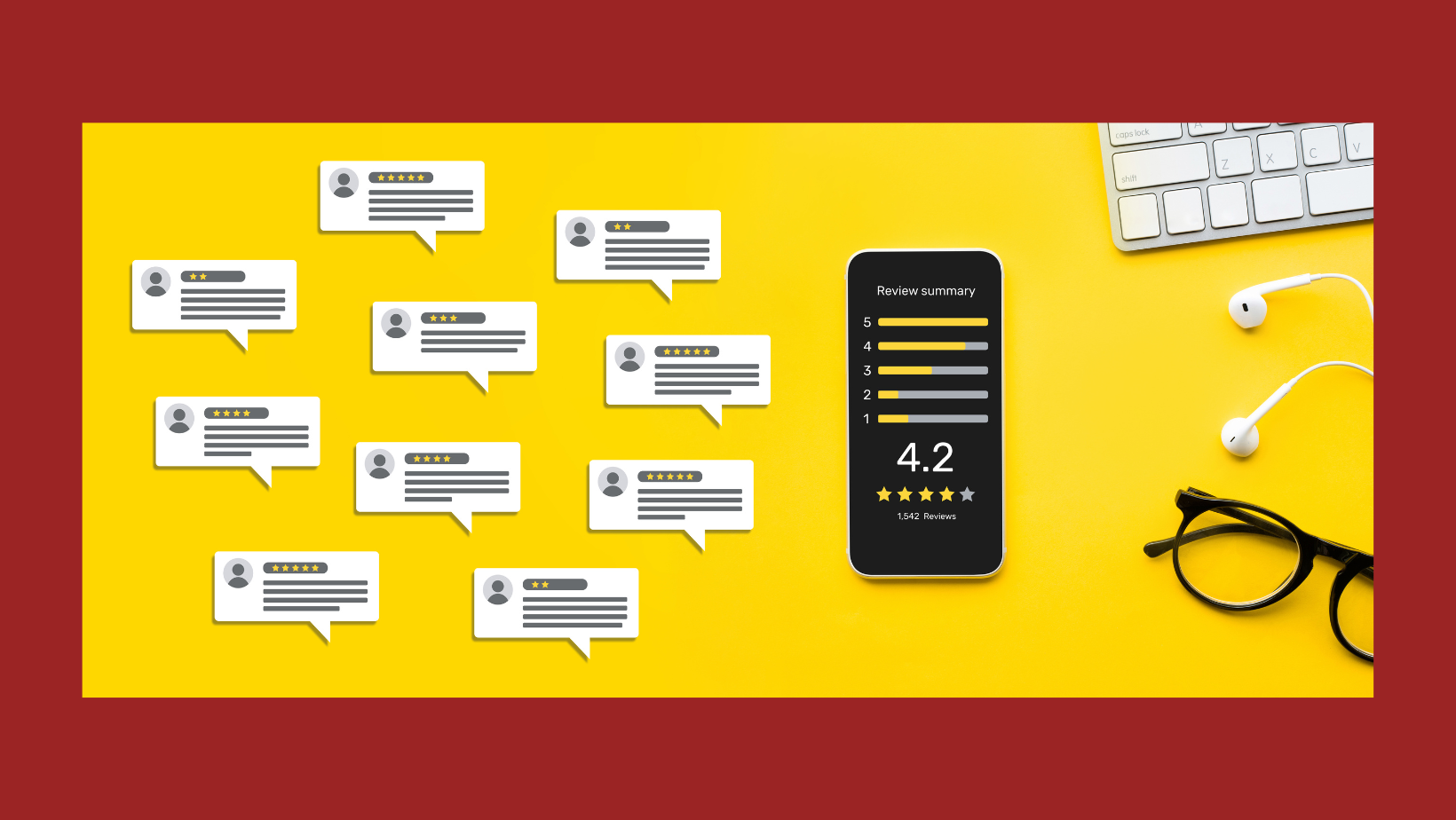
Consumers are also influenced by others, through reviews. If a product has great reviews, or if a consumer’s friends are raving about how good a product is, they are likely to buy it. But, if their friends are really slating a product, or it gets negative reviews, they probably wouldn’t buy it.  

There are several factors that influence how consumers make their buying choices. In this blog post, I’m going to talk about five of them…

  • Psychological
  • Social
  • Cultural
  • Personal
  • Economic

All these factors can be split down further.

Psychological factors

How someone feels about a particular product when they are presented with it will depend on their state of mind. Their state of mind will determine not just how they feel about the item itself, but also about the brand.

Social factors

Most of us want to be accepted socially, and this can affect buying habits. To be socially accepted, some people will mimic others, including copying what they buy.

Family, friends, work colleagues or other groups will play an important part in the way people see different products or services. These groups all help to influence buying behaviours.

Cultural factors  

Culture is not just defined by a person’s nationality. It can also be defined by who they associate with, religious beliefs or even people living in the same geographical location.

Personal factors

Personal factors include age, occupation, marital status, budget, personal beliefs, values, and morals.

Economic factors

Consumers are affected by the economic condition of a country. This is evident right now with inflation at an all-time high – people can’t afford to buy too many luxuries, as they must concentrate on paying the bills, heating their homes, and putting food on the table.

Economic factors include personal income and how much disposable income is left after everything has been paid each month. It also includes family income – again, what’s left over that the family can enjoy.

Consumer credit is another factor. People have credit cards so can buy goods when they want to. Consumers are more likely to buy luxury and comfort goods if they have access to higher credit, or can pay through a credit card, easy instalments, or bank loan. I’m not saying this is good – it’s just a factor.

The Five stages of the consumer buying process.

Now you understand the factors that influence the buying process, let’s look at the five stages people go through when deciding to buy.

  1. The problem. A consumer notices they have a problem they want to solve. This could be anything from needing to get a new outfit for a special event, to buying a new tap for their sink.
  2. Research – the next stage is to research how to fix their problem. This might be trawling the internet for recommendations, or to look at various sites that sell what they’re after. It might be talking to a friend or family member for their advice.
  3. Find a solution – once they have all the information they need, they can start comparing brands and looking at reviews to help them decide on a solution.
  4. Buy – the consumer makes a decision and decides to spend their money on the solution they’ve chosen.
  5. Review the product – some consumers will leave a review about the product they’ve bought – some won’t. Either way, they will still personally review the product and decide whether they would recommend it to others…and whether they’d buy from that brand again.    

The four types of buyers

It’s also worth knowing about the four different types of buyers, so you can market your products or services accordingly. The four types are different, based on what motivates them to buy.

  1. The analytical buyer – this person is motivated by logic and needs to have lots of information. They want to look at all the data on the different brands and different types of products available before making an informed decision.
  2. The amiable buyer – this person is warm and friendly and just wants everyone to be happy. They can often be stumped by having to make big decisions, especially if there is a perception of a win/lose outcome.
  3. The driver buyer – this type of buyer is really concerned with how others view them, and whether they should follow the trend setters. Drivers are most concerned with their appearance rather than the relationships that are formed during a transaction.
  4. The expressive buyer – this buyer is driven by relationships. They hate the feeling of isolation and don’t like being ignored during a transaction. They like to feel as though they are your most important asset.

Of course, you can’t slot everyone into one of the buyer categories and often consumers will fall into a combination of the buyer types.

Conclusion

As you can see, consumer behaviour is influenced by many things; psychological, social, cultural, personal, and economic.

It’s also worth knowing the buying process and the types of buyers – this can help you figure out how you can reach and influence the people that are most likely to buy your products.

If you’d like to take a more in-depth look at your customers and target market, contact me for a free 30-minute call and we can talk about how to find the right market for your products or services.

Do you speak the same language as your customers?


To be successful in business, you need to really understand your customers, know their likes and dislikes. But in this age of increasing technology, such as AI, are you losing the basics on how to speak the same language as your customers?

Why is it so hard?

  • Due to the internet, social media and ‘easy to navigate’ online stores, consumers have a huge array of choices, as well as the cost comparison sites to help them. This means that they have more power than ever before.
  • Everyone is constantly bombarded with data and ads on their social media sites and through spam email, causing an overload, which makes it harder for them to make decisions about what they want.

When you weigh all this up, it’s not hard to understand why knowing what consumers want is so difficult.

How to find out what your customers want

But let’s talk about a particular consumer group – your customers! The quickest and easiest way to find out what they want is to simply talk to them…yes, it really can be that simple, but it’s something that a lot of businesses overlook.

When was the last time you picked up the phone to speak to your customers without a hidden agenda….just to say ‘hello’? So, why not arrange to meet some of your customers face to face – arrange a coffee morning. If that’s not possible, set up an online meeting. There are so many options to do this these days.

Show them that you care about their custom and that you’re genuinely interested in them and, if they have one, their businesses. Ask them how they approach problems in their business and ask them to describe how they deliver value to their customers. Listen carefully to their replies.

Ask them to describe your products and services? Are there any particular words and phrases they use? Ask them what they think of your competitors – listen to how they describe them, what words and phrases they use. Take note of their language and how they describe things and use the information to adapt the language of your marketing, use their way to describe your products….if you’re using their language, they will more easily identify with you.

If you talk to your customers on a regular basis, asking them questions about the products they’ve bought (not necessarily just from you) and listening to what they have to say; their worries, concerns and frustrations, you will learn what makes them tick. Listen to the questions they may have about your products and services, including any objections or criticisms, and ask them how you think you could solve any problems.

This is just the tip of the iceberg, but for the small business, talking to customers can have a huge effect on how customers view you and your business. Everyone likes to feel valued and, by talking to your customers, you’re showing them you care about them and their opinions. If you also go ahead and put some of their suggestions into practice, they will feel even more valued…and are more likely to be loyal to you and your business. So, cut out the fancy, long  words and heavily descriptive text, just describe who you are, what you do and who your products and services are aimed at.

Nothing will increase the popularity of your brand than speaking plainly in language your customers can understand.

Good luck and get listening to your customers – they will teach you how to speak their language and give your business the ‘thumbs up’!

If you’d like to speak to me about your business and how to get the right kind of content in front of your target audience and existing customers, or need help with a content marketing strategy and plan, feel free to contact me. I offer a free 30 minute consultation.

How to make your business stand out in the crowd


Starting a business, any business, is a fairly easy process. Anyone can get business cards printed and hand them out, but how do you stay in business? People have so many choices these days. There are so many different places to spend their hard earned cash. How can you make them pick your products/services? How can you make your business stand out from the rest?

Know your competitors

In order to stand out from the rest you need to know what the rest are doing; what they stand for; what they offer; how they are different to you.

Think about some of the big brand names in the marketplace, such as Virgin or MacDonald’s. How do they make sure they stand out from their competitors? What do they do differently?

Now, think about what makes you buy a particular brand over others. Try this small exercise….pick three brands that you buy regularly (could be a toothpaste, a skin care product, cleaning product, item of make-up). Why do you buy that particular brand over others? Is it simply because they’re cheaper? Is it because the latest advertising for that product encouraged you to try it? Or is it a brand you’ve always bought as you really like it? If this is the case, what makes you really like that brand?

Stand out from the rest

Once you know what your competitors are doing and why they stand out; once you’ve looked at some of the big brand names and what makes them different; and once you’ve looked at what you buy and why, you can look at your own products or services and see how you can make your brand proposition more appealing.  If you have a particular target market, such as women over 40 for example, think about how you are going to get your products/services in front of that specific group. Where do this group go? What do they do? Could you advertise where you’ll know they’ll be….leave business cards and flyers?

What about your online presence? Do you have a good looking website, Facebook page or online shop? Is your brand attractive? Would it encourage someone to try your products? What would encourage you to buy your products or services? #

Seven areas to focus on

As I see it, there are seven main areas to focus on to make your business stand out from the crowd.

  1. Know what your customers want, and wherever possible, give it to them
  2. I’ve talked about this before in previous articles, but make your customers feel valued, care about them and give them a good experience every time they contact you – excellent customer service is a must in every business.
  3. ID-100370861Do something to entice people – a free first consultation, a free gift or trial – everyone likes a something for free!
  4. Set yourself up as an expert in your field – solve your customers’ problems
  5. Advertise – give out business cards, flyers or brochures. Advertise in free directories and pay for the odd ad in your local paper
  6. Be interesting and informative on your social media sites….NEVER be offensive. It can take years to build a good, loyal customer base and one wrong comment to tear it all down.
  7. Ask your existing customers for feedback…and use it to promote your business. Use the positive feedback on your website, your Facebook page – anywhere potential customers may be looking. And if you do get negative feedback…address it IMMEDIATELY!

At the end of the day, people have money to spend and just want to spend it. Generally, they don’t care how long you’ve been in business. They care about how your product or service is going to help them – it’s up to you to show them that you mean business! That YOU are the company to choose.

If you’d like help getting your business to stand out from the crowd, but don’t know where to start, I offer coaching packages to help you with a marketing strategy for your small business.

Third image courtesy of Stuart Miles at Free DigitalPhotos.net

Managing your online reputation!

In the dim and distant past, the reputation of a small business was all about word of mouth. With no internet, reputation was based on you…how you conducted business, how you interacted with your customers and how your products hit the mark. If you got a negative comment, you would soon know about it, as most businesses were local, and you then had the chance to fix it.

Nowadays, most businesses, even very small businesses, have an online presence – be it a website, social media page or advert. Because of the internet, small businesses are not limited to local business; we can sell worldwide and reach millions of people at the click of a mouse…and businesses are open 24 hours a day, seven days a week. Although this is fabulous, in that you can reach millions of potential customers, it’s harder to manage your business’s reputation. If someone has left a negative comment somewhere on the web, you won’t always see it, but it can be just as damaging as a word of mouth negative remark. So how do you manage your online reputation?

Google your name

Have you ever googled your name or business name? Try it and see what pops up…you will be surprised…when I did it, there was information about me and my business, but also various events I was involved in years ago when I was employed in the UK. Also try entering your name into google images – that surprised me too!

Every single day, thousands of people are looking online for information about businesses or just a particular person, simply by typing their name into a search engine. With information about you and your business in the public domain, managing your reputation is crucially important. It’s not difficult to manage, but it does take time.

What if you find a negative comment online about your business? You’ll probably want to remove it. If the comment is something someone has said about you on their website or blog, contact them direct and politely ask them to remove it.

Set up Google Alert

You can go into Google Alert and request that you get an email notification every time your name is published online. Simply type google.com/alerts into your browser and open the site. Type your name or business name into the search box. Choose ‘show options’ to narrow the search to a specific language/source/region. Then select ‘create alert’ – you can choose to have alerts sent to you daily or weekly…and you can cancel at any time. I’m doing it for a month just out of interest to see who searches my name…could be interesting!

Be active on Social Media

Not all of us want to do this or have time to, but it is worth joining a few social networks – even if you just use them to fully fill out the profile pages. You don’t have to be completely active on them all the time, but if you add content once a month, this can help your online reputation. As well as the usual sites, such as Facebook, LinkedIn, Twitter and Instagram, there is also Tumblr, Pinterest and YouTube, which are great channels to be a part of. I belong to a few of them, but am mainly active on Facebook, LinkedIn, Pinterest and YouTube. One of my goals for this year is to be more active on these and a couple of other sites…even if only adding the odd article or adding a comment to something and why it is interesting to me.

If you do go onto new sites, fill out as much information as you can, especially your name – make sure you use your full name, not nicknames.

It’s also very important too, that if you do set up social media sites and potential customers contact you or ask questions, that you reply promptly. If you’re on social media sites, people expect you to be sociable! By posting regularly, asking questions, answering questions and giving advice, you’ll be engaging with people and eventually you will find you have a good and lasting relationship with your audience.

Be careful about what you post

There are times when we all take photos on a night out and post them to Facebook … but be wary of doing this as it could seriously affect your business reputation. The problem with social media is that other people can take photos of you and post them without your permission. If you do post pictures, remember to put a privacy setting on them so only your friends can see them. There is still a problem with this as social media sites are always changing their rules and regulations, so you can’t be sure that privacy settings are really private…or will be in future. I always used to tell my children when they were teenagers – don’t post anything that you wouldn’t mind your grandparents seeing or, for that matter, the whole wide world! After all, it is the World Wide Web!

If someone does post an embarrassing photo of you and ‘tags’ you in it, you can remove that tag … and there is nothing stopping you from contacting the person who has posted it and asking them to remove it.

Encourage reviews

The upside to having an online presence, such as a website or blog, is that you can encourage reviews of your products and services. This is great for your reputation as those that love what you do tell the world about it when they write a good review. However, there will always be the odd person who will give you a bad review or say something negative about you or your business. This is not necessarily a bad thing; the knee jerk reaction is to delete negative comments, but in reality, if you can address the problem publicly, taking a proactive approach, apologising if necessary and offering alternative products or solutions…or asking the person making the comment to suggest how you can address the problem. Often, this shows you listen to your customers and take action, which can only show you in good light. The worst thing you can do is to ignore it and hope it will go away, or delete it. My advice would be to always reply and try and address any issues. Often this turns a negative into a positive.

If you don’t monitor and actively improve your online reputation, you are missing an ideal opportunity to grow your brand, earn respect from your customers and hopefully build your business.

I hope this article has helped address some of the issues around managing your online reputation. If you have any other tips, please let me know – what would you add to this list?

How to write creative, persuasive content

Do you dream of being able to write creative content that is persuasive and that inspires your readers? It’s not as difficult as you may think and is all about structuring your content so that your article is appealing and irresistible!

There are four forms of content…

  1. Written
  2. Audio
  3. Video
  4. Images

No matter which medium you’re working on, it’s crucial that your content is valuable and useful to your reader…or they simply won’t read it and it won’t resonate with them. Your articles need to help solve a problem or improve their life in some way. This will also help set you up as an expert in your field.  

Create a content strategy

Your content strategy is your why, who and how. Why you are creating it, who is it aimed at and how are you going to get it out there. Businesses use content marketing to build an audience and to either increase their revenue, lower their costs or to get better customers. For me, it’s about engaging with my audience and, almost as a proof point to illustrate that I know what I’m talking about and am experienced in this field.

Publishing content is great, but it also needs to be published consistently. It needs to educate, entertain or inspire your audience. This way you can turn total strangers into followers and then those followers into customers. You do this by building relationships and solving problems.

Know your audience

Once you know what your strategy is, you need to build the content around your audience. What makes them tick? What problems do they have? What do they look like? If you know your audience well and know what they want, you can really deliver.

Now you’re ready to choose which form of content to use. Try and utilise a mixture as this will help keep your audience’s attention.

Written content

This is the most popular and most used way to communicate with your audience. There are lots of different ways to communicate using the written word…

  • Blogging – Blogging is about writing relevant, useful, informative and entertaining copy. A blog is a regular, consistent post. Your audience can follow your blog, and so get informed automatically every time you publish a new one. Anyone can start up a blog about absolutely any subject you can think of! There are cookery blogs, health and fitness, nutrition, fashion, travel, crafting…you name it, and I can guarantee it’s out there.
    A blog post can be as long or as short as you like – you will soon get to know what your audience likes. Use SEO (search engine optimization) to get ranked higher in search engine results and use categories and tags to make your blog easier to find.  See my two articles on SEO for more details on how to do this – SEO part 1 and SEO part 2.  
  • Email – A direct way to communicate with your followers. If you have a ‘subscribe to email’ button on your website, you can regularly keep in touch with your customers and followers. Just be aware not to overdo it and bombard people with emails every day, or use them solely to sell or push your products/services, or you will find lots of ‘unsubscribes’.
  • Newsletters – These used to be hard copy, but most businesses send these out via email nowadays. It is, in effect, an email as in the last point, but this is specifically your newsletter. Again, don’t go mad with the frequency – once a month is great and also more manageable for you too. You can give news on what you’re doing in your business, any new products or services on the horizon or any freebies you might have created. Or, it might be just some interesting information you want to share, or hints and tips. And of course, you can use it to share links to your blog post.  

Audio

Podcasts are very popular and are growing in numbers every day. There are less podcasts out there, than there are blogs, so it is a good one to try for your business. Like blogs, they can be about absolutely anything…someone out there will be interested in what you have to say. It’s also a great way to reach your audience as they can listen to your podcast whilst driving to work, or working out. Your audience don’t necessarily have to set aside a certain amount of time to catch up with your latest message.

Video Marketing

This has been around for a long time now, but it is fast becoming the norm for all sorts of small businesses, as well as the larger corporates. You can ‘go live’ on social media, or record a short message to your customers/followers. It’s versatile, you can say what you like and most importantly, you will reach your audience more quickly. In a few seconds, you can convey a mood, a setting and your message can be received shortly and succinctly in less than a minute. There are lots of ways to use video in your marketing…

  • Live stream – in real time on social media accounts. As it’s recorded ‘live’, it will be a ‘warts and all’ recording, so you won’t be able to edit out any mistakes – but this does add to the excitement and appeal. People see you as you are!
  • Recorded stream – the same as the ‘live’ stream, but you’ve pre-recorded it before you put it out, so you can edit out anything you don’t like and add in anything that might have forgotten with the ‘live’ version.
  • Vlogging – the same as blogging, but using video. This can be longer that the ‘live’ or pre-recorded videos. Your audience love these as they feel they are getting to know you as a person – if you Vlog regularly, they will get used to seeing you and this helps build a relationship and trust. If you decide to Vlog regularly, it will be worth setting up a YouTube channel so you encourage more visitors.
  • Whiteboard videos – these are animated or sketched videos, so the subject matter and scenery is not real.

Images

Using images is also a great form of content marketing. They are usually on your website, on social media or within a blog. Images can be very powerful to help you convey a message and help you create more impact. They say that a picture is worth a thousand words, and whilst this can be true, I tend to use them more to enhance my messaging.

The only downside is that search engines don’t necessarily recognise images, so a good tip is to make sure you add a caption to your images, known as alt text, wherever it is relevant. If using in a blog, use keywords to help the search engines find the images.    

AND SO, ONTO YOUR ACTUAL CONTENT

Writing your content

Here are a few tips to help you write your content to help make it more persuasive.

  • Write the headline first. Make sure it is compelling and sparks the curiosity of your reader to want to read on.
  • Write your subheadings next. This will help you plan your content and split it into readable chunks for your reader.
  • Add a few captions. Captions catch the readers’ eye, so add a few in for good measure!
  • Opening paragraph – this is what will draw the reader in and help them decide whether they want to, or can be bothered to, read the rest. People spend seconds scanning an article and, if the opening paragraph and headline doesn’t draw them in, you’ll have lost that reader.  
  • Closing paragraph – Depending on what you’re writing about, this is the end of your article/blog or whatever. Use it well; maybe reiterate the most important take-away from your article and have a CTA (call to action) so they know what to do next.  
  • Bullet points – these are easier to remember and, if someone is just scanning your article, these are likely to be read. So, make them stand out, make them full of good hints or tips and great advice. Make them totally fascinating!

Now we know what to include, let’s dig a bit deeper…

Why is a headline so important?

On average, only 20% of people read an article beyond the headline. If your headline doesn’t grab attention then of those 20%, even fewer people will read your content. So what can you do?

  • Give a benefit in your headline. Give your readers an incentive…’how to’ do something or a recipe. Use numbers…’20 ways to …..’
    Let them know that there is something in it for them.
  • Absolutely command attention. Not always easy, but remember you only have a few seconds to hook someone in. Use power words or positive words, such as ‘inspiration’, ‘revelation’ or even things like ‘is your business doomed because…..’
  • Be specific. Make your headline specific to the article – don’t use a generic headline. For example, if you were writing an article about Mental Health, just having the title ‘Mental Health’ isn’t very inspiring and won’t necessarily pull in your audience, but if you have ‘Mental Health – what does this mean?’ or ‘Mental Health – 10 ways to help yourself’, you’re giving specifics and are more likely to get readers.
  • Don’t get cocky. Don’t try to be too clever with a headline, as these are notoriously hard to come up with. And, they can spectacularly fail!
  • Use a proven structure…as talked about in previous points. Being original is great, but you can try too hard!
  • Keep on, keeping on – practice, practice, practice…makes perfect! Take notice of headlines when you’re reading a newspaper or magazine. Look at headlines on billboards and understand how they capture your attention.
  • Action – Know what action you want your readers to take and make sure that is incorporated throughout your article and in your headline.        

Write content your readers will remember

Here are a few tricks to help make your content unforgettable.

  • Emotion – appeal to your reader’s emotions – this makes them care about something and if they care, they will remember.
  • People have short attention spans – use sound bites to grab attention. I’ve heard the term ’60 is the new 40’, referring to the fact that people now live longer…this is a sound bite.
  • Surprise your reader – Say something unexpected – the element of surprise always makes people remember
  • Use solid details. As well as all the trivial stuff, make sure your content has some real concrete solid details and information that help your readers understand your content.
  • Use stories. It could be a case study, or just a little ‘aside’ piece from your personal memory. People love stories, so be a good storyteller.

Using persuasive writing

If you want your readers to buy something, subscribe to your course or newsletter, you need to be persuasive. Here are some of the reasons you can give your readers…

  • Tell them why…why they should buy your product. Keep it simple – use the word ‘because’ – that tells them all they need to know.
  • Expect objections. If you’re on social media, you’ll know that no matter what you post, there is always someone who objects or who doesn’t agree with you. So, when writing copy, anticipate those objections up front and address them!
  • Give an incentive. Most people have endless curiosity. So give incentives to read to the end of your content…. ‘As well as this, you’re going to love…..’, ‘Here is the best bit’…’Here’s the most awesome part…’. You get the picture!
  • Use stats – these give credibility to your content. And quote your source if there are lots of specific stats.
  • Be passionate about what you do. If you love what you do, it will shine through your work.
  • Give the benefits of what you are offering. You might have told readers why to buy your product/service, but also list the benefits – what can it do for them? How can it make their lives easier? How can it save them time and money?
  • Write about a subject you know about. It will be obvious if you are just spewing out information. KNOW what you’re writing about as it will be easier to be more persuasive about it. And bear in mind that the person reading might not know anything about the subject you’re writing about, so keep the ‘beginner’ in mind.
  • Have a clear call to action or call to benefit. Once they’ve read the article, tell them what to do next and remind them why it’s good, and why they should click or subscribe or buy!     

At the end of the day, you know your customers and you know who your ideal customer is. Write for those people. Write as if you’re talking to a friend in a pub over a drink. Use easy to understand language and not jargon.

Entertain your audience, educate them, inspire them – ultimately you will sell to them. But as with most marketing tactics, it’s important to have that all important engagement first.

If you would like help creating your Content Marketing Strategy, but don’t know where to start, contact me via this blogsite, or drop me an email at cindymobey@outlook.com for a free 30 minute consultation to find out how I can help.