

To be successful in business, you need to really understand your customers, know their likes and dislikes. But in this age of increasing technology, such as AI, are you losing the basics on how to speak the same language as your customers?
Why is it so hard?
- Due to the internet, social media and ‘easy to navigate’ online stores, consumers have a huge array of choices, as well as the cost comparison sites to help them. This means that they have more power than ever before.
- Everyone is constantly bombarded with data and ads on their social media sites and through spam email, causing an overload, which makes it harder for them to make decisions about what they want.
When you weigh all this up, it’s not hard to understand why knowing what consumers want is so difficult.
How to find out what your customers want
But let’s talk about a particular consumer group – your customers! The quickest and easiest way to find out what they want is to simply talk to them…yes, it really can be that simple, but it’s something that a lot of businesses overlook.

When was the last time you picked up the phone to speak to your customers without a hidden agenda….just to say ‘hello’? So, why not arrange to meet some of your customers face to face – arrange a coffee morning. If that’s not possible, set up an online meeting. There are so many options to do this these days.
Show them that you care about their custom and that you’re genuinely interested in them and, if they have one, their businesses. Ask them how they approach problems in their business and ask them to describe how they deliver value to their customers. Listen carefully to their replies.
Ask them to describe your products and services? Are there any particular words and phrases they use? Ask them what they think of your competitors – listen to how they describe them, what words and phrases they use. Take note of their language and how they describe things and use the information to adapt the language of your marketing, use their way to describe your products….if you’re using their language, they will more easily identify with you.

If you talk to your customers on a regular basis, asking them questions about the products they’ve bought (not necessarily just from you) and listening to what they have to say; their worries, concerns and frustrations, you will learn what makes them tick. Listen to the questions they may have about your products and services, including any objections or criticisms, and ask them how you think you could solve any problems.
This is just the tip of the iceberg, but for the small business, talking to customers can have a huge effect on how customers view you and your business. Everyone likes to feel valued and, by talking to your customers, you’re showing them you care about them and their opinions. If you also go ahead and put some of their suggestions into practice, they will feel even more valued…and are more likely to be loyal to you and your business. So, cut out the fancy, long words and heavily descriptive text, just describe who you are, what you do and who your products and services are aimed at.

Nothing will increase the popularity of your brand than speaking plainly in language your customers can understand.
Good luck and get listening to your customers – they will teach you how to speak their language and give your business the ‘thumbs up’!
If you’d like to speak to me about your business and how to get the right kind of content in front of your target audience and existing customers, or need help with a content marketing strategy and plan, feel free to contact me. I offer a free 30 minute consultation.

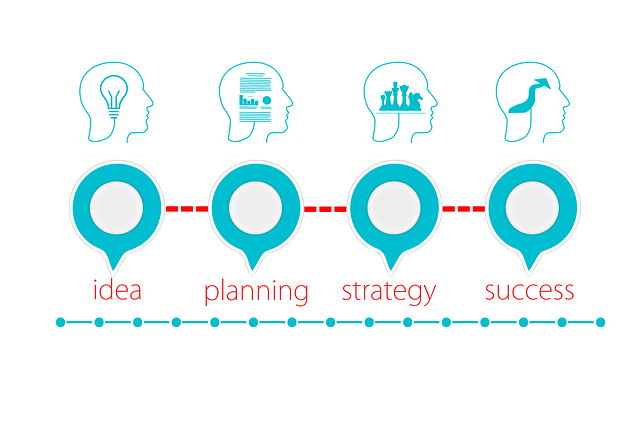 So, you have your own business and you want to promote it – get your product or services out there. How do you go about it? Where do you start? It’s really important to have a content strategy….as this will help you structure exactly what the needs of your business are and what exactly is the right content for your business.
 If you don’t send content out at the right time, then you are wasting your time. You need to firstly understand your audience or intended audience – what do your customers want? Do your customers or potential customers have questions that you can answer? Do you have solutions to your customers’ problems? If you are aware of these things, you can plan to put content out at the right time.
 December and January is the ideal time for you to look at planning for next year. It’s time to take stock and look back over the last year – what worked well for your business and what didn’t work so well? Which way are you going next year?
 If you haven’t asked for feedback, then why not do it now? Why not send out a short survey asking some questions to help you decide which way to go next year – get your current customers’ opinions and ideas – their input could open a whole new market to you.
 The Write Way