

2020 has been the year of working from home. Are you looking forward to going back to work or is it just another day NOT at the office for you for the foreseeable future?
According to the English newspaper, The Guardian, it has been reported that “only 34% of British white-collar workers had returned to the office, compared to 83% in France and an average of 68% among major European counterparts.” So, if you are working from home, how do you cope? For some, this has been a massive transition.
I’m lucky enough to always work from home, but I also live in rural France, where it is very quiet. I’m not sure how I’d fare in a city with noisy neighbours or sounds of traffic. The only problem I encounter on a regular basis is the inefficiency of my internet provider – being in a rural area means the signal is not always great. But I’m learning to manage that. But I guess that, so long as you don’t have neighbours who suddenly decide that DIY with noisy machinery is what they want to do all day, it works well…and the Covid pandemic means that more and more workers have had the chance to experience what it’s like. But of course, there are other factors to think about. Here are some handy hints and tips for working from home.
Start the day promptly

It’s very easy when you work from home to procrastinate and ‘just do’ a few things before you get started. So, try and think of it as a normal working day. When you go to the office, you get up, shower and get to work. Try and do the same at home. Try and stick to your normal routine. Get up, shower, have a coffee and breakfast and set yourself a time to start work.
Structure your day
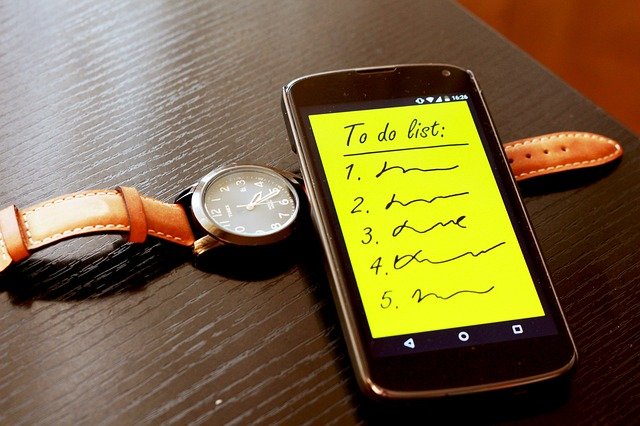
Get a normal structure going, as you would if you were at work. Have a ‘to do’ list and break your day into segments. For example, you might trawl through your emails first thing to see if anything urgent needs doing. Then get on with the tasks you’d normally do in the morning. You can stop for a coffee break/comfort break, as you would at work and of course, have a break away from your screen and desk at lunchtime. But don’t be lulled into the false sense of security of allowing yourself an extra half an hour to scroll social media or watch a daytime TV programme. This can seriously impact your efficiency. I know as I’ve been there and done that!
Have a dedicated work space
Rather than sitting on the sofa with your feet up and laptop on your lap, try and create a dedicated work space, with an office ‘desk’. This could be your kitchen or dining room table, but having this space encourages you to focus more and feels more like you are ‘going to work’.
Eliminate distraction
For me, the biggest distraction is social media and email. If I have them switched on when I’m working, I can’t help but respond to every ‘ping’ I hear. This is counter-productive and a huge distraction, causing lots of wasted time. I schedule a time to look at my social media pages, answer questions or comments on posts, and answer DMs etc. I also schedule time to post to my own business social media pages. Other than that, I switch it all off, so I don’t hear those enticing pings!
Know your most productive times
We all work differently, and working from home is a different experience for everyone. What is the best time of day for you to get the harder tasks done? For me, it’s in the morning. I write better in the morning and have more concentration. So, I schedule the most important, urgent or difficult tasks for the morning, and leave the things I find easier to cope with for the afternoon.
From research I’ve done on the subject of working from home, most articles advise that you save all your calls until the afternoon. However, I find that checking emails, responding to requests or phone calls are better done in the morning, before I start writing. If I think the calls are going to take me a long time, I might do them straight after lunch, but I think better in the morning, so it’s better for me to do them then. You may feel completely different – it’s about doing things in the order that best suits you.
Have some planning time
As an ‘at-home’ worker, I tend to do my planning for the next day late afternoon, or even in the evening. Whatever suits you best, ensure that you do have time in your diary to plan your next project, or plan the tasks that need to be done the following day. There will always be times when all your plans go out of the window and something happens that needs your immediate attention – that can’t be helped, but having a plan means that you’re ready to get up and go each day, knowing exactly what you need to do first.
It can be lonely
I think that the pandemic has probably taught a lot of us that isolation can be a big problem in working from home. Before lockdown, you could always relocate for a morning at the local coffee shop, so you are around other people, but lockdown means that bars and cafes are closed, so you are stuck completely at home. This is where technology comes in – you can keep in touch with other work colleagues or friends using messenger, Zoom or FaceTime calls. You can also join virtual meetings in the same way, so you don’t feel quite so alone. And it is good to check in with your work colleagues to chat about a particular project or ask advice. Sometimes just to chat through your day.

I know quite a few people who work from home in rural France. I know that a lot of them have a music playlist in the background to help them concentrate. Having some kind of noise in the background may work well for you. I even read somewhere that one lady has The History Channel on quietly in the background as that helped her concentrate. Again, it’s what best suits your situation and how you work.
Manage the family
This is where I am lucky, as I live with just my partner. Our children live in the UK, so chats with them, and with each other, tend to be in the evenings. If you have your partner also working from home, or maybe retired, and children at home, then they have to be considered and their expectations managed. Just because you’re working from home, doesn’t mean you’re home, so they need to learn to respect your work time and not constantly disturb you. Having set hours that you work does help with this and they will also know what time you will be finishing, for lunch for example, so can chat and interact with you then. Obviously this is not always going to happen if you have young children at home, but it’s about trying to manage whatever situation you’re in as best you can.
Take breaks and have a finishing time
Finally, make sure that you do take regular breaks. I usually start work around 9.30 – 10am and don’t take a break until around 1pm. I’ll have a snack lunch, and sometimes have a wander around the garden. I might put washing on the line or do a bit of tidying up, or maybe half an hour weeding the flower beds, but I keep my lunch break to about an hour, so that I get back to work at a reasonable time.

I sometimes have another short break around 4pm and always switch off my PC between 6 – 6.30pm.
Above all, be kind to yourself and if you have the odd day where every plan goes out the window and you’re just not feeling it….don’t! And don’t feel guilty about it. If you’re not in the right frame of mind, you won’t get anything done and will find yourself procrastinating. Get some fresh air and focus on something else for a while and you might find you at least gain back some of your day. If you don’t, don’t punish yourself, you’re only human and sometimes there will be days when it’s just not happening.
For most, I’m sure that 2021 will see some sort of return to work. Some of you may be lucky enough (or unlucky, depending on how you look at it), to carry on working from home. It’s about what works best for you and only you can really know that. The tips in this article are meant to help with a bit of organisation, but you may find other ideas that work much better. It’s important to look after yourself and I wish you all the luck in the world to do what works best for you and your situation.
I’d love to hear from other home workers and how they’ve found the transition from busy office to working remotely. Let me know in the comments below, or feel free to email me.


 These are tasks that take longer than you thought they would, or tasks that have a high risk of procrastination or distraction. Once you can identify these, you can allocate a set amount of time to doing them each day, so you concentrate on just that task and get it done – with a time constraint, there is less chance of being distracted or of taking too long to do it. Tasks could include email, phone calls, meetings and breaks – they are not productive, so give them a limit.
 giving any one task your full attention. This can lead to having to revisit tasks as you forgot to do something or made a careless error. In turn, this ends up wasting you more time having to revisit. Turn off email and your phone so you can’t receive messages and emails whilst you’re focusing on a particular task. And put your phone onto answer phone with a message that says you’re busy right now but leave a message and you’ll get back to them within a certain amount of time – could be an hour or just half an hour – whilst you concentrate on getting an important task finished.
 you time to focus on the important stuff. Hire someone to either do the mundane stuff that you really don’t have time for, or for the more complicated things that you don’t know how to do, or that you know will take you too long as you’re not experienced in that area. You can also delegate or outsource tasks you absolutely hate doing. There is nothing wrong in delegating or outsourcing; it simply gives you more time to do the things you enjoy or that need to have your undivided attention.
 The US President Dwight Eisenhower once said, “What is important is seldom urgent and what is urgent is seldom important.” This is where the 80/20 rule (or Pareto principle) can help…80% of results come from 20% of effort, so it’s important to look at your list of tasks and decide what is actually important and just requires a bit of attention. Spend most of your time on the critical 20% and less on the rest…even if it does seem urgent.
 after a tomato shaped timer (pomodoro is Italian for tomato). You set the timer for 25 minutes, work solidly until the timer sounds, then give yourself a 5 minute break before going back to do another task for 25 minutes. This is a great technique if you struggle with focusing on a task or structuring your time. This is a great method to use if you want to ensure you only devote a certain amount of time to one task or if you have trouble focussing.
 hours a week to plan what you will achieve the following week – set yourself achievable goals by writing a ‘to do’ list – It’s such a good feeling to tick off the items on the list and to feel you have achieved something. And, make sure that your goals are
 The Write Way