
With the Coronavirus came the inevitable…lockdown and self-isolation. For many, it’s a chance to catch up on all those jobs we’ve been meaning to do, (and an ideal time to get your OH to do everything he says he’s going to do ‘when he has time!’). You might be literally self-isolating completely by yourself, or you may have a husband, wife or partner – your children or parents may be with you.
No matter what your own situation, for those who suffer from anxiety or have mental health issues, it might be a time of consternation and worry, exacerbating symptoms and a feeling of helplessness, although for some their anxiety may be the thought of having to go out and what might be out there.
For those who run their own businesses, it might be that you’ve had to close your business and you’re worrying about money, which is a big stress factor. So are there any coping mechanisms that can help during this tough time?
Psychologists are saying that it’s normal to feel worried and anxious in a crisis like this…the virus is new; so far there is no vaccination and it is stumping even the experts. But the stress you feel around this can be managed.
How to cope
There are many ways to keep yourself occupied, so you don’t have time to think about the virus and to help relieve stress and anxiety…
- The first step is to recognise your symptoms – to know that you are suffering from a mental health issue
- Try to eliminate any toxic thoughts that might contribute to your negativity
- Don’t watch every news story or read every post on social media about the crisis – it just adds to your stress levels, especially when you see nasty comments and unnecessary hype.
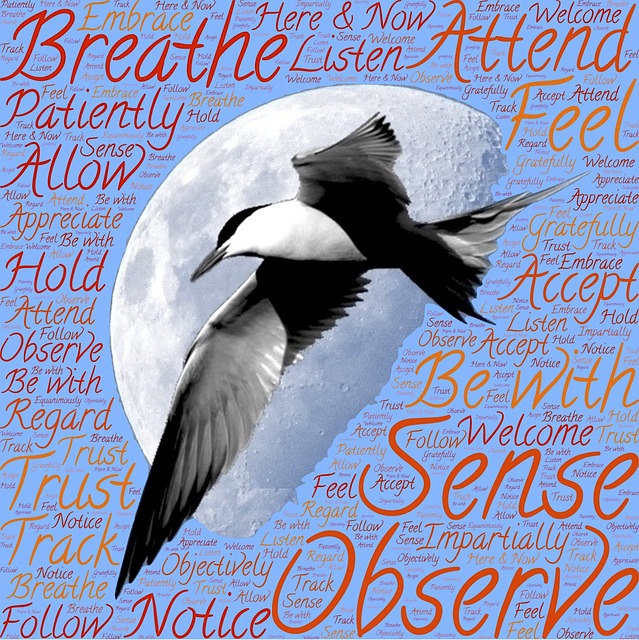
- Try to focus on what you are grateful for – this could be something as simple as sitting in the garden, watching a sunrise or sunset, or just listening to the birds with your eyes closed
- Meditation
- Attempt to maintain a healthy regime – eat meals regularly, go for a daily walk or have some kind of exercise
- Eat a healthy and nutritious diet which will help your immune system and limit the amount of sugar and alcohol intake. Avoid smoking if you can.
- Use phone or video apps to connect with your family and friends – a good old chinwag helps alleviate stress
- Make sure you get plenty of sleep. Sleep is a priority for physical and emotional well-being, as well as for your mental health. This is something that, for me, is a sign I’m stressed – I don’t sleep well.
- If you are working from home, have regular breaks – drink warm drinks and get away from your work for a while. If it’s nice and you can, get outside and walk around for a few minutes
- Do you have a hobby? No matter what your hobby is, or used to be, now is the time to get back to it, be it painting, photography, sewing, crochet, yoga etc. If you’d like to learn a new skill, just google search ‘beginners course in XXXX’ – often you’ll find YouTube tutorials or free courses for you to focus on
- If things are really getting on top of you, seek professional help – there is no shame in asking someone to help you and you might find it’s the best thing you’ve ever done
There are often local support groups you can join…and during this crisis, there are several groups online, such as on Facebook, where like-minded members support each other and help each other out, have a laugh, discuss all sorts of things not related to the virus, share funny stories and jokes – a community you can rely on.

Take time to look after yourself
Above all, according to Stephen Fry in his recent interview on the Andrew Marr show, we should all just take time. And by this, he means take your sweet old time to do things, for example, clean your teeth, lay out your clothes etc. A routine where you don’t have to rush helps you feel more in control. Stephen Fry has openly admitted in the past that he suffers from mental health issues.
If you’d like to hear the interview, click here.
Looking after your mental health is just as important as looking after your body or keeping your mind active. Letting go of an anxious mind-set is OK. Just try to be…to be you.
More help if you need it
If you want to read more or need to seek professional help, there is a good website in the UK – https://www.mind.org.uk/
And if you’re in France, the French news and views site, The Connexion, has a great article on getting psychiatric help in France, with advice on who to contact – https://www.connexionfrance.com/Archive/Get-psychiatric-help-in-France
We will get through this crisis and some countries are already showing signs of some kind of normality starting to return and daily figures going down. We know that this won’t go on forever. We just have to help each other get through the next few weeks and months and be kind to each other.

 doesn’t necessarily mean work/life balance, although I’m sure that is part of it, but also focuses on mental health, the community and the environment.
 holidays; you don’t have to sit on a motorway, or get stuck in traffic every morning/evening; the world is your oyster, you can do what you want, when you want. But…well…it doesn’t always work out that way. These things are definitely a plus and whoever you work for might get increased productivity, a lower turnover and lower overall costs if you work from home, but there are some downsides. And it’s vitally important to maintain a work/life balance, as when you are working from home, with little distraction, it’s all too easy to work much longer hours than you would if you were employed.
 Most of the time, you will be alone…little interaction with other co-workers, no team to talk to, no one to bounce your ideas around with. In fact, a
  You can work anywhere, so long as there is Wi-Fi. We all tend to huddle in our home offices, but it is just as easy to go to a local café, or even take a break away to a different town…and still work. It is a distraction to be isolated from others, so working from a café or other location, you will meet other people or just be around other people.
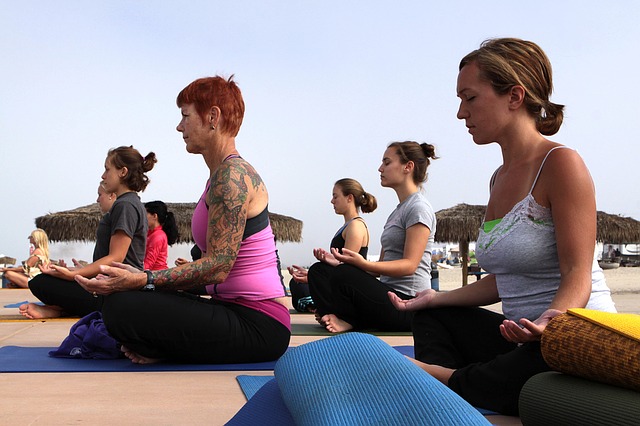 Plan a break into your day. Try and get out of the house and your office space once a day. Maybe take a yoga class…you just have to plan it into your day, so you could start a bit earlier on that day, or work a bit later. You could go shopping for meet a friend for a coffee during your break. It will definitely make a difference and a change from the same four walls.
 Have a working break. Arrange to have a few days away. Sometimes a change of scenery is invigorating and brings out your creative side. Go to a nice B&B or hotel and enjoy working in a different environment. You could even take a working break in another country, factor in some holiday time whilst you’re there and have the best of both worlds.
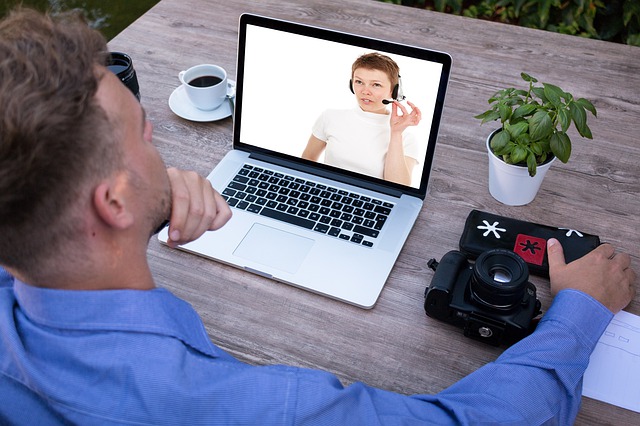 Have a virtual meeting. If you work as part of a virtual team, or work for a particular person, it’s usual for any interaction to be via email or online chat. So why not arrange a Skype or Face-time meeting. These are great as you can interact with the person on video and it’s like being in the same room.
  For me, yes…it can be lonely at times, but I make time every couple of weeks to meet with friends for coffee during the day, or a friend comes to me to lunch or vice versa. I also sing in a band, so I have the weekly evening rehearsal to look forward to and gigs some weekends, so that kind of takes care of my social life. I’d be lying if I said I never wonder what it would be like to go back to a 9-5 office job and, for some it might be an option to do a part time job and work from home too. It’s got to be right for you and your well-being and it’s so important for your mental health to have a work/life balance.
 The Write Way