

We all receive plenty of spam emails every day. Most of us find it frustrating to receive unsolicited sales emails or cold marketing messages. However, if you’re genuinely interested in a business, it’s nice to be able to choose whether you want to hear from them. That’s where an email opt-in comes in.
An opt-in is the process of giving someone permission to send you marketing emails. Typically, this involves completing a simple form on a website to subscribe to a newsletter, download a free resource, or receive updates.
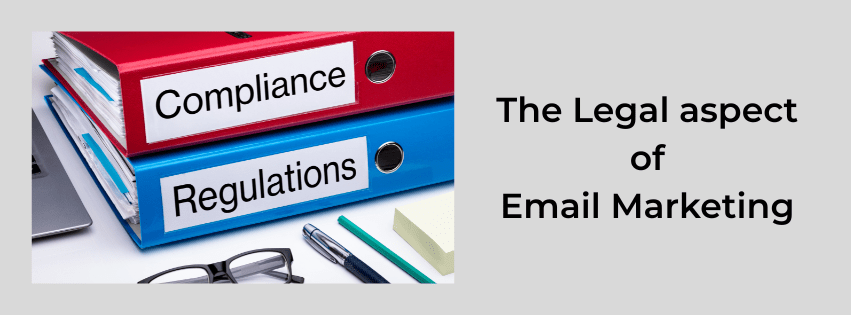
The Legal Side of Email Opt-Ins
In the UK and across Europe, email marketing is governed by the UK GDPR, the EU GDPR, and related privacy laws. In the UK, the Information Commissioner’s Office (ICO) oversees data protection, while in France it is regulated by the Commission Nationale de l’Informatique et des Libertés (CNIL).
In the UK, email marketing is additionally governed by the Privacy and Electronic Communications Regulations (PECR), which work alongside UK GDPR.
To comply with GDPR, consent must be:
- Freely given
- Specific
- Informed
- Unambiguous
- Easy to withdraw
- Properly documented
Consent requests should also be separate from your general terms and conditions. This makes it clear exactly what the person is agreeing to, rather than hiding consent within other legal text.
Opt-in forms are commonly found as website pop-ups, embedded forms, or dedicated landing pages.
When someone subscribes, they are giving permission to receive your marketing emails. Every marketing email must also include a simple way for subscribers to unsubscribe at any time.
Most email marketing platforms, such as Mailchimp and MailerLite, automatically include an unsubscribe link in every email to help businesses remain compliant.

The Benefits of an Email Opt-In
Building your email list through an opt-in offers several advantages:
- Grow your email list with interested subscribers. You can choose between a single or double opt-in process.
- Understand your audience better. Subscribers have already shown interest, making it easier to send content that’s relevant to them.
- Increase email engagement. People who have actively subscribed are far more likely to open and read your emails than those receiving unsolicited messages.
- Segment your audience. Group subscribers based on their interests or previous purchases so you can send more targeted offers and recommendations.
- Automate your marketing. Platforms such as Mailchimp, MailerLite and ConvertKit allow you to automatically send welcome emails, nurture sequences, newsletters and promotional campaigns.
- Save time. Once your automations are set up, your email marketing continues to work in the background while you focus on running your business.
Single Opt-In vs Double Opt-In
Single Opt-In
A single opt-in is a one-step process. A visitor enters their email address into your sign-up form and is immediately added to your mailing list.
Advantages
- Fast and easy for subscribers.
- Builds your email list more quickly.
- Fewer steps mean fewer people abandon the process.
Disadvantages
- Higher chance of incorrect or fake email addresses.
- More likely to attract people who unsubscribe after receiving the free resource.
- Greater risk of spam complaints.
Double Opt-In
A double opt-in adds a confirmation step. After entering their email address, the subscriber receives an email asking them to confirm their subscription before being added to your list.
Advantages
- Confirms the email address is valid.
- Produces a higher-quality mailing list.
- Subscribers are generally more engaged and more likely to open future emails.
- Reduces spam complaints and fake sign-ups.
Disadvantages
- Some people never complete the confirmation step.
- Your email list may grow more slowly.
Although double opt-in typically results in fewer subscribers, those who do confirm are usually more interested in your products or services, making them higher-quality leads.
Potential Drawbacks of Email Opt-Ins
Like any marketing tool, email opt-ins have a few challenges:
- While subscribers are likely to open the first email to receive their free download or welcome message, they may ignore future emails if they don’t provide ongoing value.
- Waiting too long before sending your next email can cause subscribers to forget who you are. A short welcome sequence helps keep your business fresh in their minds.
- Be clear from the start about what subscribers can expect, including how often you’ll email them. Setting expectations helps reduce unsubscribes.

Growing Your Email List
Many businesses grow their email lists by offering a free checklist, guide, template, discount or other valuable resource in exchange for an email address.
These offers are usually promoted through:
- Your website
- Dedicated landing pages
- Social media
- Email marketing platforms – there are many to choose from such as Mailchimp, Mailerlite, Covertkit, Brevo or ActiveCampaign.
A well-designed opt-in combined with a helpful email sequence can become one of the most effective and cost-efficient marketing tools for your business.
Ready to grow your email list?
A well-designed landing page and automated email sequence can help you attract more of the right customers while saving you time. If you’d like help setting up an effective email marketing system that works for your business, I’d love to help. Just drop me an email at cindymobey@outlook.com.
Featured image generated by AI.