

If you have your own business, your business goals for next year should already be set, so you’re ready to make a good start after the holiday season, but if you haven’t got round to it yet, maybe this will help you think about them!
A goal without a plan is just a wish
Every January, I used to set myself resolutions – the usual kind of thing, lose weight; get fitter.
But by the end of January, they were usually all but forgotten, so I don’t tend to do that any more. I’m still aware of the personal things I want to do, but I don’t put the pressure on like I used to.
But with business, I feel I can’t afford to be so blasé – a planned business with structured goals will always be more successful, and reviewing your plans on a regular basis gives you the chance to pick up on anything that is going wrong at an earlier stage.
So where do you start? There are 4 areas to think about….
What is your Mission Statement?
This is a statement that includes what your business is, who you’re selling to, what you’re selling and what is your unique selling proposition that makes you stand out from the crowd?
For example, if you run a dog sitting service in your own home, you might say…
“All dogs in our care live in our house in a safe and secure environment, and are treated as part of our family. We are happy to administer any medication and provide a loving and attentive service to your much loved pet.”
What are your business goals?
Think about where you want your business to be by this time next year. By which percentage do you wish to grow and how many customers do you expect to have? Make sure you have at least one goal that relates to your mission statement and one that links to the financial position of your business.

Goals need to be SMART….
Specific – for example, my New Year’s Resolution, “I want to get fitter.” This is too vague. Being more specific, I should say, “I will join a gym and go three times a week.”
Measurable – You need to be able to measure your goals – for example, you might want to increase your sales by 25% by this time next year. How would you measure this throughout the year to ensure you are on track? You could break down sales, so you know how many sales you need to make every month to make this happen.
Attainable – goals need to be achievable, so don’t set the bar ridiculously high, such as Del boy in ‘Only Fools and Horses’ – “This time next year, we’ll be millionaires.”
Realistic – in the same way as goals needing to be achievable, they also need to be realistic. You must be both willing and able to work towards them. Only you can decide what is achievable and realistic for you and your business.
Timely – it’s sensible to put a time-frame on each of your goals – this keeps you focused. If you don’t have a time-frame, there is no sense of urgency and you can keep putting off doing anything ‘until tomorrow’…and we all know that tomorrow never comes!
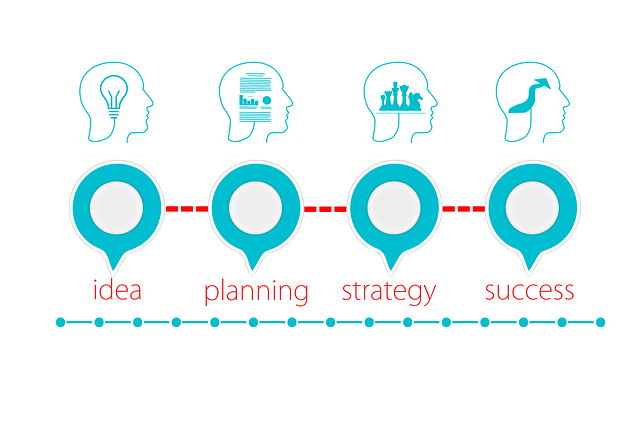
What are your business strategies?
Strategies are all about what are you going to do to achieve your goals.
Think about the four Ps…
Product(s) – what is it about your product that makes your customers want to buy it? Do you need to change your products in any way to meet your customers’ needs?
Pricing – how do you aim to compete with your competitor’s pricing – do you want to match it… undercut them… or do you want to charge more for a more quality product and service?
Place – where and how are you going to sell your products? Do you sell them yourself or outsource them to retail outlets? Do you sell online or face to face? You might do a little of everything.
Promotion – how are you going to let your existing and potential customers know about your products? This includes things like advertising, social media marketing, email marketing, PR and personal selling.

What action do you need to take to achieve your goals?
How are you going to achieve your goals? If we take the ‘I want to increase my sales by 25%’ scenario, how will you do that? You might decide to launch a new, attractive product…you might give a discount if customers spend over a set amount, or do a ‘Buy one, get one free’ offer for a specific week.
Another scenario might be that you want to re-brand your business to make you stand out from your competitors. This will have a financial implication, so that needs to be in the action plan – your goal would be to re-brand, your action would be around how you will afford to do that – how many products would you need to sell, for example, to cover the cost?
Once you have decided the action(s) for achieving each goal, you need to know how you can measure the success of each action. Measurement is very important as it gives you an insight into what works well for your business and what doesn’t.
If you plan ahead, you stand a much better chance of succeeding. So, give a little time to setting your goals and sorting out how you are going to achieve them.
One of my new online digital products is a workbook on goal setting, which takes you through each stage step-by-step, so saves you bundles of time and energy.
As always, if you have any questions, feel free to contact me.

 If you don’t send content out at the right time, then you are wasting your time. You need to firstly understand your audience or intended audience – what do your customers want? Do your customers or potential customers have questions that you can answer? Do you have solutions to your customers’ problems? If you are aware of these things, you can plan to put content out at the right time.
 December and January is the ideal time for you to look at planning for next year. It’s time to take stock and look back over the last year – what worked well for your business and what didn’t work so well? Which way are you going next year?
 If you haven’t asked for feedback, then why not do it now? Why not send out a short survey asking some questions to help you decide which way to go next year – get your current customers’ opinions and ideas – their input could open a whole new market to you.


 choosing your products or services?
 – Look at premises you currently work from (it might just be from home). What will you do if your business expands – what premises will you need to ensure your business succeeds?
 – Are you likely to have cash flow problem – if so, how will you deal with it?
 necessary.
 The Write Way