

Storytelling is nothing new, and something most of us do every single day without realising it. When you talk to your partner about your day, you’re telling a story – you read stories to your kids or tell them about what life was like when you were young (or as mine used to say ‘in the olden days’) …cheeky little beggars! So, it makes sense to tell stories about your business, so people get to know you and your brand. Stories help you capture your audience’s attention, build loyalty, and get sales.
What’s different about Brand Storytelling – is it the same as your Brand?
The simple answer is ‘no,’
Your brand is an essential part of your business strategy. Branding is the broader marketing and communications plan, such as content, your mission and vision and all the things that make your business ‘you.’ Branding includes the image you want to portray as well as your reputation.
Read ‘Get a better brand identity,’ one of my other blog posts, for more in-depth information.
Brand Storytelling is a part of your brand strategy. It shows your human side and builds that engagement between you and your customers. It’s about sharing stories that your audience can identify with, weaving in the core messages of your business. It’s emotion-evoking, creates empathy, holds their attention so your audience feels the experience, and so helps build trust and loyalty, compelling them to take action.
Seth Godin, an American author, and marketing strategist, (with a great sense of the humour by the way!), once said,
“Marketing is no longer about the stuff that you make, but about the stories you tell.”
Seth Godin
You may not recognise his name, but I’m sure you will have seen this quote before. In today’s climate, where competition is stiff, you have unlimited choice on everything you buy, and you’re constantly being bombarded with ads, not just on TV, but on social media, you need to find a way to make your business stand out from the rest.
Storytelling is the answer.
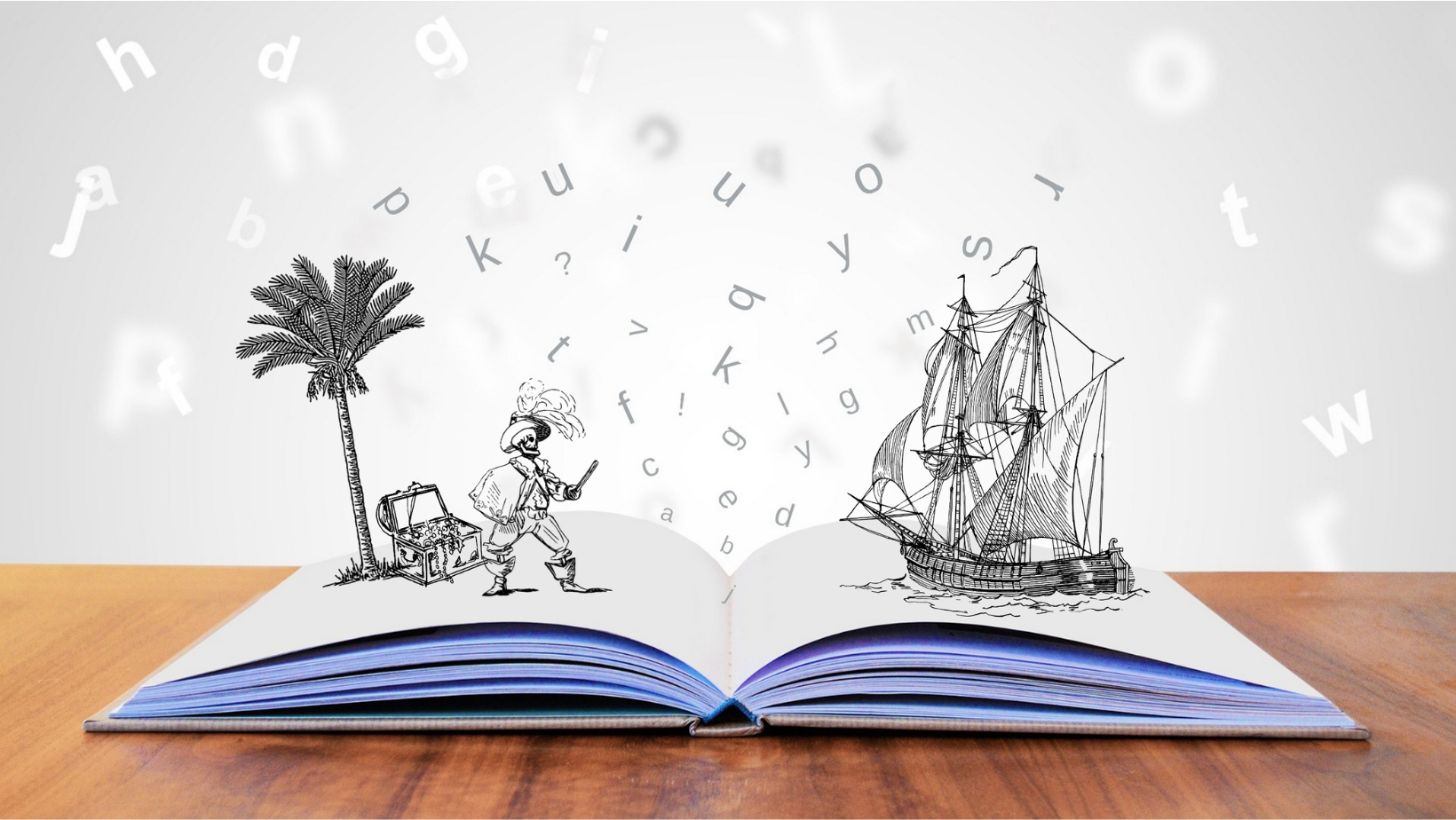
The power of storytelling – what people want!
If I could use just one word to describe the power of storytelling, that word would be EMPATHY. People want to feel like they belong, they’re tired of being ‘talked at’ and being inundated with ads to sell to them. I know that I get fed up with it – it’s constant if you work online like I do.
What people want, what I want and I’m sure you do, is to feel a connection with a particular business – have that feeling that ‘they’re just like me.’ Telling stories is what makes your brand more human, you can communicate exactly who you are, what your values are, what you do and how you can help people. The more you do this, the more you will stand out.
When you have a small business, your main focus will be selling your products or services, and I see a lot of businesses churning out post after post just selling their products/services – using the quantity over quality mindset. And whilst, of course, if you bombard people with loads of content with what you sell, something may catch their eye, it doesn’t really connect with them on a personal level.
Think about the big well-known brands. L’Oréal is a great example. Their tagline that we all know is ‘because you’re worth it.’ Originally this was ‘we’re worth it,’ talking specifically to women. It’s not just their tagline, it’s their brand mission, telling women that taking their beauty into their own hands is empowering and believing that it’s something no one else can control. When you hear that tagline, what do you think? Most of us would probably agree, that of course we’re worth it, we never doubted that! Its aim is to resonate with women everywhere, no matter what age, colour, race, religion, sexual orientation – it’s just about inspiring us to have confidence in ourselves.
A quote from their website reads,
“The inspirational and culturally diverse women who front the brand worldwide make the phrase relevant not just for their generation and their mother’s generation, but for generations to come.
Since its inception, “Because You’re Worth It” has been translated into 40 languages and has become the militant tagline uniting women around the world, encouraging them to fearlessly embrace their ambitions and believe in their self-worth every day.”
The point I’m making is that they are telling a story. So, how can you incorporate this kind of storytelling into your brand?

How to tell your brand story
- Who are you? What is your story – who you are, what you do, what you care about and why it matters. Know what your brand mission and vision are for your business. As a small business, you are not a huge faceless organisation, you can show who you are etc with posts showing your workspace, talk about your hobbies, what you like to do outside of work, your family – show your personality – this is what helps give you your brand story.
- What do you want people to associate with you? What do you want your customers to think of you? If you were going to buy your products/services, what would you look for?
- Your natural style – this is about how you portray yourself. Are you enthusiastic about what you do? Do you show your passion for your product or services? Research other businesses who offer the same or similar products or services as you – how do they put their personal style across to their potential customers? I’m not saying you should copy someone else’s style, but it will give you ideas.
- Be an expert at what you do. Show potential customers that you’re good at what you do. When you do a good job for your current customers, ask them for feedback and recommendations. This helps you have social proof – I always look at reviews when I buy something for example. You could use those reviews to build case studies – the story behind why they bought that product, or if they commissioned a particular product or service, (with their permission of course!)
- Who do you do it for? This is an important one. Think about the people you want to help or whose custom you’re trying to win. You need to know who your target market or ideal customer is. Show them how you can help them, solve a problem, and let them know why you care. How does what you do improve their day-to-day life? What’s in it for them?
- 80/20 rule – this is something I often bang on about, but it is relevant to your brand storytelling. Don’t make all your posts about selling. 80% should be content that educates your audience, entertains them, inspires them, and engages them with what you do. Only 20% should be about selling.
- Don’t forget your call to action – at the end of every story should be a call to action. Tell your audience what you want them to do next. It might be ‘Check out my website/shop,’ it might be ‘sign up to my newsletter’ or something as simple as ‘follow me for more inspiration.’
Conclusion
Brand storytelling is about getting into the minds of your audience. Humans are naturally programmed to create and listen to stories. They can affect us both physically and mentally, make us feel an empathy to a certain person or a certain business. Something resonates in our brains.
When you watch a film or read a book, how many times do you feel embroiled in the story, so that you see and feel what the characters do? Your brand story will have this effect on your audience when they really engage with your content- and if they feel engaged they will remember you.
Storytelling should be at the centre of all marketing in one way or another. And they will help you stand out from the crowd. Great stories will help your audience understand who you are, what you do and why you do it.
Share this blog post or tag someone if you think this content will benefit them. And don’t forget, I’m only an email or message away if you’d like to find out more or have some 1:1 coaching on your brand story.



 The Write Way